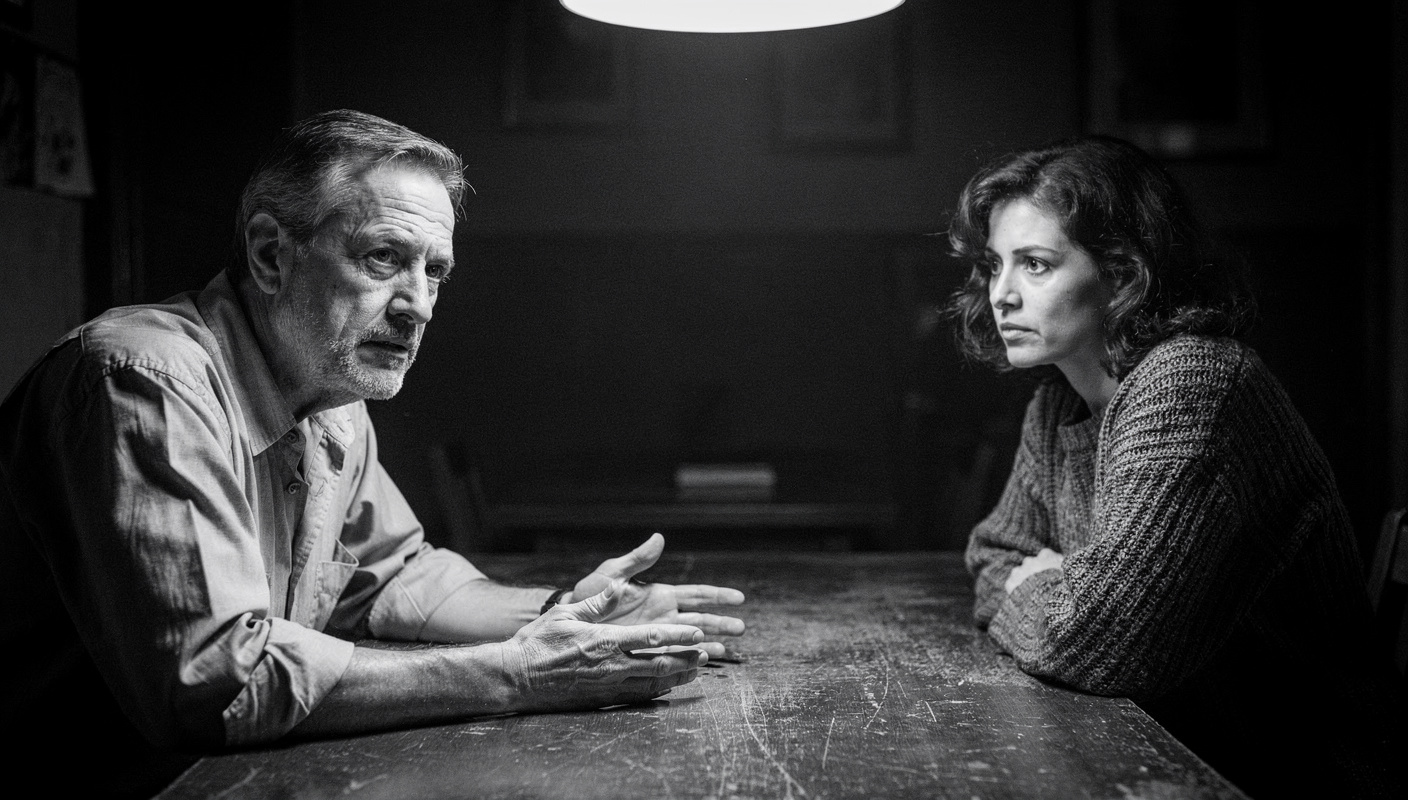

In Short
Your words can be perfect and your body language can still destroy the apology before it lands.
- Breaking eye contact at the moment of greatest emotional weight signals you cannot hold the discomfort.
- Crossed arms or turned shoulders tell the other person you are protecting yourself, not offering repair.
- Nervous smiling is one of the most damaging physical expression mistakes, because it reads as dismissal.
Physical expression mistakes in an apology are nonverbal behaviors, including posture, gesture, facial expression, and eye contact, that contradict your spoken words. They signal defensiveness, insincerity, or discomfort in ways you may not intend, causing the other person to doubt your remorse even when it is real.
You practiced the words. You chose them carefully. You walked into the room ready. And then, thirty seconds in, you watched the other person's face close like a door. Something went wrong, but you could not name it. That is the gap most people never close, because physical expression mistakes are invisible to the person making them.
The problem is that your nervous system does not know the difference between a threat and an apology. When you stand in front of someone you have hurt and ask for forgiveness, your body activates its oldest defenses. Arms cross. Eyes drift. A smile flickers at the wrong moment. You are not being dishonest. You are being human. But the person across from you reads the body, not the intention.
In this article, you will learn to recognize six specific physical expression mistakes and what to do about each one. If you want to understand how written apologies work alongside in-person ones, How to Write a Professional Apology Email at Work is worth reading as a companion piece.
Why Body Language Apology Errors Are So Hard to Catch
Most people have no idea what their body is doing when they are under emotional pressure. You are focused on the words, on managing the other person's reaction, on not crying or not snapping. Your posture is the last thing on your mind.
These mistakes go undetected for several reasons:
- No one tells you. The person you hurt is focused on whether you mean it, not on coaching your posture. If the apology falls flat, they say "it's fine" and leave. You never learn what went wrong.
- The behaviors feel protective, not hostile. Crossing your arms feels like steadying yourself. Looking away feels like giving the other person space. From the inside, these choices feel reasonable. From the outside, they read as self-defense.
- You confuse discomfort with dishonesty. You are not insincere; you are nervous. But your nervous system expresses itself through the same signals as someone who does not actually mean what they are saying.
- The moment passes too fast to analyze. An apology conversation lasts minutes. By the time you sense something went wrong, you are already in the car wondering what happened.
- Feedback from others is usually vague. "It didn't feel right" is not actionable. Nobody says "you smiled at the wrong second and it looked like contempt."
The first step is knowing what to look for. That is what this article gives you.
"The Conversation You're Avoiding Is the One You Need to Have."
"The Conversation You're Avoiding
Is the One You Need to Have."
Stop rehearsing conversations you'll never have. Say It Right Every Time gives you 115 word-for-word scripts and 16 proven frameworks to speak with confidence in every conversation that matters.
Mistake 1: Breaking Eye Contact at the Moment of Greatest Weight
What it looks like: You hold eye contact through the easy part of the apology, then look away the second you say the hardest sentence. "I know I hurt you" lands while your eyes are on the floor. The words are sincere. The delivery confirms nothing.
Why it happens: The moment of deepest acknowledgment is also the moment of greatest vulnerability. Looking at someone while they absorb your remorse means witnessing their pain without flinching. That is genuinely hard. The eyes drift as a form of self-protection.
Why it matters: The other person interprets your dropped gaze as shame avoidance or insincerity, not as vulnerability. It reads as "I said the words but I cannot face what I did."
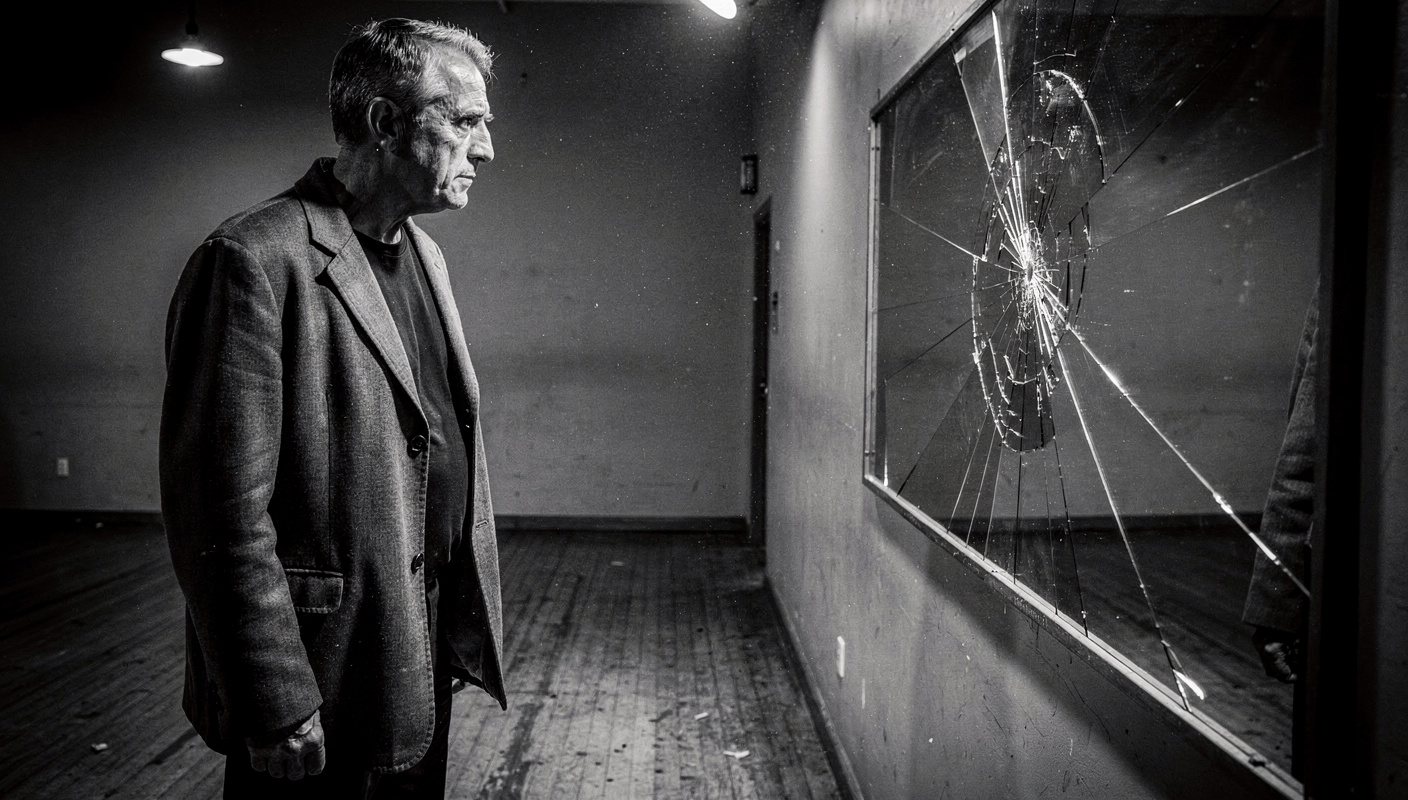
What to do about it: Before the conversation, practice holding a soft, steady gaze in a mirror for ten full seconds while speaking a difficult sentence. In the actual apology, make a deliberate choice to hold eye contact through the sentence that costs you the most. Let the silence sit after you say it. Do not look away to escape the weight of it.
Eamon's note: I broke eye contact for years without knowing it, and I lost more repairs than I care to count because of that one habit.
Mistake 2: Crossed Arms or Closed Shoulders
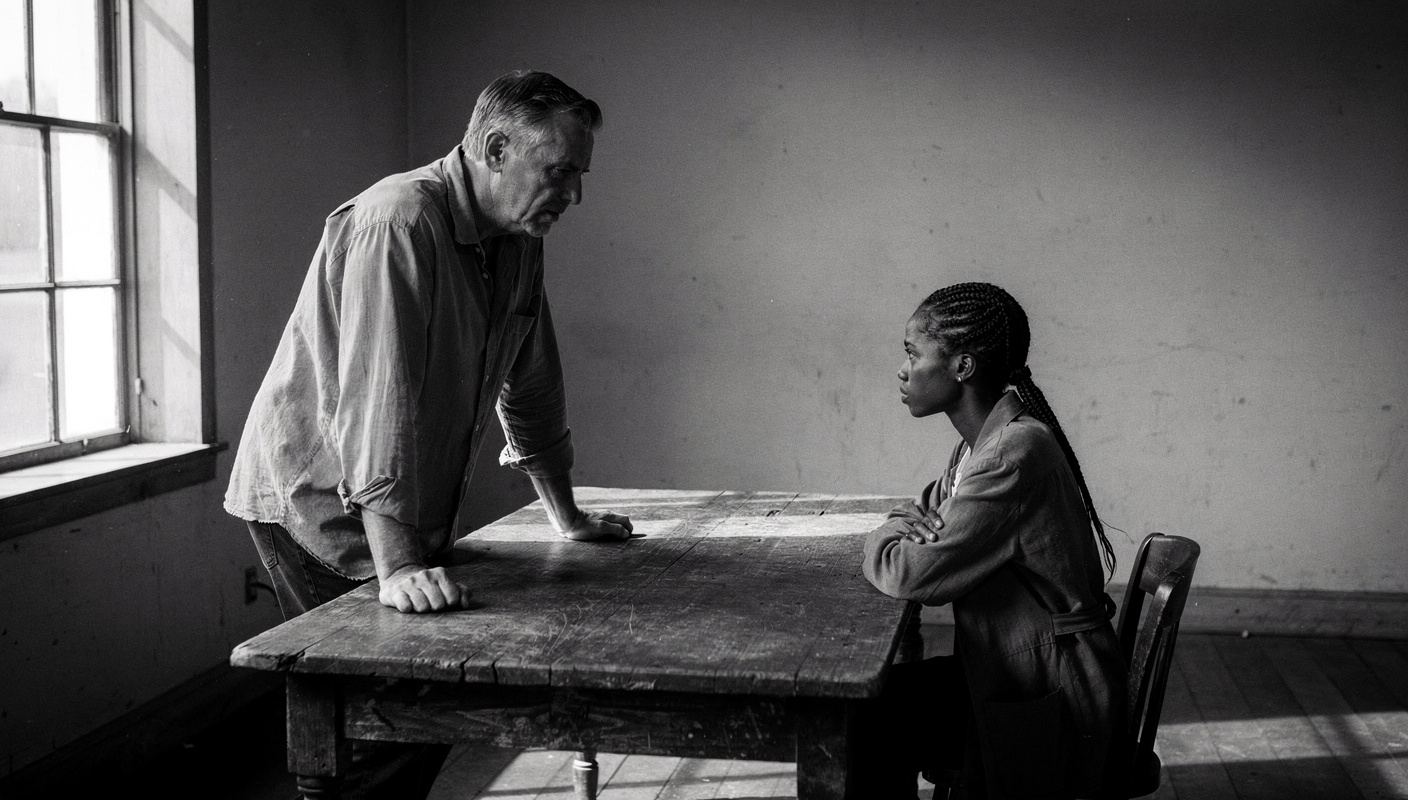
What it looks like: You stand or sit with arms folded across your chest, or your shoulders are slightly turned so your body is not fully facing the other person. You may not even notice you have done it. Your words say "I am open to whatever you need." Your body says "I am protected and ready to leave."
Why it happens: Crossing your arms is a self-soothing behavior. When you feel exposed or anxious, the body seeks containment. It is not a conscious choice. It is an old comfort mechanism that does real damage in apology situations.
Why it matters: Closed body posture is one of the most universally legible signals of defensiveness. The person receiving the apology sees it immediately, even if they cannot name it. It undermines everything your words are trying to do.
What to do about it: Before you enter the room, shake your arms loose and plant your feet slightly wider than usual. Sit or stand with your hands resting open and low, either in your lap or on a surface in front of you. Think of it as making yourself physically available for whatever comes. If you want to understand how openness functions in difficult conversations more broadly, How to Use the Empathy Bridge Before Delivering Critical Feedback covers the same principle from a different angle.
Eamon's note: Open hands are one of the oldest signals of peaceful intent. Use them.
Mistake 3: Nervous Smiling at the Wrong Moment
What it looks like: A small smile appears on your face as you apologize, especially during an uncomfortable silence or when the other person expresses hurt. You are not happy. You are not dismissing them. But the smile is there, and it looks exactly like contempt or amusement to the person watching you.
Why it happens: Nervous smiling is a deeply ingrained tension response. When social situations become charged, some people laugh or smile involuntarily. It is the body's clumsy attempt to reduce threat and signal non-aggression. It is one of the physical expression mistakes that surprises people most when they first learn about it.
Why it matters: A smile at the moment someone describes how you hurt them is devastating to the repair. It lands as mockery, regardless of your intent. It can undo an otherwise sincere apology in under a second.
What to do about it: If you know you carry this habit, name it before the conversation. Say to yourself: "I may smile when I am nervous. I will not." During the apology, let your face hold the natural weight of the moment. A still, serious expression is not coldness. It is respect.
Eamon's note: I have seen this one wound people more deeply than the original offense. They remember the smile far longer than they remember the words.
Mistake 4: Over-Gesturing to Fill the Silence
What it looks like: Your hands move constantly as you speak, punctuating every sentence, reaching forward, drawing shapes in the air. You shift your weight from foot to foot. You adjust your clothing or touch your face. The other person is watching a performance rather than receiving an apology.
Why it happens: Silence in an emotionally loaded conversation feels unbearable to many people. Movement fills that silence. It also burns off nervous energy, which is why it feels relieving. But what you experience as managing your anxiety, the other person experiences as agitation or insincerity.
Why it matters: Stillness communicates that you can hold the weight of the moment. Constant movement signals that you cannot. The person you are apologizing to needs to feel your steadiness, not your restlessness.
What to do about it: Practice the physical experience of stillness before difficult conversations. Sit or stand still for two full minutes and notice the discomfort. That discomfort is what you are training yourself to hold. In the apology itself, allow gestures that are slow and deliberate. Let your hands come to rest after each one.
Eamon's note: The most powerful apology I ever received came from someone who barely moved. Their stillness told me everything.
Mistake 5: Positioning Your Body for Exit
What it looks like: Your feet point toward the door. You stand near the exit rather than fully entering the space. You sit on the edge of your chair. Every element of your physical position communicates that part of you is already planning to leave.
Why it happens: Apologizing requires you to stay in a space of discomfort for as long as the other person needs. The body, sensing threat, quietly orients itself toward escape. You are not planning to walk out. But your posture has already started the process.
Why it matters: When someone is deciding whether to trust your remorse, they read your physical commitment to the moment. A body angled toward the exit signals that your apology has a time limit. It tells the other person that their pain is something you want to move past, not sit with.
What to do about it: Before you speak, plant your feet squarely toward the other person. Sit fully in your chair. If you are standing, close the distance a half-step more than feels comfortable. Staying physically present is one of the most powerful things you can do. For additional ways to rebuild trust after a difficult moment, How to Apologize to a Team Member in a Way That Actually Restores Synergy is a practical resource.
Eamon's note: Your feet tell the truth. Point them at the person you are trying to reach.
Mistake 6: Mirroring the Other Person's Defensiveness
What it looks like: The other person crosses their arms, and within seconds, so do you. They lean back, and you lean back. They become quieter, and your voice drops and tightens. You are matching their energy without realizing it, which means the conversation becomes two defensive people talking past each other.
Why it happens: Mirroring is an automatic social behavior. We match the physical cues of the people around us. In most contexts it builds rapport. In an apology where the other person is hurt and guarded, mirroring their defensiveness simply deepens the stand-off.
Why it matters: Someone has to hold the open posture first. In an apology, that responsibility belongs entirely to you. If you wait for the other person to soften before you do, the repair never begins.
What to do about it: This is the one area where you must actively resist the natural pull. When you notice the other person close off, consciously relax your own posture. Open your hands. Soften your face. You are not matching them. You are offering an alternative. It is subtle, and it works. The skills for staying open under pressure connect directly to feedback conversations too, and How to Give Constructive Feedback Without Causing Tension covers how to maintain that openness when the stakes are high.
Eamon's note: Here is the truth of it: someone has to be the ground. In an apology, that ground is yours to hold.
The Pattern Behind These Physical Expression Mistakes
These mistakes rarely appear in isolation. When you see one, you are almost certainly dealing with several at once.
The single root cause underlying every physical expression mistake in an apology is threat response. Your nervous system does not distinguish between physical danger and social exposure. Standing in front of someone you have hurt, asking them to forgive you, triggers the same ancient circuitry as any other threat. Your body tries to protect you, and protection looks like closure: crossed arms, averted eyes, readiness to move.
A second pattern is the rehearsal gap. Most people prepare what they will say but spend no time preparing how they will hold themselves. Words get practiced. Posture does not. So the words arrive polished and the body arrives on autopilot.
A third pattern is the discomfort transfer problem. You are uncomfortable, so your body tries to discharge that discomfort through movement, smiling, or withdrawal. The problem is that you are not the one who deserves relief in this moment. The discomfort belongs to the person you hurt. Your job is to hold yours steady while they process theirs. This connects directly to how you handle your body in any high-stakes conversation, including those in How to Deliver Negative Feedback Positively and the behavioral framing used in How to Use the S.B.I. Method to Give Feedback That Actually Changes Behavior.
Fix the root and most of the symptoms resolve.
Your Diagnostic Checklist
Use this checklist to assess where you currently stand when apologizing in person.
- I maintain steady, soft eye contact through the most difficult sentences of an apology.
- My arms remain open and uncrossed throughout a difficult conversation.
- My feet and shoulders face the other person fully, not angled away.
- I allow silence without filling it with movement or extra words.
- My facial expression matches the weight of what I am saying.
- I do not smile or laugh when the other person expresses hurt.
- I sit or stand fully in the space rather than positioning near the exit.
- I resist the pull to mirror the other person's defensive posture.
- My hands are still and open rather than in constant motion.
- I hold my physical composure even when the other person becomes emotional.
Scoring guide: If you checked seven or more, your physical expression during apologies is largely sound. Focus on reinforcing the one or two gaps. If you checked four to six, you have real patterns to address; start with eye contact and posture, because they carry the most weight. If you checked three or fewer, your body language is actively working against your words, and this deserves honest, sustained attention before your next difficult conversation.
How to Start Fixing Physical Expression Mistakes
Diagnosis without action is just worry. Here is where to begin.
Practice stillness daily. Sit quietly for two minutes without adjusting, fidgeting, or crossing your arms. Do this every morning for one week. You are not meditating; you are training your body to hold discomfort without discharging it through movement.
Record yourself speaking. Use your phone to record a one-minute video of yourself apologizing to no one. Watch it back with the sound off. What does your body say? You will see things you have never noticed. This is uncomfortable and essential.
Set your posture before you enter the room. In the thirty seconds before a difficult conversation, shake your arms out, plant your feet, and take two slow breaths. You are not calming down; you are anchoring yourself. This preparation changes what your body does once you are inside.
Name your nervous habits in advance. If you know you smile under stress, say to yourself "I smile when I am nervous" before the conversation. Naming the habit interrupts it. It is a small act with a disproportionate effect.
For the full framework on how these conversations work from the first word to the last, Word-for-Word Scripts for Giving Constructive Feedback at Work gives you the structural tools that complement everything here.
Summary
You now have a clearer picture of what goes wrong physically when people apologize, and why words alone are never enough.
- Physical expression mistakes happen because the nervous system treats apology like threat, and threat triggers closure.
- The most damaging mistakes are also the most invisible: the averted eyes, the smile that flickers at the wrong second, the feet that point toward the door.
- Stillness is not passivity. It is one of the most powerful things you can offer the person you have hurt.
- Open posture, steady eye contact, and grounded feet are not performance. They are the body's way of saying "I am here and I am not leaving until this is repaired."
- You can train these responses. They are skills, not traits.
The patterns behind physical expression mistakes connect to how you carry yourself in every high-stakes conversation. How to Give Constructive Feedback Without Causing Tension and How to Deliver Negative Feedback Positively both address the same body-first discipline in different contexts.
Avoiding physical expression mistakes is not about performing remorse. It is about letting your body match what your heart already knows.
Frequently Asked Questions (FAQ)
What are the most common physical expression mistakes when apologizing in person?
The most common physical expression mistakes include crossed arms, avoiding eye contact, turning the body away, over-gesturing to fill silence, and smiling at the wrong moment. Each one signals defensiveness or insincerity, even when your words are genuine. Your body undercuts the message before it lands.
How do physical expression mistakes affect whether an apology is believed?
Physical expression mistakes create a mismatch between your words and your body. The person receiving the apology reads both simultaneously, and when they conflict, the body wins. Research in nonverbal communication consistently shows that people trust physical signals over spoken words, especially in emotionally charged moments.
What does genuine remorse look like in body language?
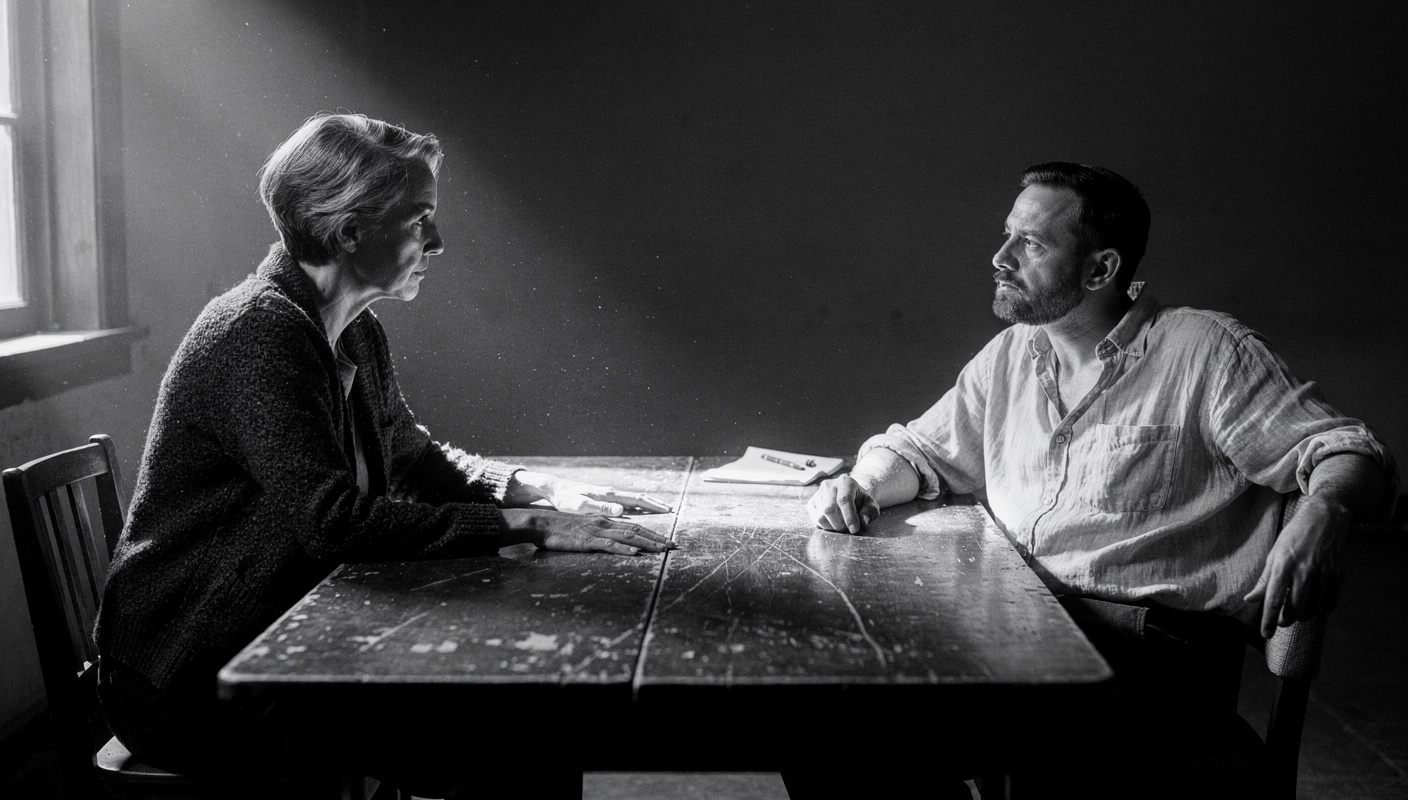
Genuine remorse shows up as stillness, open posture, direct but soft eye contact, and a slight forward lean. You hold the discomfort rather than deflecting it with movement or a nervous smile. The body matches the weight of what you are saying.
Why do people make physical expression mistakes even when they are truly sorry?
Apologizing triggers a threat response in the nervous system. Your body wants to protect itself through familiar habits: crossed arms, looking away, filling silence with movement. These are self-soothing behaviors, not dishonesty, but the other person cannot tell the difference from the outside.
How can I practice better body language before apologizing in person?
Stand in front of a mirror and rehearse the posture first, before the words. Practice holding eye contact with a soft, still face for ten seconds. Notice where your hands go naturally and train them to rest open and low. Stillness under pressure is a skill you can build.
Does eye contact always make an apology feel more sincere?
Direct eye contact helps, but it must be steady and soft, not intense or unblinking. Staring can feel confrontational rather than remorseful. The goal is contact that communicates presence, not pressure. Look at the person, allow silence, and do not look away the moment they respond.