
In Short
Sitting and standing are not just physical positions; they are two distinct channels of nonverbal communication, each sending different signals about authority, intent, and relationship.
- Standing amplifies presence, authority, and energy.
- Sitting invites equality, intimacy, and collaborative exchange.
- The wrong position for the moment can undermine your message before you say a word.
Sitting vs standing physical expression describes how your body position changes the nonverbal signals you send during communication. Standing typically projects authority and presence, while sitting signals accessibility and connection. Each position shapes how your message, tone, and intent are received.
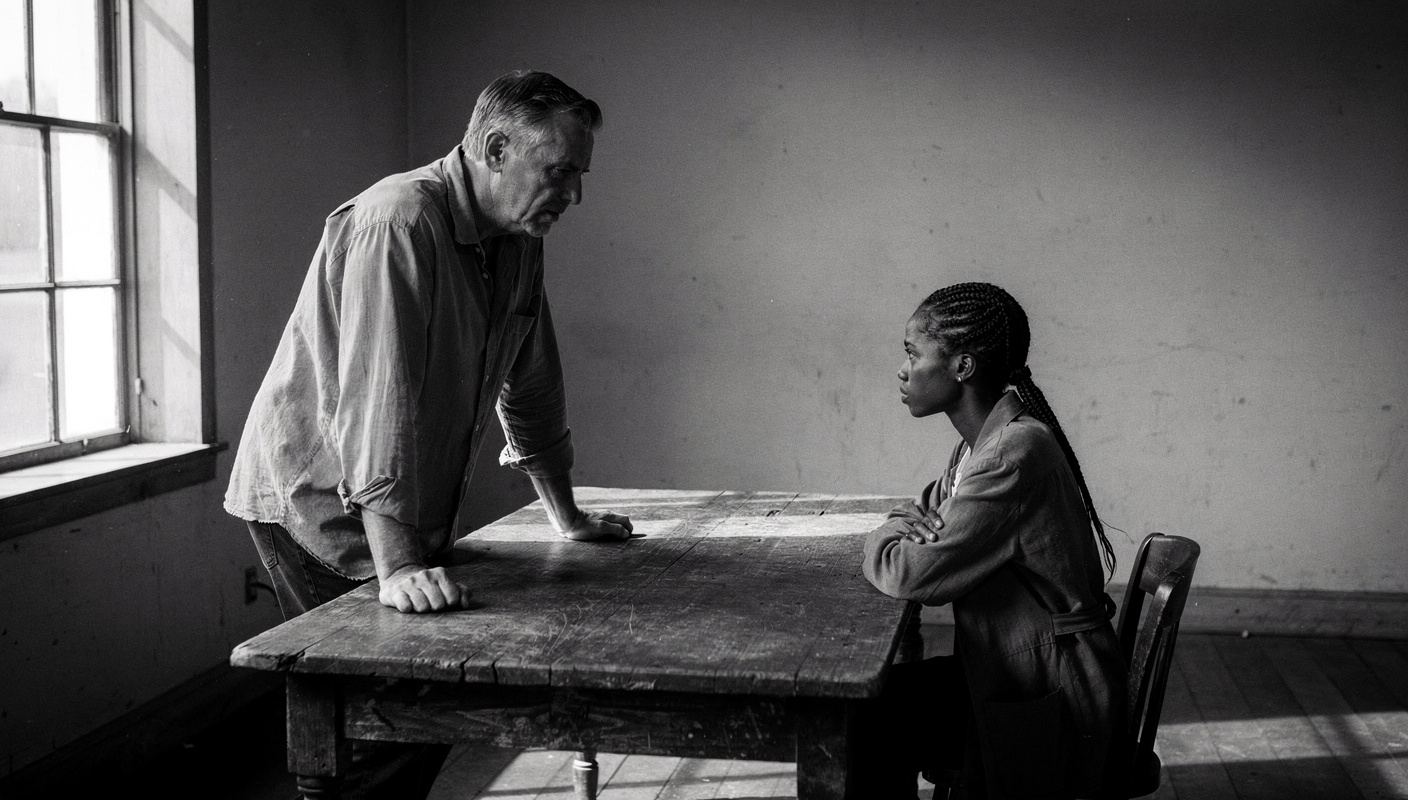
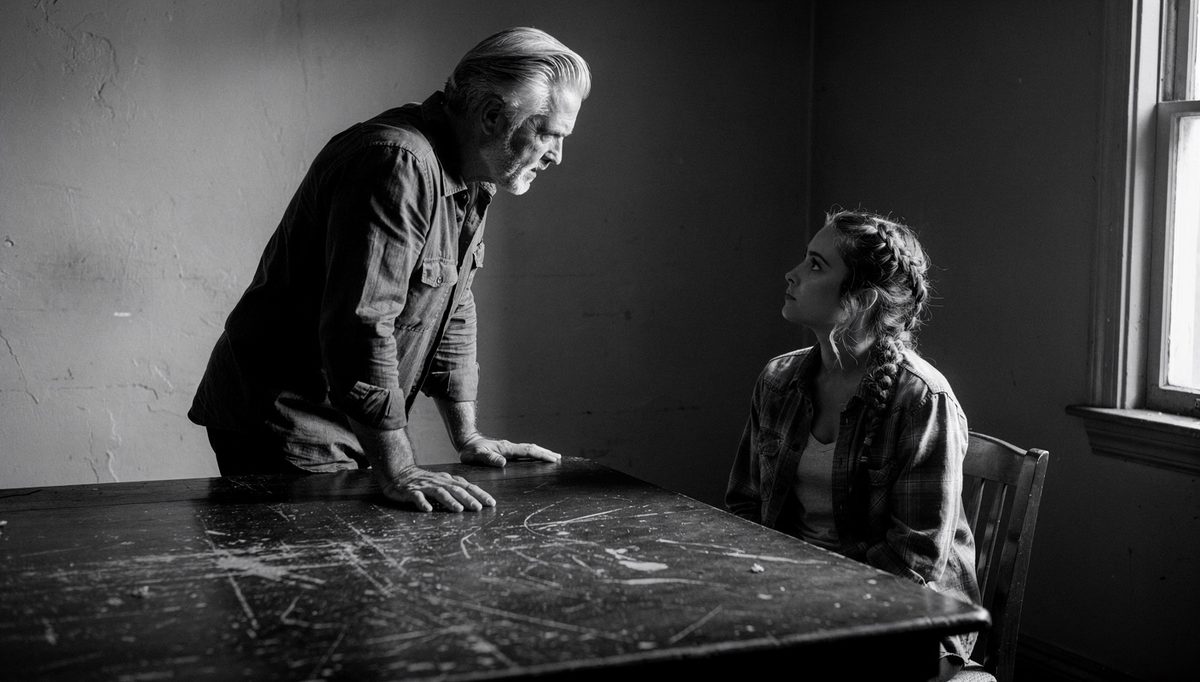
I watched a manager destroy a difficult conversation in under thirty seconds. She stood over a seated employee she was trying to support and opened with, "I want you to know I am on your side." The words were right. The position was all wrong.
That moment cost her the trust she was trying to build. Understanding sitting vs standing physical expression is not about performance or tricks. It is about knowing that your body makes choices on your behalf, whether you direct it or not. If you leave those choices to habit, you leave your message to chance. The real cost of ignoring this is that people remember how you made them feel long after they forget what you said, and your position shapes that feeling before your voice does.
By the end of this, you will know exactly when to use each position and what each one actually requires of you. If you want to understand how emotional awareness shapes communication further, the article on Emotional Intelligence in Feedback Conversations is worth your time.
What Seated Physical Expression Really Means
Seated physical expression is how your body communicates when you are at rest in a chair or at a table. It is not passive. It is a deliberate physical choice that signals intimacy, equality, and collaboration.
In practice, sitting reduces your physical height relative to others and brings you to a shared plane. This lowers the perceived hierarchy in an exchange. When you sit with an open chest, feet flat on the floor, and a slight forward lean, you signal that you are present, engaged, and willing to receive.
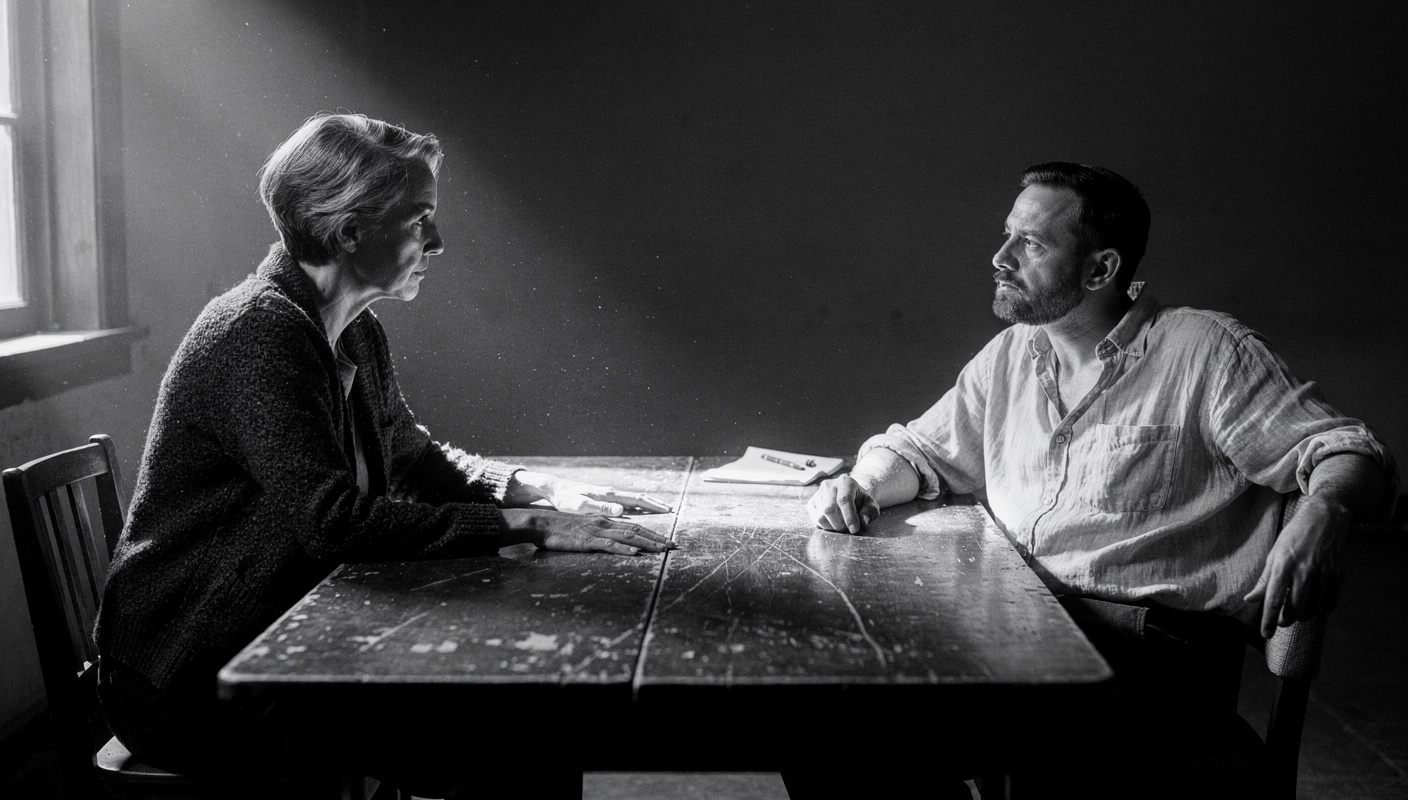
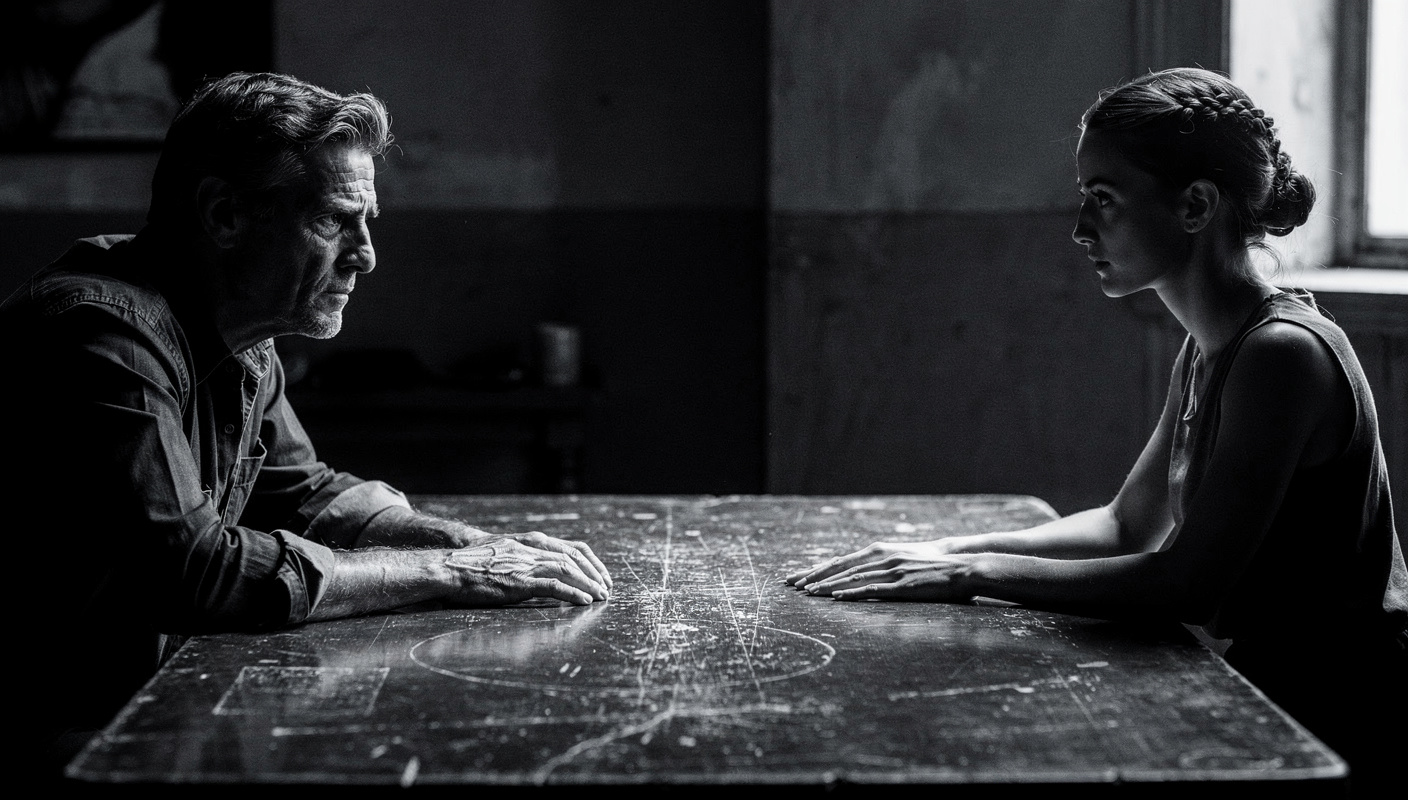
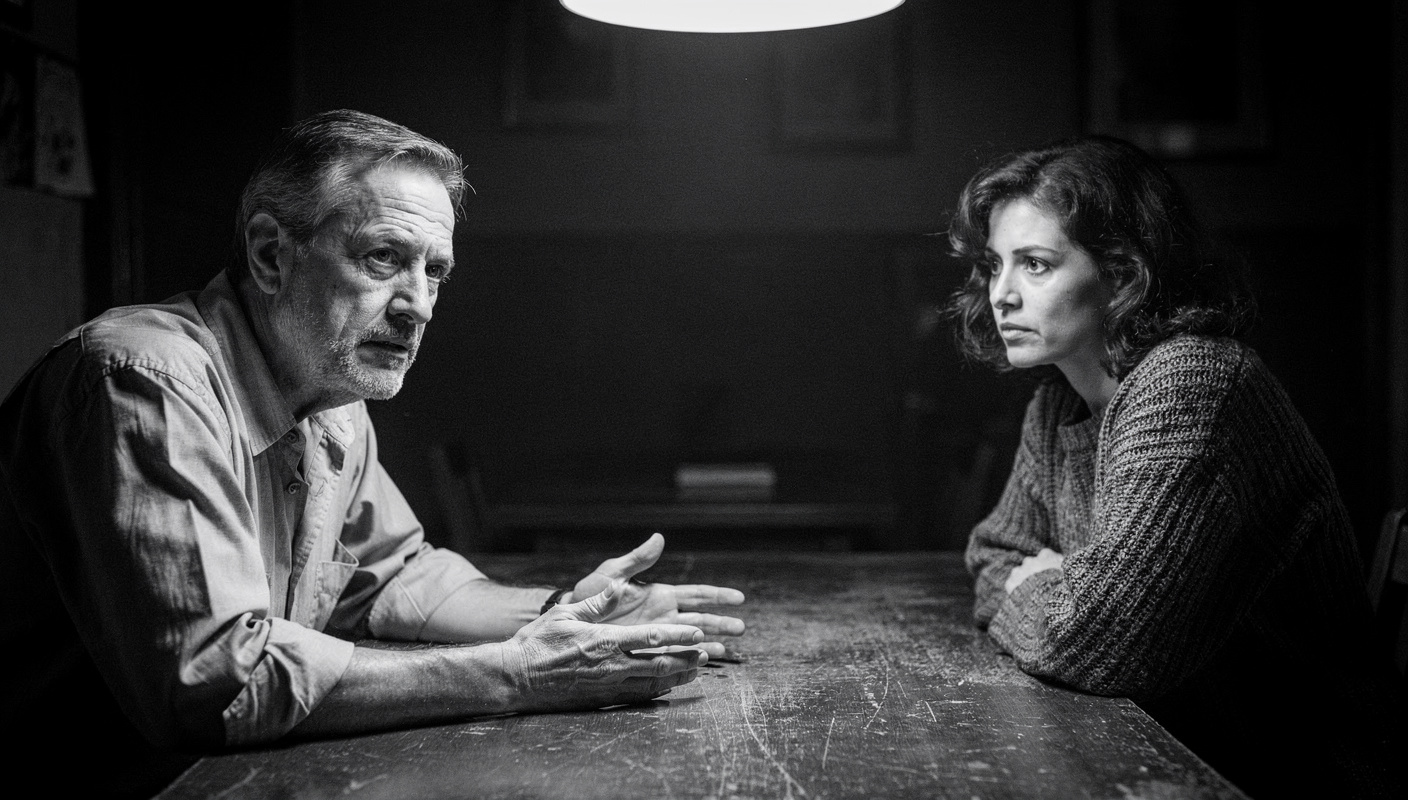
Picture a manager conducting a one-to-one with a junior team member. Both are seated at a small table. The manager keeps her hands visible on the table, maintains steady eye contact, and holds her posture open. That physical arrangement alone tells the junior person: this is a safe space; I am here to listen; you are not in trouble. No words needed. The position carries the message.
Seated physical expression requires stillness and deliberateness. Slouching, turning away, or closing your arms while seated communicates disinterest or defensiveness, and those signals can override everything your words are trying to do. Understanding how to ensure every participant gets heard often starts with this kind of physical awareness around the table.
"The Conversation You're Avoiding Is the One You Need to Have."
"The Conversation You're Avoiding
Is the One You Need to Have."
Stop rehearsing conversations you'll never have. Say It Right Every Time gives you 115 word-for-word scripts and 16 proven frameworks to speak with confidence in every conversation that matters.
What Standing Physical Expression Really Means
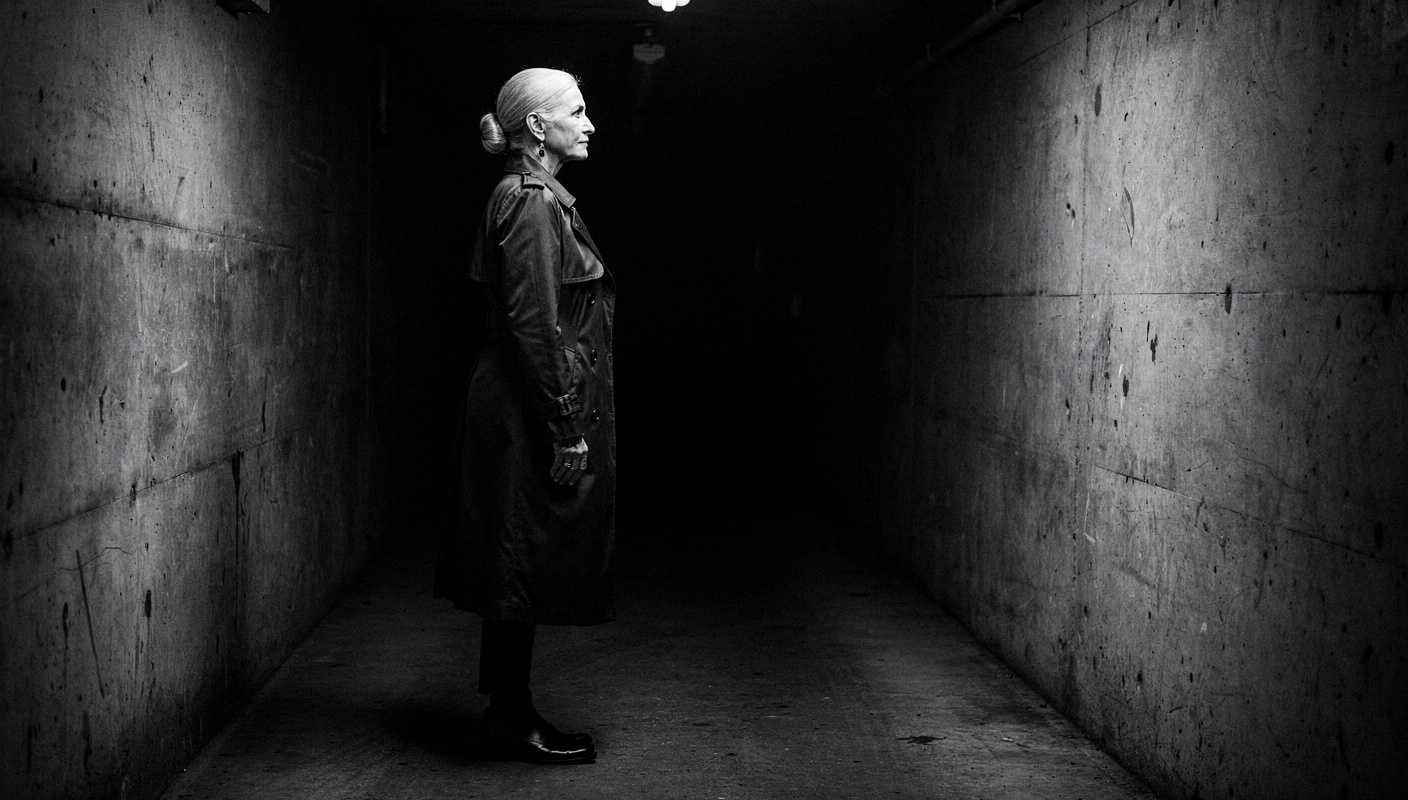
Standing physical expression is how your body communicates when you are upright, whether behind a lectern, in an open room, or simply on your feet in a conversation. It is the body's natural position for leading, presenting, and commanding attention.
When you stand, you take up more vertical space. Your breath has more room. Your gestures can travel further. Your voice naturally carries more authority because your posture supports your diaphragm. These are not small things.
Imagine a team leader who steps away from his chair and stands at the whiteboard to lay out a plan during a tense project meeting. The room shifts. People sit up. The simple act of rising signals that something important is being said. His presence fills a different kind of space than when he was seated among the group, and his team receives him differently because of it.
Standing physical expression requires energy and intention. You cannot stand well with your weight shifted back, arms crossed, or eyes cast down. Those postures work against you. To stand effectively, you need an open chest, grounded feet, relaxed hands, and a gaze that moves deliberately across the room. This is how leaders model effective communication behavior even before they open their mouths.
The Key Differences Side by Side
| Dimension | Seated Expression | Standing Expression |
|---|---|---|
| Perceived authority | Reduces hierarchy; signals equality | Projects authority and presence |
| Physical reach | Limited; contained to immediate space | Full; gestures travel freely |
| Best used for | Listening, collaborating, supporting | Leading, presenting, directing |
| Energy signal | Calm, steady, receptive | Active, engaged, purposeful |
| Common mistake | Slouching into passivity | Using height to dominate rather than lead |
| When it goes wrong | Reads as disengaged or uninvested | Reads as threatening or dismissive |
| What it builds | Trust and psychological safety | Conviction and credibility |
The authority difference is real, but it is not absolute. A person who sits with deliberate, open posture can project as much confidence as someone standing. The mistake is assuming sitting is automatically weaker. It is not. It is differently powerful.
The energy signal matters most in group settings. When someone rises to speak in a room of seated people, attention follows. This is instinctive. Use that transition deliberately rather than stumbling into it.
Where standing most often goes wrong is in one-to-one situations. Standing over someone who is seated during a personal or sensitive exchange can feel threatening, even when that is the last thing you intend. Height creates distance. Distance creates defensiveness. Choose your position with the relationship in mind, not just the message.
Seated expression, when done well, is one of the most powerful tools for building psychological safety. The conditions for honest communication are discussed further in the article on what psychological safety is and how it drives team synergy.
Where Seated and Standing Physical Expression Overlap
These two positions are not opposites. They exist on a spectrum, and the best communicators move between them with purpose. Knowing where they overlap helps you understand the underlying principles rather than following rules mechanically.
Both seated and standing expression depend on the same foundations: open posture, deliberate gesture, and direct eye contact. A rounded chest undermines you whether you are sitting or standing. A closed gaze weakens your presence in either position. The core physical principles of good communication do not change with your height from the floor.
Both positions can project confidence or undermine it, depending on how you hold yourself. A person who sits with authority and stillness sends a powerful signal. A person who stands with weight shifted back and arms crossed sends a weak one. The position sets the stage; your posture within that position delivers the performance.
Both seated and standing expression also interact with the emotions you are managing in the moment. When you are nervous, sitting often collapses inward. When you are defensive, standing can become rigid. Developing emotional intelligence in communication means reading those physical signals in yourself and others simultaneously.
The overlap is real, but knowing the difference still matters.
When to Use Seated Physical Expression
Use seated expression when the situation calls for connection, equality, or careful listening.
- In one-to-one feedback conversations. Sitting at the same level removes the physical hierarchy and creates the conditions for honest exchange. When you deliver feedback while seated, the other person is more likely to hear it without feeling attacked. Read more about this in the article on how to give feedback that strengthens team synergy.
- When someone is distressed. Standing over a person who is upset increases their sense of vulnerability. Sitting down signals that you are not in a hurry, you are not above them, and you are prepared to stay.
- During collaborative problem-solving. When you want equal contribution from the room, sitting down levels the field. Leadership seated among the group invites others to speak, rather than waiting to be called upon.
- In early trust-building conversations. New relationships need warmth before they need authority. Sitting signals that you are accessible, human, and genuinely interested in the other person.
- When listening is the primary task. If your job in a conversation is to receive rather than direct, seated expression reinforces that role physically. Your body confirms what your intent already knows.
Use the wrong position here and you risk signalling dominance when you wanted to signal care. The physical message will override the verbal one.
When to Use Standing Physical Expression
Use standing expression when the situation calls for leadership, clarity, or visible conviction.
- When presenting to a group. Standing during a presentation gives you full access to gesture, movement, and vocal projection. Your physical presence reinforces the authority of the content you are delivering.
- When you need to shift the energy in a room. If a meeting has gone flat or a group has lost focus, standing up breaks the pattern. The physical change signals that something important is about to happen.
- When delivering difficult news to a team. Standing while addressing a group during a challenging moment, such as a project failure or a significant change, communicates that you are steady, you are clear, and you are prepared to lead through it.
- When you want to signal urgency. Remaining seated during an urgent situation can inadvertently communicate that it is not that serious. Rising to your feet changes the temperature of the room.
- In formal presentations or reviews. When the context is professional and evaluative, standing aligns with the formality of the moment and the credibility you need to project.
Use standing in an intimate or personal conversation and you risk communicating superiority rather than strength. The position needs to match the moment. Building this kind of awareness supports the emotional intelligence that drives team synergy.
Common Confusions About Physical Expression Positions
Let me walk you through the three confusions I see most often.
The confusion: People assume standing always communicates more confidence than sitting. Why it happens: We associate height with authority, so standing seems inherently stronger. The resolution: Confidence comes from how you hold your body, not from how far off the ground you are. A person who sits with an open chest and steady eye contact projects far more strength than someone standing with crossed arms and a downward gaze.
The confusion: People think sitting is always the safer, less threatening choice. Why it happens: Because sitting reduces height, it seems automatically less dominant and therefore always more appropriate in sensitive moments. The resolution: Sitting can communicate disengagement or avoidance if your posture collapses. In some situations, particularly when you need to project resolve during a difficult conversation, staying upright in your chair matters as much as whether you are sitting or standing at all.
The confusion: People treat position as fixed once a conversation begins. Why it happens: Changing positions mid-conversation feels awkward, so people stay in whichever position they started in. The resolution: Skilled communicators transition deliberately. Rising to emphasise a key point and then sitting back down to invite response is a powerful tool. The movement itself communicates something. The way empathy shapes these physical transitions is explored further in the article on how empathy bridges create conditions for lasting synergy.
Once you see this clearly, you will not confuse them again.
Practical Recommendations by Situation
Here is how to decide which position to focus on based on your situation.
If you are preparing to give feedback to an individual. Sit down. Bring yourself to the same level as the person receiving the feedback. Your physical equality signals that this is a conversation, not a judgment. Keep your posture open and your hands visible to reinforce that you are there to support, not to evaluate from above.
If you are leading a team through uncertainty. Stand. When people are anxious, they look for physical signals of steadiness. A leader who rises and addresses the room directly gives people something to anchor to. Your upright presence says: I am not rattled, and neither should you be.
If you are in a long, collaborative working session. Move between both. Start seated to signal equality and invite contribution. Stand when you need to redirect the group, introduce a new idea, or shift the pace. The transition itself carries communicative weight, and using it intentionally gives you a tool most communicators ignore.
If you are having a sensitive personal conversation. Sit, and sit close enough that the other person does not have to project. Distance combined with standing creates a formality that works against honest exchange. Get to their level and stay there.
If you are presenting to a senior audience. Stand. The formality of the context expects it. A seated presenter in a formal review reads as underprepared. Stand, plant your feet, and let your body confirm that you belong in that room.
Knowing the difference between these two positions is itself a form of progress. Most people have never been taught to think about it at all.
Key Takeaways
Here is what matters most from this comparison.
- Sitting reduces perceived hierarchy and invites connection; standing increases presence and signals authority. Neither is inherently superior. Each serves a specific purpose.
- The strength of your physical expression comes from how you hold yourself within a position, not from the position alone. Slouching undermines you whether you are sitting or standing.
- Transition between positions deliberately. Moving from seated to standing mid-conversation is a communication tool. Use it with intention rather than out of habit or restlessness.
- Mismatching your position to the relational goal of the conversation creates friction, even when your words are right. The body's message arrives first.
- Practice both positions with deliberate awareness. Notice what your body defaults to under pressure, and ask whether that default is serving you or working against you.
- Sitting vs standing is a foundational element of physical expression, but it connects to everything else: gesture, eye contact, spatial awareness, and the emotional signals your body sends under stress.
For deeper reading on how body awareness connects to communication in teams, explore The Role of Emotional Intelligence in Team Synergy and How Leaders Can Model Effective Feedback Behavior. Both will sharpen how you think about physical presence in professional settings.
Frequently Asked Questions (FAQ)
What is the difference between sitting vs standing physical expression?
Sitting vs standing physical expression refers to how your body position changes the nonverbal signals you send. Standing typically projects authority and presence. Sitting projects accessibility and connection. Each position shapes how others receive your message, your tone, and your intent in conversation.
Does sitting or standing make you more confident in communication?
Standing generally produces stronger signals of confidence because it increases your physical presence and allows full use of gesture and posture. However, sitting can also project quiet strength when your posture is open and deliberate. The right choice depends on the context and the relationship dynamic you want to build.
When should you stand rather than sit during a conversation?
Stand when you need to lead, present, energise a group, or signal urgency and authority. Standing during a difficult conversation can reinforce your position. In smaller, more personal exchanges, it can feel dominant rather than powerful, so read the situation carefully before choosing your position.
How does sitting vs standing affect body language in the workplace?
In a workplace setting, sitting vs standing signals shift the perceived power dynamic. A standing speaker above a seated audience reads as authoritative. Two people seated at the same level reads as collaborative. Mismatching positions, one standing while others sit, can unintentionally create distance or tension.
Can your posture while sitting communicate as much as standing?
Absolutely. A person who sits with an open chest, feet flat, and steady eye contact communicates just as much confidence as someone standing. The mistake most people make is letting sitting become slouching. Deliberate seated posture sends clear, strong signals of engagement and respect.
How do I use physical expression to build trust in conversation?
Match your physical position to the relational goal of the conversation. Sit when you want to build connection, reduce hierarchy, and invite honesty. Stand when you want to lead, inspire, or signal conviction. In both positions, keep your posture open, your gaze direct, and your gestures controlled and purposeful.