
In Short
Large extended family mediations rarely fail because of one bad relationship. They fail because the mediator tries to manage every conflict at once without a system.
- Map every sub-conflict before you bring anyone into the same room.
- Sequence your sessions from least volatile to most volatile.
- Build agreement in layers, not all at once.
Family mediation skills are the structured techniques a mediator applies to manage competing grievances, power dynamics, and emotional histories within a multi-party dispute. They include conflict mapping, session sequencing, active listening, reframing, and guided agreement-building across individuals with deeply personal stakes.
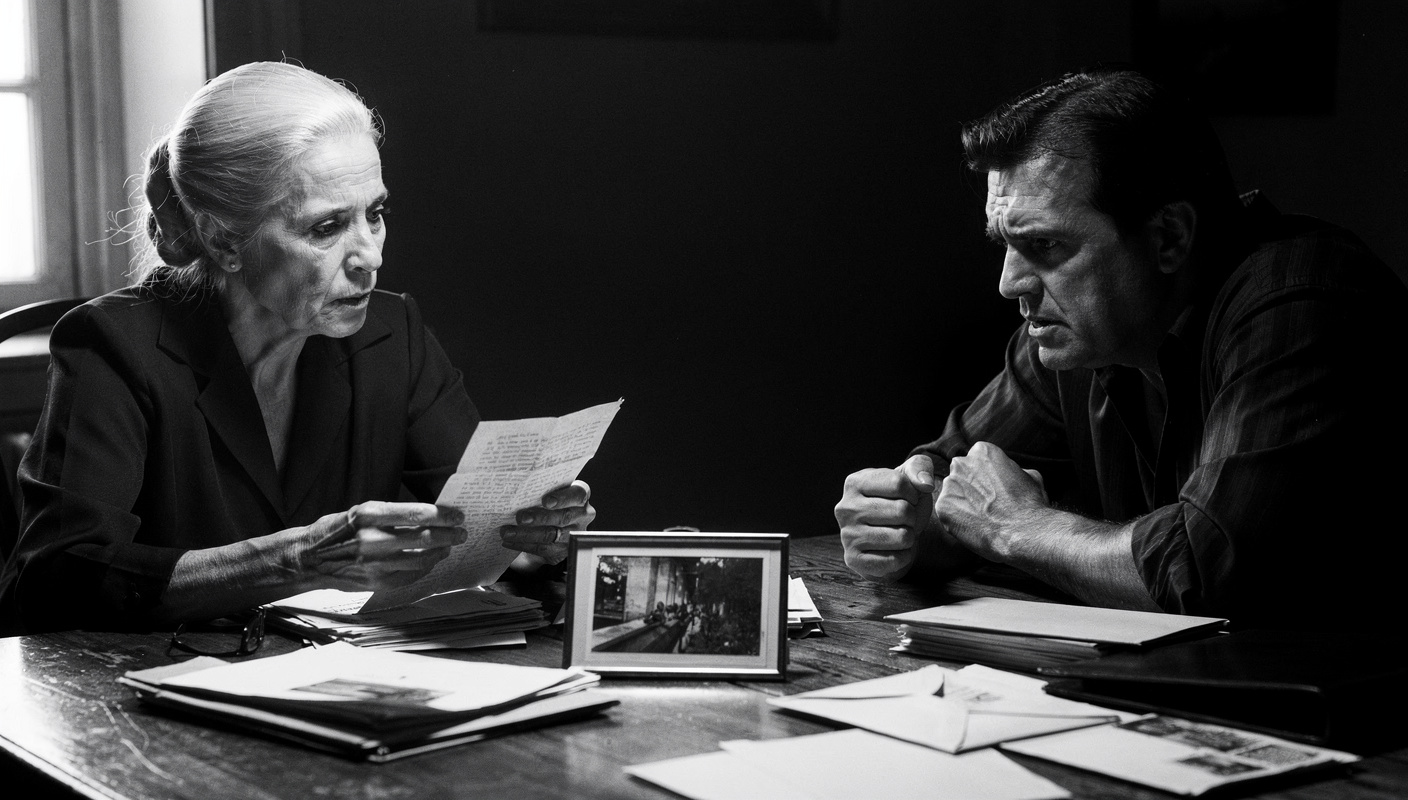
I sat across from a woman once who had not spoken to her brother in eleven years. She was in the same room as him because their mother had died and left an unclear will. There were two other siblings, a pair of cousins who had been managing the estate, and three spouses who all had opinions and none of the restraint. I had run mediations for years by that point. But I had walked in without a proper conflict map, and within twenty minutes, I had four separate arguments happening simultaneously. The session ended with someone leaving in tears and the estate dispute dragging on for another two years. Family mediation skills are not simply communication techniques applied to a domestic setting. They are a discipline of their own, and this particular discipline demands a process before it demands anything else.
Why Large Family Mediations Break Down Before They Begin
The difficulty is not the emotion. Emotion is manageable when you have structure. The real problem is that a large extended family does not arrive with one conflict. They arrive with a web of them.
The adult child who resents being overlooked for twenty years. The sibling pair who have been in a cold war since a disagreement at a funeral. The cousin who is furious at the in-law who "has no business being here." Each of these is a separate conflict with its own history, its own wound, and its own set of needs. When you put all of that into one room without preparation, you do not get a mediation. You get a collision.
The second difficulty is coalition behaviour. In large family groups, people arrive having already spoken to one another. They have agreed on narratives, assigned blame, and sometimes made informal decisions they expect the mediation to ratify. Your job as a mediator is to interrupt that pattern without appearing to take sides against the coalition.
The third difficulty is that family conflicts carry history that workplace conflicts rarely do. These people have decades of unresolved grievance sitting underneath the presenting dispute. If you address only the surface issue, the agreement will not hold.
"The Conversation You're Avoiding Is the One You Need to Have."
"The Conversation You're Avoiding
Is the One You Need to Have."
Stop rehearsing conversations you'll never have. Say It Right Every Time gives you 115 word-for-word scripts and 16 proven frameworks to speak with confidence in every conversation that matters.
What You Need to Establish Before Any Joint Session
Before you bring anyone into the same room, two things must be in place.
First, you need a clear conflict map. This is a written picture of every significant relationship in the group and the nature of the tension within it. You build this through individual pre-mediation conversations, which I will address in the steps below. Without it, you are navigating blind.
Second, every participant must have agreed, in writing if possible, to three ground rules: one person speaks at a time, no personal attacks, and nothing is agreed until everything is agreed. These rules feel obvious. They are not obvious to people in emotional pain. State them at the start of every session, not just the first.
If you cannot get agreement on these ground rules from every party before the process begins, you are not ready to mediate. You are not being obstructionist by insisting. You are protecting the process for everyone in it.
The Seven-Step Process for Managing a Multi-Party Family Mediation
Step 1: Conduct Individual Pre-Mediation Meetings
Meet every significant party alone before any group session. Keep each meeting to thirty or forty-five minutes. Your goal is not to solve anything. Your goal is to understand what each person believes the conflict is about, what they need, and what they fear.
Ask three questions in each meeting: What outcome would feel fair to you? What are you most afraid will happen if this does not resolve? Is there anything I need to know about other relationships in this group before we meet together?
That third question surfaces the sub-conflicts. It is extraordinary how much people will tell you when they are alone and feel genuinely heard.
Document what you learn. Look for patterns: who is in conflict with whom, which conflicts are positional (about money, property, decisions) and which are relational (about respect, recognition, history). This distinction matters enormously for how you sequence the work.
Step 2: Build Your Conflict Map
After your individual meetings, draw the map. This does not need to be elaborate. A piece of paper with each person's name and lines connecting those who are in active conflict will do. Note beside each line whether the tension is primarily positional or relational.
Your map will almost certainly reveal clusters. Some pairs will have high tension, others moderate, and some people will be relatively neutral toward each other. The neutral pairs and the moderate-tension pairs are your starting points.
This map also tells you something critical: which sub-conflicts are driving the others. In most large family mediations, there is one or two central relationships where the real injury lives. Every other conflict in the group is downstream of that one. Identify it. You will not start there, but you need to know where you are headed.
Step 3: Sequence Bilateral Meetings Before Any Group Session
Bring the group together only after you have run at least two or three bilateral meetings between the least volatile pairs. This serves two purposes.
First, it builds momentum. When people experience a productive conversation, even a small one, they arrive at the larger session with evidence that progress is possible. That changes their posture. Second, it gives you practice managing these individuals before you are managing six or eight of them simultaneously.
A script that earns trust in these bilateral meetings is straightforward: "I am not here to decide who is right. I am here to help you both get to a place you can live with. That starts with each of you understanding what the other actually needs, not just what they have been saying."
This framing takes the adversarial energy out of the room. It replaces it with curiosity. When people feel they are solving a problem together rather than fighting an opponent, different conversations become possible.
If you want a deeper framework for how unmet needs drive conflict in ways that words alone rarely reveal, the article How Unmet Needs Drive Team Conflict and What to Say to Restore Synergy gives you the language to name what is happening beneath the surface.
Step 4: Use Shuttle Mediation for the Highest-Tension Pairs
For the relationships your conflict map flagged as most volatile, do not start with a joint meeting. Use shuttle mediation: meet each person separately, carry information and proposals between them, and build enough mutual understanding before you attempt direct conversation.
This is slower. It is also far more likely to produce an actual agreement. I have watched mediators attempt to bring two deeply hostile family members into the same room too early. The session becomes a performance of grievance rather than a negotiation. Months of goodwill get destroyed in an afternoon.
During shuttle sessions, your role is to reality-test each person's position. When someone says "I will never accept less than half," your job is not to agree or disagree. It is to ask: "If the alternative is no agreement and a legal process that costs everyone time and money, does that position still hold?" You are not pressuring them. You are helping them think clearly about what they actually want.
For practical de-escalation language that works when emotions run high, Word-for-Word Scripts for De-escalating Tension With a Colleague Before It Becomes a Conflict gives you exact phrases you can adapt for a family context.
Step 5: Facilitate the First Group Session With Tight Structure
When you bring the full group together for the first time, structure is your most important tool. An unstructured group session with multiple sub-conflicts will revert to the dominant voices, the loudest grievances, and the pre-existing coalitions.
Start the session by restating the ground rules. Then give each person two uninterrupted minutes to say what they need from the process, not what they think the outcome should be. Two minutes. A timer helps. This is not a debate. It is an act of listening, and it is often the first time these family members have actually heard one another rather than preparing their response.
After everyone has spoken, name the themes you heard: "What I am noticing is that several people mentioned wanting their contribution to be recognised. Others mentioned needing clarity about decisions going forward. Those are the threads we are going to work with."
This kind of reframing lifts the conversation out of the personal and into the solvable. If you need a structured method for staying grounded when tension rises during these sessions, the C.O.R.E. Framework is worth having in your toolkit.
Step 6: Build Agreement in Layers
Do not attempt to resolve everything in one session. That is how agreements get made that nobody actually honours.
Start with the sub-conflicts that have the most potential for resolution. Create small, specific, written agreements from those conversations. "We agree that the property will be valued by an independent assessor before any decision is made." "We agree that communications about the estate will go through one agreed point of contact."
These micro-agreements do two things. They demonstrate that progress is possible, which changes the energy in the room. And they create a foundation of established decisions that makes the harder conversations less overwhelming.
As you build toward the central conflict, the parties already have evidence that this process works. You are not asking them to trust an abstract idea. You are pointing to a list of things they already decided together.
The D.E.A.L. Method for resolving conflicts that are fracturing team synergy offers a structured approach to layering agreements that translates well to family contexts. The same principle, define the problem before proposing solutions, applies directly here.
Step 7: Draft and Confirm the Agreement Together
The final session is about turning the accumulated understanding into a written agreement that every party can read, question, and sign off on. Do not draft this yourself and present it to the group. Draft it with them.
Go through each point aloud. Ask: "Does this accurately represent what we agreed?" If someone has a concern, address it then. An agreement that one person left feeling uncertain about will not survive the first difficult moment after the mediation ends.
End the session by acknowledging the effort every person made. Not the outcome. The effort. These conversations are genuinely hard, and the people who stayed in the room and kept talking deserve to hear that recognised.
When the Family Is Geographically Scattered
Remote family mediations require a specific adaptation. Video sessions make it harder to read the room, harder to notice who is withdrawing, and much easier for coalition conversations to happen off-screen between sessions.
Two adjustments help. First, run your bilateral and shuttle sessions before any large video session, just as you would in person. Second, at the start of every video session, ask each person to confirm they are alone. You cannot guarantee this. But the request creates a norm that these conversations are private, and it discourages the coordinated group behaviour that undermines the process.
For managing difficult dynamics when the conversation is remote or in a formal meeting structure, How to Handle Conflict During Meetings addresses the specific challenges of that environment.
Where Mediators Most Often Go Wrong in Family Disputes
Skipping the individual pre-meetings. Why it happens: It feels faster. When everyone is keen to resolve things, the mediator can feel pressure to get the group into one room quickly. What to do instead: Hold firm on individual meetings. You cannot map a conflict you have not explored. The time you save by skipping this step you will lose ten times over when the first joint session deteriorates.
Treating every conflict as equally urgent. Why it happens: It feels fair. If one sub-conflict gets addressed before another, someone might feel ignored. What to do instead: Sequence deliberately. Address the most resolvable conflicts first and explain why. "We are starting here because it gives us the best chance of building momentum for the harder conversations."
Taking sides without realising it. Why it happens: One party is clearer, more articulate, or more sympathetic. The mediator begins subtly reinforcing their framing. What to do instead: After every session, ask yourself: did I spend equal time understanding each person's position? Did anyone look like they felt unheard when they left? Your impartiality is not just ethical. It is what makes the agreement hold.
Rushing to close. Why it happens: After several sessions, everyone including the mediator wants to be done. What to do instead: An agreement that collapses in three months is not an agreement. Build in a review point, a short check-in session four to six weeks after signing, to catch any emerging issues before they reignite.
For managing interpersonal tension throughout a process like this, How to Resolve Interpersonal Tension Through Empathy and the D.E.A.L. Method for resolving workplace tension before it escalates both give you practical tools for the moments when emotions outpace the process.
Your Pre-Session Preparation Checklist
Before every session in a large family mediation, run through these points:
- Have I reviewed my conflict map and noted any changes since the last session?
- Do I know which sub-conflicts are my focus for this session?
- Have I prepared a clear opening statement of the ground rules?
- Do I have a plan for what to do if the session becomes dominated by one voice or one coalition?
- Have I noted any individual from the previous session who seemed withdrawn or unheard?
- Do I know what a realistic small agreement looks like for this session, even if the larger issues stay open?
- Have I prepared a closing summary I can use to acknowledge progress and set the agenda for the next session?
This checklist takes three minutes. It prevents the most common session failures and keeps you confident walking into the room.
The Truth of Managing Multi-Party Family Mediation
Here is what I know after decades of sitting in rooms like these: the families that reach workable agreements are rarely the ones with the least conflict. They are the ones with a mediator who trusted the process enough to slow down and build it properly.
Your family mediation skills are not tested most when things are going well. They are tested when a coalition tries to steer the room, when one party says they are done, when the agreement you thought was close suddenly isn't. In those moments, the map you built, the ground rules you set, and the trust you earned in individual meetings are what hold the process together.
Take the time before the first session. Earn the room before you try to lead it. That is where this work lives.
Frequently Asked Questions (FAQ)
What are family mediation skills?
Family mediation skills are the practical techniques a mediator uses to manage multiple parties, surface underlying needs, and guide a large group toward workable agreements. They include conflict mapping, session sequencing, active listening, reframing, and structured ground-rule setting across individuals with deeply personal stakes.
How do you manage multiple sub-conflicts in family mediation?
You map the sub-conflicts before any joint session begins, then sequence bilateral meetings from the least volatile pairs to the most. This builds momentum and prevents one heated relationship from derailing progress across the entire group.
What is shuttle mediation and when should you use it?
Shuttle mediation means meeting each party separately rather than bringing them together. Use it when two family members are so hostile that a joint session would escalate rather than resolve the conflict. It lets you reality-test positions and soften stances before any direct meeting.
How do you set ground rules for a large family mediation?
Write two or three non-negotiable rules before anyone arrives: one person speaks at a time, no personal attacks, and all agreements stay in the room until everyone signs off. State them at the start of every session, not just the first. Consistency earns trust.
How long does a large family mediation usually take?
A multi-party family mediation rarely resolves in a single session. Expect three to five meetings spread across several weeks. Rushing the process to finish faster almost always produces agreements that collapse within months. Pacing the sessions protects the outcome.
What do you do when a family coalition tries to dominate the mediation?
Name it directly but without accusation. Say something like: the goal here is for every voice to carry equal weight. I want to hear from people who have not spoken yet. Redirecting attention breaks the coalition dynamic without creating a confrontation.
How do you keep family mediation skills sharp between cases?
Debrief every mediation honestly, especially the ones that went sideways. Write down what you missed in the conflict map and what you would sequence differently. The practice of reviewing your own process is where real skill development happens.