
In Short
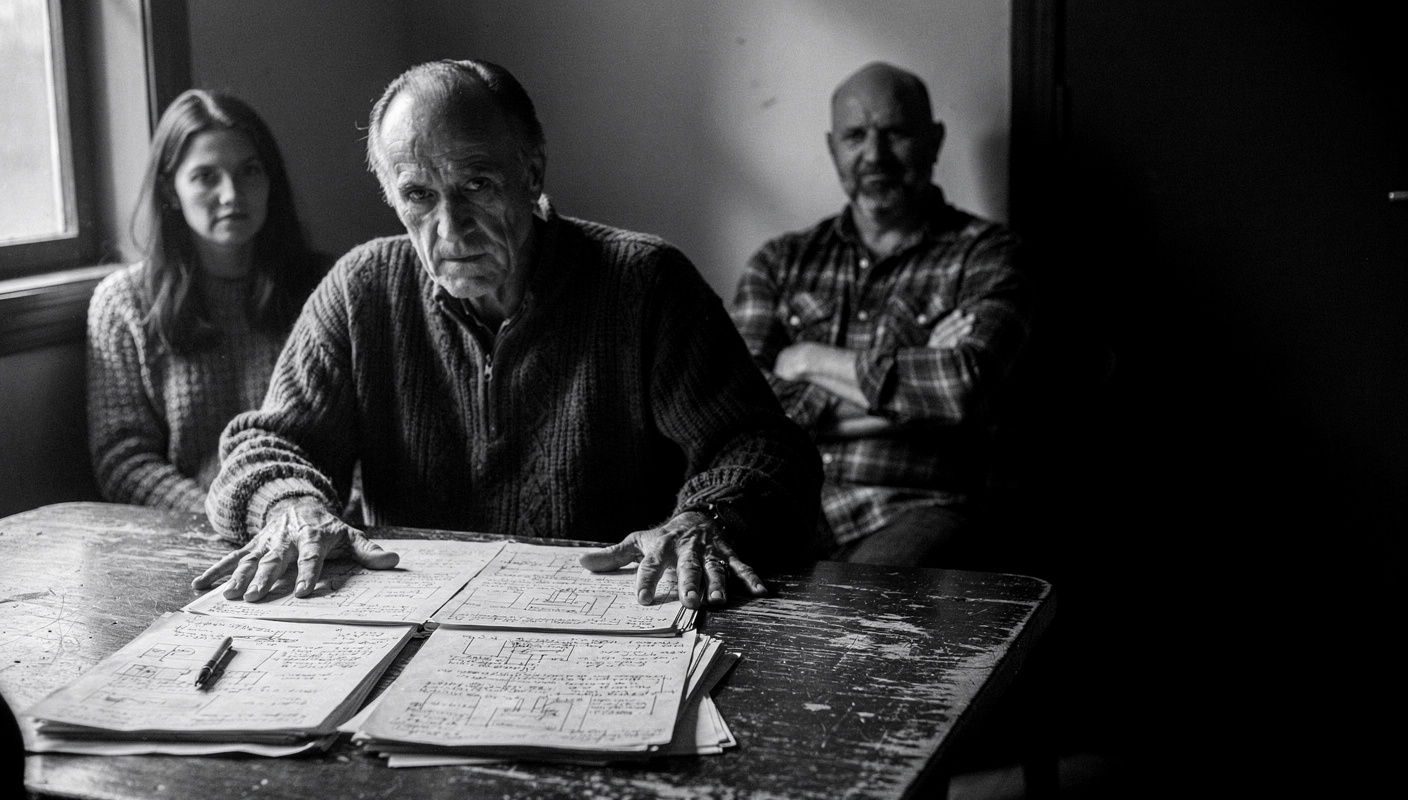
Estate dispute mediation is one of the hardest rooms you will ever sit in. Grief, money, and decades of family history arrive together, and the person at the centre of it all is gone.
- Separate the emotional grievances from the legal positions before the session begins.
- Acknowledge the loss explicitly. If you skip this, the room will find a way to demand it.
- Give the process a clear structure. People in grief need a container they can trust.
Estate dispute mediation is a structured, neutral process in which a mediator helps beneficiaries, executors, and family members resolve conflicts over a deceased person's estate. It addresses both the legal distribution of assets and the emotional grievances that so often drive the real disagreement.
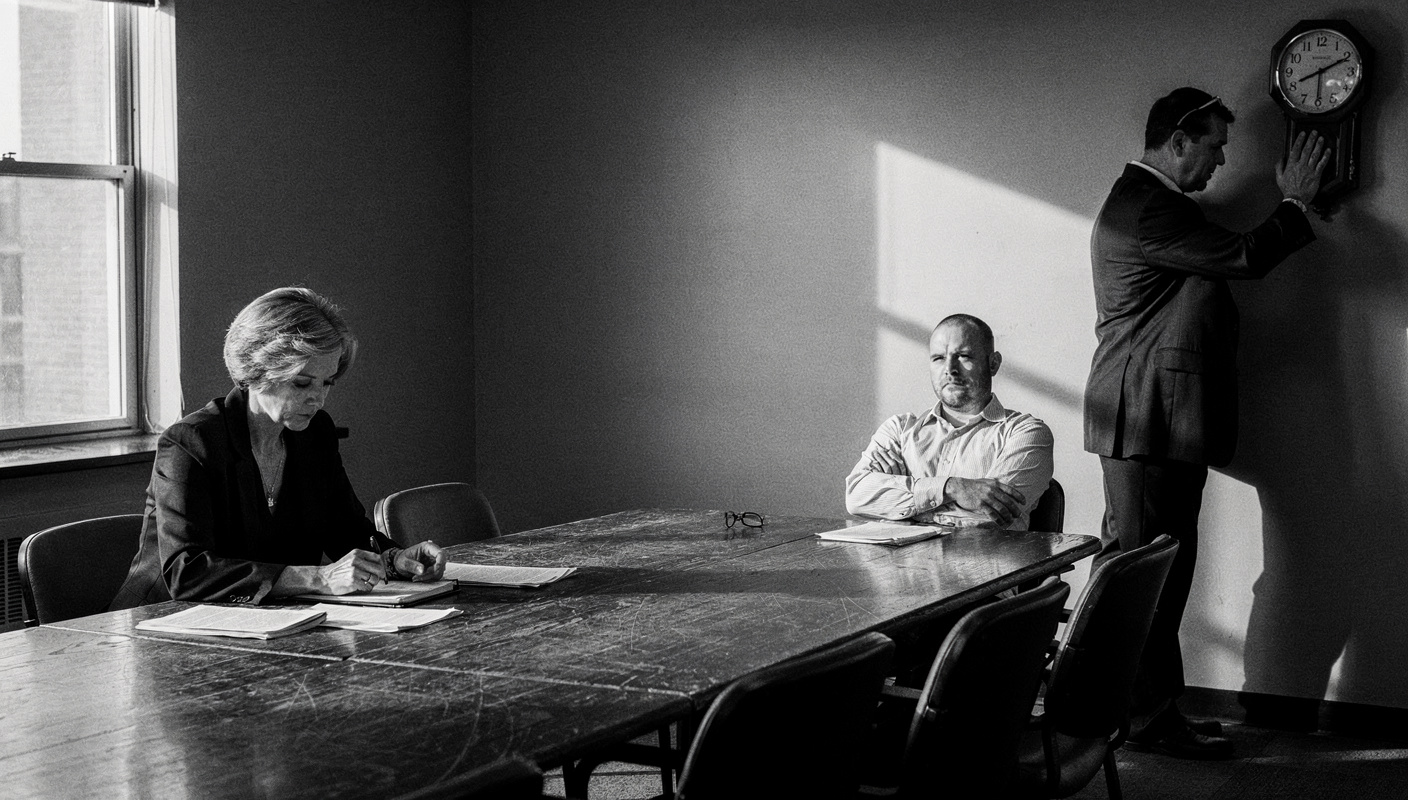
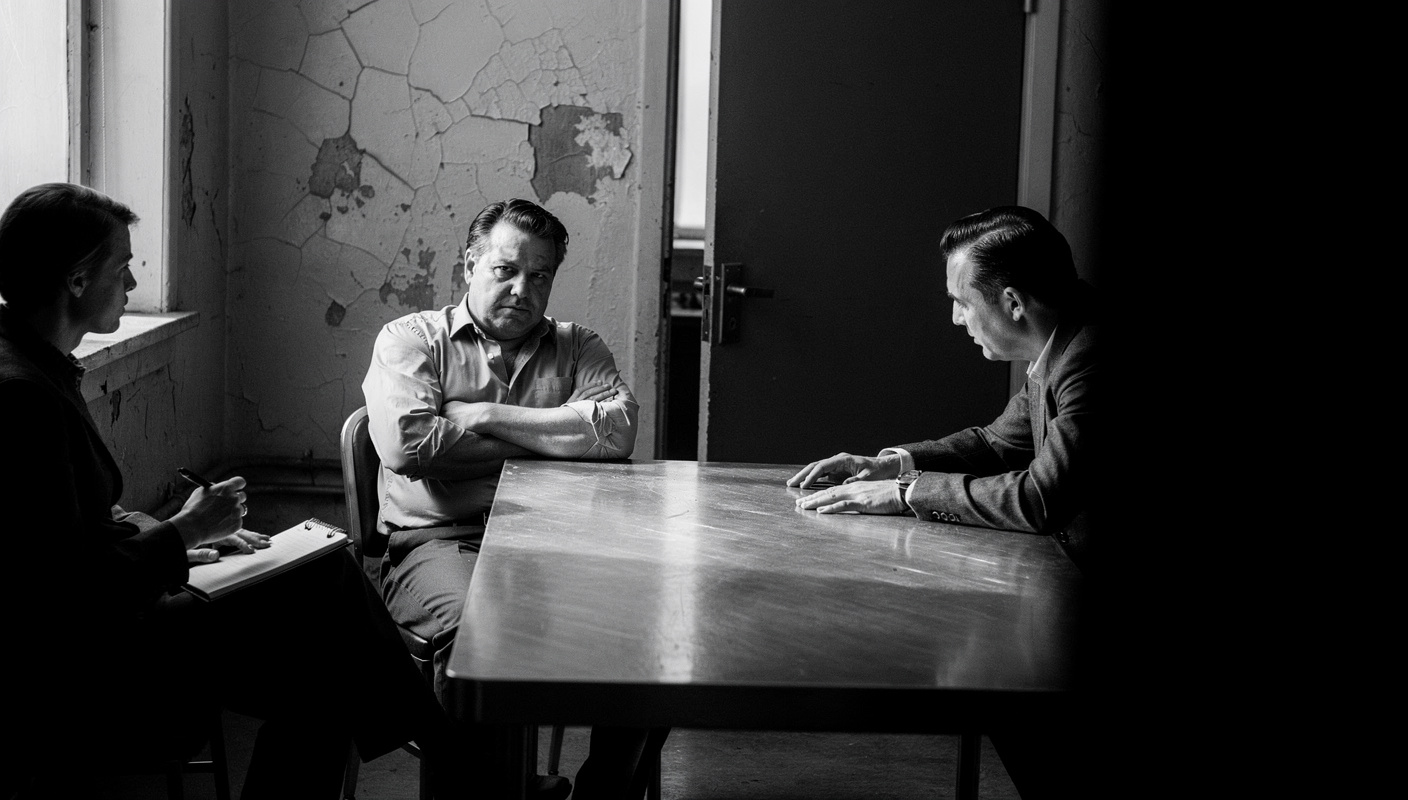
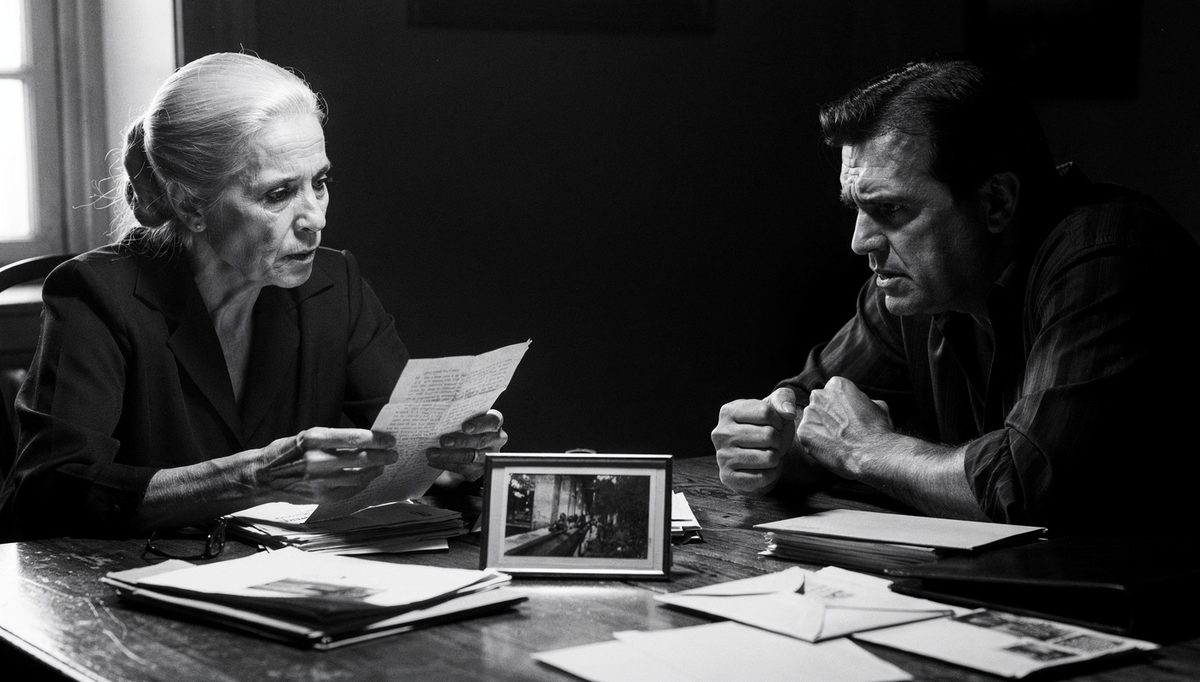
Three siblings walked into a session I facilitated years ago. The eldest had been named sole executor. The younger two believed that was a final act of favouritism, not a practical decision. The estate dispute mediation was technically about the contents of a house and a modest savings account. But within ten minutes, the argument had shifted to who their mother had loved most. The legal matter was almost secondary. That room held forty years of unresolved history, and only one of the people involved in creating it was still alive to be addressed.
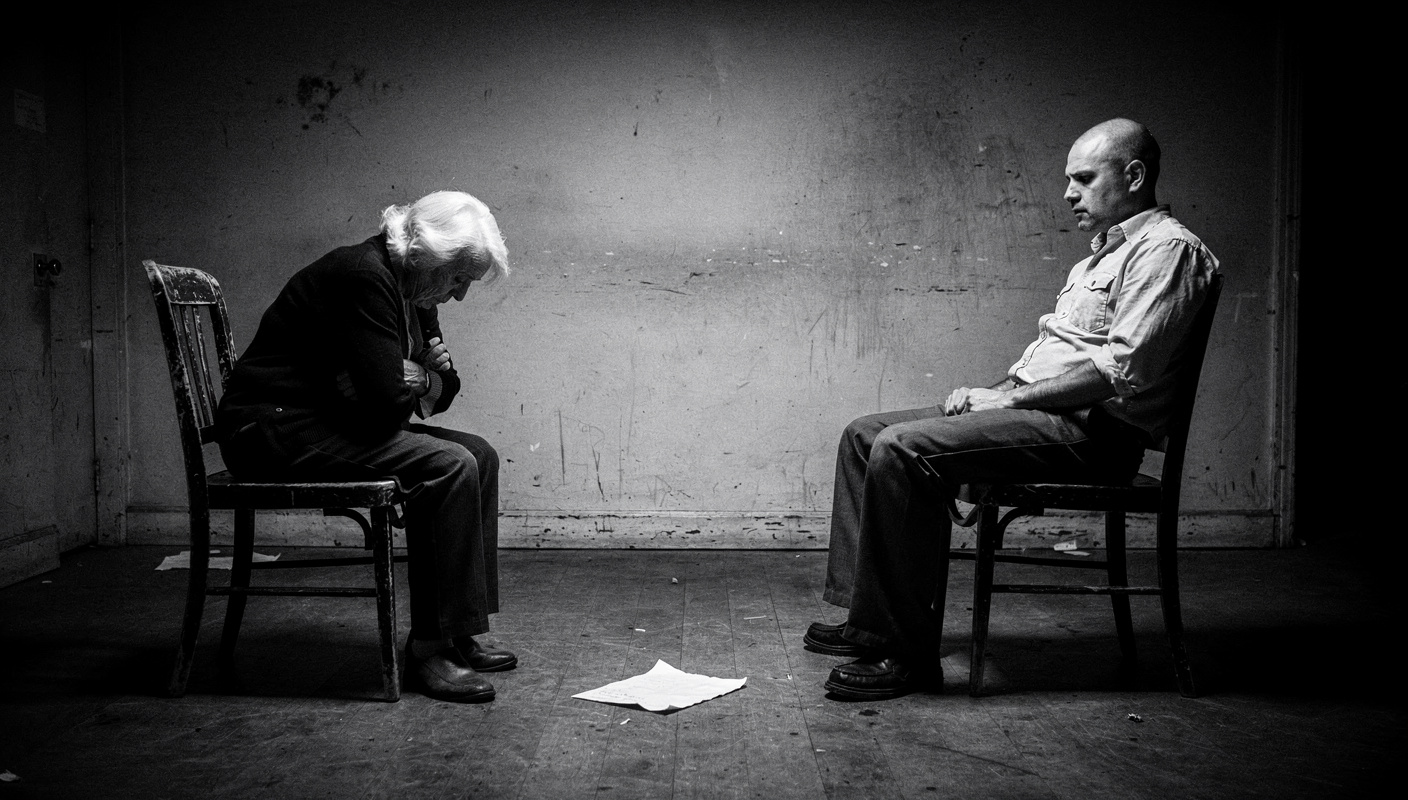
This is what makes estate and inheritance conflict genuinely different from other disputes. The person who made the decisions cannot be questioned, cannot apologise, and cannot clarify. The mediator must hold that absence steady in the room.
This guide will give you a working process for managing these sessions. Not theory. A method you can apply the next time grief and money arrive in the same chair.
Why Estate and Inheritance Disputes Resist Standard Mediation Approaches
Most conflict resolution work deals with living parties who made living choices. You can ask them to explain themselves. You can invite them to reconsider. In an estate dispute, the central figure is absent, and everything attributed to them is filtered through loss, memory, and the biases each party brings.
This changes the dynamics in three specific ways. First, parties often conflate the legal question with an emotional one. They are not just arguing about who gets the house. They are arguing about who mattered more to someone they can no longer reach. Second, existing family hierarchies, alliances, and old wounds surface quickly, because death removes the social pressure that normally keeps them submerged. Third, people in grief have a reduced capacity for the kind of rational, interest-based negotiation that mediation usually depends on.
If you walk into one of these sessions using a standard workplace conflict framework, you will lose the room inside of twenty minutes. The process has to be grief-informed from the start.
"The Conversation You're Avoiding Is the One You Need to Have."
"The Conversation You're Avoiding
Is the One You Need to Have."
Stop rehearsing conversations you'll never have. Say It Right Every Time gives you 115 word-for-word scripts and 16 proven frameworks to speak with confidence in every conversation that matters.
What You Must Have in Place Before Anyone Sits Down
Pre-session preparation is not optional in estate dispute mediation. It is the foundation the whole session rests on.
Conduct individual pre-session calls with every party. In these calls, you are doing three things. You are learning who the deceased was to each person, which tells you what is emotionally at stake. You are clarifying what each party believes they are owed and why, which tells you where the legal positions sit. And you are listening for alliances: who is aligned with whom, who feels excluded, and whether any party has been shut out of information about the estate.
Gather the factual documents in advance. A copy of the will, any codicils, a summary of the estate's assets and debts. You do not need to be a legal expert. But you need to know what the document actually says, so that when someone claims "that is not what was intended," you can ground the conversation in what the written record shows.
Set ground rules in writing before the session. Distribute them before anyone arrives. Include: one person speaks at a time, no interruptions, the mediator may pause the session if the temperature rises beyond productive engagement, and anything discussed in the session remains confidential unless all parties agree otherwise. People in grief are more likely to honour boundaries they have already agreed to in writing.
If you cannot secure individual pre-sessions with each party, reschedule the joint session. Going in blind to one of these rooms is a serious risk to the process and to the people in it.
The Session Process: Seven Steps for Managing Grief and Legal Conflict Together
Step 1: Open with the Loss, Not the Dispute
Begin every estate mediation session by naming the loss explicitly. This is not a soft gesture. It is a practical necessity. If you skip it, the room will find a way to demand acknowledgement anyway, usually at the worst possible moment.
Say something direct: "Before we talk about the estate, I want to acknowledge that everyone in this room has lost someone. That loss is real, and it does not disappear because we are here to discuss practical matters. I want to name that plainly at the start."
This does two things. It gives the grief somewhere to go early, which reduces the chance it derails the legal discussion later. And it signals to every party that you see more than the dispute. That builds the trust the process needs.
Step 2: Establish the Structure and Your Role
Immediately after the opening, set out how the session will work. People in acute grief or heightened conflict find structure genuinely comforting. Tell them what will happen, in what order, and what your role is.
Be clear that you are not a judge and will not be making decisions. Your role is to help them communicate clearly and reach their own agreement. If they cannot reach one, they retain the right to pursue other avenues. Make that plain. It reduces the feeling of being trapped, which in turn reduces defensiveness.
Step 3: Hear Each Party Without Interruption
Give each person uninterrupted time to speak their position and their experience. Do not rush this. Do not try to summarise too quickly. Listen for two things simultaneously: the stated legal position, and the underlying emotional need.
When a party says, "I was promised that piece of furniture and now it has been sold," the legal position is about the asset. The emotional need is often about evidence that the deceased thought of them, remembered them, or kept their word. Those are different conversations, and you will need to address both.
For this step, I use a light structure: each party speaks to three questions in turn. What did you hope would happen? What do you believe has gone wrong? What matters most to you going forward? Write a note of each answer as they speak. This gives you the map for everything that follows.
Step 4: Separate the Emotional Grievances from the Legal Positions
This is the most technically demanding step in estate dispute mediation, and it is where sessions most often lose their footing. You must help each party distinguish between what they feel they are owed emotionally and what they are claiming legally. These are not the same thing, and treating them as one creates an impasse.
A useful framing is this: "I am hearing two things from you. One is a question of what the estate documents say and how they apply. The other is a feeling that a promise was made to you, or that something important was not honoured. Both of those things matter here. But we will be clearer and move faster if we look at them separately."
Write the distinction visibly if you are working in a shared space. "Legal positions" on one side. "Living grievances" on the other. This physical separation helps parties see that both are real and both will receive attention.
Step 5: Use a Caucus When the Joint Session Stalls
A caucus is a private, individual meeting you hold with one party while the others wait. It is one of the most powerful tools in your mediation skills repertoire, and in estate disputes, you will likely need it more than once.
Use it when: someone is emotionally flooded and cannot engage productively in the joint session; when a power imbalance is suppressing honest dialogue; or when someone has something to say that they cannot say in front of the full group.
In the caucus, your job is not to take sides. It is to help the person organise their thoughts and identify what they genuinely need. A useful question: "If you could leave this session with one thing resolved, what would it be?" The answer often clarifies what seemed like an intractable position.
When you return to the joint session, you do not share what was said in confidence. You do bring back a clearer picture of what each party is actually seeking. Learning how to resolve interpersonal tension through empathy is essential groundwork for running an effective caucus, because the private conversation requires deep listening and precise reflection.
Step 6: Apply Reality Testing to Entrenched Positions
Every estate dispute contains at least one position that cannot be satisfied within the legal reality of the estate. Someone may believe they were promised something that the will does not reflect. Someone may insist the will was signed under coercion. Reality testing is how you help them see what is actually possible, without dismissing their concern.
This is not confrontation. It is honest engagement. You might say: "Help me understand what outcome you are hoping for. What would need to be true for that to happen? And if this goes to court, what would that process cost, how long would it take, and what could each party lose?" You are not threatening them. You are giving them real information so they can make a real decision.
Be direct. Be kind. Do not soften the truth so much that it loses its shape. The parties deserve to understand their actual options, not a comfortable version of them.
Step 7: Build the Agreement from the Ground Up
When parties begin to move toward resolution, resist the urge to rush them across the finish line. Agreements reached too quickly in grief-laden disputes often collapse within days, because the emotional weight was not fully carried.
Build the agreement item by item. Start with the points of least contention. Bank each agreement explicitly: "So we have agreed that X will happen. Is everyone clear on that?" This creates momentum and demonstrates that progress is possible, which matters enormously in rooms where people arrived believing nothing could be resolved.
When you reach the more contested items, return to the interests you identified earlier rather than the positions. If the legal question is about a shared property, but the underlying interest is about fairness and recognition, the agreement needs to address both. A purely legal resolution that ignores the emotional dimension will feel hollow and may not hold.
When You Are Managing Remote Parties Across Distance
Estate disputes increasingly involve family members spread across different cities or countries. One sibling may attend in person. Another joins by video. A third sends a solicitor's letter because they will not be in the same room as their brother.
Remote participants are at a structural disadvantage in joint sessions. They cannot read the full body language of the room. They can be talked over. They often feel like observers rather than participants. You have to compensate for this actively.
Assign the remote participant a protected speaking slot at the start of each agenda item. Check in with them explicitly before moving to the next point. If you are using a physical whiteboard to separate legal positions from living grievances, replicate it digitally and share your screen.
For fully remote sessions, consider running the joint session in two shorter blocks rather than one long one. Emotional endurance drops faster on screen, and grief-laden conversations are already exhausting. Shorter sessions with a break in between produce clearer thinking and better outcomes. You can also apply de-escalation techniques from how to de-escalate arguments during meetings to maintain the session's structure when the virtual setting reduces your normal physical cues for intervention.
Where Mediators Go Wrong in These Sessions
Treating it as a purely legal negotiation. Why it happens: Mediators trained in commercial or workplace disputes default to interest-based negotiation and skip the grief layer entirely. What to do instead: Build the emotional acknowledgement into the session structure from the start. It is not a detour from the work. It is part of the work.
Moving too fast toward settlement. Why it happens: The mediator wants to resolve the tension and mistakes silence or compliance for readiness. What to do instead: Check each agreement aloud, allow time for reflection, and watch for signs that someone has disengaged rather than agreed. Learning how to ensure every participant gets heard will sharpen your ability to notice who has gone quiet and why.
Taking sides without realising it. Why it happens: One party's account is more articulate, more distressing, or more sympathetic, and the mediator's body language and questions begin to reflect that. What to do instead: After each caucus or private call, ask yourself: "Have I given equal time, equal questions, and equal weight to each party?" Impartiality is not a position you adopt at the start. It is something you actively maintain throughout.
Allowing dominant voices to control the room. Why it happens: In family systems, hierarchies are well-established. The eldest sibling, or the one with the most knowledge of the estate's finances, can crowd out others without intending to. Strategies for how to deal with dominant voices in a discussion apply directly here. What to do instead: Use structured speaking turns rigorously. Name the dynamic calmly if it persists: "I want to make sure we hear from everyone before we move forward."
Your Pre-Session and In-Session Checklist
Use this before and during every estate dispute mediation session.
Before the session:
- Complete a private call with each party. Note their stated position and their emotional concern separately.
- Review all relevant estate documents before anyone arrives.
- Send ground rules in writing at least 24 hours in advance.
- Identify any power imbalances or existing alliances from the pre-sessions.
- Prepare a simple two-column framework: Legal Positions and Living Grievances.
During the session:
- Open with explicit acknowledgement of the loss.
- State your role and the session structure before the discussion begins.
- Give each party uninterrupted time using the three-question structure.
- Use the two-column framework visibly to separate emotional and legal content.
- Call a caucus at the first sign of emotional flooding or entrenched impasse.
- Apply reality testing before finalising any position.
- Bank each agreement explicitly before moving to the next item.
After the session:
- Circulate a written summary of all agreements reached within 24 hours.
- Confirm next steps, including any follow-up sessions or actions each party has agreed to take.
- Note what remained unresolved and flag it for a follow-up session if required.
Connecting this process to a wider framework for staying grounded in difficult conversations is worth your time. How to use the C.O.R.E. Framework to stay grounded during a tense workplace conversation and how to use the D.E.A.L. Method to resolve workplace tension before it escalates both offer tools that transfer directly into this context.
Carrying the Session Forward When Agreement Is Partial
Not every estate dispute resolves in one session. That is not a failure. A partial agreement that holds is worth far more than a complete agreement that collapses under the weight of unprocessed grief three weeks later.
If you end a session without full resolution, be explicit about what was achieved. "Today, we agreed on X and Y. We have not yet resolved Z. Here is what the next step looks like." This keeps the process alive without leaving parties feeling the day was wasted. Revisiting how to handle conflict during meetings can help you build the skills to contain disputes that extend across multiple sessions without losing momentum.
Some living grievances will not resolve within the scope of the mediation. Someone's need for an apology from a sibling, or for acknowledgement of a wound decades old, may require a different kind of support than a mediation session can provide. Name that honestly, and where appropriate, point people toward the right resource. Your job is to resolve what can be resolved, and to be clear-eyed about what cannot.
Frequently Asked Questions (FAQ)
What is estate dispute mediation?
Estate dispute mediation is a structured process where a neutral third party helps beneficiaries, executors, or family members resolve conflicts over a deceased person's estate. It addresses both the legal distribution of assets and the underlying emotional grievances that often drive the conflict.
How do you separate grief from legal claims in estate dispute mediation?
You separate grief from legal claims by naming both openly early in the session. Acknowledge the loss first, then create a clear framework that distinguishes emotional needs from property or financial positions. This keeps the session from collapsing into a general argument about the past.
What makes estate dispute mediation harder than other types of mediation?
The deceased cannot speak, clarify their wishes, or be held accountable. This leaves parties projecting their grief, guilt, and long-standing resentments onto each other and onto the estate itself, making it harder to distinguish a legal position from a personal wound.
When should a mediator use a caucus in estate dispute mediation?
Use a caucus when one party is emotionally flooded, when a power imbalance is preventing honest dialogue, or when a private conversation would allow someone to say what they cannot say in front of the group. It is a tool for creating the conditions honest negotiation requires.
How do you handle a party who refuses to accept the legal reality of a will?
Use reality testing, gently and directly. Ask what outcome they are seeking and what would need to be true for that outcome to happen. Walk them through what a court process would cost, take, and risk. This is not a threat. It is honest information that helps them make a clear decision.
What should a mediator do before an estate dispute session begins?
Conduct separate pre-session calls with each party. Learn who the deceased was to each person, what each party believes they are owed, and whether any alliances or exclusions exist in the group. This preparation is the difference between a session that moves and one that stalls in the first twenty minutes.
Estate dispute mediation asks more of you than almost any other process in conflict resolution. The room carries loss alongside argument, and the person whose choices started everything is not there to answer for them. What I know from decades of sitting in these rooms is this: the mediator who earns trust earns it by being present to both the grief and the claim, without flinching at either. Apply the steps here with patience, with respect for everyone's loss, and with the courage to name hard truths when the moment calls for it. That is what good estate dispute mediation actually requires.