
In Short
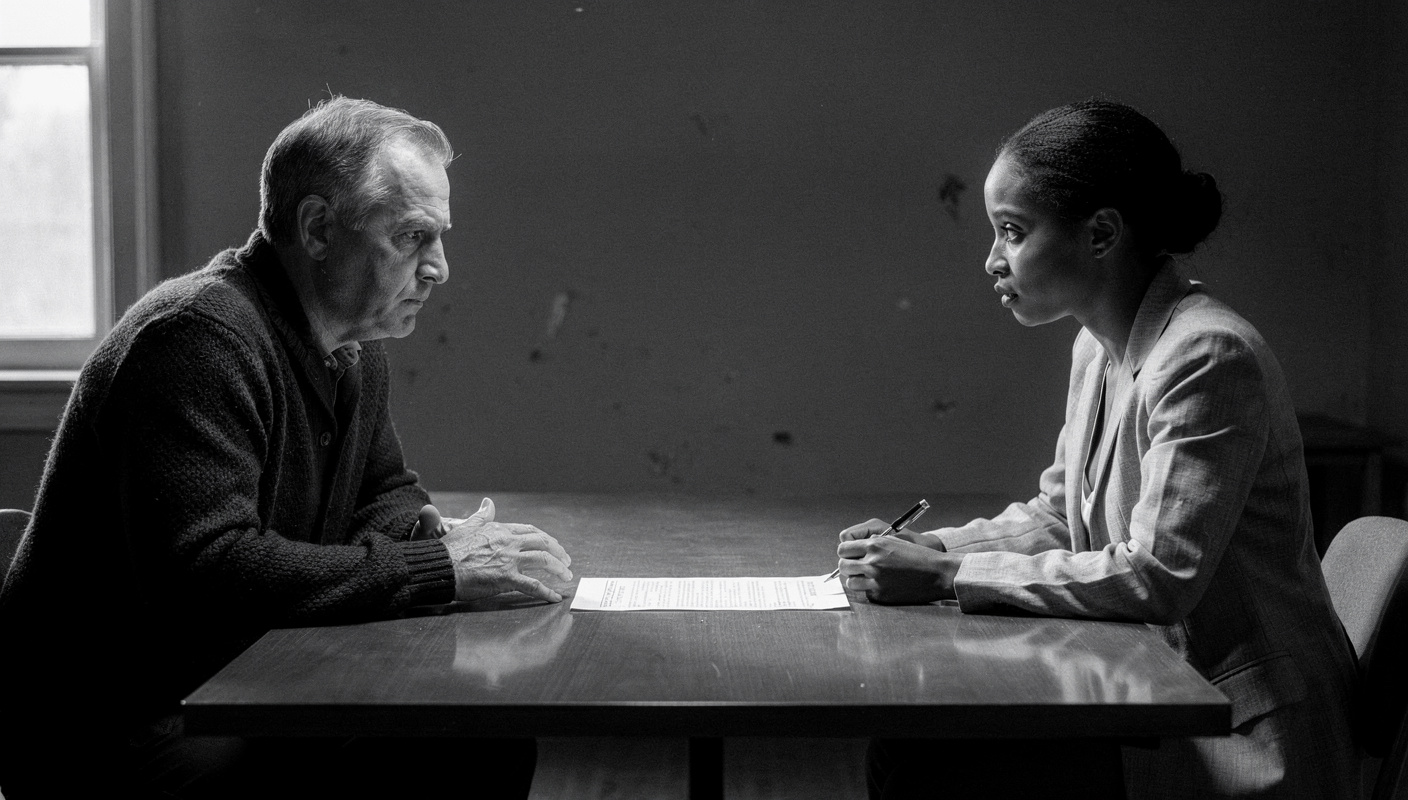
Silence after an anchor does not just prevent you from talking too much. It forces the other party to process your number fully, sit with the discomfort of the gap, and respond without any help from you closing it. The pause is not empty space; it is active pressure.
- Silence stops you from undermining your own anchor with nervous explanation.
- It forces the other party's thinking to adjust toward your number, not away from it.
- Holding that quiet signals confidence, and confidence shifts power.
Silence after anchor refers to the deliberate pause a negotiator holds immediately after stating their opening position. It prevents self-sabotage through nervous clarification, allows the anchor to take psychological hold, and signals that the negotiator trusts their number completely.
When most people learn about anchoring in negotiation, they focus almost entirely on the number. How high should it be? How do you justify it? What if the other person laughs? These are reasonable questions, but they are all aimed at the wrong moment. The real test of an anchor is not the second you say it. It is the ten, twenty, or thirty seconds of silence that follow. Silence after an anchor is where the psychological pressure either builds or collapses, and almost nobody teaches that part. I have watched skilled negotiators plant a strong opening number and then immediately dismantle it by rushing to fill the quiet. The anchor lands, and then they talk it away before it ever takes hold.
What Most Negotiators Get Right, and Get Wrong, About Anchoring
The basic logic of anchoring is widely understood. You state a number first, and that number pulls the final outcome toward itself. It works because the human mind latches onto the first figure it encounters and uses it as a reference point for everything that follows. If you open a salary conversation at ninety thousand and the employer was thinking seventy-five, the eventual settlement will likely land higher than it would have without your anchor. That much most negotiators grasp.
What they miss is that the anchor's power is not fixed the moment it leaves your mouth. It is fragile. It can be strengthened or weakened in the seconds immediately after you state it. Specifically, it is weakened the moment you start explaining, qualifying, or softening it. "I was thinking ninety, but obviously that depends on the package," or "Ninety is my number, though I know that might seem high" are not helpful additions. They are escape routes you are building for the other party before they have even asked for one.
"The Conversation You're Avoiding Is the One You Need to Have."
"The Conversation You're Avoiding
Is the One You Need to Have."
Stop rehearsing conversations you'll never have. Say It Right Every Time gives you 115 word-for-word scripts and 16 proven frameworks to speak with confidence in every conversation that matters.
The Psychology Working in Your Favour When You Stay Quiet
Here is what actually happens when you state an anchor and then go silent. The other party cannot skip over it. They cannot file it away as irrelevant. The number is now sitting between you, and the silence insists they deal with it. Their mind begins calculating: How far is this from what I was planning? What does this tell me about what they know or expect? What should I say? That internal recalibration is the anchor doing its work.
The cognitive process behind this is sometimes called adjustment bias. People begin from an anchor and adjust, but they almost never adjust far enough. Their final position tends to stay closer to the anchor than pure logic would suggest it should. When you stay silent, you are not giving them any new information to fuel a larger adjustment away from your number. You are letting the anchor sit there as the dominant reference point in the room.
There is another force at play here too, one rooted in how people experience discomfort. Silence in a high-stakes conversation feels enormous. Most people will do almost anything to end it. If you stay quiet, the pressure to speak falls entirely on the other party, and that pressure nudges them toward engaging with your anchor seriously rather than dismissing it and waiting you out.
Why Talking After an Anchor Is So Tempting, and So Costly
I will be honest with you about something. The urge to fill silence after dropping a bold number is almost overwhelming. I have felt it myself, more times than I care to count. You name a figure that stretches the conversation, and then the quiet that follows feels enormous. Your instinct screams that you need to soften it, contextualise it, make it seem reasonable. That instinct is almost always wrong.
When you speak too soon after an anchor, several things happen at once. You signal anxiety, which tells the other party that you are not fully committed to your number. You introduce caveats that give them permission to treat the anchor as provisional. And you close off the space where their discomfort could have been doing the work for you. Advanced feedback techniques often address the same pattern: the person who holds the harder message longest tends to have more influence over where the conversation lands.
The cost of talking too soon is not just strategic. It also shapes how you are perceived for the rest of the negotiation. If you retreat from your anchor within thirty seconds of stating it, you have signalled that your positions are movable at the first sign of pressure. Everything you say after that carries less weight.
What Silence Looks Like in Real Negotiations
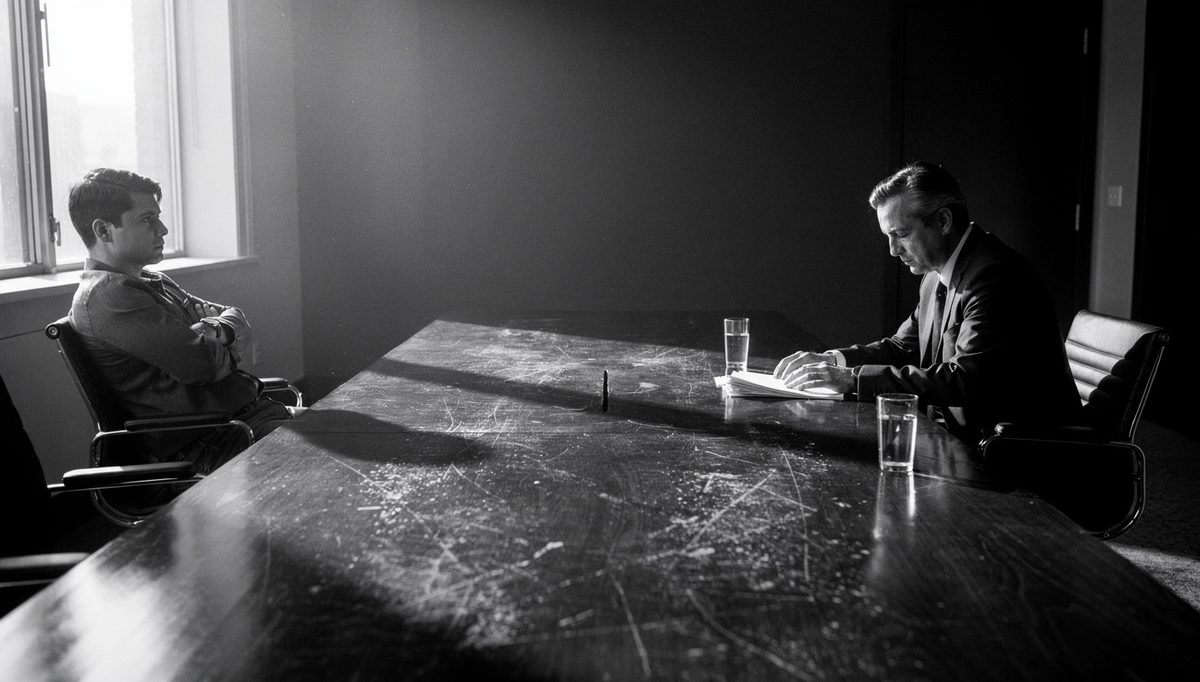
Picture a contractor sitting down with a potential client to discuss a project fee. The contractor names a number that is higher than their usual rate, grounded in the scope and the timeline. Then they stop. They look at the client, relaxed and direct. The client pauses, glances at their notes, shifts in their seat. The contractor does not rescue them. After perhaps twenty seconds, the client says, "That is more than we budgeted." The contractor says, "I understand. What were you thinking?" Now there is an actual negotiation.
If the contractor had spoken in that twenty-second gap, either to justify the fee or to hint that there was room to move, the client's first response would have been to the caveat, not to the number. The anchor would have already begun to dissolve. The ability to stay grounded in uncomfortable silence is exactly what the C.O.R.E. framework helps build in high-stakes conversations.
Now consider a different scenario: two colleagues negotiating over resource allocation for a shared project. One proposes taking a much larger share of the team's available hours than the other was expecting. They say their number and wait. The second person wants to push back immediately, but the stillness of the first person gives their proposal a gravity it might not have earned through argument alone. The pause communicates that this is not a trial balloon. It is a considered position.
The Signals Silence Sends That Words Cannot
There is something silence communicates that no sentence can replicate: certainty. When you state a position and then go quiet, you are telling the other party that your number does not need defending. You are comfortable with it. You are not worried about their reaction. That composure alone changes the dynamic. It is the same principle at work when you read about how the Empathy Bridge technique manages tension before a difficult conversation begins: the person who is calm before pressure hits carries more authority into what follows.
Silence also prevents a common trap: over-explanation. When you explain your anchor at length, you are implicitly arguing for it. And when you argue for a number, you invite the other party to argue against it. You have now shifted from a negotiation about positions to a debate about justification. That is a much harder game to win. The anchor works best when it is stated as fact and then allowed to stand.
This is not about being cold or aggressive. It is about respecting the weight of what you have said. You prepared that number. You believe it is right. Let that belief show in your stillness, not your words.
Preparing to Hold the Quiet Before You Walk In
The ability to sit in silence after an anchor does not come naturally to most people. It has to be prepared and practiced. When I say practiced, I mean specifically rehearsed: say your number out loud, then stop and count to thirty. Notice the discomfort. Learn where your body wants to rush. That awareness is your first tool.
Before any significant negotiation, know your anchor precisely and know why it is grounded. Vague numbers invite vague confidence. A number you have thought through clearly is easier to stand behind quietly. This preparation also connects directly to how you use tone, framing, and delivery in high-stakes professional messaging: when the rationale behind a position is clear in your own mind, it shows in how you carry it.
Have a plan for what you will say when they do respond. If they counter low, decide in advance how you will engage without panic. If they go quiet themselves, decide how long you will wait before speaking. The framework you build before entering the room determines whether you can hold your ground inside it.
When tension flares after an anchor, it helps to know in advance how you will stay composed. The same grounding principles that apply to staying calm when feedback triggers a defensive reaction apply here: your physical stillness signals to both parties that you are not rattled. Consider too how the D.E.A.L. method approaches impasse between two resistant parties: a clear, pre-thought position held calmly is far more durable than one defended loudly.
When the Other Party Tries to Break Your Silence for You
Sometimes, the other side will try to fill the silence on your behalf. They will suggest that you are probably flexible, or that they assumed the number was a starting point. Do not confirm or deny immediately. A simple "I am happy to hear your thoughts" returns the pressure to them without conceding anything.
If they offer a counter that is very far from your anchor, resist the urge to split the difference quickly. That reflex rewards them for moving far. Instead, stay composed, acknowledge their number clearly, and move incrementally. The same patience that held your anchor in the first place should guide your concessions. When real breakdowns occur and positions harden into something that feels irrecoverable, the repair strategies in the B.R.I.D.G.E. method are worth knowing before you sit down at the table.
The Stillness That Does the Negotiating
This much I know for certain: in a negotiation, the person most comfortable with silence holds more power than the person with the louder argument. An anchor is a starting point, not a conclusion. But it shapes every step that follows, and that shaping power lives entirely in the pause you hold after you state it.
The number matters. The rationale behind it matters. But silence after an anchor is what separates an opening position from a genuine claim on the outcome. Practice holding that quiet. Earn the confidence to let it stretch. Your anchor will do the rest.
Frequently Asked Questions (FAQ)
What is silence after anchor in negotiation?
Silence after an anchor is the deliberate pause a negotiator holds after stating their opening position. It prevents the anchor from being softened by nervous clarification, forces the other party to process the number fully, and signals confidence in the position just stated.
Why does silence strengthen an anchor in negotiation?
Silence strengthens an anchor because it prevents you from undermining your own position. When you stay quiet after stating your number, the other party must sit with it, adjust their own thinking toward it, and respond without any help from you softening the gap.
How long should you stay silent after placing an anchor?
Stay silent until the other party responds. There is no fixed duration, but most people break within thirty seconds. Your job is to wait them out. Discomfort with silence is natural, but filling it too soon signals anxiety and invites them to treat your anchor as negotiable.
What happens psychologically when silence follows an anchor?
The other party cannot ignore or quickly dismiss a number that hangs in the air. Silence forces them to process the anchor as a reference point, calculate the distance from their own position, and feel the weight of responding. This internal pressure works in your favour.
What should you avoid saying after placing an anchor?
Avoid explaining, justifying, or softening your anchor immediately after stating it. Phrases like "that is just a starting point" or "I know that seems high" signal weakness and give the other party permission to disregard the number before the silence has done its work.
How does silence after an anchor relate to negotiation confidence?
Holding silence after an anchor is one of the clearest signals of confidence in a negotiation. It shows you trust your number, you are not afraid of the other party's reaction, and you do not need to manage their feelings. That composure shifts the power dynamic in your favour.