
In Short
Anchoring in negotiations means setting the first number, term, or reference point in a deal, which then pulls both sides toward it. In remote settings, you lose the physical cues that reinforce an anchor, so preparation and framing matter even more.
- Whoever speaks first sets the range within which everything else is measured.
- Remote negotiations demand stronger pre-meeting framing to compensate for lost presence.
- You can counter an anchor, but only if you recognise it and respond with your own reference point.
Anchoring in negotiations is the deliberate act of introducing the first number, price, or term in a discussion. That opening figure becomes a psychological reference point that shapes how both parties assess what is reasonable, fair, and worth accepting throughout the negotiation.
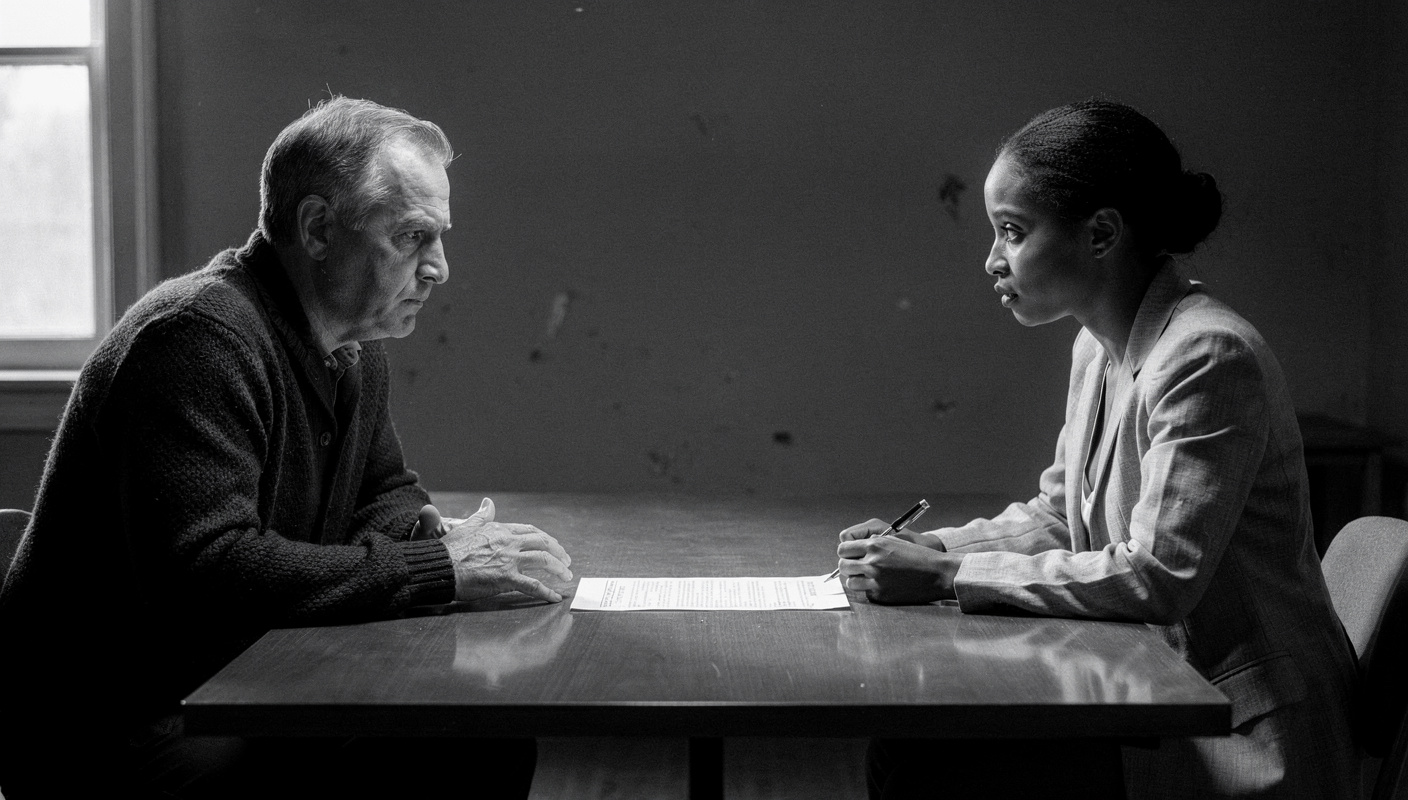
You are twenty minutes into a video call, discussing a contract renewal. The other side opens with a number. It is lower than you expected. You feel the pull immediately, a quiet pressure to start from their figure rather than your own. That pull is the anchor working. It was set before you had a chance to think, and now every move you make is measured against their opening, not yours.
This is how anchoring in negotiations operates. It does not require aggression or deception. It simply requires going first, and going first with a number you have prepared. In a remote setting, where you cannot read a room or use silence and physical presence to land the moment, that preparation matters even more.
What Anchoring Actually Does in a Negotiation
The anchor is not just the first number. It is the frame around what feels possible. When someone names a figure early in a discussion, that figure becomes the reference point the human brain uses to evaluate everything that follows. We do not calculate value from zero. We calculate it from the nearest available comparison.
Think of it this way. A consultant walks into a remote meeting and opens with a project fee of ninety thousand pounds. The client may push back, negotiate down, and eventually agree on seventy-two thousand. But they arrived at that number by moving from ninety, not from zero. The anchor shaped the destination, even though it did not hold.
The person who sets the anchor controls the range. The final agreement will almost always land somewhere between the two opening positions. So if your opening position is weak or absent, the other side's number becomes the ceiling and the floor at once.
"The Conversation You're Avoiding Is the One You Need to Have."
"The Conversation You're Avoiding
Is the One You Need to Have."
Stop rehearsing conversations you'll never have. Say It Right Every Time gives you 115 word-for-word scripts and 16 proven frameworks to speak with confidence in every conversation that matters.
Why the Screen Changes How You Set the Anchor
Face to face, an anchor lands with body language behind it. You can lean forward, hold eye contact, let the silence sit. The other person absorbs not just the number but your confidence in it. That physical reinforcement is real. It is part of how the anchor sticks.
Remote negotiations strip that away. You are a face in a rectangle, possibly on mute, possibly competing with a poor connection and a cluttered background. The anchor still works, but the delivery system is weaker. This means preparation carries more weight than it ever did in a room.
Two things compensate for lost presence in online settings. The first is pre-meeting material: a brief, clearly framed document or agenda sent before the call that names your opening position and the reasoning behind it. The second is deliberate pacing on the call itself. State your anchor clearly, pause, and do not fill the silence with backpedalling. Confidence in a remote setting is expressed through stillness, not volume. The communication challenges faced by distributed teams are real, and managing how your message lands across a screen is a skill you have to practice.
Where Anchoring Goes Wrong
Three mistakes come up again and again. Each one costs people more than they realise.
The mistake: Waiting to see what the other side offers before naming a number.
Why it happens: It feels cautious, even strategic. People think they are gathering information.
What to do instead: You are handing them the anchor. Name your number first, prepared and reasoned. Waiting is not neutral. It is surrender.
The mistake: Setting an anchor and then immediately softening it.
Why it happens: Anxiety. People worry the number sounds too high, so they add qualifiers: "I mean, that is just a starting point," or "we could be flexible on that."
What to do instead: State your anchor. Pause. Let it sit. Apologising for your own opening number signals that you do not believe in it, and the other side will feel that immediately.
The mistake: Accepting the other side's anchor as the baseline and negotiating from there.
Why it happens: Once a number is spoken, it feels like a fact. Moving away from it requires effort and confidence.
What to do instead: Acknowledge the number without accepting it. Introduce your own. Say clearly, "That is one reference point. Here is how we value this." Then name your figure. Never allow their anchor to become the only frame in the room. The same principle applies whether you are managing workplace tension or navigating a high-stakes contract call.
How a Prepared Anchor Looks in Practice
Let me give you a real picture of this working well.
A project manager is renegotiating a vendor contract over a video call. She has done her preparation. She knows her walk-away point, her ideal outcome, and the reasoning she will use to support her opening figure. Two minutes into the discussion, before the vendor mentions a number, she says: "We have reviewed our requirements for the coming year. Based on scope and volume, we are looking at a revised contract value of forty-eight thousand. I want to walk you through the reasoning behind that." She shares her screen briefly, showing three clear supporting points. Then she stops talking.
The vendor had planned to open at sixty-two thousand. They did not. They responded to her anchor, moved toward her range, and the final agreement landed at fifty-one thousand. She paid three thousand more than she hoped. She paid eleven thousand less than they planned to ask.
That is what preparation does. It does not guarantee your number. It shifts the centre of gravity toward you. Understanding your own communication style under pressure, including how you carry authority across a screen, is part of the work. The C.O.R.E. Framework for speaking with clarity and authority is worth your time if that is an area you want to strengthen.
The Counter-Anchor: Your Defence and Your Tool
You will not always go first. When the other side drops their anchor before you have a chance to set yours, you need a clear method for responding. Do not panic. Do not accept their number as the starting point.
The counter-anchor is your own opening position, stated with equal confidence and reasoning. Acknowledge what they said, then redirect. "I hear you. We have looked at this differently. From where we stand, the right range starts at X." Then stop. You have now placed two anchors on the table. The negotiation begins from the space between them, not from their figure alone.
Remote settings make this harder because you cannot always read their reaction in real time. Latency, muted audio, and split-second delays mean you may not see the micro-expression that tells you the counter-anchor landed. Prepare for this by watching what happens after your pause. If they move quickly to a new position, you have shifted the frame. If they repeat their original number, be ready to hold your ground and explain your reasoning more fully. How diversity in backgrounds and communication styles affects that back-and-forth is worth understanding too, particularly in international deals. How diversity affects remote communication styles covers this directly.
Getting Your Team Aligned Before the Call
In team negotiations conducted remotely, alignment before the meeting is everything. If three people from your side join a call and they each have a different anchor in mind, the confusion will be visible. The other side will sense the gap and exploit it.
Before any multi-person remote negotiation, agree on a single opening number, one person who will state it, and the reasoning you will all support. This is not about scripting the entire conversation. It is about making sure the anchor lands with one voice and consistent backing. Team coherence in this moment carries as much weight as the number itself. If you want to think more broadly about how teams coordinate under pressure, building synergy in multidisciplinary teams offers practical ground to stand on, and what team synergy means in practice gives you the foundation underneath it.
It is also worth noting that cross-functional teams face particular challenges in these settings. When team members come from different functions with different priorities, getting everyone behind a single anchor takes deliberate preparation. Cross-functional team synergy examples shows what that looks like when it is done well.
Before Your Next Remote Negotiation
Here is the truth of it. The anchor decides the range. The range decides the outcome. And in a remote negotiation, where presence is limited and silence is harder to read, the side that arrives most prepared to set that anchor clearly and hold it confidently will almost always end up closer to their goal.
Before your next call, write down your anchor, the reasoning behind it, and the lowest point you will accept. Decide who will state the opening number and when. Prepare one sentence to counter theirs if they go first. Then practise saying your anchor aloud, once, clearly, with no apology at the end.
Anchoring in negotiations is not a trick you use on people. It is a skill you build through preparation and courage. Go first when you can. Go prepared when you cannot. The ground you claim at the start of a negotiation is the hardest ground to recover if you let someone else claim it.
Frequently Asked Questions (FAQ)
What is anchoring in negotiations?
Anchoring in negotiations is the practice of setting the first number or term in a discussion, which then acts as a reference point that pulls the final outcome toward it. Whoever sets the anchor first shapes the range within which both sides negotiate.
How does anchoring in online negotiations differ from face to face?
In remote negotiations, you lose the physical presence that reinforces an anchor. You must compensate with precise framing, pre-meeting documents, and deliberate pacing. The anchor itself works the same way, but the delivery requires more care and preparation when negotiating through a screen.
How do you set a strong anchor in a remote negotiation?
Prepare your opening number before the call, frame it with clear reasoning, and state it early and confidently. Send supporting material in advance if possible. A well-prepared anchor stated without hesitation carries more weight than one delivered with apology or uncertainty.
How do you defend against an anchor set by the other side?
Acknowledge the number without accepting it, then introduce your own reference point. Saying something like, that is one way to look at it, here is how we see the value, shifts the frame. Never negotiate from their anchor alone. Counter with your own number and reasoning.
Is anchoring in negotiations manipulative?
Anchoring is a natural feature of human judgment, not a trick. Every negotiation has a first number, and that number matters. Using it deliberately is preparation, not manipulation. The other side is free to counter-anchor. What makes it ethical is that you come prepared, not deceptive.
Can anchoring backfire in remote negotiations?
Yes. An anchor set too aggressively can signal bad faith and end a negotiation before it begins, particularly when you cannot read the other person's reaction in real time. Calibrate your anchor to be ambitious but credible, and always have reasoning ready to support it.