
In Short
Eye contact when lying and eye contact when nervous can look almost identical. The difference is in control: anxious gaze is restless and scattered because the nervous system is overwhelmed; deceptive gaze is managed and deliberate because the person is working hard to appear credible.
- Nervous eye contact breaks naturally because anxiety makes stillness difficult.
- Deceptive eye contact often holds too steadily, a sign of conscious effort rather than comfort.
- Neither signal means anything on its own. You need a baseline and a cluster of cues to read accurately.
Eye contact lying refers to the specific gaze patterns that emerge during deception: unusually sustained staring, deliberate control of blink rate, or a calculated steadiness designed to project credibility. It differs from nervous eye contact, which is scattered and involuntary, driven by anxiety rather than intent.
Why This Distinction Is Harder Than It Looks
A manager I worked with for many years made one of the most damaging personnel decisions of his career based on a single observation. One of his team members avoided his gaze during a meeting about a missing report. He called it dishonesty. He was wrong. The person was dealing with a family crisis they had not disclosed, and the avoidance was pure anxiety, not guilt. The accusation that followed fractured the working relationship for good.
Eye contact when lying is one of the most misread signals in human communication. Most people carry a simple assumption: liars look away, honest people meet your gaze. That assumption has cost countless working relationships their trust. The truth is far more complicated, and it is worth learning properly.
If you find yourself in tense conversations where accurate reading matters, the piece on nonverbal communication in tense situations gives useful grounding for everything that follows here.
"The Conversation You're Avoiding Is the One You Need to Have."
"The Conversation You're Avoiding
Is the One You Need to Have."
Stop rehearsing conversations you'll never have. Say It Right Every Time gives you 115 word-for-word scripts and 16 proven frameworks to speak with confidence in every conversation that matters.
What Nervous Eye Contact Actually Looks Like
Anxiety is not a mental state. It is a physical one. When the nervous system reads a conversation as a threat, it activates what amounts to a mild version of the same response that would help you survive a storm. Blood moves to the large muscles. Peripheral awareness sharpens. The body prepares to act.
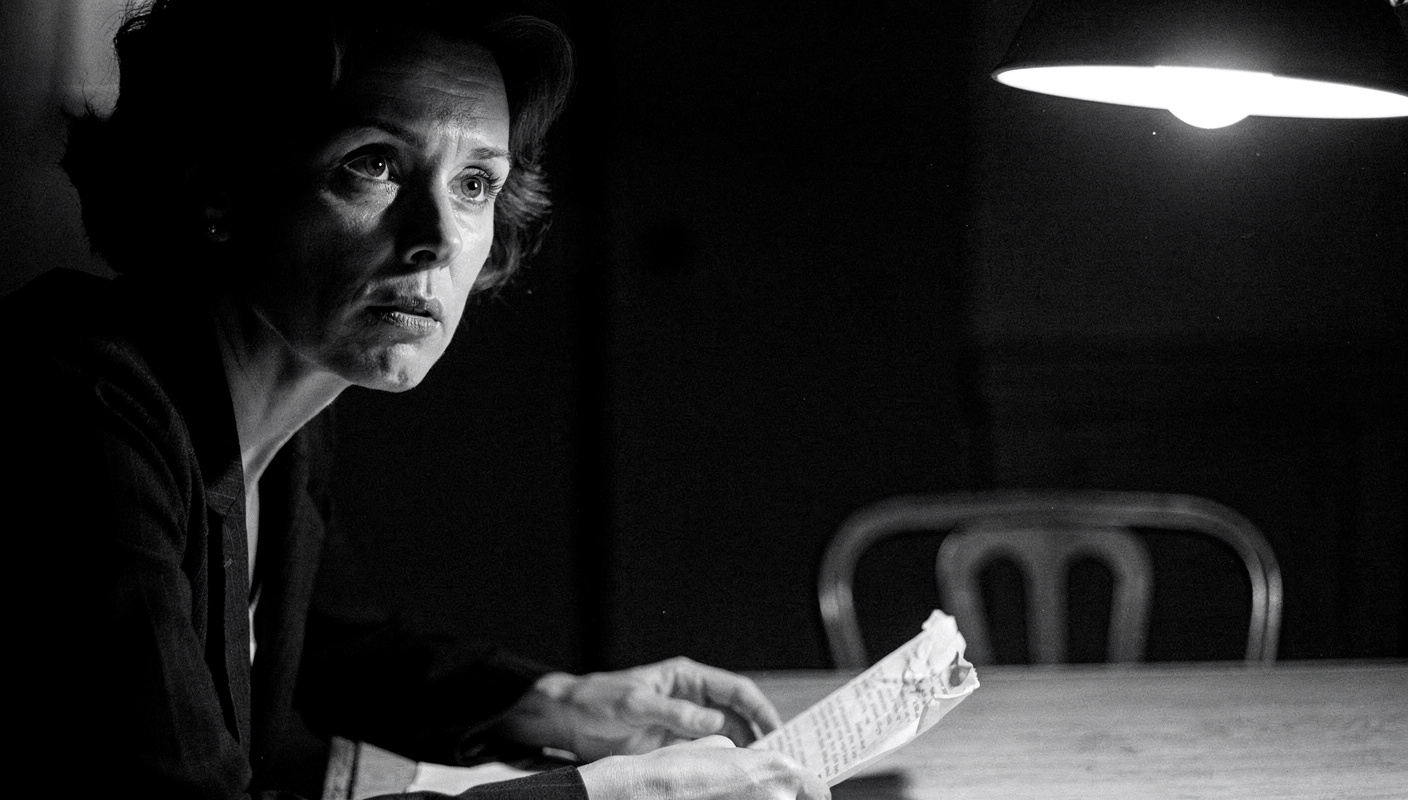
That physical state makes controlled, steady eye contact genuinely difficult. The anxious person's gaze breaks not because they are hiding something, but because their body is in motion even when they are sitting still. Their eyes track exits, scan the room, drop to the table and return. The movement is scattered, reflexive, and often follows the rhythm of their speech; faltering in pauses, picking up when they find confidence.
Blink rate rises under anxiety. The face shows micro-movements of effort. The person may look at you directly, then away, then back, in an uneven pattern that feels evasive but is actually just overwhelmed. This is the nervous system doing its job, not a person concealing the truth.
Understanding what the amygdala hijack does to a person under pressure helps explain why anxious gaze looks so much like guilty gaze. The same threat-response mechanism drives both.
What Deceptive Eye Contact Actually Looks Like
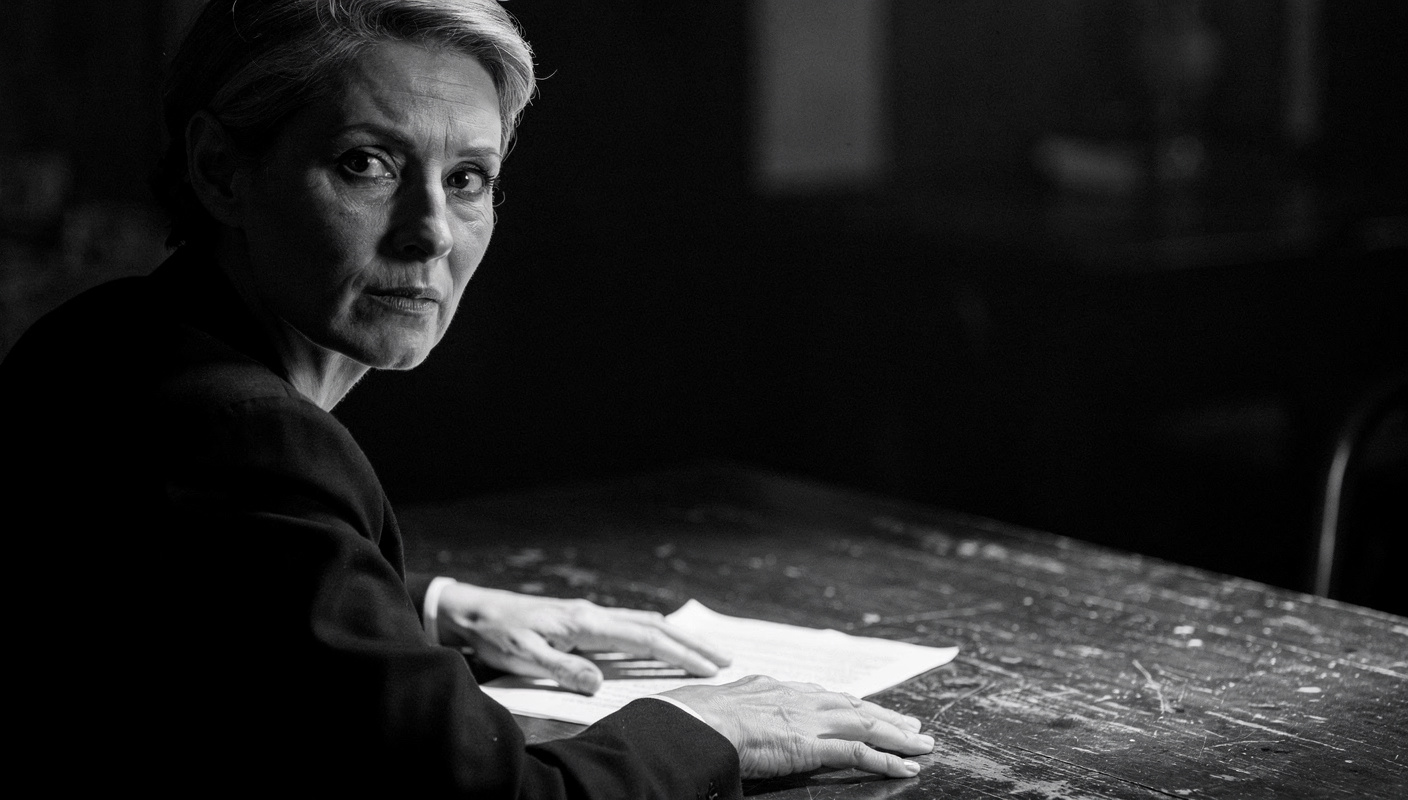
Here is where most people's instincts fail them. Deceptive eye contact is frequently more sustained, not less. A person who knows they are being watched for signs of dishonesty will often overcorrect. They hold your gaze longer than feels natural. The blink rate drops. The face becomes strangely still.
The gaze is managed, not spontaneous. You will sometimes notice a quality of effort in it, the slight tension around the eyes of someone concentrating on maintaining contact rather than simply sharing it. A truly comfortable person in conversation does not think about their gaze at all. A person managing their appearance thinks about it constantly.
That said, some people lie with gaze aversion too. They look away to access the constructed version of events. Others look sideways or up in a way that suggests retrieval of something fabricated rather than remembered. No single gaze pattern belongs exclusively to deception. What matters is the deviation from that person's normal behaviour when the stakes change.
A Side-by-Side View of the Two Gaze Patterns
| Dimension | Nervous Eye Contact | Deceptive Eye Contact |
|---|---|---|
| Primary driver | Involuntary anxiety response | Conscious impression management |
| Steadiness | Scattered, restless, uneven | Often too controlled, artificially steady |
| Blink rate | Higher than baseline | Lower than baseline, or rigidly steady |
| Facial movement | Active, expressive, effortful | Unusually still, mask-like |
| Pattern under pressure | Worsens as topic becomes more threatening | May improve as person concentrates harder |
| Recovery | Improves when person feels safer | Breaks when cognitive load becomes too high |
| What it feels like to read | Restless, difficult to track | Slightly off, too deliberate |
The table above gives you the skeleton. The narrative behind it matters more.
The most important row is recovery. Nervous eye contact gets better when the conversation feels safer. If you lower the stakes, speak more gently, or signal that you are not accusing anyone, the anxious person's gaze settles. It is responsive to warmth.
Deceptive eye contact does not respond to warmth in the same way. It responds to cognitive load. When a deceptive person is asked a question they were not prepared for, or when the conversation demands they construct details on the spot, the controlled gaze breaks. Not because they feel safer, but because they cannot manage their appearance and think at the same time. That breakdown moment, brief and often quickly recovered, is one of the most reliable signals deception produces.
This is also why how to de-escalate arguments during meetings matters here: reducing emotional temperature changes the gaze of the nervous person quickly, and reveals the gap in the deceptive person's pattern more clearly.
The Grey Area Between Them
This much I know for certain: no one reads these signals cleanly in real time without practice, and even with practice, you will be wrong sometimes. The overlap between nervous and deceptive gaze is genuine, not just a technicality.
Guilt itself produces anxiety. A person who has done something wrong and is being asked about it is both deceiving and anxious simultaneously. Their gaze will carry both patterns in a confused mix. You cannot cleanly separate them, because the person cannot.
Performance nerves are another grey area. Someone presenting to senior leadership in a high-stakes meeting may produce every signal associated with deception: controlled gaze, frozen expression, reduced blinking, effortful stillness. They are simply terrified of being judged. The body does not distinguish between fear of judgment and fear of exposure.
Naming the grey area honestly is not a weakness. It is the foundation of accurate reading. The person who is certain they can always tell is the most dangerous reader in the room.
Three Ways People Get This Wrong
Treating Gaze Aversion as Guilt
The mistake: Someone breaks eye contact, and the reader concludes they are hiding something. Why it happens: The cultural myth that honest people look you in the eye is deeply embedded, and gaze aversion is the most visible deviation from that standard. What to do instead: Read gaze aversion as a stress signal, not a guilt signal. Ask yourself whether this person seems anxious in general before you ask whether they seem guilty.
Trusting Sustained Eye Contact
The mistake: Someone holds eye contact strongly throughout a difficult conversation, and the reader concludes they are being straight. Why it happens: The same cultural myth works in reverse. Steady gaze reads as confidence and honesty. What to do instead: Notice whether the gaze feels natural or managed. Ease in conversation produces natural, varied contact. Effort produces a certain quality of stillness that, once you have seen it, is hard to unsee.
Reading Without a Baseline
The mistake: Interpreting a single gaze behaviour without knowing how this person normally holds eye contact. Why it happens: People are evaluated at high-stakes moments, but those moments are rarely when we first meet them, so we have no reference point. What to do instead: Before any important conversation, spend a few minutes in low-stakes exchange. Watch how the person looks at you when nothing is at risk. That is your reference point for everything that follows.
For conversations where managing your own nonverbal signals matters as much as reading others, the C.O.R.E. framework gives you a practical system for staying grounded when the pressure rises.
Reading Eye Contact Accurately in Practice
The most useful thing I can give you is not a checklist of tells. It is a method for reading gaze in context.
Start with the baseline. A few minutes of conversation about something low-stakes tells you how this person naturally uses eye contact. Some people hold it strongly; some look away when they think; some scan the room even when fully relaxed. None of these patterns mean anything without comparison.
Then watch for changes when the topic shifts. When you ask about something that carries weight, does the gaze pattern change? Does it lock harder, become more deliberate, more still? Or does it fragment and scatter? Either shift is a signal. Neither shift is a verdict.
Look at the whole face, not just the eyes. Eye contact does not travel alone. The mouth, the brow, the jaw, the neck: these all contribute to the pattern. A person in genuine distress shows distress across their whole face. A person managing their appearance often shows it most clearly in the gap between a controlled gaze and a face that is working too hard to stay still.
This broader approach to reading tension is what makes handling conflict during meetings more precise. You are not just listening to words. You are reading the whole system.
Finally, never act on a single cue. The combination of gaze pattern, facial expression, body posture, voice quality, and what the person actually says gives you something worth trusting. Any one of those signals alone gives you a hypothesis, not a conclusion.
When you do need to address what you are reading, the S.B.I. method gives you a clear structure for doing so without accusation.
The Read That Earns Trust
After six decades of watching people communicate under pressure, I have stopped being confident in any single signal. What I have grown confident in is the process: establish a baseline, note the deviations, look for clusters, and stay curious before you draw conclusions.
The person who misread nervous eyes for guilty ones in my earlier story did not lack intelligence. He lacked the patience to separate the two patterns before acting. Eye contact when lying does exist as a real signal cluster, but it requires comparison, context, and humility to read correctly. Treat gaze as one piece of evidence among many, earn the right to draw conclusions by doing the work of observation first, and you will make far fewer of the costly mistakes that follow from confident misreading.
Frequently Asked Questions (FAQ)
What does eye contact when lying actually look like?
Eye contact when lying is often more sustained than people expect. Many deceivers hold your gaze deliberately to appear credible. The real tell is the effort behind it: a fixed, slightly overlong stare with reduced blinking and a face that stays unusually still.
How is eye contact different when someone is nervous versus lying?
Nervous eye contact tends to be broken and restless, shifting around the room because anxiety makes stillness hard. Lying eye contact is more controlled, sometimes too controlled. Nervousness feels scattered; deception feels managed. The quality of the gaze is what separates them.
Can someone avoid eye contact without lying?
Absolutely. Gaze aversion is one of the most common anxiety responses. Someone avoiding your eyes in a difficult conversation is far more likely to be uncomfortable than dishonest. Never read one signal in isolation without considering the full context and that person's normal behaviour.
Does holding eye contact mean someone is telling the truth?
Not reliably. Sustained, deliberate eye contact is actually a common deception strategy because people assume honesty looks steady. Truthful people often look away naturally when thinking. Strong eye contact alone is not a reliable indicator of honesty or dishonesty.
What baseline behaviour tells me most about eye contact lying?
Watch how the person holds eye contact when the conversation is relaxed and low-stakes. That is their natural pattern. When the topic shifts and their gaze suddenly changes from that baseline, either locking on harder or fragmenting entirely, that shift is the signal worth reading.
How do I read eye contact accurately in a workplace conversation?
Read eye contact as one signal among many. Note the baseline, watch for changes when the subject shifts, and look at what the rest of the face and body are doing. A single gaze shift tells you almost nothing. A cluster of signals tells you something worth exploring.