
In Short
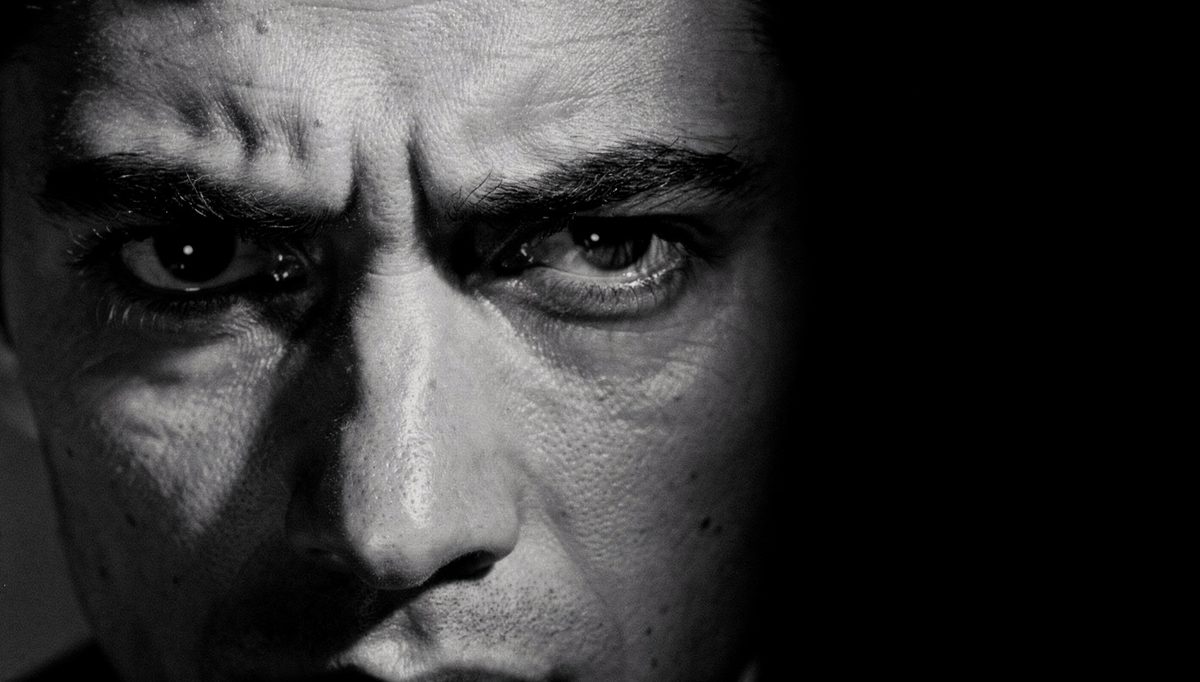
Reading eye contact accurately means reading the whole upper face, not just the direction of the gaze. The eyebrows and surrounding muscles are the primary modifiers of what any look actually means.
- Raised or relaxed brows signal openness; lowered or tensed brows signal threat, suspicion, or concentration.
- Genuine emotion engages the muscles around the eye involuntarily; performed emotion usually does not.
- Incongruence between the eye region and the rest of the face is one of the most reliable signals that something is being concealed or suppressed.
Gaze interpretation muscles are the facial muscles surrounding the eyes, primarily the orbicularis oculi and the corrugator supercilii, along with the brow ridge and forehead muscles, that modify the emotional meaning of eye contact by controlling brow position, eyelid tension, and the fine musculature of the eye region.
There is a moment I have watched happen dozens of times. Two people are sitting across from each other. One of them says something difficult. The other holds eye contact, perfectly steady, and says, "I understand completely." And yet the person who just spoke feels, immediately and without being able to explain why, that they were not believed. They leave the conversation unsettled. They replay it. They wonder what went wrong.
What went wrong was not the eye contact. It was everything around it.
The eyebrows and surrounding muscles of the eye region are the true grammar of gaze interpretation. They are what convert a look into a meaning. Most people, when they think about eye contact, think about direction and duration. Where are the eyes pointing, and for how long. But the gaze itself is almost secondary. What those surrounding structures are doing at the same time is what the other person actually reads. Understanding this does not just make you a better observer. It changes how you hold your own face in every serious conversation you have.
What the Muscles Around the Eyes Are Actually Doing
The eye region is served by a cluster of muscles, and two of them do most of the communication work. The orbicularis oculi encircles the entire eyelid, controlling how the eye opens and closes, and whether the skin at the outer corners, the crow's feet area, engages when the face moves. The corrugator supercilii sits above the inner brow and is responsible for pulling the brows down and inward, creating the vertical lines between the eyes associated with concentration, suspicion, or anger.
These muscles are not fully under voluntary control. That is the key fact. You can decide to smile. You can decide to look someone in the eye. But you cannot fully command the orbicularis oculi to fire the way it does in genuine delight, or the corrugator to release the way it does in true relief. The involuntary nature of these muscles is precisely why reading them gives you more honest information than listening to words alone.
The brow ridge itself, the bony shelf above the eye socket, acts as a stage that the muscles perform on. A raised brow creates more visible space above the iris, which the brain reads as openness or vulnerability. A lowered brow reduces that space, shading the eyes and triggering a deep-rooted threat response in the observer. This is not a cultural convention. It is far older than language. You can see it in every primate. We are hard-wired to read the brow position of the person in front of us before we process their words.
"The Conversation You're Avoiding Is the One You Need to Have."
"The Conversation You're Avoiding
Is the One You Need to Have."
Stop rehearsing conversations you'll never have. Say It Right Every Time gives you 115 word-for-word scripts and 16 proven frameworks to speak with confidence in every conversation that matters.
How Brow Position Transforms the Same Gaze Into Different Messages
Consider two people, each holding steady, direct eye contact with you. One has a slightly raised brow, soft skin around the outer eyes, and a relaxed forehead. The other has a lowered brow with a faint furrow between them, tightened upper lids, and still outer-eye skin. The gaze direction is identical. The duration is the same. The emotional signal is completely opposite. One is reading as open, engaged, perhaps curious. The other is reading as evaluative, cold, or sceptical.
This is the mechanism behind nonverbal communication in tense situations going wrong so consistently. When people feel pressure, the corrugator fires. The brows drop and draw in. They are not intending to signal threat or judgement. They are concentrating. But the person across from them reads the brow position and feels the weight of it, regardless of intent.
The brow flash deserves particular attention here. It is a rapid, brief raise of both brows, lasting less than a second, that happens when we recognise someone or feel genuine warmth toward them. It is a universal greeting signal. When it is absent in a first meeting or a high-stakes conversation, the other person registers something cooler than cold words ever would. Sincerity without a brow flash often reads as professional but guarded.
The muscles at the outer corners of the eyes, engaged by the orbicularis oculi in genuine positive expression, are almost impossible to fake convincingly. They produce the fine lines that appear around the eyes in real laughter or real warmth. When a smile does not reach the eyes and those muscles stay flat, the upper face and the lower face are sending different signals. The person you are talking to will feel the incongruence before they can name it. That unsettled feeling has a precise cause.
Why Gaze Interpretation Goes Wrong in High-Stakes Conversations
In calm, low-stakes interactions, people are reasonably good at reading the eye region. The signals are slower, the emotions are milder, and there is enough cognitive space to take in the whole face. In high-pressure moments that trigger an amygdala hijack, gaze interpretation narrows. People stop reading the full eye region and instead react to the most primitive cue available: brow position.
This is why a manager delivering corrective feedback, even with genuinely good intent, can accidentally trigger defensiveness in a team member simply through the concentration furrow in their brow. The words may be measured and fair. The approach may follow every principle in the S.B.I. method for reducing tension when giving corrective feedback. But if the brows are lowered throughout the conversation, the person receiving the feedback is partly managing a threat response the entire time.
There is a second reason this gets missed. People learn to control their mouths long before they learn to control their brows. Public speaking training, interview coaching, leadership development: almost all of it focuses on vocal tone, word choice, and posture. The upper face is almost never addressed. The result is communicators who are highly practised from the nose down and almost completely unaware of what is happening above it.
I spent years not knowing what my brow was doing when I was thinking hard. People told me I looked angry. I was not angry. I was concentrating. But the corrugator does not care about the difference. It fires when the brain is working, and it broadcasts something the person opposite reads as disapproval. Once I understood the mechanism, I could practise releasing the brow in conversation. It felt unnatural at first, like trying to relax a muscle you never knew you were tensing.
Reading the Eye Region in Real Situations
In a meeting where one person holds the floor consistently, watch the brows of the people who are listening, particularly those who feel sidelined. The corrugator will often be working. The brows draw in and down as frustration builds. This is reliable early-warning information, the kind of signal that shapes how you deal with dominant voices in a discussion before the frustration becomes spoken conflict.
When someone is genuinely persuaded during a conversation, you will often see the brow relax and rise slightly in the moment of agreement. The forehead smooths. The outer eye muscles soften. The whole upper face opens fractionally. It is a brief window, but it is one of the most reliable signals that genuine agreement has been reached, as distinct from polite nodding.
When trust has broken down between colleagues, the eye region often shows it long before either party addresses the situation directly. Eye contact becomes shorter in duration, but the brows stay partially lowered even when it occurs. The gaze itself is present but the surrounding musculature is guarded. If you are working to rebuild a working relationship after tension has created a genuine breakdown, watch this region closely. The moment the brows begin to ease during conversation is a real signal of progress.
In performance reviews, job interviews, and any conversation where credibility is being assessed, the person evaluating you is reading your eye region whether they know it or not. Sustained eye contact with a relaxed brow and engaged outer-eye muscles reads as confident and prepared. Sustained eye contact with a tense brow and rigid outer-eye skin reads as controlled but defensive. The difference is felt before it is analysed. It shapes the outcome of conversations where communication directly determines the success of a meeting.
What to Do With This Understanding
Knowing the mechanics of gaze interpretation muscles changes what you practise, not just what you notice.
Start with your resting brow. Most people have no idea what their face does at rest during concentration or serious conversation. Record yourself in a video call, then watch it with the sound off. Watch only your brow. If it is consistently lowered during the moments you are thinking or listening, you have a specific thing to practise: consciously releasing the corrugator tension before you respond. This is a physical skill and it requires repetition.
- Notice the brow before you read the words. In any important conversation, train your attention to land on the other person's upper face first. The brow position gives you the emotional context through which the words will be delivered. Arriving with that context already in place changes how clearly you receive what follows.
- Match your brow to your intent. If you are offering support or trying to build connection, a lowered brow with a concentrated furrow is working directly against you. Practise a neutral, slightly raised brow when listening, particularly when the conversation is difficult.
- Use the brow flash deliberately. When you greet someone you want to signal warmth toward, allow that brief raise. It costs nothing and registers at a level the other person feels without analysing.
- Check for congruence in yourself. Before a difficult conversation, consider whether your face will carry the same message as your words. If you are about to say something supportive, tension in the corrugator will undermine it immediately. This applies equally to handling conflict during meetings, where your facial signals either build or erode safety for everyone in the room.
The Upper Face Is the Credibility Test
Here is the truth of it. People trust congruent faces. When the eye region, the brow, and the surrounding musculature all carry the same message as the words being spoken, there is a coherence that registers as genuine. When the upper face and the lower face diverge, something in the other person goes quiet and watchful. They may not be able to name what they are reading. But they have read it.
Credibility in conversation is earned through the whole face. The mouth says the words. The eye region confirms them or contradicts them. Everything in between, the brow position, the tension around the lids, the presence or absence of outer-eye muscle engagement, is the test that runs constantly in the person you are speaking to. Understanding gaze interpretation muscles means you are no longer unaware of the test. You can prepare for it, practise it, and use it to communicate with far greater precision than words alone ever allow.
Frequently Asked Questions (FAQ)
What are gaze interpretation muscles around the eye?
Gaze interpretation muscles include the orbicularis oculi, which encircles the eyelid, and the corrugator supercilii, which draws the brows inward and downward. Together with the brow ridge and forehead muscles, they frame and modify the emotional meaning of any eye contact.
How do eyebrows change the meaning of eye contact?
Eyebrows shift the emotional register of a gaze entirely. Raised brows signal openness or surprise. Lowered brows suggest threat, concentration, or suspicion. The same direct gaze can read as warm or intimidating depending entirely on where the brows sit when the eyes meet.
Can gaze interpretation muscles reveal dishonesty?
Not reliably on their own, but incongruence between the eye region and the mouth region often signals something is off. Genuine emotion engages the orbicularis oculi involuntarily. A smile that does not reach the eyes, shown by absent crow's feet and flat brows, is a classic mismatch worth noting.
Why does eye contact feel threatening in some conversations?
A hard, unblinking stare with lowered brows and a tight brow ridge activates a primitive threat response in the person receiving it. The upper face is broadcasting dominance, not connection. Softening the brow and allowing natural blink rate to return shifts the signal from confrontation to engagement.
How do I make my eye contact feel more trustworthy?
Trust in eye contact comes from congruence. Your brows, the muscles around your eyes, and your gaze direction must all carry the same message your words do. Practise holding a relaxed brow position, allow the orbicularis oculi to engage naturally when you smile, and resist the habit of staring without movement.
What is a brow flash and why does it matter in conversation?
A brow flash is a brief, rapid raise of both eyebrows lasting a fraction of a second. It is a universal greeting signal, recognised across cultures as a marker of recognition and openness. Missing it in a first meeting can make you seem cold even if your words are warm.