
In Short
Neurodivergent eye contact is not a character flaw or a sign of disrespect. For many people with autism, ADHD, or related conditions, direct gaze creates genuine sensory or cognitive overload that interferes with listening. Managing it well requires understanding the real cause, not enforcing a neurotypical standard.
Neurodivergent eye contact describes the distinct way individuals with neurological differences such as autism or ADHD process and produce direct gaze. Unlike neurotypical convention, sustained eye contact can feel painful, disorienting, or cognitively costly for neurodivergent people, affecting how they communicate and connect.
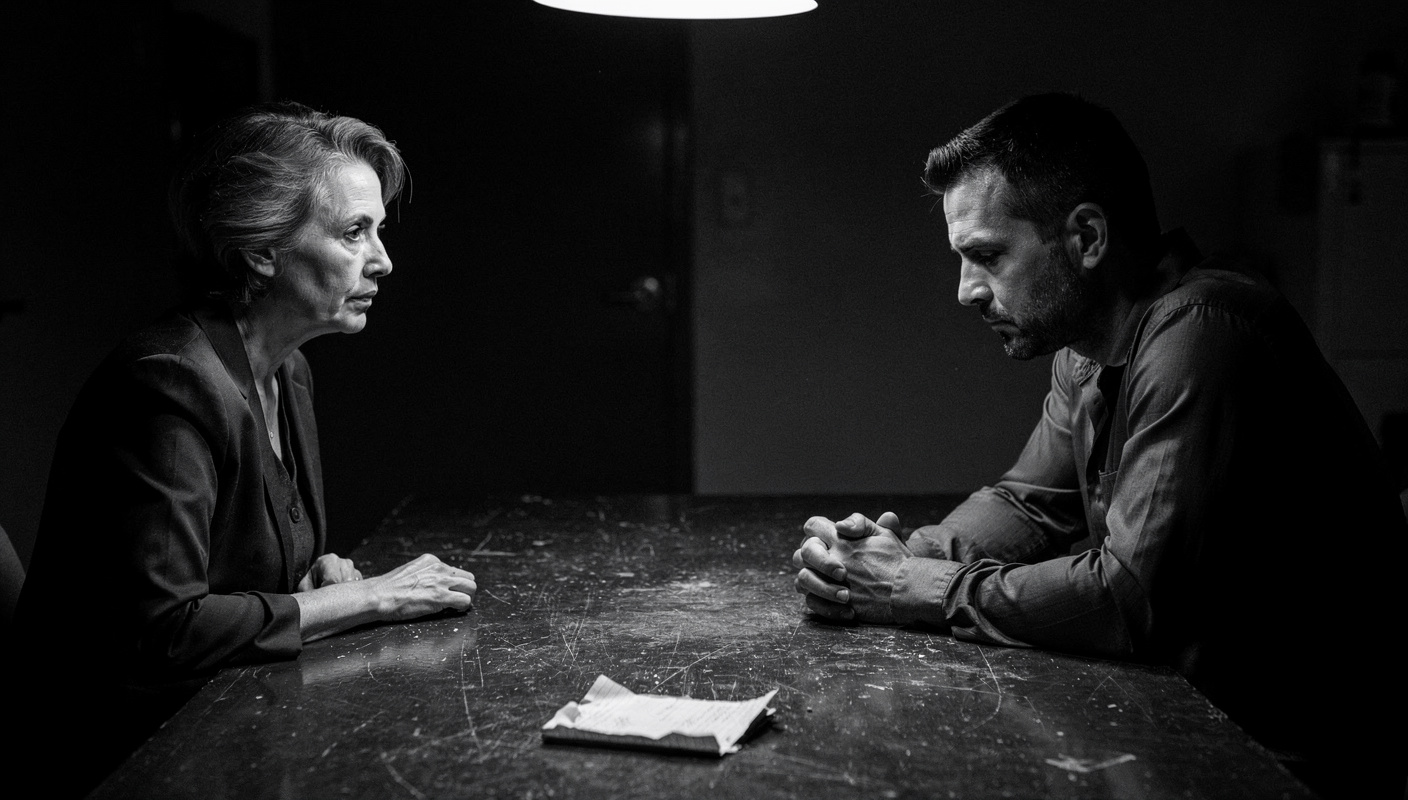
A colleague once pulled me aside after a team meeting. She was visibly distressed. Her manager had told her she seemed disengaged, even disrespectful, because she rarely looked at him during one-to-one conversations. She was none of those things. She was autistic, and every time she forced herself to hold his gaze, she lost track of what he was actually saying. She had been spending the entire meeting managing her eyes instead of his words. The problem was not her neurodivergent eye contact. The problem was that nobody in that room understood what was actually happening.
That story is not unusual. It plays out daily in workplaces where gaze is treated as the universal currency of respect, attention, and trust. The warning signs here are easy to miss, because most of us were taught that eye contact equals engagement. When someone looks away, we read it as absence. We rarely stop to ask whether looking away might be how they stay present.
What Neurodivergent Eye Contact Actually Signals
The first thing to understand is that for many neurodivergent individuals, eye contact is not a neutral act. For a significant number of autistic people, direct gaze activates the same brain regions that process social threat. It is not shyness. It is not rudeness. The experience can range from mild discomfort to something closer to pain.
For people with ADHD, the challenge is different. Sustained eye contact can compete with auditory processing. The brain has a limited amount of working capacity at any moment, and for some ADHD minds, the effort of holding a gaze consumes bandwidth that should be going toward understanding the words. Looking away is not a lapse in concentration. It is a strategy for maintaining it.
Both of these experiences are invisible to the person sitting across the table. What they see is a pair of eyes that will not settle. What they feel is something that looks like disinterest, even when the neurodivergent person is working extraordinarily hard to stay present in the conversation.
If you manage neurodivergent team members, the guidance in Team Synergy Tips for Managers Leading Neurodivergent Team Members is worth your time. It offers practical ground-level advice for building connection across neurological difference.
"The Conversation You're Avoiding Is the One You Need to Have."
"The Conversation You're Avoiding
Is the One You Need to Have."
Stop rehearsing conversations you'll never have. Say It Right Every Time gives you 115 word-for-word scripts and 16 proven frameworks to speak with confidence in every conversation that matters.
Six Signs That Eye Contact Is Being Misread
These are patterns I have seen again and again, both in my own work and in the people I have coached. Some are obvious. At least one will surprise you.
1. The person looks away precisely when you say the most important thing.
What it looks like: You deliver a key point, and the other person glances down or to the side at exactly that moment. It feels like they switched off.
Why it happens: For many neurodivergent people, this is the opposite of disengagement. They are looking away so they can hear you more clearly. Direct gaze competes with auditory processing, and their brain is prioritising the words over the social ritual.
Why it matters: If you interpret this as inattention and either repeat yourself impatiently or stop sharing important information, you damage the working relationship based on a false reading.
What to do: Ask a follow-up question instead of assuming they missed it. If they answer accurately and in depth, their gaze told you nothing useful.
Here is the truth of it: I once had a mentor who never looked at me when I spoke. He could repeat every word back to me. I eventually stopped caring where his eyes were.
2. Forced eye contact that looks unnatural or robotic.
What it looks like: The person holds your gaze for too long, without blinking, with a fixed quality that feels slightly off. Or they flicker between your eyes with a mechanical regularity that does not match the rhythm of the conversation.
Why it happens: Many neurodivergent individuals, particularly those who were corrected for poor eye contact as children, have developed a script for imitating direct gaze. They are performing it rather than producing it naturally. This is called masking, and it costs them enormous energy.
Why it matters: You may actually feel more uncomfortable with this person than with someone who simply looks away. The uncanny quality of over-managed gaze disrupts connection just as much as its absence.
What to do: If you are a manager, stop signalling approval when someone forces eye contact. What you are rewarding is the performance, not the communication.
This is the one that surprises people most. We assume more eye contact means better engagement. Sometimes it means someone is burning through every ounce of focus they have just to appear normal.
3. Eye contact that disappears entirely in high-pressure conversations.
What it looks like: In low-stakes exchanges, the person manages gaze reasonably well. In tense conversations, during feedback, or in conflict, they look away completely or fix their gaze on an object in the room.
Why it happens: Stress compounds the sensory load for neurodivergent individuals. A moment that already feels cognitively demanding becomes nearly impossible when direct gaze is added to the equation. Gaze aversion is a self-regulation response.
Why it matters: You may read this as defensiveness, guilt, or stonewalling, especially in a difficult conversation. The misread can escalate a situation that needed de-escalation. For guidance on reading body language in tense moments, the article on Nonverbal Communication in Tense Situations is directly relevant.
What to do: Create physical space in the conversation. Sit side by side rather than face to face. Remove the obligation to maintain gaze and watch how much more the person is able to say.
4. Difficulty sustaining eye contact on video calls, even more than in person.
What it looks like: On screen, the person almost never appears to look at the camera. They look slightly off to one side, or at the bottom of the screen where your face actually appears.
Why it happens: On a video call, looking at a person's face on screen and looking into the camera are two different physical positions. For neurotypical people, this slight discrepancy is easy to ignore. For many neurodivergent individuals, the mismatch creates an additional layer of sensory confusion on top of an already difficult task.
Why it matters: Remote teams already struggle with trust and presence. If a manager reads this as disengagement during a remote one-to-one, it can quietly erode a relationship. The article on How to Build Trust Without Physical Presence addresses this directly.
What to do: Accept that camera-looking and face-looking are not the same thing on a screen. Judge engagement by the quality of what is said, not by whether eyes appear to meet the lens.
5. Inconsistent eye contact that changes depending on the topic.
What it looks like: The person makes reasonable eye contact when discussing a subject they know well, but looks away repeatedly when the topic shifts to something less familiar or emotionally charged.
Why it happens: Processing load. When the cognitive demand increases, something has to give. For neurodivergent individuals, the social ritual of maintaining gaze is often the first thing the brain releases when it needs more capacity.
Why it matters: If you only see the inconsistency and not the pattern, you may draw the wrong conclusions. Eye contact during easy conversations does not mean the person is capable of it on demand in all situations.
What to do: Notice the correlation between topic difficulty and gaze behaviour. If the pattern holds, you are watching a processing response, not a social one. This pattern is also worth considering when Running Inclusive Meetings with Diverse Teams.
6. Making strong eye contact but failing to read expressions.
What it looks like: The person looks directly at you, holds your gaze comfortably, but consistently misses the emotional signals your face is sending. They seem unaware that you are confused, frustrated, or pleased.
Why it happens: Some neurodivergent individuals can produce eye contact without processing the social information that eyes carry. For them, gaze is a social output they have learned to produce, not a channel for receiving emotional data.
Why it matters: This is the counterintuitive sign. We assume eye contact means the person is reading us. It does not always. A colleague who looks at you but misreads your expression is not being socially lazy. They are operating on a different processing system.
What to do: Be direct with your words. Do not rely on expression or implication to carry important information. Say what you mean explicitly. This connects to the broader advice in The Role of Communication in Meeting Success.
The Root That Produces All of These Signs
Here is what connects every pattern above: a mismatch between neurotypical expectations and neurodivergent processing.
Eye contact developed as a social signal in neurotypical communication systems. It means engagement, honesty, and respect within that system. But it is a convention, not a universal truth. When we treat it as universal, we end up judging people by a standard their nervous system was never built to meet.
The real root cause is not a deficit in the neurodivergent person. It is the assumption that one set of rules governs all human communication. The moment you let go of that assumption, every sign on this list becomes readable for what it actually is.
For a broader picture of how neurological and cultural difference shapes communication, the article on How Diversity Affects Remote Communication Styles offers useful context.
A Quick Diagnostic: What Are You Actually Seeing?
Use this checklist to assess whether neurodivergent eye contact patterns may be affecting your working relationships. Answer yes or no to each item.
- The person looks away most often when you are making your most important points.
- Their eye contact feels either absent or slightly too fixed, with little natural variation.
- Gaze aversion increases noticeably in tense or high-stakes conversations.
- They respond accurately and thoughtfully even when they were not looking at you.
- Their eye contact is noticeably different in familiar, low-pressure conversations compared to unfamiliar or high-demand ones.
- They look at you but consistently miss emotional signals your face sends.
- They seem more engaged in written communication or side-by-side settings than in face-to-face ones.
Scoring:
- 0 to 2 yes answers: Gaze patterns are likely within typical variation. No adjustment needed.
- 3 to 4 yes answers: Some neurodivergent eye contact patterns may be present. Consider adjusting how you read engagement.
- 5 to 7 yes answers: These patterns are consistent and significant. This person likely experiences direct gaze as cognitively or sensorially costly. Adapt your approach and, where appropriate, have a direct, compassionate conversation about communication preferences.
Where to Go from Here
The first move is the simplest: stop using eye contact as your primary measure of attention. Replace it with a better one. Ask yourself whether the person understands you, responds clearly, and contributes meaningfully. Those are the real signals of engagement.
The second move is to create space for a direct conversation. Not a diagnostic conversation, not a welfare check. A practical one: "I want to make sure our conversations work well for both of us. Is there anything about how we communicate that would make it easier for you?" That question, asked with genuine curiosity, does more good than a year of misread glances. The C.O.R.E. Framework offers a useful method for staying grounded if that conversation feels difficult.
Neurodivergent eye contact is not a problem to fix. It is a difference to understand. The professionals I have worked with who manage it best are not the ones who mastered the neurotypical gaze. They are the ones who stopped apologising for their eyes and started trusting the quality of their words. That shift takes courage. It also takes the people around them being willing to see communication clearly.
Frequently Asked Questions (FAQ)
What is neurodivergent eye contact?
Neurodivergent eye contact refers to the way people with conditions such as autism or ADHD experience and manage direct gaze. It differs from neurotypical norms because sustained eye contact can feel overwhelming, painful, or simply disconnected from how the person listens and thinks.
Why does eye contact feel overwhelming for neurodivergent individuals?
For many neurodivergent people, direct gaze activates sensory processing in the brain at the same time as language processing, creating overload. The brain cannot do both at full capacity simultaneously, so looking away actually improves comprehension and reduces stress.
Does avoiding eye contact mean a neurodivergent person is not listening?
No. For many neurodivergent individuals, looking away is how they listen best. Forcing eye contact can consume the mental capacity they need to process what is being said, resulting in less engagement, not more.
How can managers support neurodivergent team members around eye contact?
Managers can stop treating gaze as the primary signal of attentiveness. Ask directly how the person communicates best, adjust your expectations accordingly, and judge engagement by the quality of responses and contributions rather than by sustained eye contact.
Can neurodivergent individuals learn to manage eye contact at work?
Yes, with the right tools and awareness. Many neurodivergent professionals develop a personal system for approximating eye contact without the sensory cost, such as focusing on the mouth or nose, or using natural breaks in conversation to glance away.
Is too much eye contact also a sign of neurodivergence?
It can be. Some neurodivergent individuals, particularly those who have studied social rules carefully, overcorrect and hold eye contact for longer than feels natural, which can make the other person uncomfortable. Both extremes, too little and too much, can disrupt connection.