
In Short
Eye contact signals tell the other person whether they are safe to speak honestly, and they do it before you say a single word. Get those signals wrong and the conversation is already in trouble. Get them right and you lower the other person's guard without any technique or script.
- A calm, steady gaze before a hard conversation communicates openness and respect at a level words cannot reach.
- Avoidant or hard eye contact raises the other person's threat response and closes them down before you begin.
- You can prepare your eye contact the same way you prepare your words, and the results are just as powerful.
Eye contact signals are the unspoken messages your gaze transmits before and during a conversation. They communicate safety, threat, presence, or disengagement to the other person's nervous system, shaping their willingness to engage honestly before any words have been exchanged.
Most people spend real time preparing what they are going to say before a difficult conversation. They choose their words carefully, rehearse their opening line, think through the response they want. What almost nobody prepares is what their face is doing when they walk into the room.
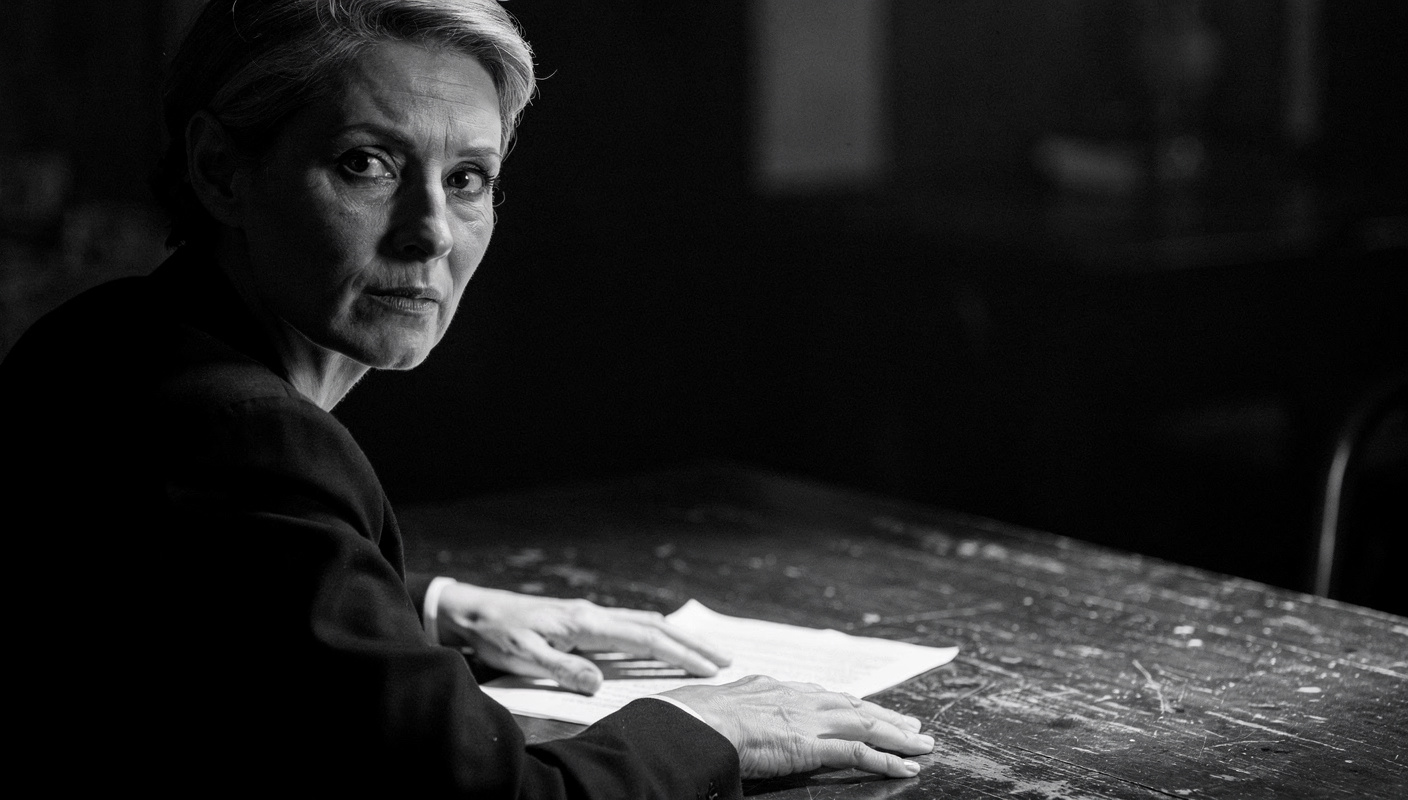
Eye contact signals begin working the moment another person sees you. By the time you open your mouth, they have already received a full report from your gaze: whether you are calm or agitated, open or closed, safe or threatening. That report shapes everything that follows. I have watched careful, well-prepared conversations collapse in the first ten seconds because the person who started them walked in wearing the wrong eyes.
This article is about how that mechanism works, why it matters more than most communicators realise, and what you can do with the knowledge before your next hard conversation begins.
What Eye Contact Is Actually Doing Before You Speak
Most people understand eye contact at the surface level. Look at the person. Do not stare. Do not avoid them. That is about as far as the common advice goes.
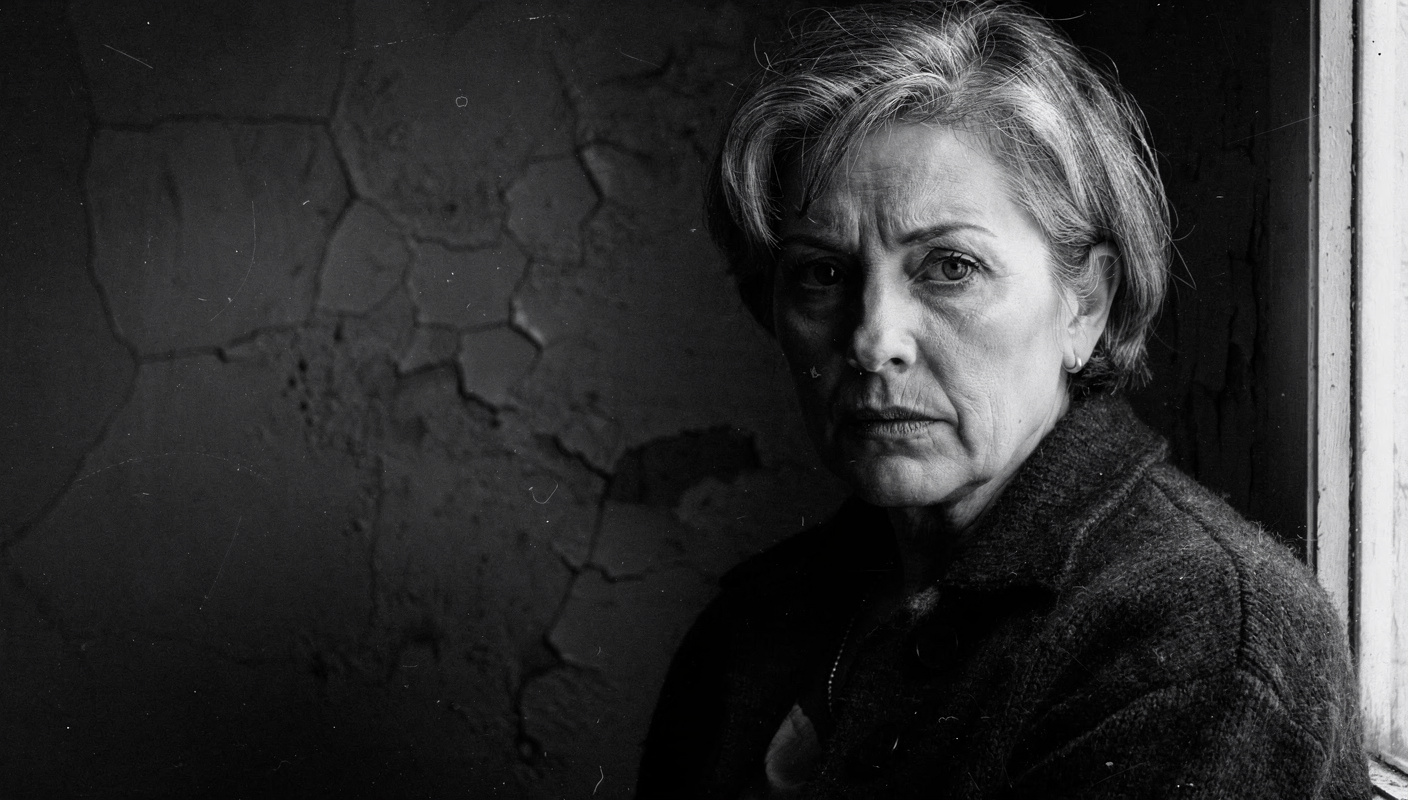
But your eyes are not just showing attention. They are running a signal that the other person's nervous system reads automatically, before conscious thought gets involved. A calm, sustained gaze reads as: I am not a threat. I am here. You are safe with me. A hard stare reads as dominance or aggression. A shifting, avoidant gaze reads as evasion or anxiety. None of this requires the other person to think about it. Their body processes it the way it processes any social cue: instantly and below the level of language.
This is why eye contact matters so much at the opening of a difficult conversation specifically. Before you say a single word, the person across from you is already assessing the situation. Their nervous system is running a basic threat check. Your gaze is the first piece of data it receives.
If that data says danger, they will defend. If it says safety, they will open. You cannot control everything that happens in a hard conversation, but you can control the signal you send in those first few seconds. That signal sets the temperature of everything that follows.
"The Conversation You're Avoiding Is the One You Need to Have."
"The Conversation You're Avoiding
Is the One You Need to Have."
Stop rehearsing conversations you'll never have. Say It Right Every Time gives you 115 word-for-word scripts and 16 proven frameworks to speak with confidence in every conversation that matters.
Why the Nervous System Reads Your Gaze Before Your Words
Here is the truth of it: words are slow. The human face is fast. We evolved to read the faces of other people for threat information long before we developed language, and that capacity still runs underneath every conversation we have.
When someone approaches you before a difficult exchange, your body does not wait for them to speak. It is already scanning. The softness or hardness of their eyes, the steadiness or restlessness of their gaze, the presence or absence of tension around the brow: all of it lands before the first sentence. This is not mystical. It is the oldest social circuitry we have.
The practical consequence is straightforward. If you want someone to feel safe enough to be honest with you, their body needs to receive a safety signal before their mind has decided anything. A warm, steady gaze is one of the clearest safety signals available to you. It tells their nervous system: this person is not here to attack me. That one signal can lower the defensive posture that makes hard conversations circular and closed.
If you are serious about understanding psychological safety as a practice rather than a concept, this is where it starts: in the quality of your gaze before you have said a word.
What Eye Contact Signals Look Like When They Go Wrong
Let me give you two scenarios I have seen many times.
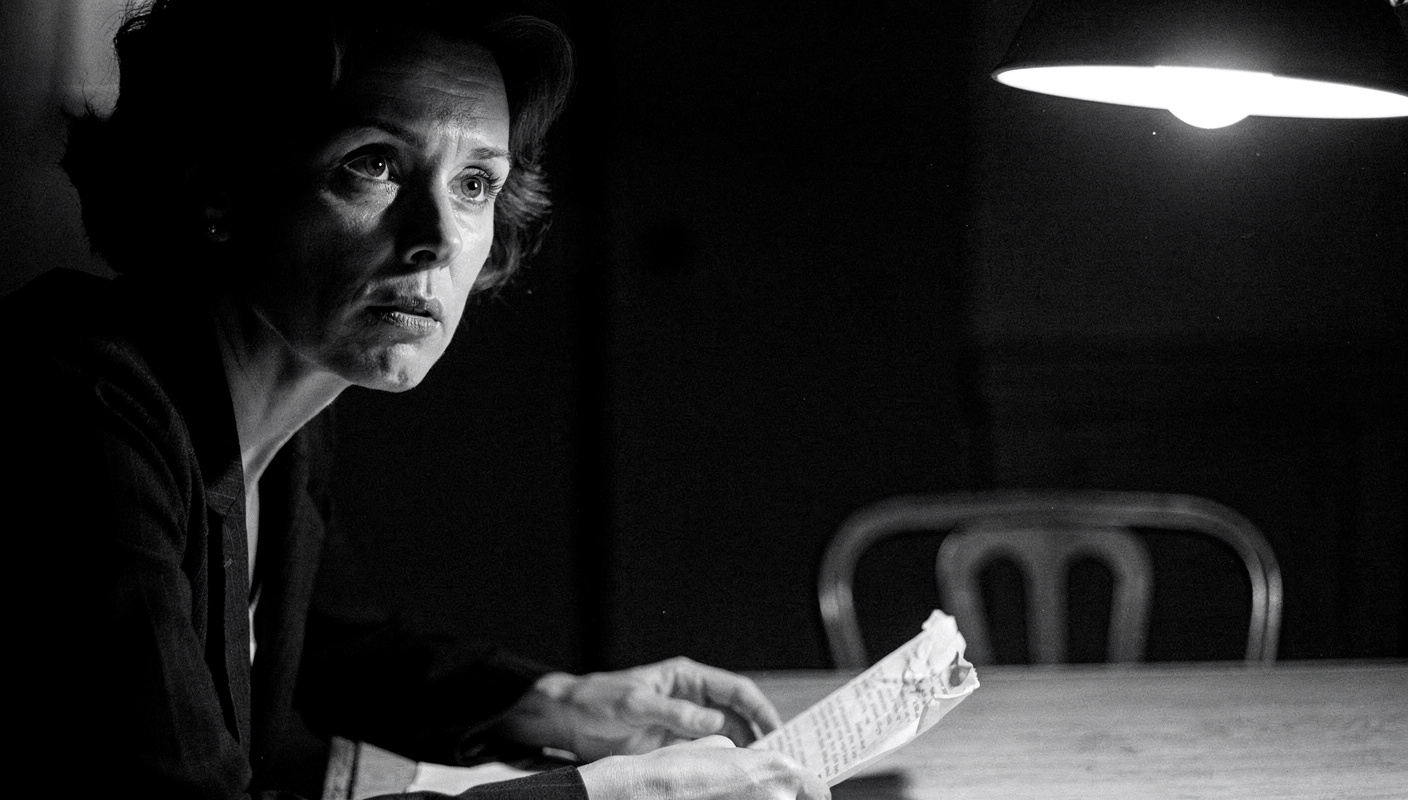
The first: a manager prepares carefully for a performance conversation. She knows what she wants to say, how she wants to say it, and what outcome she is working toward. But when she walks into the meeting room, she is still thinking through her opening line. Her eyes are slightly unfocused, scanning the middle distance. She sits down and begins speaking to the table rather than to the person. The person across from her reads this as evasion, maybe guilt, maybe withheld judgment. They tighten. The conversation that follows is technically correct and emotionally closed.
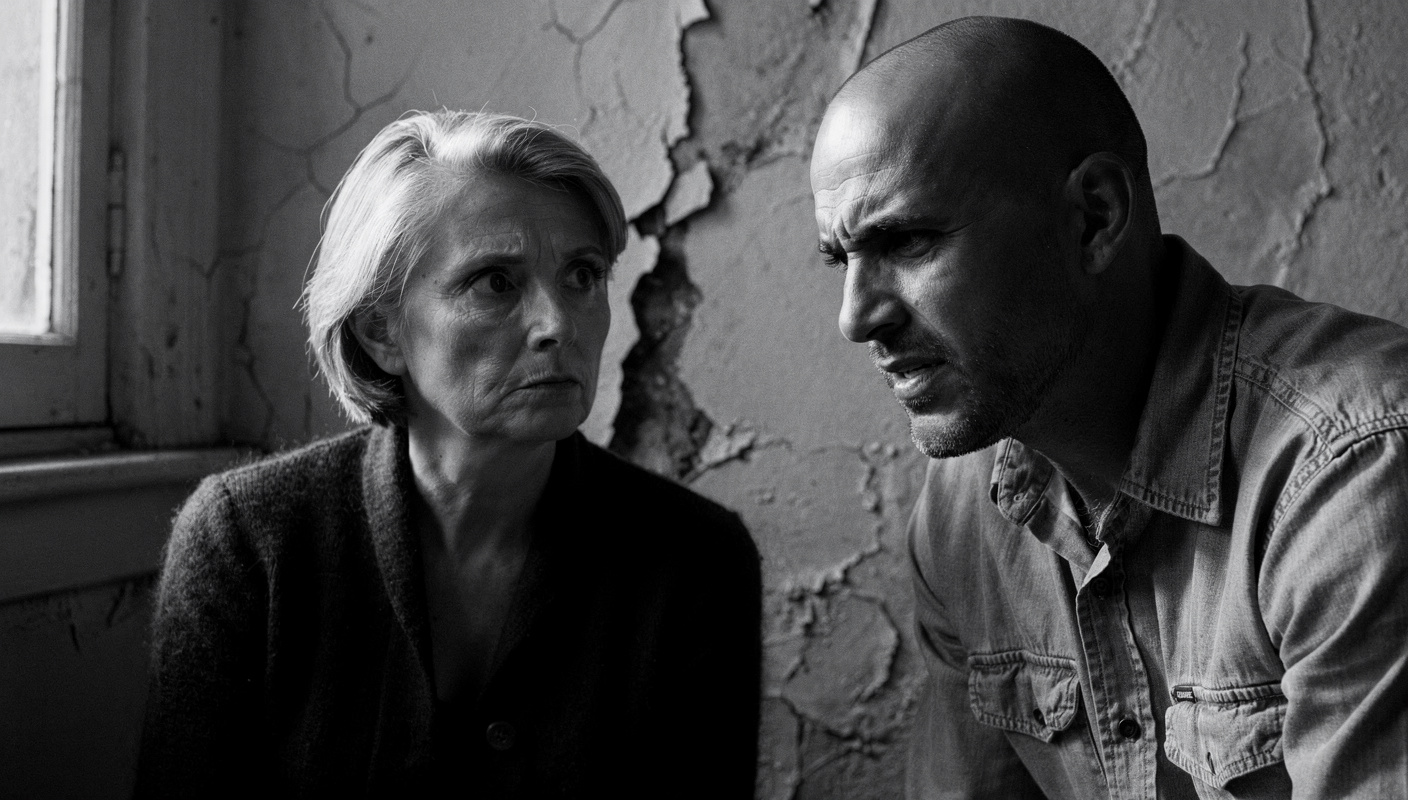
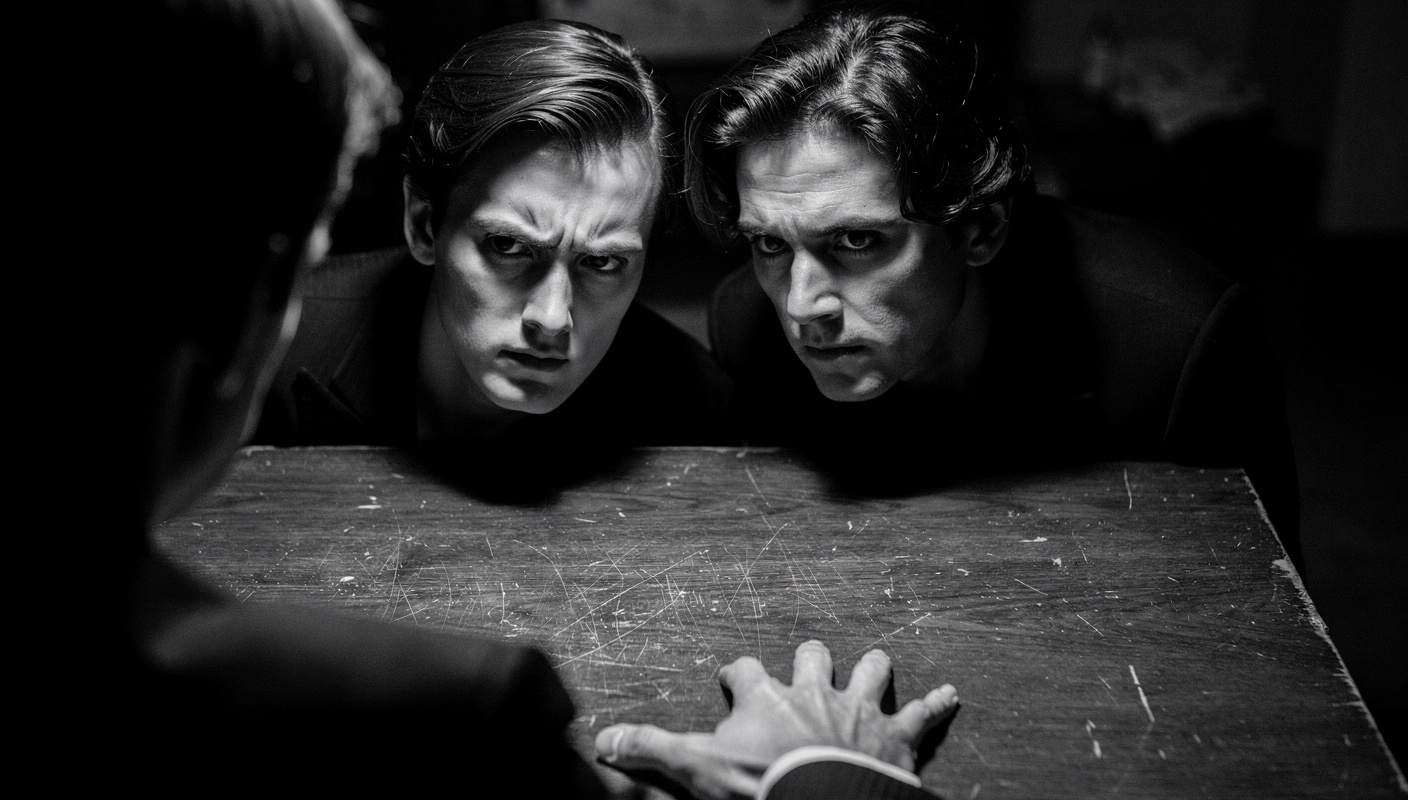
The second: a team leader needs to address a conflict between two colleagues. He is anxious going in, which is completely understandable. But anxiety tightens the face and sharpens the gaze into something that reads as irritation. The moment his colleagues see his expression as he enters, they read threat. They do not know he is anxious; they read what the eyes are broadcasting. The conversation starts with both people already defensive.
In both cases, the damage was done before a word was spoken. Neither communicator knew their gaze was the problem. For a fuller picture of how nonverbal communication shapes tense situations, this pattern shows up in every context where the stakes are high.
The Eye Contact Signals Most Communicators Miss
The reason this goes unrecognised is simple. We are taught to prepare our words. Nobody teaches us to prepare our face.
There is also a self-focus problem. When we are anxious about a difficult conversation, our attention turns inward. We are rehearsing our argument, managing our nerves, anticipating pushback. We are not thinking about what we look like to the other person. That inward focus is written all over our face, and the other person reads it clearly even if they cannot name what they are reading.
The third reason is that eye contact feels personal in a way that words do not. People worry about staring. They worry about being too intense or too soft. So they default to a kind of middle-ground avoidance: looking near the person without fully meeting their eyes. That avoidance reads as discomfort, and discomfort in the person initiating a difficult conversation is contagious.
I cover this dynamic in depth in Say It Right Every Time, particularly around the moment before a conversation begins and how most people underestimate how much is already being communicated before they speak. The C.O.R.E. Framework in that book treats psychological safety as a prerequisite for listening, not a byproduct of it. Your gaze is one of the earliest tools for building that safety.
How to Use Eye Contact Signals With Intention
Knowing the mechanism is only useful if it changes what you do. So here is what using eye contact signals deliberately actually looks like before a hard conversation.
Before you enter the room, settle yourself first. You cannot broadcast calm if you are not calm. Spend thirty seconds breathing slowly, releasing tension from your jaw and shoulders. Your eyes reflect your internal state with remarkable accuracy. A regulated body produces a regulated gaze.
When you make first contact, hold the look. Not a stare. A natural, steady gaze that says: I see you, I am here, I am not afraid of this conversation. Two to four seconds of genuine eye contact before you speak lands differently than glancing at someone as you sit down.
Let your eyes be soft, not hard. The muscles around your eyes carry enormous expressive weight. Narrowed eyes read as suspicion or anger. Wide, slightly relaxed eyes read as openness. This is a small physical adjustment with a large communicative effect. Relax your brow consciously before you begin.
Do not look away to find your words. Many people glance away when they are thinking, which is natural. But in the opening seconds of a difficult conversation, looking away reads as uncertainty or evasion. Stay present with your eyes while you speak your first sentence.
These four adjustments are practical. You can practice them today in low-stakes conversations before you need them in high-stakes ones. For a fuller method of managing yourself before a tense discussion begins, the Conversation Pre-Mortem is worth knowing, as is the 3-Second Pause, which creates space for exactly this kind of intentional reset.
Reading the Other Person's Gaze as a Real-Time Signal
Eye contact signals run in both directions. While you are managing your own gaze, the other person's eyes are telling you something.
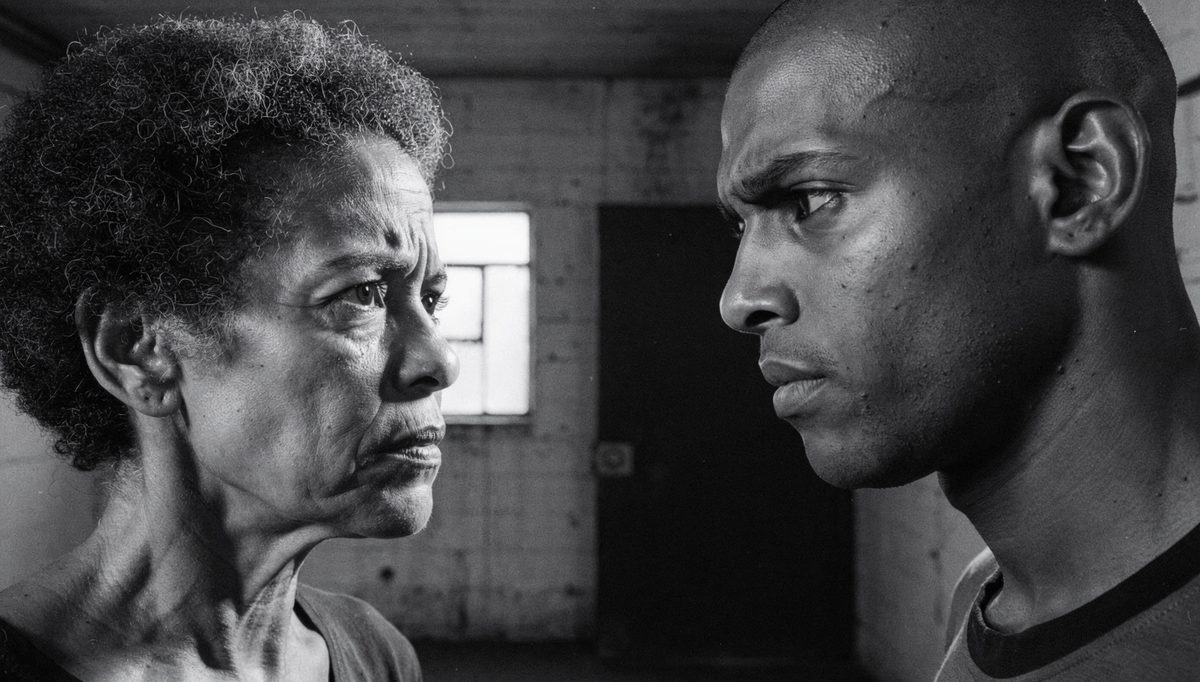
A person who maintains steady eye contact with you at the opening of a conversation is signalling readiness and trust, or at minimum, a willingness to engage. A person who looks away frequently is signalling anxiety, discomfort, or conflict between what they want to say and what they feel safe saying. A person who holds your gaze with a hard, unblinking stare is signalling challenge.
Each of these deserves a different response from you. Anxiety in the other person calls for you to soften your own gaze further and slow your pace. Challenge calls for you to stay steady without escalating. Readiness calls for you to match their engagement and move forward with confidence.
When you approach a difficult conversation with this level of attention, you are no longer just delivering a message. You are reading the room in real time and adjusting. That is a different level of skill. The Empathy Bridge Technique builds on this kind of attentiveness, and it pairs well with the gaze work described here.
What This Means for How You Start a Difficult Conversation
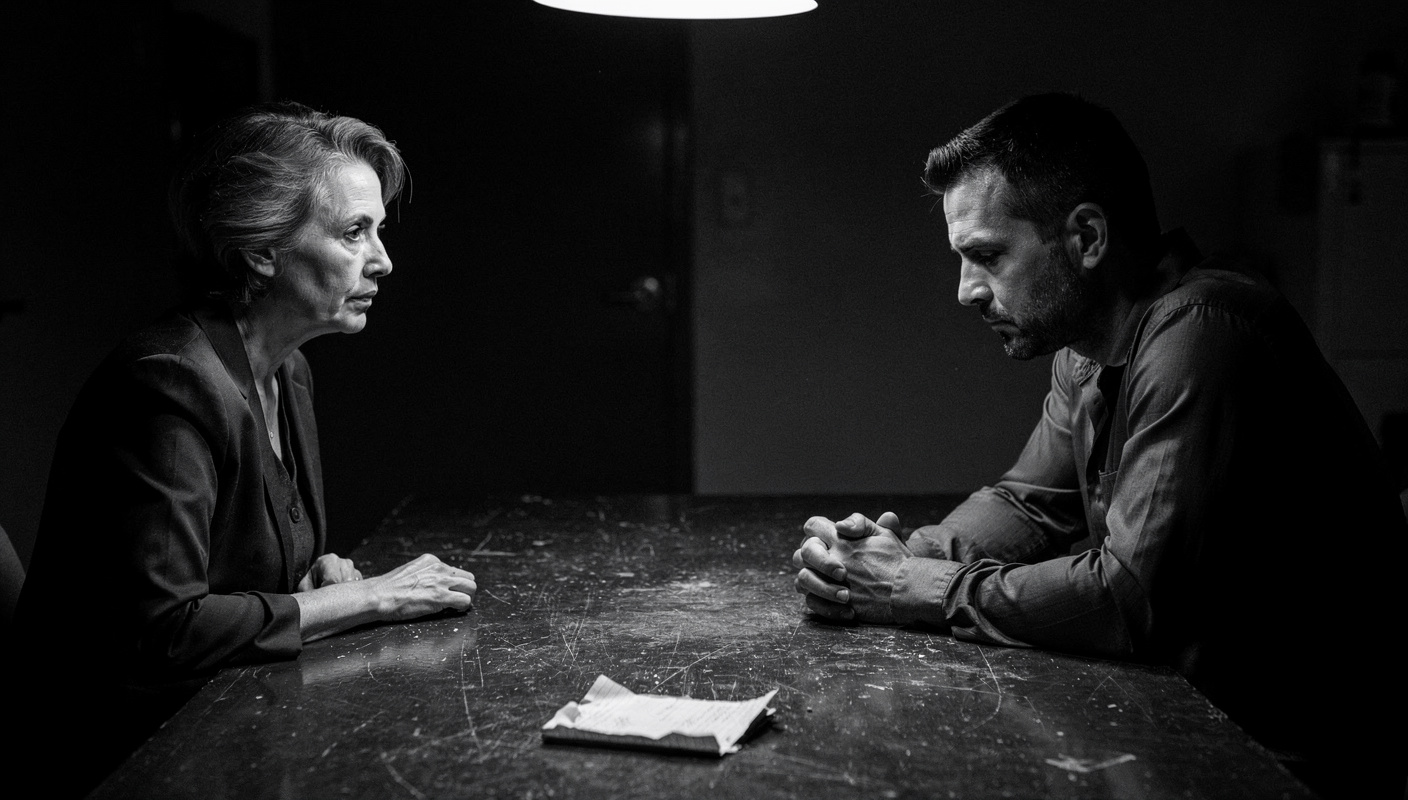
If psychological safety is the ground your difficult conversation needs to stand on, then eye contact is part of how you prepare that ground. You do not create safety with your opening sentence. You create it in the three seconds before your opening sentence, with the quality of your presence as you arrive.
This changes the preparation process. It is no longer enough to prepare only your words. You need to prepare your state, because your state is visible in your eyes before you speak. You need to know what settled looks like on your face, and you need to be able to produce it under pressure.
If you are working on how to start a difficult conversation that genuinely opens rather than closes down the other person, this is where the real work begins. The C.O.R.E. Framework treats clarity, openness, respect, and empathy as the pillars of every successful difficult exchange. Your gaze is one of the first places those four qualities either show up or fail to.
The Signal You Send Is a Choice
This much I know for certain: the hardest conversations are rarely lost in the middle. They are lost at the start, in the moment when the other person decides whether to open or close. Your eye contact signals play a large role in that decision.
You can choose to walk into a difficult conversation as a practitioner of presence: calm, steady, genuinely open. Or you can walk in with your eyes broadcasting whatever anxiety or irritation you have not yet managed. The other person will read whichever signal you send. They cannot help it.
The good news is that this is a learnable skill. You can practice the quality of your gaze the same way you practice your words. Start in low-stakes conversations. Build the habit of settling before you speak. Notice what your eyes are doing in moments of stress. Over time, eye contact signals that once took effort will become second nature, and the conversations that once went wrong before they began will start from a different place entirely. That is the compound value of getting this right: one changed habit, applied consistently, earns trust that no single perfect sentence ever could.
Frequently Asked Questions (FAQ)
What are eye contact signals in conversation?
Eye contact signals are the unspoken messages your gaze sends before and during a conversation. They tell the other person whether you are present, safe, threatening, or disengaged. Sustained, calm eye contact communicates openness and respect, while avoidant or hard gaze communicates threat or indifference.
How does eye contact signal psychological safety?
When you hold steady, soft eye contact before a difficult conversation begins, you tell the other person their honesty will not be punished. The nervous system reads a calm gaze as a safety cue, lowering the defensive response that blocks open dialogue before a word is spoken.
How much eye contact is appropriate before a hard conversation?
Aim for relaxed, natural eye contact: roughly three to five seconds of sustained gaze, then a brief, natural break. This signals attentiveness without dominance. Unbroken staring reads as aggression; constant looking away reads as evasion. The goal is steady presence, not a staring contest.
Can eye contact reduce tension before a difficult workplace discussion?
Yes. A calm, direct gaze before you speak tells the other person you are not approaching with anger or judgment. It lowers the threat response their nervous system is running. This does not eliminate tension, but it reduces the defensive posture that makes hard conversations collapse before they start.
What does avoiding eye contact communicate before a difficult conversation?
Avoiding eye contact before a difficult conversation communicates either that you are anxious, that you are withholding something, or that you see the other person as a threat. All three readings increase the other person's defensiveness and make genuine dialogue harder to reach.
How do you practice using eye contact signals deliberately?
Before your next difficult conversation, pause for two seconds, breathe out slowly, and hold your gaze steadily on the other person as you begin speaking. Do not look at the floor or glance around the room. Practice this in low-stakes moments first, so it becomes natural under pressure.