
In Short
Eye contact collapses under the amygdala hijack because the brain treats a held gaze as a threat signal during stress arousal. This is not rudeness or weakness. It is a reflex. And because the other person reads your broken gaze as a social signal, the breakdown escalates tension rather than relieving it.
- The amygdala triggers gaze aversion before conscious thought can intervene.
- Your eye contact sends a trust signal, and losing it sends the opposite.
- You can reset deliberately, but only if you know what you are resetting against.
Eye contact amygdala response is the involuntary breakdown of visual engagement that occurs when the brain's threat-detection system activates during a high-pressure conversation, redirecting attentional resources away from the other person's face and disrupting the nonverbal signals that build trust and connection.
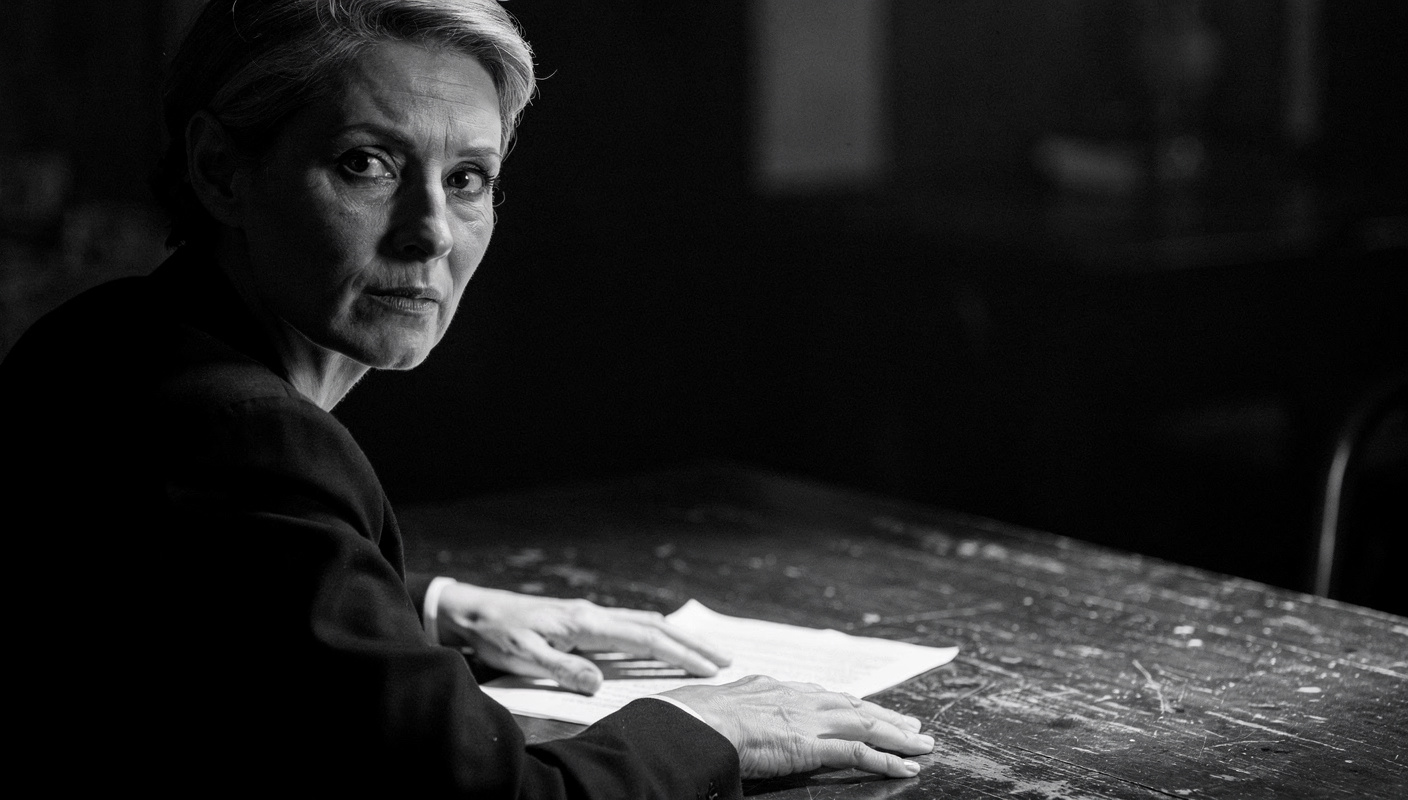
There is a pattern I have watched repeat itself for six decades, in boardrooms and kitchens and every tense conversation in between. Two people start a difficult exchange. Within thirty seconds, one of them stops meeting the other's eyes. They look at the table. They glance toward the window. Their gaze drifts, returns briefly, then breaks again. And the other person, whether they know it or not, registers every single one of those breaks. The conversation is already in trouble. Not because of what was said. Because of where the eyes went. Eye contact amygdala breakdown is rarely discussed in plain terms, and that silence costs people more than they realise. By the time you finish reading this, you will understand precisely why your gaze abandons you under pressure, and what to do when it does.
What the Amygdala Actually Does to Your Eyes
Most people know the amygdala triggers the fight-or-flight response. They picture racing hearts and clenched fists. What they do not picture is what happens to the eyes, and that is where the real communication damage begins.
When your amygdala registers threat, it floods your system with stress hormones and narrows your attention. This attentional narrowing is a survival mechanism. Your brain is trying to assess danger quickly, and that means pulling focus inward, toward your own body and breath, not outward toward another person's face. Sustained eye contact, which requires calm attention directed at someone else, becomes neurologically expensive in that moment. The brain reallocates those resources elsewhere.
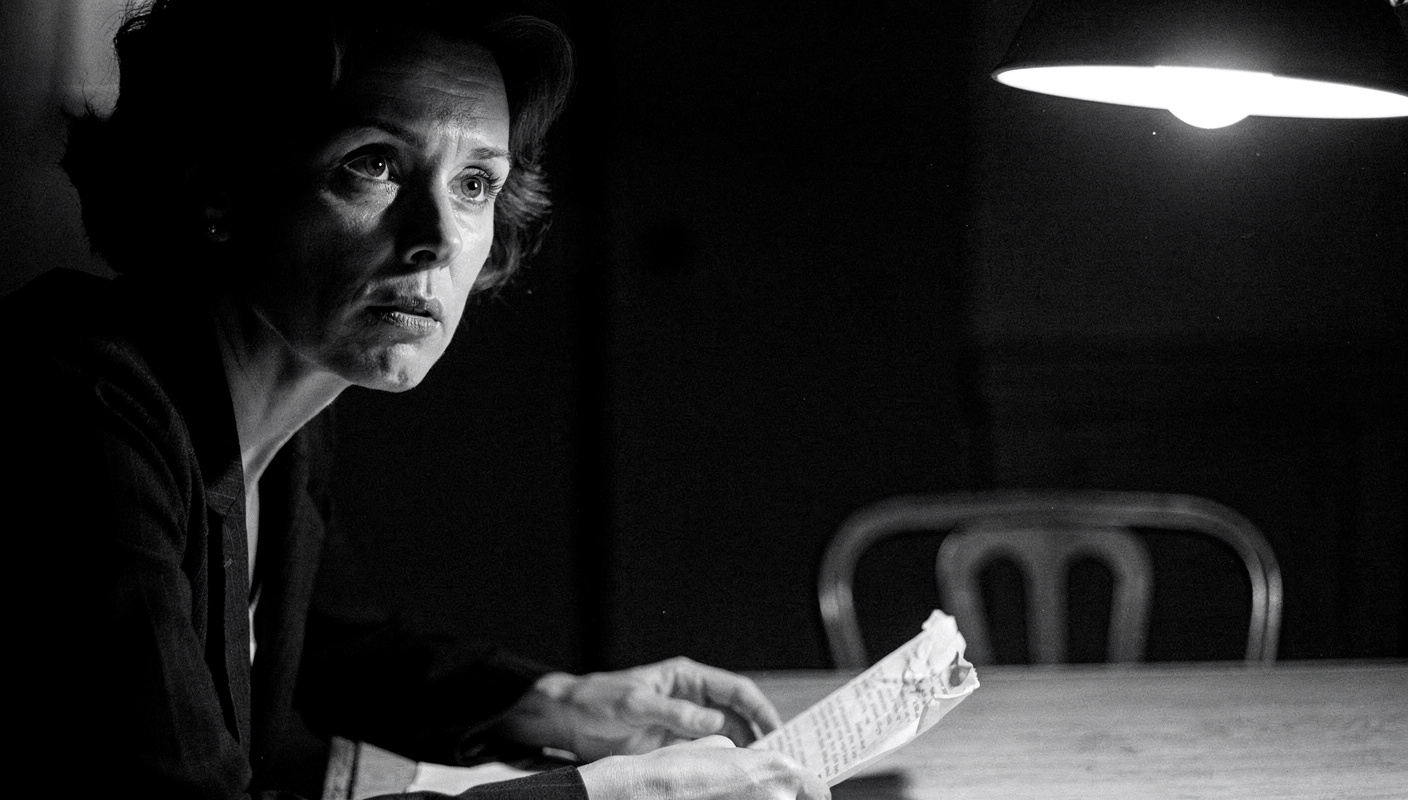
The result is gaze aversion. Your eyes break away not because you decided to look away, but because your nervous system made that choice for you before conscious thought had a chance to weigh in. In my experience, most people do not even notice they have done it until the conversation has already shifted. By then, the other person has read the signal.
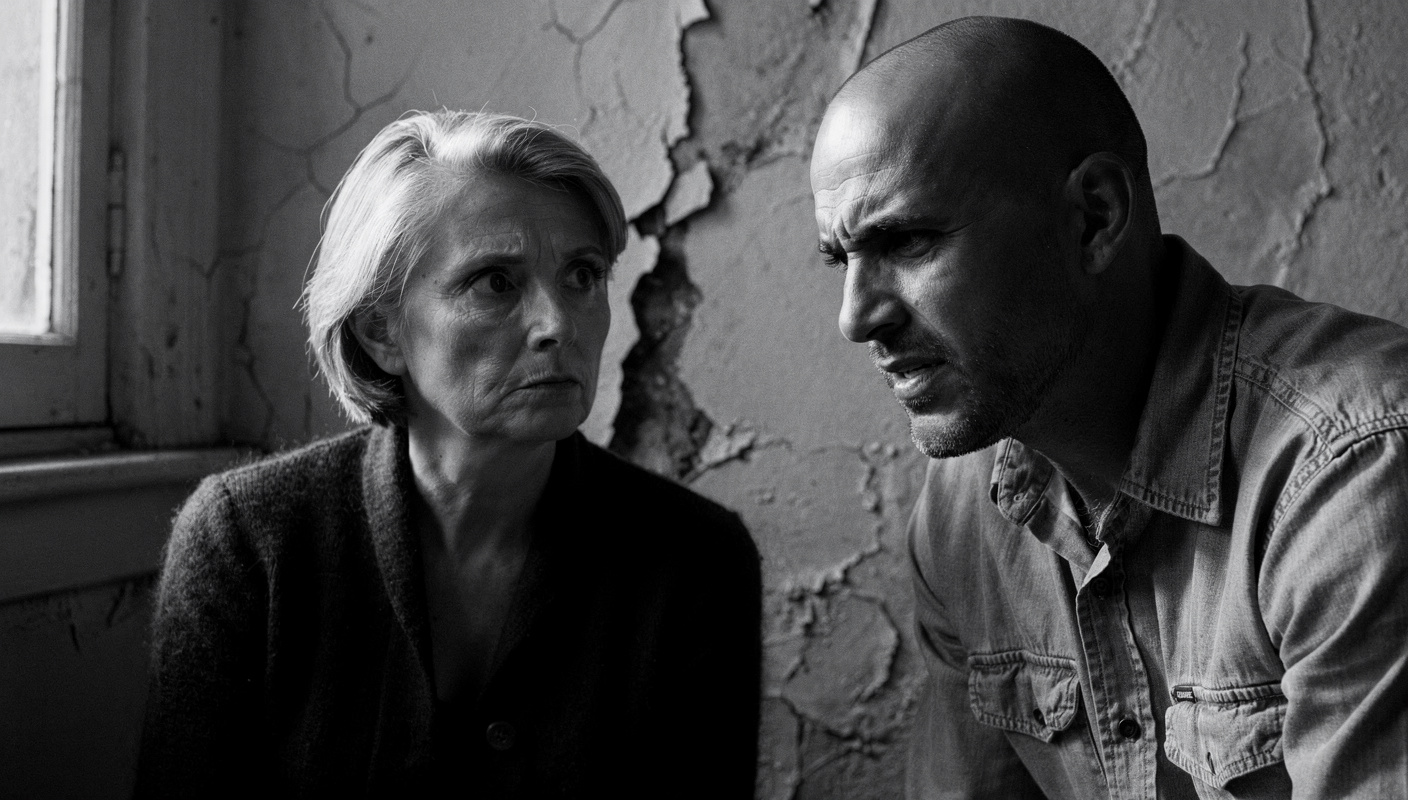
Here is what makes this particularly difficult. A held gaze, in calm conditions, is a signal of presence and respect. It says: I am here. I am listening. I am not afraid of this. When that gaze breaks under stress, it transmits the opposite signal, whether you intended it or not. The person across from you does not know your amygdala fired. They see eyes that will not hold theirs, and their own threat response activates in response. One person's broken gaze can pull an entire conversation into escalation.
"The Conversation You're Avoiding Is the One You Need to Have."
"The Conversation You're Avoiding
Is the One You Need to Have."
Stop rehearsing conversations you'll never have. Say It Right Every Time gives you 115 word-for-word scripts and 16 proven frameworks to speak with confidence in every conversation that matters.
Why Your Eyes Signal Threat Before You Speak
There is something worth understanding about how the brain processes nonverbal cues. It does not wait for language. Visual signals, including where your eyes are pointed and how steadily they hold, are processed faster than words. Long before you have finished your sentence, the person across from you has already read your gaze and made a judgment about your confidence, honesty, and emotional state.
This is not a flaw in human perception. It is the system working exactly as designed. For most of human history, reading another person's eyes for signs of fear, deception, or hostility was survival-critical. That ancient wiring still runs underneath every modern conversation.
When the eye contact amygdala response kicks in, you are not just losing a social nicety. You are transmitting a distress signal through a channel the other person's brain is watching closely. If you are managing conflict in a meeting, giving tense feedback to a colleague, or holding a difficult conversation with someone you care about, your eyes are making an argument your words have not started yet. And often, that argument is the wrong one.
What This Looks Like When It Plays Out
Let me make this concrete, because theory without a real situation attached to it does not stick.
You are in a performance review. Your manager delivers feedback you were not expecting and do not fully agree with. The moment the criticism lands, your amygdala fires. Your gaze drops to the table. You look at your hands. You glance briefly at your manager's face, then away again. You are not being dishonest. You are not being disrespectful. But your manager sees someone who cannot hold their eyes steady, and that reads as guilt, defensiveness, or evasion. The conversation that follows is now harder because of what your eyes communicated in those first ten seconds.
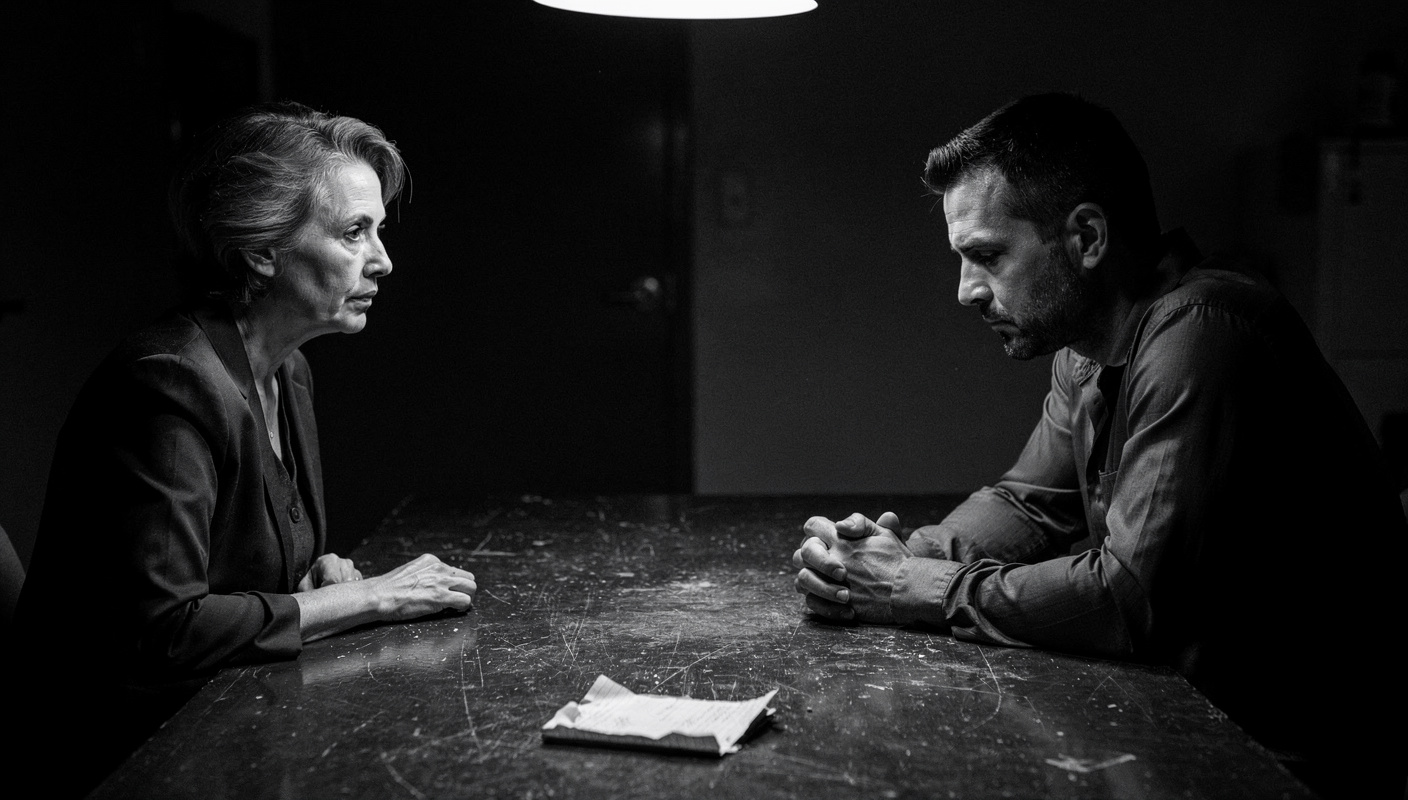
Or consider the other side. You are the one delivering difficult news. The person across from you tenses up. Their gaze starts to drift. You notice it, and your own nervous system responds. Their eye contact breaking triggers a subtle threat signal in you. You speed up your words. You look away yourself. Now both of you are in partial hijack, and the conversation is being steered by two sets of stress reflexes, not two clear minds.
I have watched this happen in leadership conversations, in couples counselling rooms, in negotiations where millions of pounds were at stake. The mechanics are the same regardless of the setting. Understanding how the amygdala hijack escalates workplace tension helps, but you also need to understand the specific role your eyes play in that escalation.
The Reason Most People Miss This Entirely
Here is the truth of it: most people focus on what to say when a conversation goes wrong. They rehearse their words. They prepare their arguments. They think about tone of voice. The eyes are almost never part of the preparation. And so when the amygdala fires and the gaze breaks, there is no recovery plan. The breakdown simply happens, and the person either does not notice it or notices it too late.
There is a second reason this goes unrecognised. We tend to experience the amygdala hijack as an internal event. Your own racing thoughts, the heat in your chest, the urge to get out of the room. You are absorbed in your own physiological state. Watching your own gaze behaviour is not something the hijacked brain does naturally. You are too busy managing the storm inside to notice where your eyes have landed.
I cover the full mechanics of the hijack and its conversational consequences in Say It Right Every Time, including the practical scripts that help you stay present when every instinct wants you to retreat. But the specific discipline of eye contact under pressure deserves its own examination, because it is the most visible piece of the hijack and the most misread.
The third reason is social conditioning. Many people were taught that avoiding eye contact is a sign of respect in certain situations, or of appropriate submission when being corrected. So when gaze aversion happens under stress, it can feel not just involuntary but somehow right. It takes real self-awareness to separate the cultural script from the physiological reflex.
How to Recognise the Breakdown Before the Damage Spreads
You cannot fix what you have not learned to notice. So the first practical skill is not holding better eye contact. It is learning to catch the moment yours breaks.
There are reliable physical signals that arrive just before gaze aversion. Your jaw tightens. Your shoulders lift slightly. You feel a pull toward the floor or toward the edge of the room. Your blink rate increases. These are all pre-aversion signs, the body preparing to withdraw visually. If you can learn to recognise those sensations, you gain a half-second window to make a different choice.
That window is not long. But it is enough, if you have prepared for it. Knowing how the 3-second pause stops tension escalation is directly relevant here: that brief pause creates just enough space for the cortisol spike to begin dropping, which makes holding your gaze physiologically possible again.
Resetting Eye Contact During a Tense Conversation
The reset does not happen through willpower. That is the mistake. Forcing yourself to hold a hard stare while your amygdala is still firing does not produce confident eye contact. It produces the kind of wide, rigid, unblinking gaze that actually increases perceived threat in the other person. You are aiming for calm and steady, not locked and tense.
The reset happens through regulation first, gaze second. Here is what that looks like in practice:
Breathe before you look. Take one slow breath through the nose before you reintroduce visual engagement. That breath activates the parasympathetic nervous system. It does not eliminate the hijack, but it begins to shorten it. Your cortisol levels start dropping. Your attention starts widening. Your eyes become capable of holding again.
Return to the face, not the eyes. If full eye contact still feels like too much in the moment, start by looking at the person's face rather than directly into their eyes. The distinction matters neurologically. The other person experiences it as engagement. Your own nervous system experiences it as less threatening than a direct gaze lock. Use it as a stepping stone.
Hold for two to three seconds, then allow natural movement. Sustainable eye contact is not a stare. It involves brief, natural breaks, looking briefly toward a thought, then returning. What you are practicing is deliberate return, not rigid holding. The goal is a pattern of consistent return, which reads as presence and respect.
The C.O.R.E. Framework offers a reliable structure for staying grounded when the amygdala fires, and the same framework applies here: Clarity, Openness, Respect, and Empathy are qualities you express through your body as much as through your words. Your eyes are doing much of that expressing. When feedback triggers a defensive reaction, the eye contact reset is often the first visible sign that a person has returned to themselves.
Building the Capacity Before the Crisis Arrives
Here is something I have learned the hard way: you cannot practise this for the first time in a high-stakes conversation. The nervous system learns through repetition at lower levels of stress, not through heroic effort at peak pressure.
In low-stakes conversations, begin noticing your eye contact patterns. Do you naturally hold longer when you are confident? Do you break earlier when the topic is uncomfortable? Most people, when they pay attention honestly, discover their gaze is highly responsive to their emotional state. They thought they were in control of it. They were not.
Then begin practising deliberate return. Not forced holding. Deliberate return. Each time you notice your gaze has drifted, bring it back without self-judgment. Over weeks, this builds a neural pathway: the habit of noticing the break and choosing the return. By the time you are in a meeting where conflict breaks out or tension rises unexpectedly, that habit is already available to you.
For teams where this pattern is widespread, the issue tends to show up as something more diffuse: people talking past each other, misreading each other's intentions, feeling unseen in hard conversations. The signs that a team's amygdala hijack problem has become systemic often include exactly this kind of collective gaze withdrawal. Nobody is present. Everyone is managing their own stress. And nobody is seeing anyone else clearly.
The Say It Right Every Time framework for difficult conversations builds this kind of somatic awareness alongside verbal preparation precisely because the two cannot be separated. What your body does during a hard conversation shapes what the other person hears, regardless of your words.
What You Carry Out of This Understanding
The eye contact amygdala response is not a character flaw. It is not a sign of weakness or dishonesty. It is a reflex older than language, doing exactly what it was built to do. The problem is that it was not built for modern conversation. It was built for survival in a world that no longer exists, and it costs you credibility, connection, and trust in the world that does.
Once you understand that your gaze breaking under pressure is a physiological event, not a choice, three things change. You stop blaming yourself for it. You start noticing it earlier. And you build a recovery practice that works with your nervous system rather than against it.
That practice, applied consistently over time, is what separates people who stay present and trustworthy in hard conversations from those who lose the room before they have said a word. The eye contact amygdala reflex will always exist. What you build is not the absence of the reflex. What you build is the speed and skill of the return.
Frequently Asked Questions (FAQ)
What happens to eye contact during an amygdala hijack?
During an amygdala hijack, the threat response triggers gaze aversion as a protective reflex. Eye contact feels threatening, so the brain instinctively breaks it. This happens before conscious thought, which is why people often do not notice until the damage to connection and trust is already done.
Why does eye contact feel so hard in tense conversations?
In tense conversations, your nervous system registers social threat similarly to physical danger. Holding another person's gaze requires calm, and stress arousal makes calm impossible. The result is ocular withdrawal: your eyes break away not from rudeness but from a survival reflex you did not choose.
How do you reset eye contact after losing it under stress?
Start with a three-breath reset to lower cortisol and activate the parasympathetic response. Then reintroduce visual engagement gradually, with brief, deliberate glances held for two to three seconds. Do not force a locked stare. Rebuilding sustained gaze after an amygdala hijack takes patience, not willpower alone.
Does breaking eye contact make you look dishonest or weak?
It can, and that is the real cost of the eye contact amygdala response. The other person reads gaze aversion as a social signal of discomfort, evasion, or lack of confidence, even when it is simply a stress reflex. The impression forms before either person can explain what actually happened.
Can you train yourself to hold eye contact under pressure?
Yes, and this is where practice matters most. You cannot override the amygdala by wanting to. But through deliberate low-stakes rehearsal, breath-based regulation, and repeated exposure to mild tension, you can shorten the window between hijack and recovery. The skill is not perfect gaze. It is faster reset.
How does eye contact affect trust during a difficult conversation?
Sustained, calm eye contact signals safety and respect. When you hold another person's gaze steadily during a hard conversation, you communicate that you are present, regulated, and trustworthy. When you avoid it, the other person's own threat response activates. One person's broken gaze can escalate the tension in the entire room.