
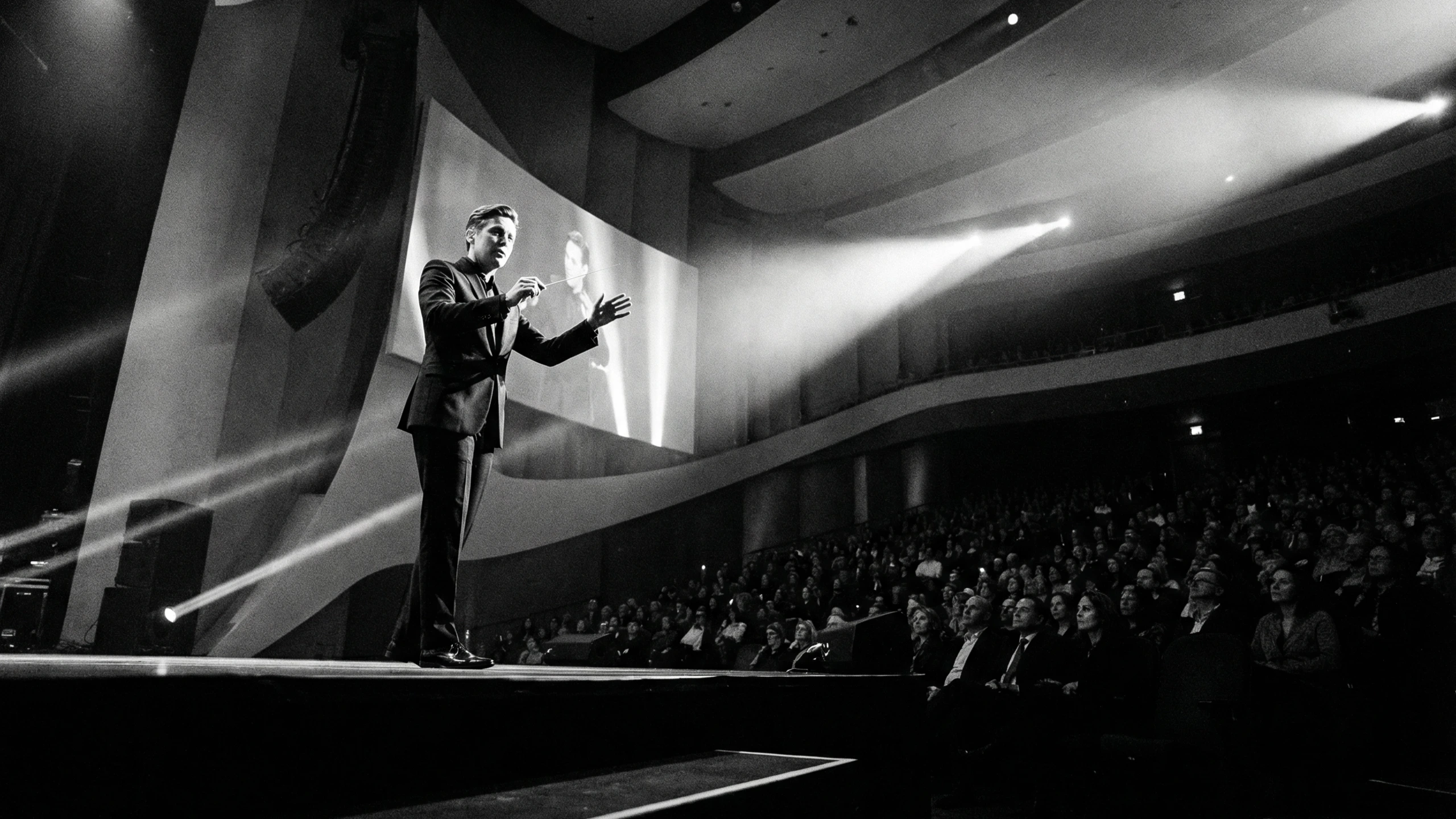
Memorable Endings
How to close a presentation with clarity and impact — leaving the audience with a message that stays with them long after the room empties.
The ending of a presentation is its second most important moment — and the one most likely to be rushed, weakened, or abandoned entirely as presenters run out of time and energy. A strong closing is not a summary of what has already been said; it is the moment when the whole presentation resolves into its essential point, the moment when the audience is given the clearest possible formulation of what they should think, feel, or do as a result of what they have just heard.
This subtopic covers memorable presentation endings: how to design a closing that arrives rather than trailing off, how to use the callback — returning to the story, image, or question from your opening — to create a satisfying sense of structural completion, how to deliver a clear and memorable single-sentence formulation of the core message that the audience will still be able to articulate a week later, how to end with a specific and actionable call to what comes next rather than a vague invitation to reflect, and how to time and deliver your final words with the deliberate energy and pace that signals arrival rather than exhaustion. You will find guidance on the endings to avoid — the string of summary bullets, the trailing thank you, the question that opens a discussion the presenter is not prepared to facilitate — and on how to rehearse your ending with the same care as your opening.
Memorable endings are what make presentations last beyond the room. These articles help you design and deliver them with craft.
No articles yet
Check back soon for articles on Memorable Endings.