
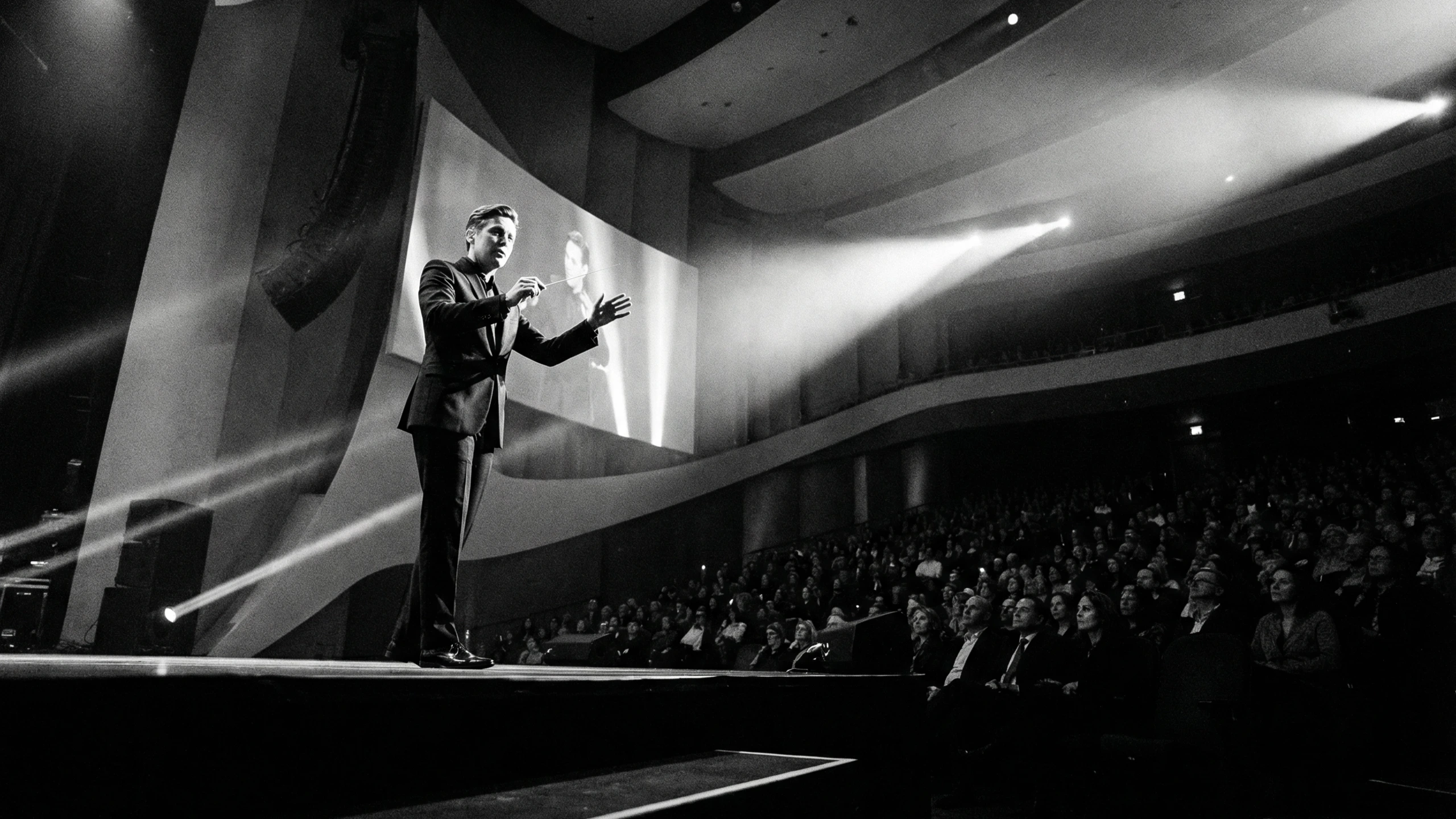
Rehearsal Strategies
How to rehearse presentations in ways that build genuine fluency and confidence — not word-perfect repetition but practised ease with the material.
Most people either over-rehearse — drilling the presentation until it becomes a mechanical recitation that loses all natural quality — or under-rehearse — running through the material once or twice and discovering the gaps only in front of the audience. Effective rehearsal is neither of these; it is a deliberate practice process that builds genuine command of the material, comfortable relationship with the structure, and the confident adaptability that allows real-time adjustment when the live delivery diverges from the plan.
This subtopic covers rehearsal strategies for presentation preparation: how to rehearse for structure and fluency rather than word-perfect recall — knowing what you need to say at each stage rather than how you need to say it, how to use out-loud rehearsal rather than silent review to expose the gaps and awkward transitions that mental run-throughs conceal, how to rehearse the critical moments — opening, key transitions, closing — with greater intensity than the body of the presentation, how to use video self-review as a tool for identifying and correcting specific delivery issues, and how to calibrate the amount of rehearsal to the stakes of the presentation and your existing familiarity with the material. You will find guidance on rehearsal timelines — how to distribute rehearsal across the preparation period rather than concentrating it the night before — and on how to rehearse in ways that build adaptability rather than rigidity.
Rehearsal strategy is what separates confident delivery from hopeful delivery. These articles develop it with practical, presentation-specific depth.
No articles yet
Check back soon for articles on Rehearsal Strategies.