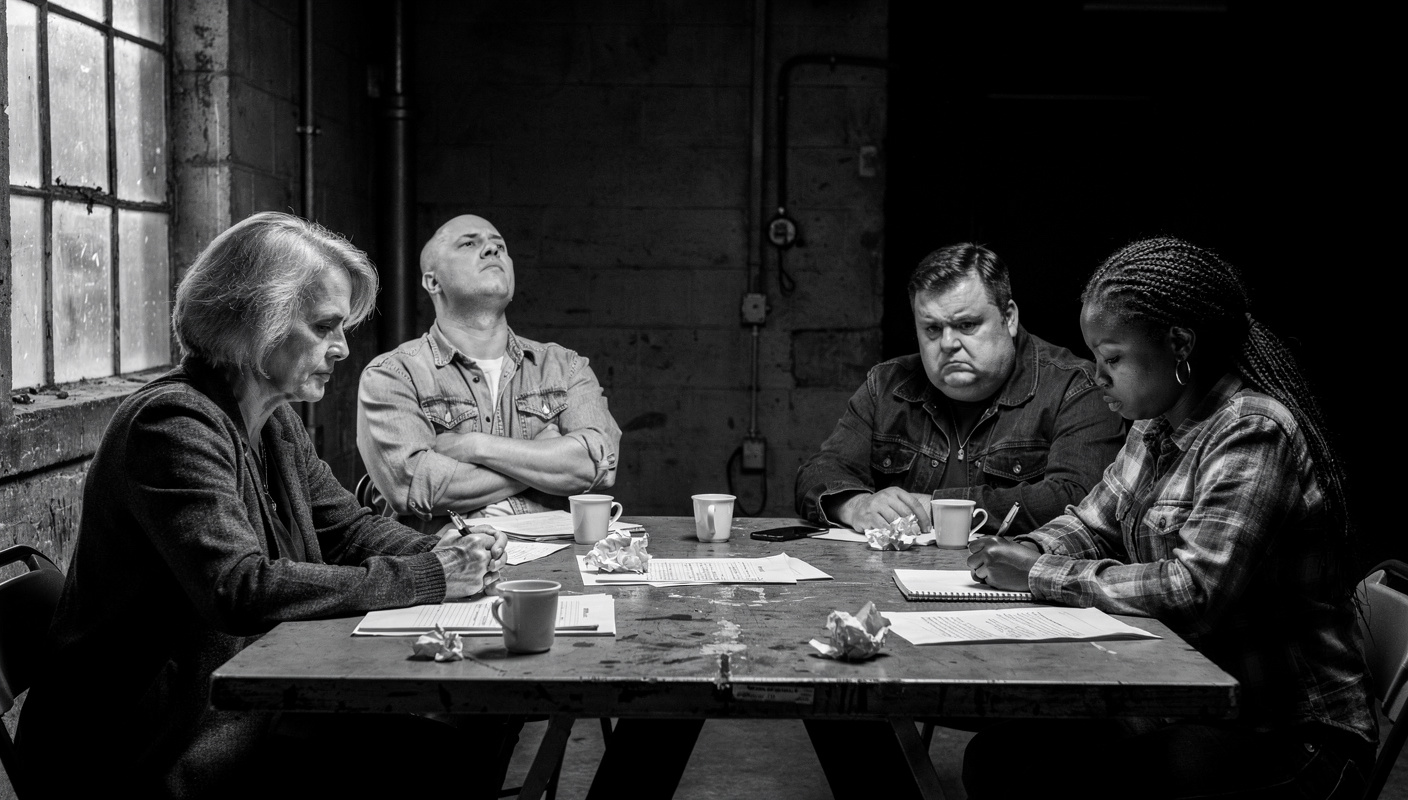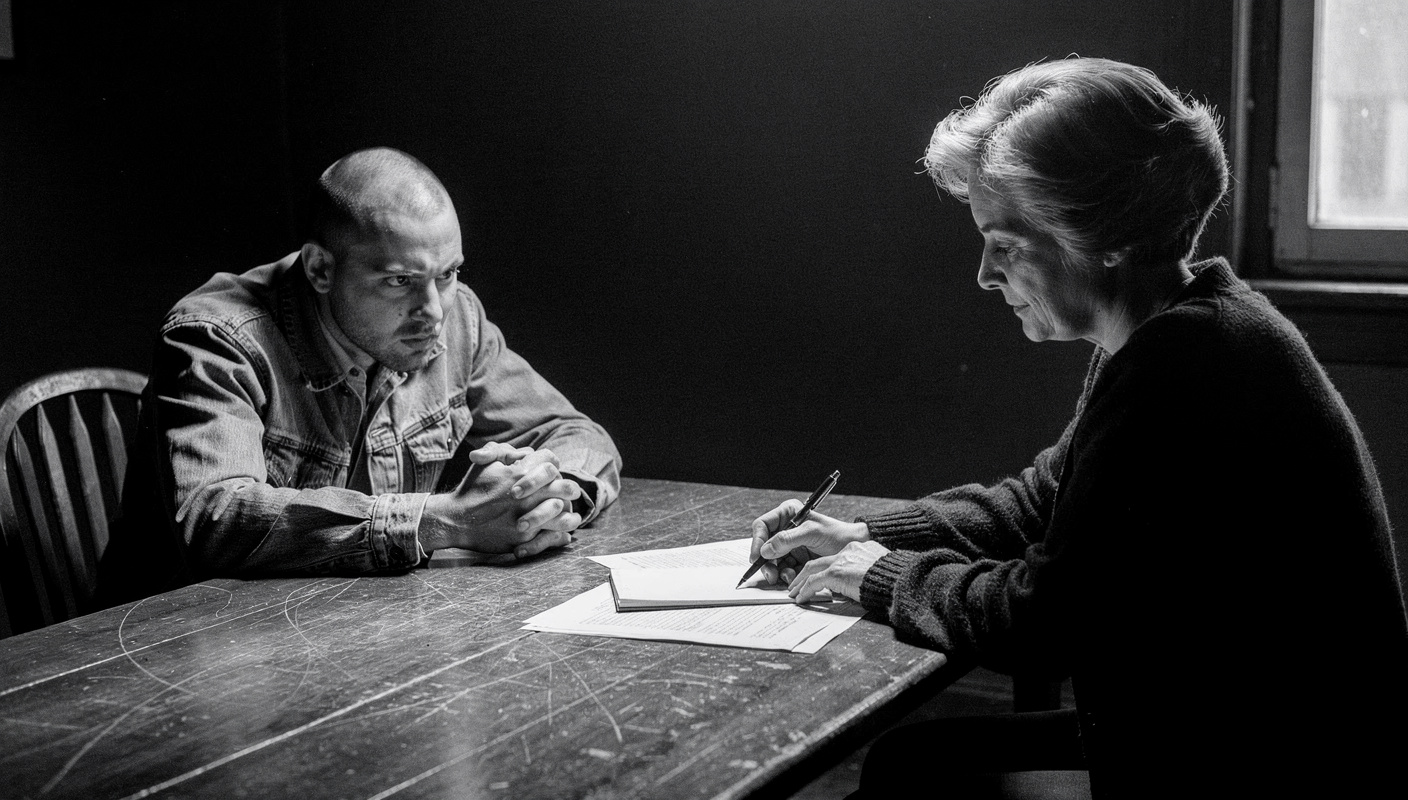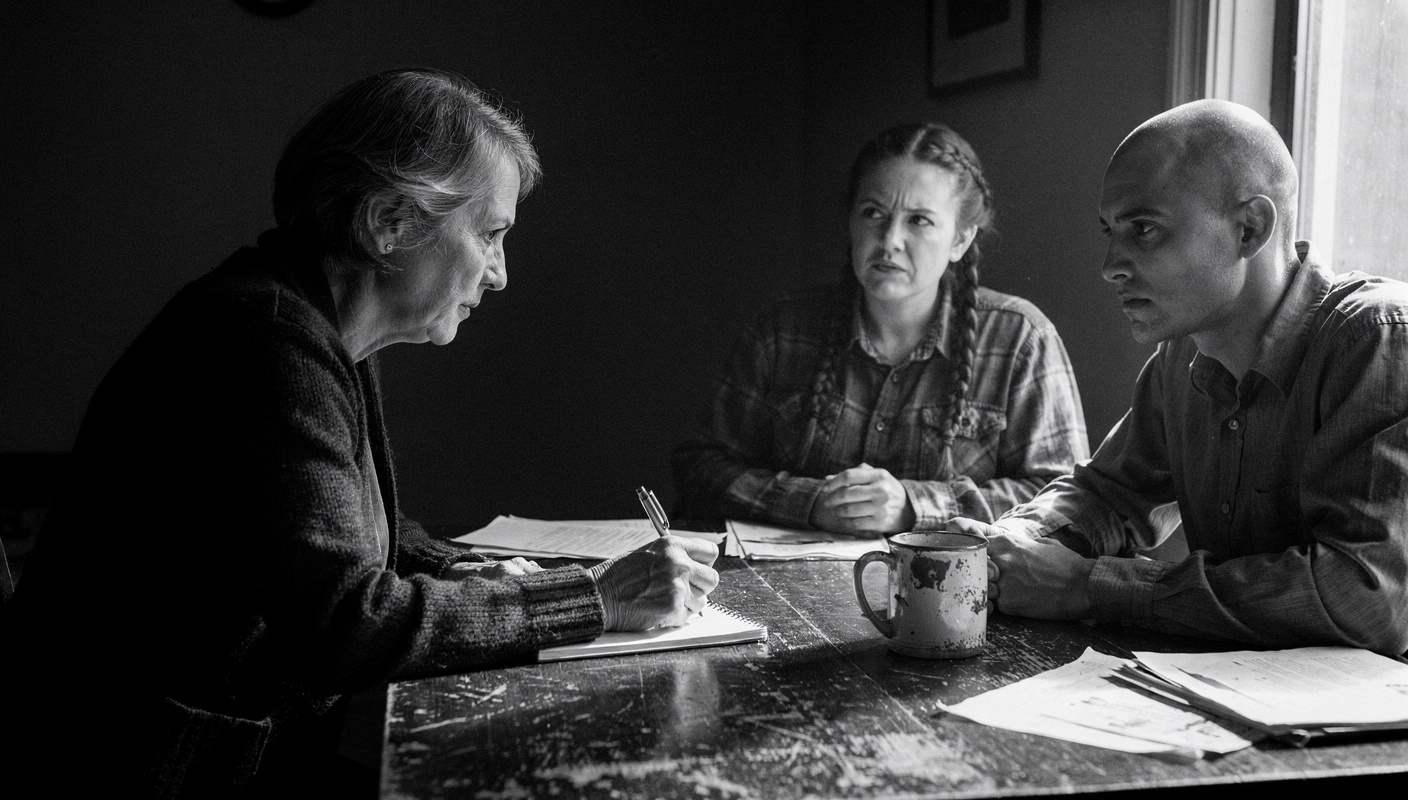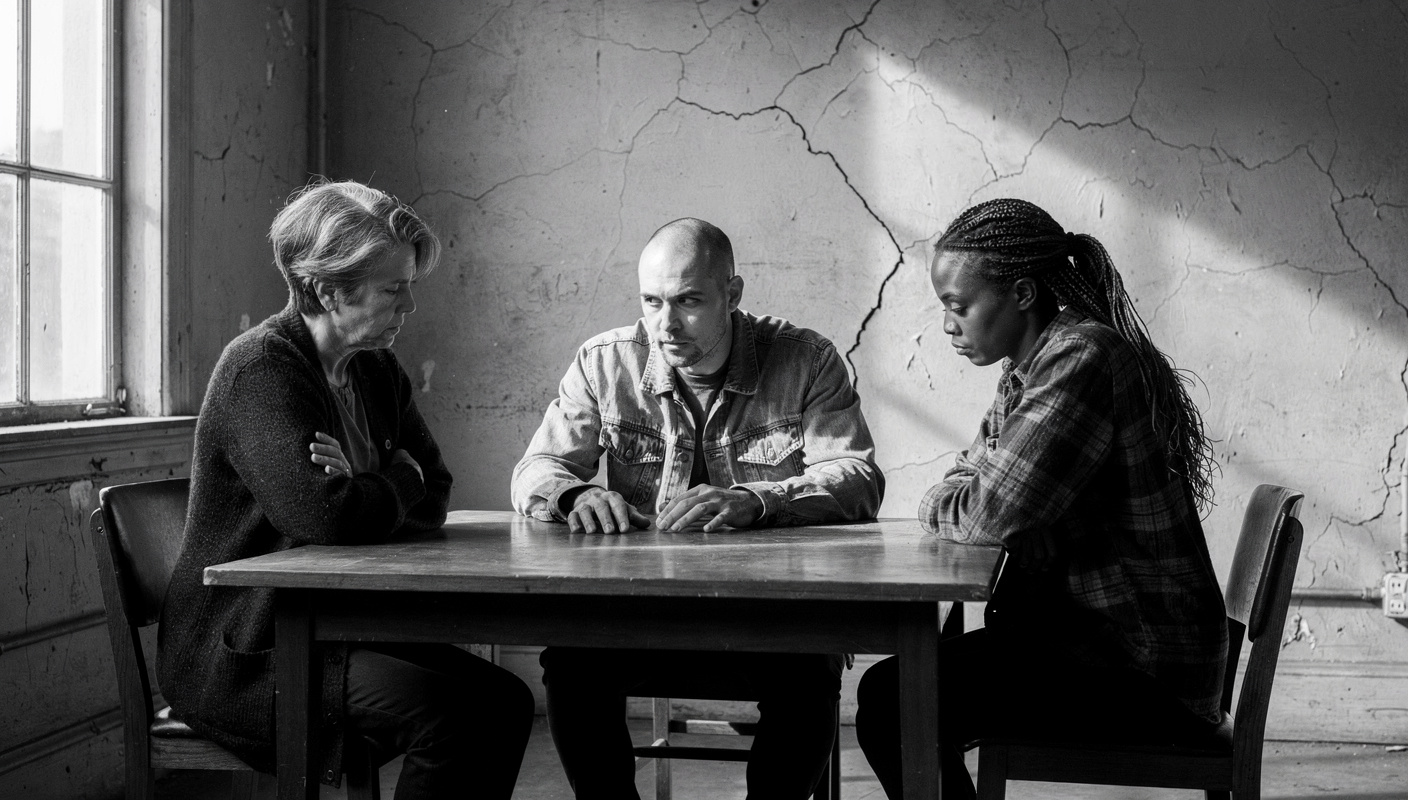

In Short
These five case studies show that team synergy is not a personality trait or a lucky accident, it is the result of specific, observable communication behaviours.
- Synergy depends on trust, clarity, and the courage to speak across role boundaries.
- Its absence has a measurable cost, in time, morale, and results.
- The same patterns appear in every team that achieves it.
Team synergy is the condition in which a group of people produces better results together than any individual could produce alone, achieved through clear communication, shared ownership, and mutual trust that allows each person's contribution to strengthen the others.
I remember watching a product team finish a presentation in a crowded hallway. No one called the meeting. No one sent an agenda. A designer had spotted a problem, told an engineer, and the engineer had pulled in a copywriter. Forty minutes later they had a solution. That was the moment I understood team synergy not as a concept, but as something you can actually see.
Definitions tell you what synergy is supposed to mean. Examples show you what it actually looks like when people are under pressure and the stakes are real. They reveal the friction, the hesitation, the moment when someone decides to speak up instead of staying quiet. That gap between knowing a concept and recognising it in practice is where most leaders get stuck.
What follows are five case studies that show exactly what team synergy looks like when it works, and when it does not. If you want to understand the foundational principles behind these examples, the S.T.R.O.N.G. Method for building synergy through conversation is a useful companion to what you are about to read.
What to Look for in These Examples
Before we go into the examples, here is what to watch for.
- Who speaks first, and why. In high-synergy teams, people share information before they are asked. Watch for the moment someone volunteers something they did not have to share, and notice what made that possible.
- How disagreement gets handled. Teams with real synergy do not avoid conflict. They name problems directly and work through them. If you see a team smoothing over tension without addressing it, that is a warning sign worth noting.
- Whether knowledge is hoarded or circulated. Synergy breaks down when critical information lives with one person. Watch for whether team members actively transfer what they know to the people who need it.
- The quality of handoffs. Poor handoffs, where work passes between people with gaps, assumptions, or silence, are one of the clearest signs that synergy is absent.
- Who gets credit, and how it is given. In teams with strong collective cohesion, credit tends to be distributed. When one person consistently claims all the recognition, the shared ownership that synergy requires begins to erode.
Keep these in mind as you read each example.
"The Conversation You're Avoiding Is the One You Need to Have."
"The Conversation You're Avoiding
Is the One You Need to Have."
Stop rehearsing conversations you'll never have. Say It Right Every Time gives you 115 word-for-word scripts and 16 proven frameworks to speak with confidence in every conversation that matters.
Example 1: The Team That Stopped Passing Problems Upward
A mid-sized logistics company had a five-person operations team responsible for coordinating deliveries across three regional hubs. For two years, any conflict between the hubs went straight to the operations director. The team was capable. They simply did not see it as their place to resolve cross-hub tensions.
A new team lead joined and spent her first month doing nothing except asking questions in group check-ins: "What's blocking you? Who needs to know that?" She did not solve problems. She redirected them back to the team. Within six weeks, a warehouse coordinator in one hub was speaking directly to a scheduling lead in another, sharing capacity data that had previously been filtered through management.
The shift was not about new tools or training. It was about permission. When people understood that direct peer communication was expected and supported, they stopped waiting for the director to mediate. Decisions that had taken four days began happening in a single conversation. You can find more examples of this pattern in synergistic collaboration at work.
What this reveals is that synergy often sits dormant inside capable teams. The barrier is rarely skill. It is the belief that speaking across boundaries is someone else's job.
That is what team synergy looks like when it is unlocked.
Example 2: A Cross-Functional Launch That Nearly Fell Apart
A software company was preparing to launch a new product feature. The project team included developers, a marketing lead, and a customer success manager. Each group had its own timeline, its own priorities, and its own definition of "ready." No one had agreed on a shared one.
Three weeks before launch, the customer success manager discovered that the feature required a workflow change she had never been briefed on. Her team would need to retrain thirty clients in under two weeks. She raised it in a company-wide Slack channel out of frustration, not because she thought it would help.
The developer lead saw the message and called her directly. It was an uncomfortable conversation. He had assumed someone else had communicated the change. She had assumed she would be consulted before anything affected her clients. Neither assumption had been checked. They worked through the night to produce a simplified guide together. The launch went ahead, barely on time, with the training completed in eleven days. This kind of cross-boundary recovery is explored further in cross-functional team synergy examples from leading organisations.
What this reveals is that synergy does not require perfection. It requires the courage to have the difficult conversation before the situation forces your hand.
That is what happens when team synergy is built under pressure rather than planned in advance.
Example 3: The Department That Could Not Agree on Anything
A healthcare administration team of eight had been operating for three years with chronic tension between the clinical documentation team and the billing team. Each group believed the other was creating extra work. Meetings ended with polite summaries and no real decisions. People described the relationship as "professional" and meant it as a criticism.
A facilitator brought both teams into a joint session and asked one question: "What does the other team do that makes your job harder?" The room went quiet for a long moment. Then the billing lead said, quietly, that incomplete admission notes cost her team four hours of rework per week. The documentation lead looked genuinely surprised. She had no idea. She had assumed billing was just slow.
Over the next ninety minutes, the two teams mapped every handoff between them. They found six points where information was routinely lost, assumed, or duplicated. They agreed on three new protocols. Six months later, rework time had dropped by half. If you are managing a similar breakdown between departments, the article on rebuilding trust between departments whose lack of synergy is hurting results goes into this repair process in detail.
What this reveals is that the absence of conflict is not the same as the presence of alignment. Teams can be polite and deeply disconnected at the same time.
That is what happens when team synergy is replaced by managed avoidance.
Example 4: A Small Team That Outperformed Its Resources
A three-person communications team at a non-profit was responsible for a campaign that typically required a team of eight. Budget had been cut. Deadlines had not. What they had in their favour was trust built over four years of working together.
Each person knew the others' strengths without needing to discuss them. The writer knew when to hand a draft to the designer before it was finished, because early feedback saved revision time. The digital lead ran their weekly check-in using a single shared document that everyone updated in real time. Meetings were short because the document handled the routine updates, and running productive meetings that don't waste time was something they had long since figured out. Disagreements happened, but they were named quickly and resolved the same day.
The campaign launched on time with results that surprised their board. The team did not attribute it to talent. They attributed it to not having to explain themselves to each other.
What this reveals is that when interdependence is genuine and trust is deep, a small team can carry a load that would require far more people in lower-synergy conditions.
That is what team synergy looks like when it is fully operational.
Example 5: The High-Performing Team That Fractured Quietly
A sales team had been the company's top performer for three consecutive years. From the outside, they appeared to be a model of collaborative success. Inside, a different pattern had developed. The team lead had gradually taken on the role of single point of contact for all client escalations, all internal conflicts, and all strategic decisions.
Over time, the other five members stopped offering input. They were capable of handling escalations. They had simply learned that the team lead would handle them faster, and that contradicting her in front of clients was unwelcome. When she left for a competitor, the team lost 40 percent of their accounts in the following quarter. No one else knew the clients' full histories. No one had been trusted with the relationships.
What had looked like high performance was actually high dependency. Peer-to-peer feedback that strengthens team bonds is one of the tools that might have caught this pattern earlier, had anyone been asking for it. The team's collective intelligence had atrophied because one person's individual excellence had replaced the need for it.
What this reveals is that sustained results require distributed knowledge and shared ownership. A team built around one person's strengths is not a synergistic team. It is a single point of failure.
That is what the absence of team synergy looks like when it is hidden inside apparent success.
The Patterns Across All These Examples
Looking across these examples, several patterns emerge that are worth naming clearly.
Synergy requires explicit permission. In the logistics example and the healthcare example, people had the skills to collaborate but did not believe it was expected of them. Until a leader or a structured conversation created space for direct communication, the capability sat unused. Synergy does not appear because people are talented. It appears because the conditions allow it.
Information hoarding is always a structural failure. In the sales team example, critical knowledge was held by one person. That is not a character flaw. It is what happens when a team does not build deliberate systems for sharing what each person knows. Strong teams treat knowledge transfer as a routine responsibility, not an exceptional act.
Conflict named early costs less than conflict avoided. The cross-functional launch team and the healthcare team both paid a higher price for avoiding tension than they would have paid for addressing it sooner. In both cases, the moment someone finally said the difficult thing, progress became possible. Good feedback habits are part of how teams catch these problems before they compound. The article on why effective feedback is the backbone of workplace growth explains this connection in detail.
Shared ownership multiplies output. The three-person non-profit team outperformed their resource constraints because every person owned every outcome, not just their individual task. That is the practical meaning of collective strength: not that everyone does everything, but that everyone cares about the result, not just the task.
These patterns are not coincidences. They are the mechanics of team synergy at work.
What These Examples Mean for You
Reading examples is only useful if you can apply what you observe. Each of these case studies points to something you can examine in your own team right now.
- Do people on your team share information without being asked? If the answer is no, consider whether the structure of your meetings and communication channels makes proactive sharing easy. Running meetings that respect time and produce decisions is one place to start.
- When something goes wrong, who finds out first? If the answer is always the team lead or the manager, your team's communication flow is filtering problems upward instead of resolving them laterally. That is a sign that trust or permission is missing.
- Can every team member describe what the others are currently working on? If not, the risk of duplicated effort and missed handoffs is real. Strong interdependence requires visibility, not just goodwill.
- Has your team ever named a conflict directly in a group setting? If the culture is one where tension stays private and meetings stay smooth, you may be trading short-term comfort for long-term disconnection, which erodes the shared ownership that synergy depends on.
- If your strongest person left tomorrow, what would break? If the honest answer is "a great deal," the team's strength is concentrated rather than distributed. Building team synergy means spreading capability and knowledge deliberately, not leaving it to form around whoever is most capable.
If several of these questions give you pause, the examples of synergistic collaboration at work article offers a useful next step for seeing what the alternative looks like.
Frequently Asked Questions (FAQ)
What is team synergy in the workplace?
Team synergy is what happens when a group produces better results together than any member could achieve alone. It requires shared goals, clear communication, and mutual trust. When these are present, the team's collective output consistently exceeds what individual contributions would predict.
What does team synergy look like in real companies?
In real organisations, team synergy shows up as faster decisions, fewer dropped handoffs, and people speaking up across role boundaries. Teams with strong synergy do not wait to be told what to share. They communicate proactively because they trust the information will be used well.
How do you know if your team has synergy?
Look for three signals: people volunteer information without being asked, disagreements get named and worked through rather than avoided, and no single person holds all the critical knowledge. If your team hides problems or silos information, synergy is likely absent.
Can team synergy be rebuilt after it breaks down?
Yes, but it takes deliberate effort. The most important step is naming the breakdown honestly rather than working around it. Teams that rebuild trust tend to start with small, low-stakes wins and clear agreements about how they will communicate going forward.
What kills team synergy most often?
The most common cause is unclear ownership. When two people both think they are responsible for the same task, or when neither does, resentment and confusion follow. A close second is unspoken tension that never gets addressed, which erodes the willingness to share information openly.
How is team synergy different from just good teamwork?
Good teamwork means people do their individual jobs well. Team synergy means the collaboration itself creates something better than those individual efforts would produce. The difference is whether the group actively builds on each other's work or simply divides it and reassembles the pieces.