
In Short
Synergy workshops can spark genuine change, but only if the team treats the workshop as a starting point, not a solution.
- The insight a workshop produces evaporates without structural follow-through.
- Team cohesion is built through repeated communication habits, not single events.
- What happens in the days after the workshop matters more than what happens inside it.
Synergy workshops work when they create a shared framework for communication that a team then practises consistently. A synergy workshop is a structured group session designed to improve how a team collaborates, communicates, and produces collective results.
Introduction
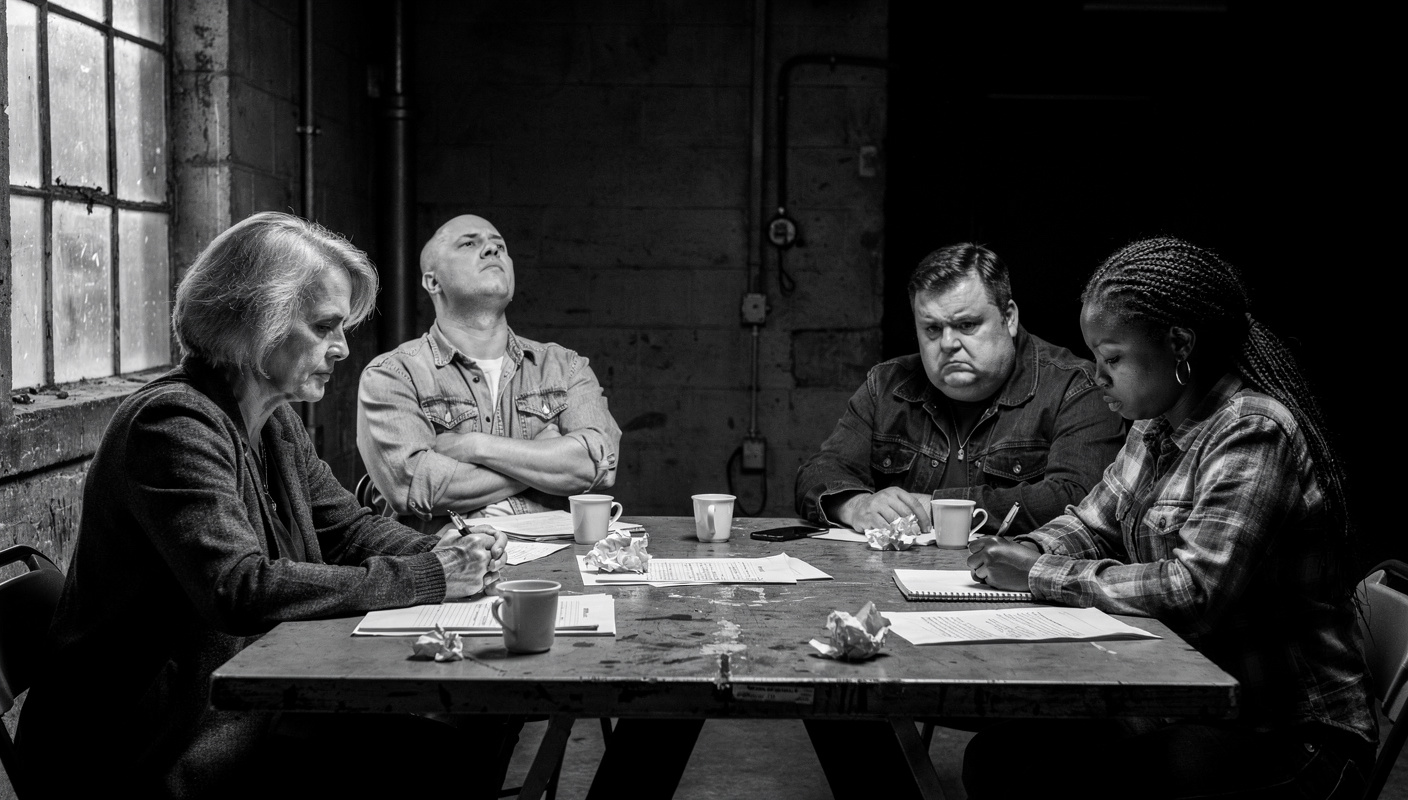
I have sat in enough of these rooms to know the feeling. The energy is real. People are laughing, connecting, talking honestly, perhaps for the first time in months. Then Monday arrives, the emails pile up, and within a fortnight the old patterns have quietly returned. The question of whether synergy workshops work is not a simple yes or no. It is a deeper question about what actually builds team synergy, and whether a single event can ever be the answer.
Most teams who invest in a workshop are hoping the workshop itself will do the work. That is an understandable hope. It is also why so many of them walk away disappointed. Understanding why workshops succeed or fail requires looking past the event itself and into the mechanism that determines whether any team ever truly changes how it works together.
In this article, you will understand what drives lasting team cohesion, why workshops so often miss that target, and what it means for how you design, run, and follow through on any effort to improve how your team works. If you want the broader picture on what team cohesion actually is, start with What Is Team Synergy and Why It Matters.
"The Conversation You're Avoiding Is the One You Need to Have."
"The Conversation You're Avoiding
Is the One You Need to Have."
Stop rehearsing conversations you'll never have. Say It Right Every Time gives you 115 word-for-word scripts and 16 proven frameworks to speak with confidence in every conversation that matters.
The Surface vs the Root of Team Cohesion
Most people understand team cohesion at the surface level. A good team communicates well, supports each other, and gets results. When that breaks down, the obvious solution is to bring people together, usually in a room with a facilitator, some structured exercises, and time set aside to talk honestly. The logic feels sound.
At the surface, a workshop looks like a fix. It addresses the visible symptoms: people not listening, silos forming, frustration building. It creates a temporary environment where those symptoms are suspended, where the usual pressure is off and conversation flows more freely. That surface-level relief is real. But it is not the same as change.
The root of team cohesion is not a feeling generated in a room. It is a set of communication habits that a group practises so consistently that they become the norm. Those habits form through repetition, through correction, and through trust built over time. No single event plants roots that deep. Understanding the root changes how you respond to the surface.
Synergy Workshops Work Best as Starting Points, Not Solutions
Here is what I have learned after watching teams try to solve this problem for decades. The workshop is not the issue. The issue is what the team does with it.
The insight a workshop produces is genuine. When people are taken out of their usual environment and asked to reflect honestly on how they work together, they often see things clearly that they have been avoiding. That clarity is valuable. It is the raw material for real change. Which means that in practice, the workshop's job is to generate insight, not to deliver change.
The problem is that insight without application has a short shelf life. I have watched teams leave a session buzzing with energy, full of good intentions, armed with new tools. Two weeks later, the pressure of daily work has absorbed all of it. The insight did not disappear because it was wrong. It disappeared because no structure existed to keep it alive. This is why teams that schedule follow-up conversations within a week of the workshop hold onto far more of what they learned.
Trust is the other piece. Team synergy depends on psychological safety, the felt sense that it is safe to speak honestly, disagree, and acknowledge mistakes. A workshop can open that door. It cannot keep it open. Only repeated experience of being heard and respected does that. Which means that a single workshop session, however well designed, is asking people to trust a door that has barely been tested.
Communication norms are the third element. Every team has them, spoken or not. A workshop can name the unhelpful ones and propose better ones. But norms only change when leaders model the new behaviour consistently and hold the group to it. That is a daily commitment, not a workshop deliverable. That is why teams that do this well treat the workshop as week one of a longer process, not as the process itself.
The mechanism is simple when you see it clearly. Workshops create conditions for change. They do not create the change itself. Change is created by what teams practise between workshops.
What This Looks Like in Real Situations
Here is where this mechanism becomes visible in the everyday life of a team.
A technology company ran a full-day synergy workshop after months of tension between two departments. The day went well. People acknowledged things they had never said aloud. By the end of the session, both groups had agreed on a set of shared communication principles. Three months later, the tension had returned almost entirely. The principles had never been revisited. No one had been asked to account for them. The insight had nowhere to land.
A small professional services firm did something different. After their workshop, the team leader set a standing fifteen-minute meeting every two weeks with one agenda item: how are we doing against the agreements we made? The quality of conversations in that room was not always comfortable. Sometimes people had to say they had slipped back. But the consistent accountability kept the norms alive. Six months later, the team's dynamic was genuinely different. The root mechanism here was the same as the first example: insight generated in a room. The difference was that one team built a structure to practise it, and the other did not.
A mid-sized organisation invested in a two-day offsite workshop for their senior leadership team. The facilitator was skilled. The exercises were well designed. But the CEO did not change how he ran weekly meetings after the event. The team quickly read the signal: the workshop was something they attended, not something they were expected to live. Behaviour changed only when the CEO began applying the feedback tools they had discussed, visibly and consistently. The feedback loops that followed made more difference than the offsite had.
In each of these situations, the surface behaviour was different. The root mechanism was the same.
Why Most People Miss This
If this insight is this important, why do so few people see it clearly? Why do organisations keep investing in workshops and walking away disappointed?
Workshops feel like progress. Booking a facilitator, clearing the calendar, and getting the team in a room all feel like decisive action. They signal that leadership takes the problem seriously. That signal has value. But it can also substitute for the harder, less visible work of changing daily norms. Because the workshop is measurable and visible, it receives the attention. Because follow-through is slow and unglamorous, it does not.
Behaviour change is slower than insight. A good workshop can shift how someone thinks about their team in a matter of hours. Shifting how they actually behave under pressure takes months. That gap is uncomfortable. Teams often mistake the insight for the change, because the insight arrives so much faster and feels so much more satisfying.
Leaders underestimate their own role. The most common reason a workshop's impact fades is that the leader does not consistently model the new norms. Teams watch what their leader does, not what a facilitator said on a Tuesday in October. When the leader returns to old patterns, the team follows. Most leaders know this in theory. Far fewer apply it with the consistency it requires. How leaders foster a culture of team synergy is worth reading before you book any workshop.
Awareness is the beginning. But awareness without application changes nothing.
What This Means for How You Communicate After a Workshop
Understanding this changes what you do in three specific ways.
Design the follow-through before the workshop. Do not wait until after the event to decide how you will sustain it. Before the workshop takes place, agree on the follow-up structure: when you will reconvene, what you will measure, and who is responsible for holding the group to its agreements. If you cannot answer those questions before the day, the workshop is likely to be an event with a short half-life.
Use feedback as the engine of change. The agreements a team makes in a workshop are only as strong as the feedback that reinforces them. Build a clear system for how the team will tell each other, honestly and specifically, how they are doing against the norms they chose. How to give feedback that strengthens team synergy gives you a practical framework for doing this without breaking trust in the process.
Treat the leader's behaviour as the variable that matters most. If the leader changes, the team changes. If the leader does not change, no workshop will. After any session focused on collective communication, the leader should identify one specific behaviour they will practise differently and name it to the team. That public commitment creates accountability and signals that the work is real. You can use the G.R.O.W. method to turn that commitment into a structured improvement plan.
These are not new behaviours. They are the same behaviours, grounded in a deeper understanding of why they work.
Key Insights and Next Steps
The answer to whether synergy workshops work is this: they work when the team is prepared to do the harder work that follows.
- Workshops generate insight. Only practice generates change.
- The follow-up structure matters more than the workshop design.
- Trust and psychological safety open during a workshop and close quickly without reinforcement.
- Leaders who model new norms determine whether the team adopts them.
- Measuring how a team is progressing keeps the agreements alive. Explore measuring the impact of team synergy on productivity to see how to do this well.
- The best workshops end with a specific plan, not just a feeling.
To go deeper, read How Feedback Loops Boost Team Synergy and What Is Psychological Safety and How It Drives Team Synergy. Both will help you build the conditions that make any synergy workshops work over the long term.
Here is the truth of it: a workshop is a door. You still have to walk through it, every day, until the new way of working becomes the only way your team knows.
Frequently Asked Questions (FAQ)
Do synergy workshops actually work for building team synergy?
Synergy workshops can work, but only when they are followed by sustained practice. The event itself rarely changes behaviour. What changes behaviour is consistent follow-through: regular feedback, shared agreements, and leaders who model the communication norms the workshop introduced.
Why do most synergy workshops fail to produce lasting results?
Most synergy workshops fail because they treat team cohesion as an event rather than a practice. Teams feel energised in the room, but return to old habits within days. Without structural follow-through, the insight evaporates and the dynamics that caused the problem reassert themselves.
How long does it take for synergy workshops to show results?
Meaningful results from synergy workshops typically take weeks, not days. The workshop itself is only the starting point. Real change becomes visible when teams apply new communication habits consistently over four to eight weeks, supported by regular check-ins and honest feedback.
What makes a synergy workshop effective?
An effective synergy workshop does three things: it names the specific communication patterns that are breaking down, it gives the team a shared framework for addressing those patterns, and it commits the group to clear follow-up actions before anyone leaves the room.
Can you build team synergy without a formal workshop?
Yes. Team synergy builds through daily communication habits, not annual events. Regular feedback loops, honest conversations about how the group works together, and leaders who hold people to shared norms will produce stronger cohesion than any workshop run without follow-through.
What should leaders do after a synergy workshop?
Leaders should schedule a follow-up conversation within two weeks of any synergy workshop. Review the agreements made in the room, ask what is working and what is not, and commit to one small communication change the team will practise together before the next check-in.