
In Short
Team synergy breaks down during high-pressure projects in predictable patterns, and most teams only notice the damage after it is already done.
- Teams reduce communication in the name of speed, which accelerates breakdown.
- Role boundaries blur under pressure, creating duplication and invisible gaps.
- Tension goes unspoken until it erupts at the worst possible moment.
Team synergy breaks down when the collective performance of a group falls below the sum of its individual parts. During high-pressure projects, this typically happens through eroded communication, collapsed role clarity, and the quiet accumulation of unaddressed tension between people who are each trying to survive the same storm.
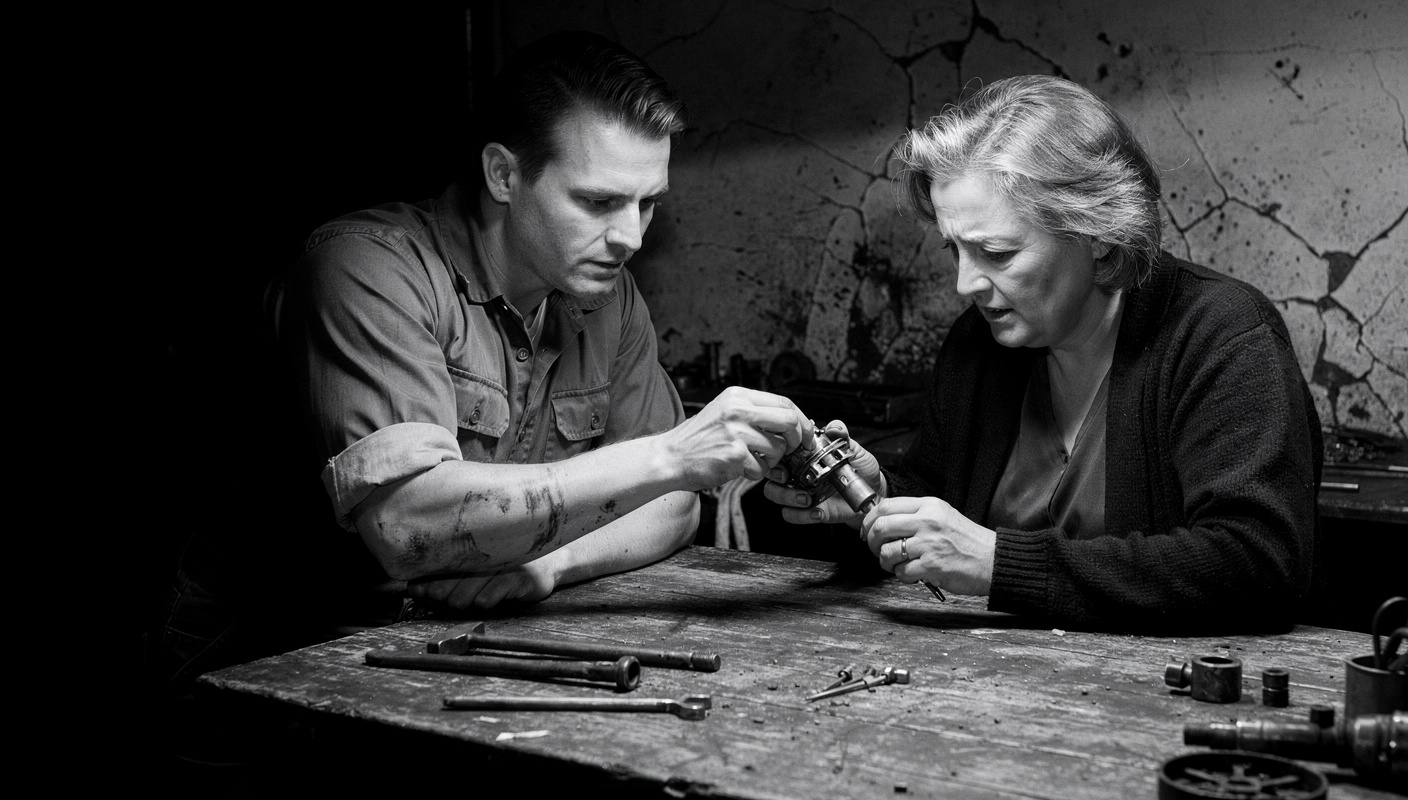
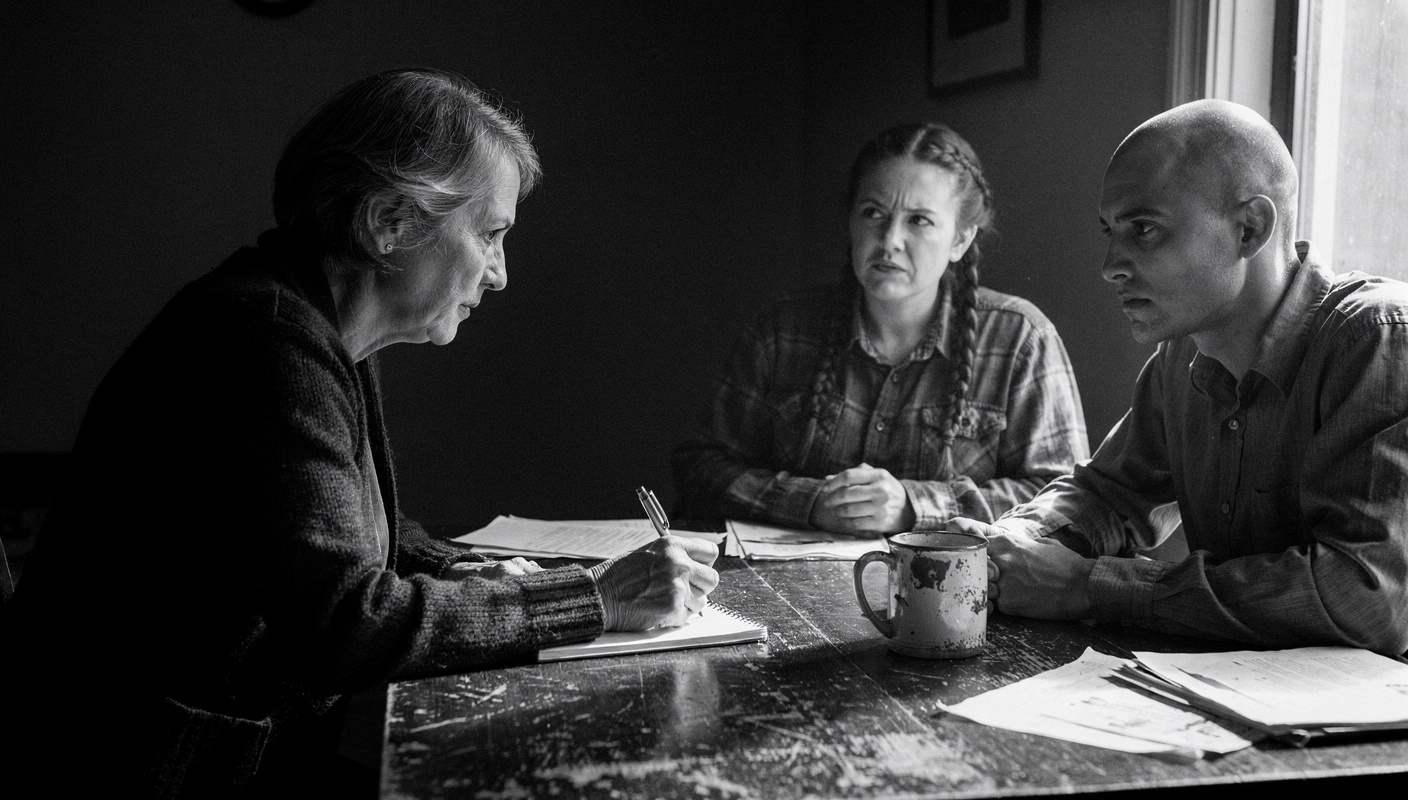
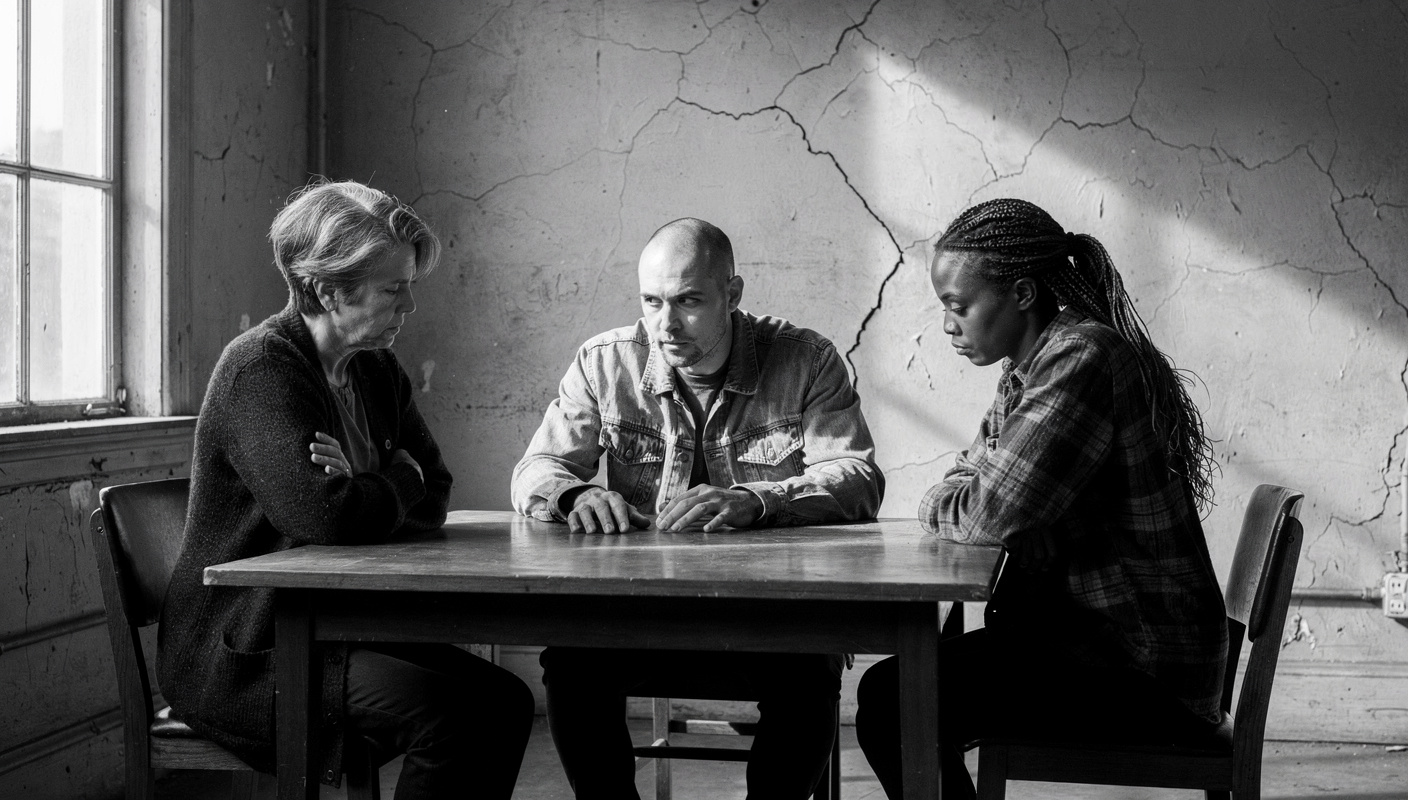
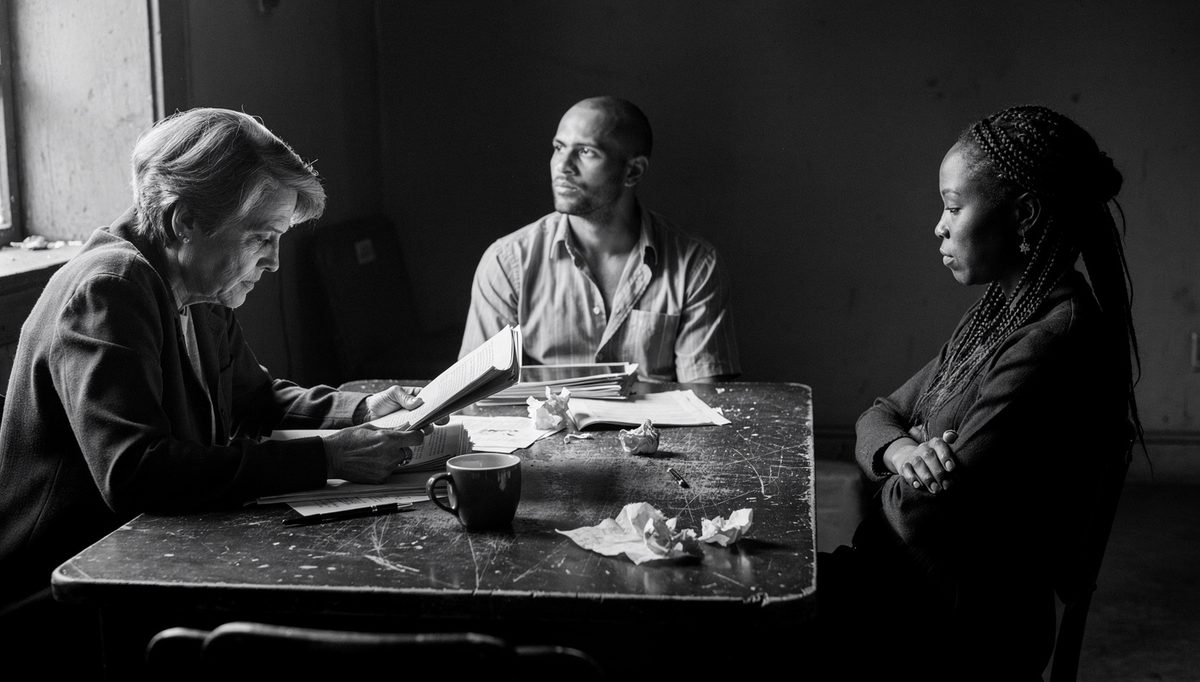
You thought the team was holding together. The project was demanding, people were heads-down, but work was moving. Then, in week three, everything stalled. Conversations turned clipped. Decisions stalled. Two people duplicated a week of work. Nobody had noticed the fracture forming beneath the surface.
This is how team synergy breaks in almost every case I have seen. Not with a dramatic blow-up. With a slow, invisible drain that looks like busyness right up until it looks like failure.
The problem is that the warning signs of a breakdown mimic the behaviour of a team under productive pressure. Less talk feels like focus. Shorter meetings feel like efficiency. Missed updates feel like trust. By the time the symptoms are undeniable, the damage is already deep.
In this article, you will learn to recognise six specific patterns that signal a breakdown is coming, and what to do about each one. If you want to understand what healthy collective performance looks like before you diagnose the problems, Signs Your Team Lacks Synergy and How to Fix It is a useful companion piece.
Why Team Synergy Problems Are Hard to Spot Under Pressure
High-pressure projects create the perfect conditions for problems to hide. Everyone is busy, everyone is stressed, and the observable behaviours that signal breakdown look almost identical to the behaviours of a team working hard and fast.
Here is why these warning signs get missed so consistently:
- Reduced communication looks like efficiency. When people stop asking questions and stop offering updates, it can feel like the team has hit its stride. In reality, people are retreating into their own lanes and losing the connective tissue that makes collective work possible.
- Tension reads as professionalism. In high-stakes environments, people often suppress disagreement to avoid slowing the project down. This restraint feels mature. It is actually a pressure valve building toward a rupture.
- Duplicated effort is invisible until it is complete. Two people working on the same problem in parallel rarely know about each other until both pieces of work land on the same desk. By then, the cost in time and morale is already paid.
- Leaders normalise the stress signals. When everyone around you looks strained, strain becomes the baseline. Abnormal becomes normal very quickly in a high-pressure environment, and the warning signals get absorbed into the general noise.
- The team's past success creates false confidence. A team that collaborated brilliantly on the last project often assumes the same dynamics will hold under greater pressure. They do not always hold. Pressure changes people, and it changes teams.
The first step is knowing what to look for. That is what this article gives you.
"The Conversation You're Avoiding Is the One You Need to Have."
"The Conversation You're Avoiding
Is the One You Need to Have."
Stop rehearsing conversations you'll never have. Say It Right Every Time gives you 115 word-for-word scripts and 16 proven frameworks to speak with confidence in every conversation that matters.
Sign 1: Conversations Get Shorter and Shallower
What it looks like: Exchanges that used to include context, questions, and back-and-forth now consist of brief confirmations. "Done." "Noted." "On it." People stop asking why. They stop offering more than they were directly asked for. Meetings shrink, and the space for lateral thinking disappears.
Why it happens: Under pressure, people conserve cognitive and emotional resources. Every conversation feels like a cost. People narrow their focus to their immediate task and stop investing in the broader coordination work that holds a team together. The amygdala hijack effect plays a significant role here: stress physically impairs the brain's capacity for nuanced communication.
Why it matters: Shallow communication means decisions get made with incomplete information. Problems that could have been caught early travel further down the line before anyone notices them.
What to do about it: Introduce a brief daily check-in of no more than ten minutes. Three questions only: what did you complete, what are you working on today, and is anything blocking you. This is not a status meeting. It is a communication floor that prevents the silence from becoming total.
Eamon's note: I have watched this one destroy teams that had every other thing right, the silence always feels like speed until it feels like chaos.
Sign 2: People Stop Flagging Problems Until They Are Critical
What it looks like: Issues surface late, fully formed, and already consequential. Nobody raised a concern at the early, manageable stage. You hear: "I thought someone else was handling it," or "I did not want to slow things down." Problems arrive as crises rather than as questions.
Why it happens: In high-pressure environments, people fear being seen as the one who slows the project. Raising a concern feels like adding weight to an already overloaded team. So people carry the problem silently, hoping it resolves itself or hoping someone else will name it first. This connects directly to how unmet needs drive team conflict, the need to appear capable overrides the need to communicate honestly.
Why it matters: Every problem that travels silently from manageable to critical costs the team time, trust, and energy it does not have to spare.
What to do about it: At the start of any high-pressure sprint, name this pattern explicitly as a team. Say: "If you see a problem forming, say it early. We would rather hear it small." Make it a stated norm, not just a hoped-for behaviour.
Eamon's note: The cost of speaking early is almost always lower than the cost of speaking late, and yet this lesson has to be learned fresh by almost every team I have ever worked with.
Sign 3: Role Boundaries Quietly Collapse
What it looks like: Two people are doing the same task without knowing it. Or a critical task belongs to nobody because everyone assumed someone else had it. Decisions get made by whoever happened to be available, regardless of whether that was the right person to make them.
Why it happens: Pressure compresses the time available for coordination. People default to what they are comfortable with, or they fill what looks like a gap, or they simply act on the assumption that their interpretation of the role map is the shared interpretation. It rarely is. Role clarity is the foundation of sustainable team synergy, and without it, high-pressure projects become a collision course.
Why it matters: Duplicated effort wastes time. Unclaimed tasks create dangerous gaps. Both erode the trust that collective performance depends on.
What to do about it: Before the pressure peaks, run a fifteen-minute role mapping session. Each person states what they own and what they do not own. Write it down and make it visible. This is not bureaucracy; it is the structural backbone that keeps the team coordinated when there is no time to ask.
Eamon's note: I have never once regretted spending twenty minutes on role clarity before a hard project, and I have often regretted skipping it.
Sign 4: The Strongest Voice Wins Every Decision
What it looks like: One or two people dominate discussions and decisions during the high-pressure phase. Other team members go quiet, defer consistently, or stop contributing alternatives. The team appears aligned. It is not; the quieter members have simply stopped investing.
Why it happens: This is a counterintuitive one. Under pressure, deference feels efficient. It takes energy to push back, to offer an alternative, to hold a position in the face of a confident voice. People with less organisational standing or less confidence in their own expertise pull back first. The result looks like consensus. It is actually withdrawal.
Why it matters: Decisions made without genuine input from the full team carry blind spots. When those decisions fail, the people who stayed silent feel no ownership of the repair, which deepens the fracture.
What to do about it: Use a simple round-robin approach in key decisions: before concluding any significant discussion, go to each person directly. "What is your read on this?" One sentence is enough. The goal is not prolonged debate; it is to make sure every voice registers.
Eamon's note: The team member who goes quiet first is usually the one with the most useful dissenting perspective, and the least safety to share it.
Sign 5: Tension Is Managed Instead of Addressed
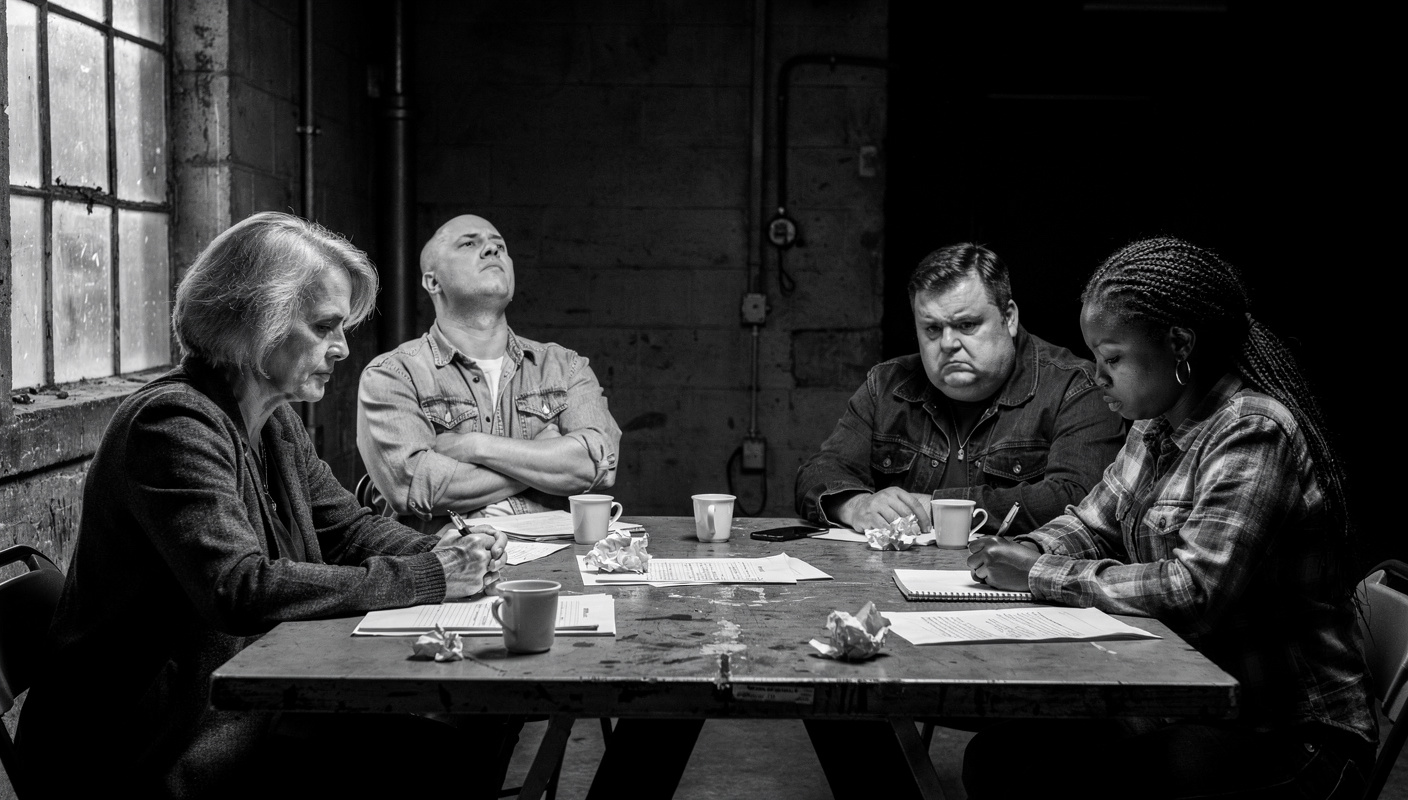
What it looks like: People are visibly irritable, but nobody names it. Passive comments get made and left hanging. Conversations have an edge that nobody acknowledges. After the meeting, people say what they really thought, but only to the people who already agree with them.
Why it happens: Conflict during a high-pressure project feels unaffordable. People manage their own responses and manage around the tension in others, believing they are protecting the project. What they are actually doing is pressurising a container that will eventually crack. Knowing how to de-escalate team conflict without destroying synergy is a practical skill that pays dividends here.
Why it matters: Unaddressed tension does not dissipate. It accumulates. And it will find a release point, usually at the worst possible moment in the project timeline.
What to do about it: Name the dynamic without attacking the person. "I want to check in. I am sensing some tension in the room. Is there something we need to clear before we move forward?" This single question, asked directly, gives people permission to speak. Most of the time, they will.
Eamon's note: Managed tension always costs more in the end than addressed tension would have cost at the start.
Sign 6: Post-Project Recovery Takes Longer Than the Project Itself
What it looks like: The project ends, the deliverable lands, and the team is exhausted in a way that does not resolve quickly. People are withdrawn, reluctant to engage on the next piece of work, or visibly depleted in ways that persist for weeks. You delivered, but you damaged the engine in the process.
Why it happens: Teams that pushed through pressure without addressing the communication and relationship fractures beneath it carry accumulated damage into the recovery phase. Trust that eroded during the sprint does not automatically restore when the pressure lifts. Rebuilding team synergy after conflict or organisational change requires deliberate effort, not just time.
Why it matters: A team that takes three weeks to recover from a two-week sprint is not a high-performing team. It is a team consuming its own reserves, and that pattern has a finite lifespan.
What to do about it: Build a structured debrief into the end of every high-pressure phase. Not a celebration only; a genuine conversation about what worked, what strained, and what the team needs going forward. Thirty minutes spent here saves weeks of drift.
Eamon's note: I have seen brilliant teams dissolve not because of a single failure, but because they never stopped long enough to repair what the pressure had cracked.
The Pattern Behind These Signs
These signs rarely appear in isolation. When you see one, look for the others. They are almost always travelling together.
The single root cause underneath most of them is this: teams that perform well in stable conditions do not automatically recalibrate when the conditions change. They carry the same communication habits, the same assumed role map, and the same conflict-avoidance patterns into a higher-stakes environment where those habits are no longer adequate. The pressure reveals the gaps that were always there.
Two secondary patterns are worth naming separately. The first is the speed trap: the belief that communication is a cost during high-pressure phases, when in fact it is the mechanism that prevents small problems from becoming catastrophic ones. Every team I have worked with that cut communication to save time ended up spending more time repairing the consequences.
The second is the assumption of alignment. Teams that have worked together before often skip the coordination conversations because they believe they already know how each other works. Under pressure, this assumption collapses. People change under stress. Priorities shift. What worked last quarter may not hold this quarter.
Fix the root and most of the symptoms resolve. Establish your communication floors and role clarity before the pressure arrives, not during it.
Your Diagnostic Checklist
Use this checklist to assess where you or your team currently stand.
- Conversations during the project have become noticeably shorter and more transactional.
- Team members are raising problems late, when they are already critical rather than emerging.
- Two or more people have discovered they were working on the same task without knowing it.
- There is at least one task that nobody owns clearly.
- One or two voices are consistently dominating decisions while others defer or disengage.
- Tension has been present in the team but has not been named or addressed directly.
- Team members are venting to each other in pairs rather than raising issues in the full group.
- Daily or regular communication check-ins have reduced or stopped since pressure increased.
- Role boundaries were not explicitly mapped before the high-pressure phase began.
- Recovery from the last demanding project took longer than felt reasonable.
- People are working longer hours but producing less coordinated output.
- The team has not had a genuine debrief after a difficult phase in the last three months.
If you checked three or fewer, your foundation is holding. Focus on maintaining your communication habits. If you checked four to seven, address the highest-impact items first: start with role clarity and daily check-ins. If you checked eight or more, this needs immediate attention before the next pressure phase begins.
How to Start Fixing This
Diagnosis without action is just worry. Here is where to start.
Map roles before pressure peaks. Before your next demanding project phase, spend fifteen minutes as a team mapping who owns what. Write it down. Shared visibility prevents duplication and eliminates the gaps that cost teams weeks of work.
Establish a daily communication floor. A ten-minute check-in at the start of each day is not overhead; it is the connective tissue that holds a team together under stress. Keep it to three questions and keep it consistent, even when everyone is busy.
Name tension early and directly. When you sense friction in the room, say so. A simple question, asked without blame, gives the team permission to clear what would otherwise accumulate. Practice the language: "I want to check in, is there something we need to address before we move on?"
Build a debrief into every sprint. Thirty minutes at the end of a high-pressure phase is not a luxury. It is the maintenance work that keeps the team functional for the next one. Use it to surface what strained the team, not just to celebrate what landed.
Revisit the C.O.R.E. framework if breakdown has already occurred. If your team synergy has already fractured, prevention advice will only take you so far. The C.O.R.E. framework for restoring team synergy gives you a structured repair process you can apply immediately.
Summary
You can now see what was previously hidden: breakdown does not arrive suddenly, and team synergy breaks in ways that are entirely predictable if you know the patterns.
- Shortened communication feels like efficiency but signals eroding connection.
- Late-surfacing problems and silent tension are the most costly patterns because they compound over time.
- Role ambiguity under pressure is structural, not personal, and it is fixable before the sprint begins.
- The strongest voice dominating decisions is not alignment; it is the quiet withdrawal of everyone else.
- Recovery time after a hard project is a reliable indicator of how much invisible damage occurred during it.
- Prevention requires deliberate action before the pressure arrives, not during it.
For more on the structural foundations your team needs, read What Is Role Clarity and Why It Is the Foundation of Sustainable Team Synergy. If the breakdown has already begun, How to Rebuild Team Synergy After Conflict or Organisational Change will give you the repair path.
Here is the truth of it: team synergy breaks in the gaps between people, and those gaps widen under pressure unless you close them deliberately. Start today, before the next hard sprint arrives.
Frequently Asked Questions (FAQ)
Why does team synergy break down during high-pressure projects?
Team synergy breaks down under pressure because stress compresses communication, collapses role clarity, and triggers self-protective behaviour. People stop coordinating and start surviving. The same team that worked well in calm conditions fractures when speed and stakes rise simultaneously.
What are the early warning signs that team synergy is failing?
Early signs include shorter conversations, increased parallel working, missing updates, and a drop in direct questions between colleagues. Most teams mistake these for efficiency gains. They are not. They are the first signals that trust and coordination are quietly eroding under the surface.
How do you prevent team synergy from breaking down under stress?
Prevention requires deliberate check-in routines, clear role boundaries established before pressure arrives, and a shared language for naming tension early. Teams that maintain brief daily alignment sessions during high-pressure periods outperform teams that reduce communication in the name of speed.
Can team synergy be restored after it breaks down mid-project?
Yes, but restoration takes more effort mid-project than prevention would have required. Naming the breakdown openly, re-establishing role clarity, and creating one structured conversation about what changed are the fastest routes back. For a full repair process, see the C.O.R.E. framework article.
What causes team synergy to break down silently?
Silent breakdown happens because the early signs resemble normal busy behaviour. Reduced conversation looks like focus. Missed updates look like trust. Withdrawal looks like professionalism. By the time the dysfunction is undeniable, weeks of damage have already accumulated beneath the surface.
How does role clarity affect team synergy under pressure?
When pressure rises, unclear roles become critical failures. People default to their comfort zones, duplicate effort, or leave key tasks unclaimed. Role clarity is the structural foundation that keeps collective performance intact when speed and stress strip everything else away.