
In Short
Workplace tension rarely announces itself. It builds through patterns of avoidance, silence, and unmet expectation until something breaks.
- Most tension is not caused by personality clashes. It comes from communication failures that accumulate over time.
- The warning signs are often disguised as normal behaviour: short answers, fewer questions, meetings that end without clarity.
- Naming the root cause is the first act of repair. You cannot fix what you have not correctly identified.
Workplace tension causes are the underlying conditions, habits, and communication failures that generate friction between people at work. They typically operate beneath the surface, building gradually through unmet expectations, avoided conversations, and eroding trust until they become visible conflict.
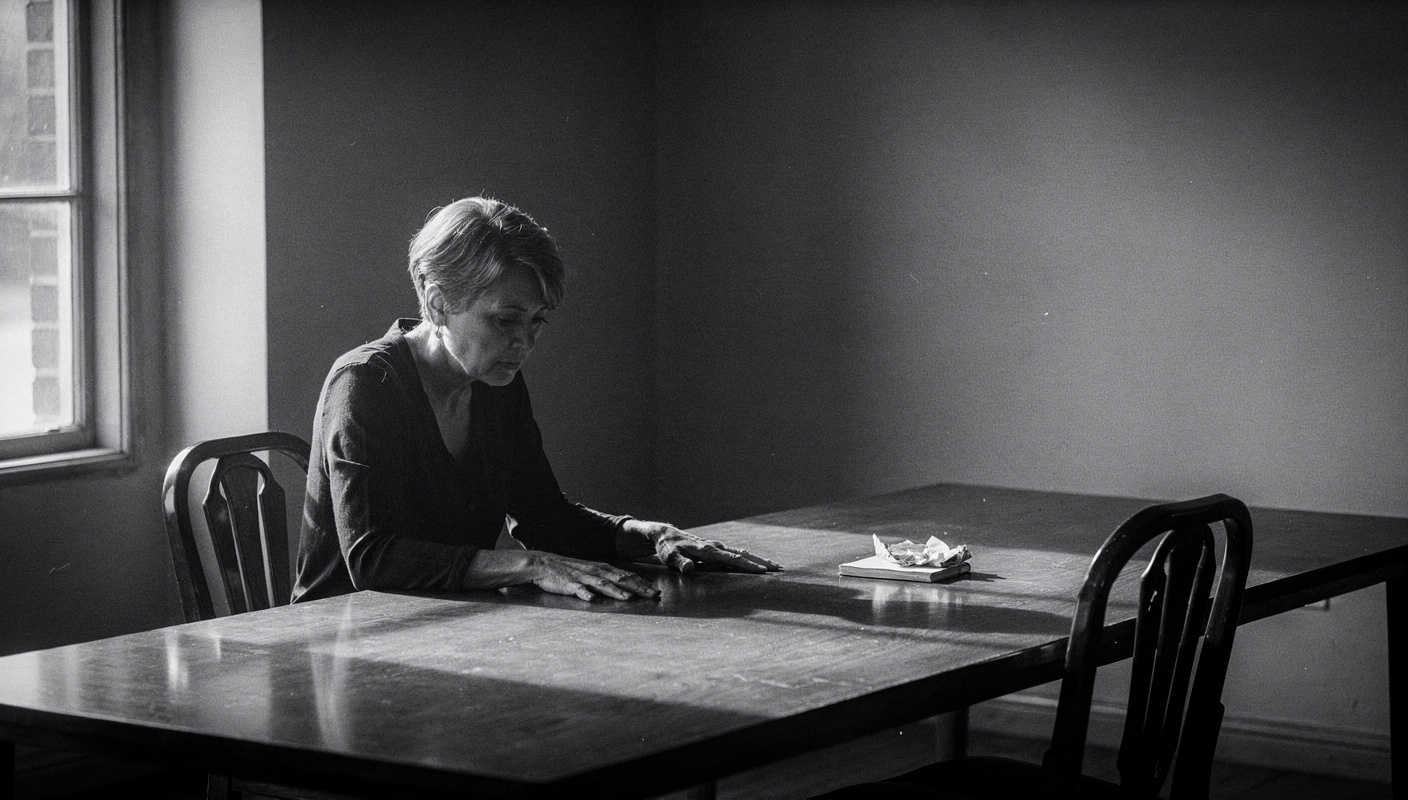
You thought the team was fine. Then you noticed that two people who used to finish each other's sentences had stopped sitting near each other. The meetings still ran. The work still moved. But something had gone cold, and when you tried to name it, nobody could point to a single moment where it had started.
That is how workplace tension causes actually work. They rarely announce themselves. They accumulate slowly, disguised as busyness, tiredness, or difference of opinion, until the distance between people becomes structural. By then, patching things up takes twice the effort it would have taken to catch the problem early. This article will give you the tools to see it sooner, name it clearly, and take a first step before the ground hardens beneath you.
Why Workplace Friction Is So Easy to Overlook
Tension does not arrive with a warning. It creeps in through a dozen small moments, each of which, on its own, seems entirely explainable. A short reply. A meeting where someone said very little. A decision that was accepted without comment but not without feeling.
We are trained to keep moving. Most workplaces reward people who stay productive and do not make a fuss. So when something feels off, the instinct is to wait, assume it will pass, and avoid raising something that might make things worse. That instinct is understandable. It is also how small friction becomes entrenched conflict.
Here is the truth of it: tension goes unaddressed because it rarely looks like tension until it is already serious. It looks like a tired colleague, a busy week, a misunderstanding. By the time it is obvious to everyone, the trust damage has already been done.
"The Conversation You're Avoiding Is the One You Need to Have."
"The Conversation You're Avoiding
Is the One You Need to Have."
Stop rehearsing conversations you'll never have. Say It Right Every Time gives you 115 word-for-word scripts and 16 proven frameworks to speak with confidence in every conversation that matters.
Six Signs That Tension Is Already Taking Root
1. Conversations That End Faster Than the Problem Warrants
What it looks like: Discussions close too quickly. Someone says "fine" or "sounds good" without having genuinely engaged. Questions that should produce debate produce only compliance.
Why it happens: People retreat from conversations where they expect conflict or dismissal. Agreeing quickly feels safer than risking a difficult exchange.
Why it matters: When people stop pushing back, you lose the honest input your team needs. Decisions get made without real buy-in, and the unspoken disagreement sits and festers.
What to do: If a conversation ends suspiciously fast, gently reopen it. Say, "I want to make sure we have actually worked through this. Is there anything you are not certain about?" Give the silence somewhere to go.
I have sat in too many rooms where agreement meant nothing at all. Real agreement takes a little longer and sounds a bit rougher. When it comes too easy, pay attention.
2. People Stop Asking for Help From Each Other
What it looks like: Team members who used to collaborate freely begin working in isolation. They route around each other, ask you instead of a peer, or simply go without the input they would normally seek.
Why it happens: Asking for help requires a baseline of trust. When tension erodes that trust, even a small request feels like an exposure.
Why it matters: The loss of informal collaboration is one of the earliest and most damaging signs of workplace tension. It slows work, reduces quality, and deepens isolation.
What to do: Notice the routing. If you see someone consistently avoiding a particular colleague for work they would once have shared, name it in private. Ask whether there is something getting in the way of that working relationship.
This one catches people off guard because it looks like independence. But there is a difference between confident self-sufficiency and quietly working around someone you no longer trust.
3. Feedback Between Team Members Has Dried Up
What it looks like: People stop offering each other input. Peer review becomes perfunctory. Nobody challenges a weak idea, and nobody praises a strong one.
Why it happens: Giving honest feedback requires believing the other person is on your side. When that belief erodes, feedback feels risky. It is easier to say nothing.
Why it matters: A team that no longer gives each other honest feedback stops improving. The silence looks like harmony but it is actually disconnection. You can read more about how feedback fuels growth in Why Effective Feedback Is the Backbone of Workplace Growth.
What to do: Ask directly. In your next one-to-one, ask each person what feedback they have recently given or received from a peer. The answer will tell you a great deal.
When the feedback stops, the trust has already left the room. The silence is not peace. It is distance wearing peace's clothes.
4. Meetings Produce Decisions That Nobody Owns
What it looks like: Actions are agreed in the room, but follow-through is inconsistent. People complete their own tasks but do not support shared ones. Accountability for group outcomes quietly dissolves.
Why it happens: When people feel unheard or disrespected in a group setting, they disengage from collective outcomes. They will do their part, but they will not carry the weight of something they did not genuinely agree to.
Why it matters: Unowned decisions are a reliable sign that someone in the room felt overruled or dismissed. The decision was recorded but not made, not really. Learning how to run productive meetings that don't waste time can help, but only after you address the underlying disengagement.
What to do: After your next team decision, ask each person, individually and privately, whether they feel the outcome was fair. You are not looking to reopen the decision. You are looking to understand who felt excluded from it.
5. The Tone in Writing Has Shifted (This One Surprises Most People)
What it looks like: Emails and messages become shorter, more transactional, and stripped of warmth. Phrases like "per my last email" appear. Replies become precise to the point of coldness.
Why it happens: When people feel tension with a colleague, they pull back from casual language because warmth feels dishonest. Formal, minimal communication feels safer and keeps a record.
Why it matters: Most managers notice this late, if at all, because written communication rarely triggers the same instinct as a tense conversation. But the shift in tone is often one of the earliest observable signs that the relationship has cooled.
What to do: Re-read your recent written exchanges with colleagues who feel distant. Look for the moment the warmth left. That is often close to the moment the tension started. If you need to address it, learning how to start a difficult conversation that's blocking your team's synergy is a practical next step.
I learned this one the hard way after months of missing a team fracture that was sitting in plain sight in my inbox. Written language is honest in ways that faces are not.
6. One Person Dominates While Others Visibly Withdraw
What it looks like: In group settings, one voice fills the space while others become physically still, look away, or offer only surface-level responses. The withdrawal is subtle, but it is consistent.
Why it happens: When someone feels their perspective is routinely dismissed or overridden, they conserve energy by disengaging rather than continuing to fight for space they have stopped expecting to receive.
Why it matters: This dynamic is one of the most damaging workplace tension causes because it looks, from the outside, like some people are simply quieter. In reality, silence is often the last stage before someone either escalates or leaves. You can learn to de-escalate arguments during meetings once you can recognise when this withdrawal is already happening.
What to do: After a meeting where this pattern appeared, follow up with the person who withdrew. Say simply, "I noticed you had less to say than usual. Is there something you would have liked to raise?" Then listen without defending anything.
7. Negative Feedback Is Being Delivered Poorly, or Not at All
What it looks like: Performance issues go unaddressed. Small problems are mentioned in passing, without clarity or follow-through. Or the feedback comes out sharp and blunt, landing harder than intended, and the recipient goes quiet for days afterward.
Why it happens: Tension makes people either avoid uncomfortable truths or deliver them clumsily under pressure. Neither approach resolves anything. Both make the underlying friction worse.
Why it matters: Poor feedback delivery is both a cause and a symptom of workplace tension. It creates resentment when it is too harsh, and unaddressed problems when it is too soft. Knowing how to deliver negative feedback positively is one of the most direct ways to interrupt this cycle.
What to do: Before your next difficult feedback conversation, write down the three things you want the person to understand: what the behaviour is, why it matters, and what you want to see instead. Clear preparation produces calmer delivery.
The Root Beneath All of It
Individual signs are useful to spot. But they share a common root, and it is worth naming it directly.
Most workplace tension originates in accumulated unaddressed communication. Not one big argument. Not a personality clash. Not a bad hire. It is the conversation that should have happened three months ago and did not. The expectation that was never clarified. The disagreement that was smoothed over rather than worked through. The feedback that was softened into meaninglessness.
Each avoided conversation adds a thin layer of unexpressed feeling to the relationship. Over time, those layers harden. What started as a misunderstanding becomes a grievance. What started as a style difference becomes a trust problem. The tension you are managing today is almost always the residue of communication that was too difficult or too inconvenient at the time.
This is not blame. Every one of us has let a hard conversation wait too long. The question is whether you are willing to pick it up now.
A Quick Diagnostic: How Much Tension Is Already Present?
Read each statement. Mark yes or no based on what you have actually observed, not what you hope is true.
- Conversations between two specific team members have become shorter over the past month.
- Someone on your team regularly agrees in meetings but does not follow through on shared actions.
- Peer feedback has become rare or entirely absent in recent weeks.
- You have noticed a shift in tone in written communication between colleagues.
- Someone who used to contribute freely has become consistently quiet in group settings.
- You are aware of a disagreement that was never properly resolved, only sidestepped.
- You would be reluctant to raise a specific issue with a specific colleague right now.
Scoring:
- 0 to 2 yes: The temperature is normal. Stay observant.
- 3 to 4 yes: Tension is building. One or two direct conversations in the next two weeks will make a significant difference.
- 5 to 7 yes: The friction is already structural. Act now. Start with the most specific, observable issue, not the biggest one.
Where to Go From Here
The most useful first move is almost always the most specific one. Do not try to address "the tension in the team." Address the one conversation that has been avoided the longest, the one you already know needs to happen.
If you are not sure how to open that conversation without making things worse, the C.O.R.E. framework for staying grounded during a tense workplace conversation gives you a clear method for entering difficult exchanges without escalating them. And if the issue is more complex, involving fractures between multiple people, the D.E.A.L. method for resolving conflicts that are fracturing team synergy offers a structured framework for working through it.
You now know what workplace tension causes look like before they become visible conflict. That knowledge is only useful if you act on it while the ground is still soft enough to turn.
Frequently Asked Questions (FAQ)
What are the main causes of workplace tension?
Workplace tension causes typically include unclear expectations, unresolved disagreements, perceived unfairness, and poor communication habits. These issues rarely start as open conflict. They build slowly through small moments of friction, avoidance, and miscommunication until the underlying pressure becomes impossible to ignore.
How do you identify workplace tension causes early?
Watch for indirect signals: shorter conversations, people stopping collaborating voluntarily, meetings that end without resolution, and a drop in direct feedback. Early workplace tension causes often show up as behavioural changes before anyone names a problem out loud.
Why does workplace tension go unaddressed for so long?
Most people mistake tension for a personality clash or a bad day, so they wait for it to pass. Tension also builds gradually, which means no single moment feels serious enough to address. By the time it is obvious, it has already done significant damage to trust and performance.
Can unresolved workplace tension affect team performance?
Yes, and quickly. When tension persists, people stop sharing ideas, avoid certain colleagues, and withhold honest feedback. Meetings become guarded. Decisions slow down. The team loses the open communication it needs to solve problems, and performance deteriorates even when workloads stay the same.
What is the difference between normal workplace stress and tension between people?
Stress is about workload and pressure. Tension is relational: it sits between people, not just within them. You can relieve stress by reducing demands. Tension requires a different kind of repair, one that addresses the unspoken disagreement, unmet expectation, or damaged trust at its root.
What should I do first when I notice workplace tension building?
Name what you are observing, not what you are feeling. Say something specific and neutral: what you noticed in behaviour or tone, without accusation. The goal of the first move is to open a conversation, not resolve everything at once. Starting is the hardest part, and it is also the most important.