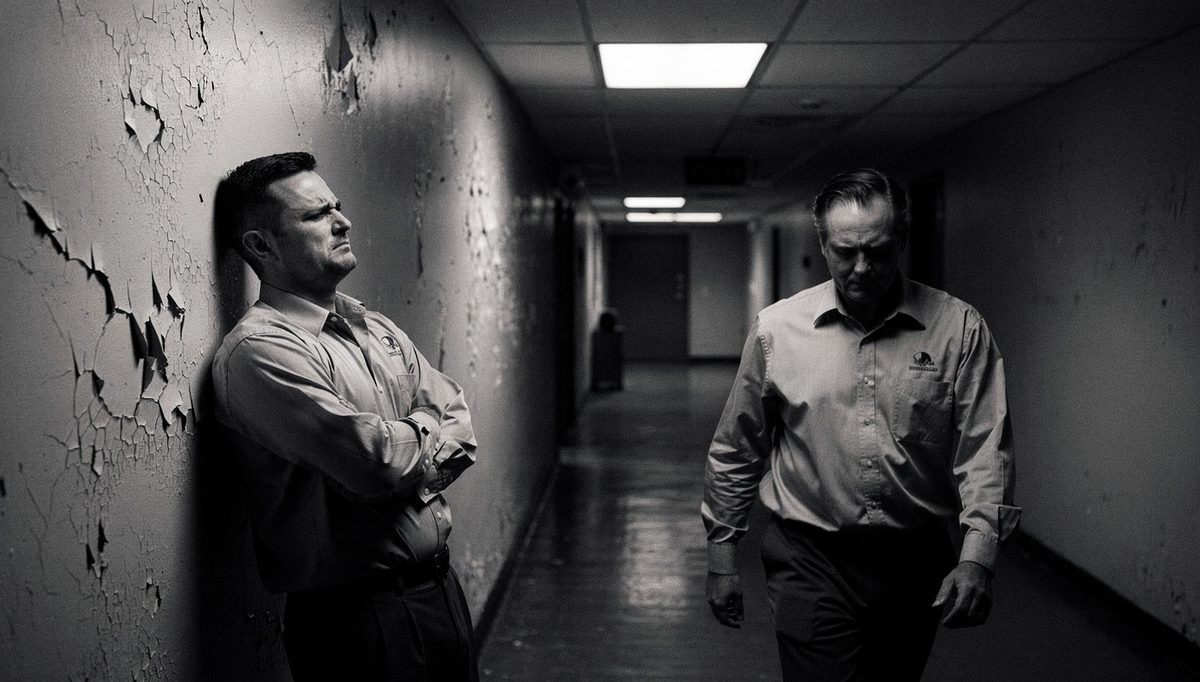

In Short
Passive tension in the workplace is the unspoken conflict that festers beneath ordinary working days. It does not shout. It withdraws, avoids, and simmers. Catch it early and it is manageable. Miss it and it becomes the kind of rupture that takes months to repair.
- Passive tension signals are subtle: short replies, avoidance, and a drop in energy.
- Silence is not peace. Quiet friction is still friction, and it compounds over time.
- Naming it calmly is what begins to defuse it. Waiting almost always makes it worse.
Passive tension in the workplace is the unspoken interpersonal friction that accumulates between colleagues when disagreements, frustrations, or unmet expectations are never directly addressed. It operates beneath the surface of normal working life, growing through avoidance and silence until it becomes active conflict.
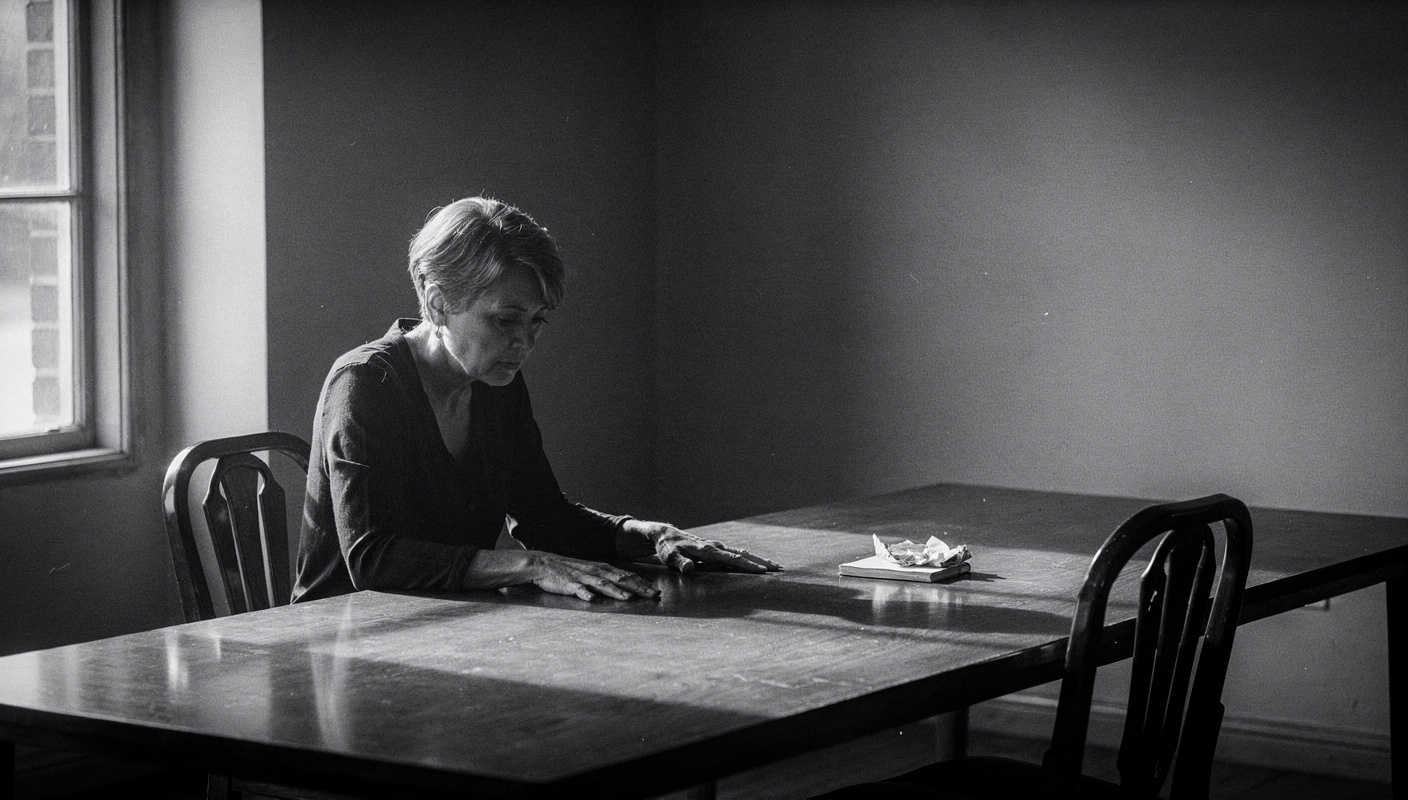
There is a particular kind of quiet in a team that should worry you. Not the focused quiet of people doing good work. A different quiet: where people give shorter answers than usual, stop volunteering ideas, glance at one another during meetings without saying what they are thinking. I have sat in enough rooms to know that silence. It is the silence of passive tension in the workplace, and it is almost never as harmless as it looks.
The problem with passive tension is that it does not feel like a problem until it is a serious one. It moves slowly. It hides behind professionalism. And because no one has raised their voice, no one feels justified in raising the alarm. By the time it erupts, the team is often shocked by the force of it, even though every signal was there for weeks.
This article will help you understand what passive tension actually is, how to spot it before it becomes a crisis, and what to do when you see it.
What Passive Tension Actually Looks Like on a Normal Working Day
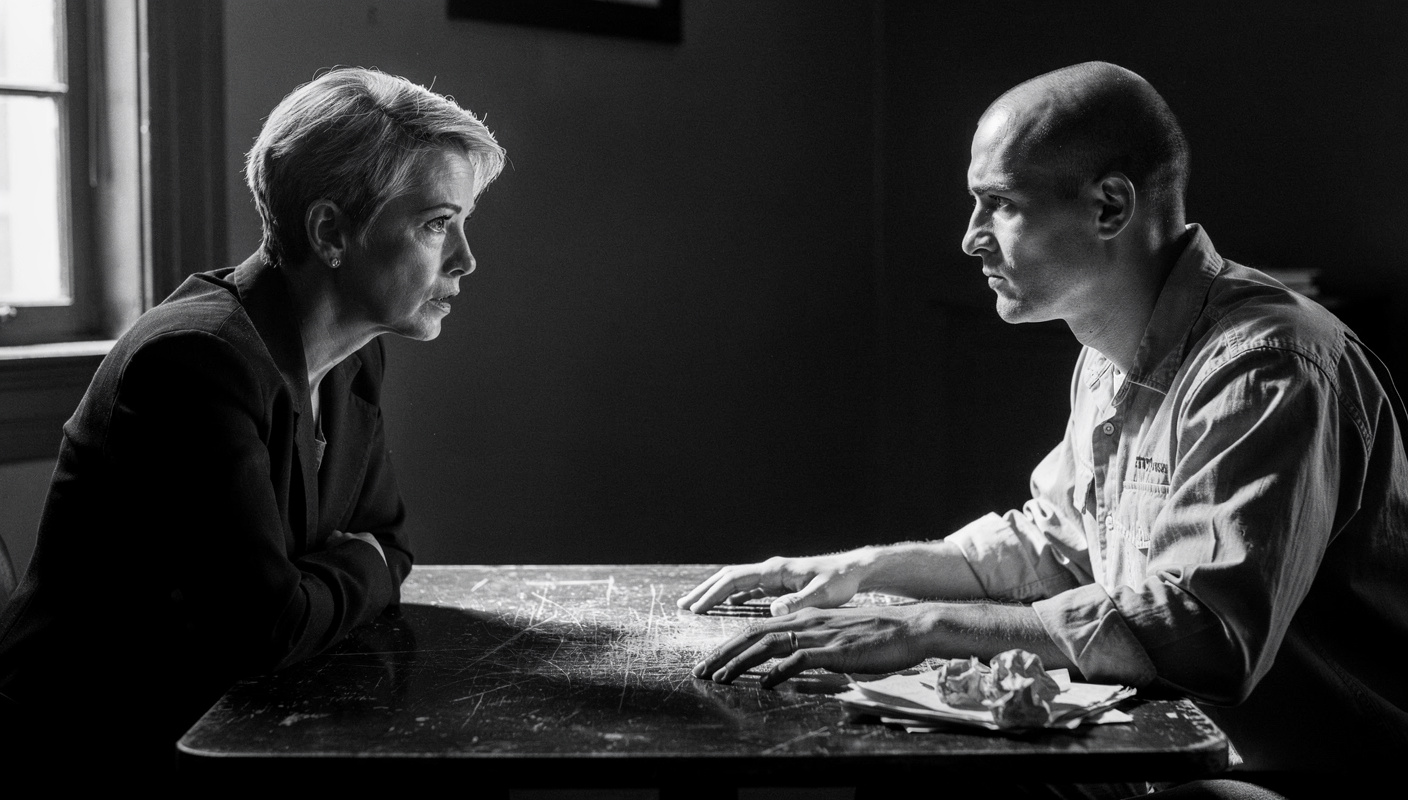
Picture this. Two colleagues, Rachel and Daniel, worked well together for two years. Then Rachel's project proposal was presented by their manager as a team effort, and Daniel received equal credit. Rachel never said anything. She smiled through the meeting. But the following week, her replies to Daniel's messages became two words where they used to be two paragraphs. She stopped copying him on updates he would normally receive. In team discussions, she looked away when he spoke.
Nothing dramatic. Nothing anyone could easily name. That is what passive tension looks like.
It is interpersonal friction that has not been spoken aloud. One person feels wronged, or dismissed, or disrespected, but they do not say so directly. Instead, they withdraw. They become guarded. Their behaviour shifts in ways that are easy to dismiss individually but tell a clear story together.
The tension is real. It affects how information flows, how decisions get made, and how willing people are to support each other. It just does not look like a conflict yet.
"The Conversation You're Avoiding Is the One You Need to Have."
"The Conversation You're Avoiding
Is the One You Need to Have."
Stop rehearsing conversations you'll never have. Say It Right Every Time gives you 115 word-for-word scripts and 16 proven frameworks to speak with confidence in every conversation that matters.
The Signals You Are Probably Dismissing Right Now
Passive tension does not announce itself. It asks you to pay close attention to patterns, not incidents. Here is what it looks like in practice, when you know what to look for.
Shortened communication. Emails that used to include context now contain a single line. Replies that used to come quickly now arrive hours later, or not at all. This is not laziness. It is distance.
Withdrawal from collaboration. A colleague who used to contribute in meetings goes quiet. They respond when directly asked but no longer offer ideas unprompted. They are still present, but they have stepped back in a way that was not there before.
Subtle exclusion. Information starts travelling around someone rather than through them. They are left off threads they would normally be included in. Invitations to informal catch-ups dry up.
A flatness in team energy. This one is harder to name but real. There is a difference between a team that is focused and a team that is subdued. When passive tension is present, humour drops, small talk disappears, and interactions feel like they are being managed rather than enjoyed.
None of these signals, taken alone, prove that something is wrong. Together, they are telling you something important. If you want to understand how to start the conversation that follows, how to start a difficult conversation that is blocking your team's progress is a useful next step.
What Happens When Passive Tension Goes Unaddressed
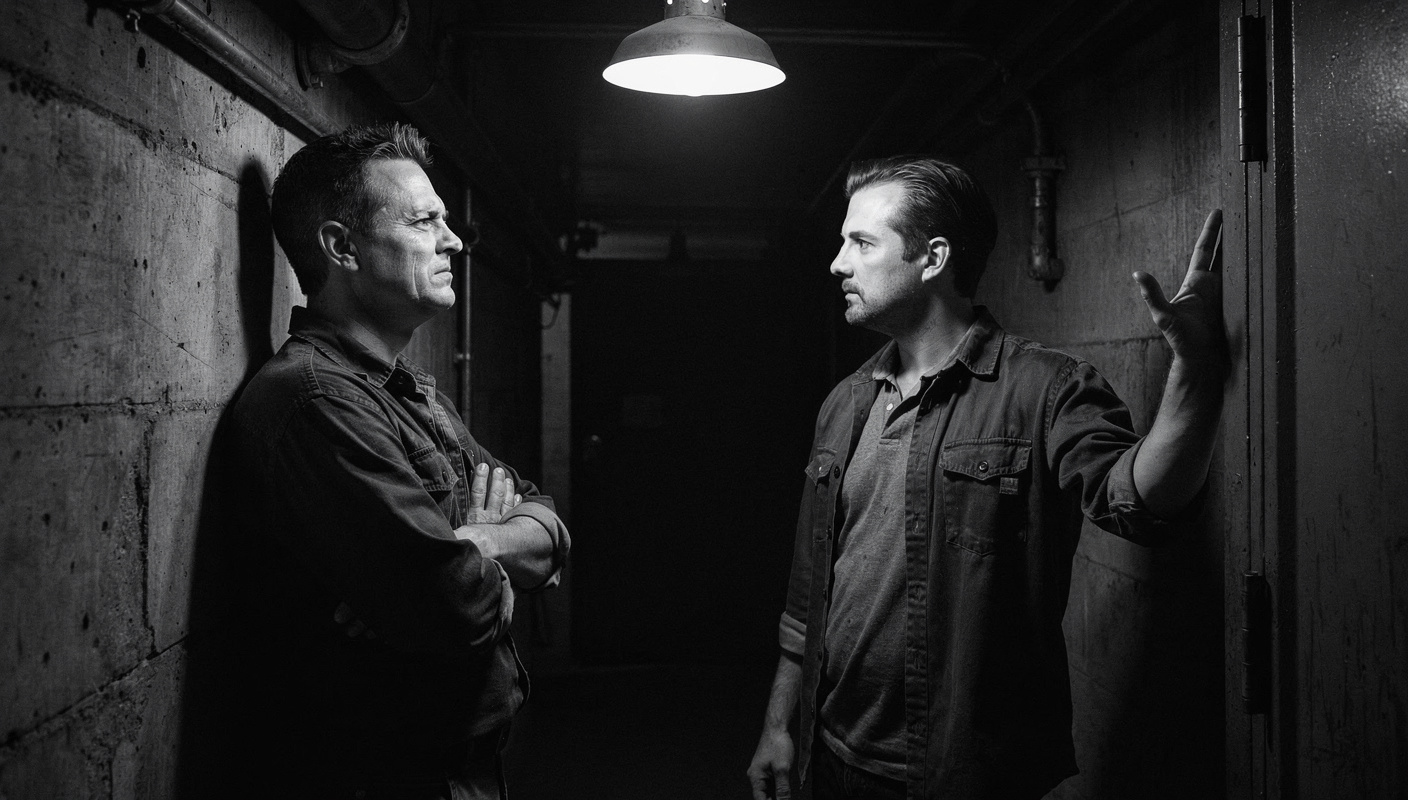
Here is the truth of it. Passive tension does not stay passive. It has a direction, and that direction is toward rupture.
The longer friction sits unaddressed, the more meaning both parties attach to it. What started as one moment of feeling overlooked becomes a pattern, then a belief, then a conviction. By the time it surfaces, each person has months of quiet evidence that the other cannot be trusted.
I have watched teams lose their best people to this. Not because of a dramatic falling out, but because one person spent long enough feeling unseen that they quietly stopped investing. When they left, everyone was surprised. They should not have been.
The damage is not only personal. Passive tension slows decision-making, because people stop sharing information freely. It reduces the quality of collaboration, because genuine contribution requires a degree of trust that silent friction erodes. It makes productive meetings nearly impossible, because the real conversation is not happening in the room.
Three Things People Get Wrong About Passive Tension
Mistake one: Mistaking silence for resolution. The mistake: If no one is arguing, there is no conflict. Why it happens: Most workplaces train people to keep things professional, which often means not raising personal friction. What to do instead: Ask yourself not whether people are arguing, but whether they are communicating as openly as they used to. A drop in openness is a conflict signal, even without raised voices.
Mistake two: Waiting for the other person to bring it up. The mistake: If it were a real problem, they would say something. Why it happens: Because passive tension is built on avoidance, neither party tends to initiate. Both wait, and the distance grows. What to do instead: The person who sees the pattern has the responsibility to name it. Waiting for the other party to go first is how months pass without resolution.
Mistake three: Assuming it will resolve itself when things get busy. The mistake: Once we get through this deadline, people will get back to normal. Why it happens: Busyness is a convenient reason to defer discomfort. What to do instead: Unresolved tension does not dissolve under pressure; it intensifies. Busy periods accelerate the damage because people are less patient and more likely to snap.
For a structured way to approach the repair conversation, the D.E.A.L. method for defusing tension between colleagues gives you a clear sequence to follow.
Two Situations Where Passive Tension Took Hold
The team that stopped disagreeing.
A project team of six had worked together for three years. Gradually, meetings became more efficient on paper: faster decisions, less back-and-forth. Their manager was pleased. What was actually happening was that two senior members had a simmering disagreement about project direction that had never been named. Everyone else had started self-censoring to avoid being caught in the middle. The team looked harmonious. They had stopped thinking critically. When the project ran into a major problem, no one had the trust required to address it honestly. Effective feedback had quietly died in that room, and no one had noticed when it left.
The manager who kept the peace by avoiding it.
A manager noticed that two of her direct reports had become cold toward each other after a disagreement over a shared client. She told herself they were both adults and would work it out. Six weeks later, the client raised concerns about receiving conflicting information. The two colleagues had stopped communicating directly and were working around each other entirely. The manager's instinct to give them space had allowed the tension to take root in the team's work. This is the moment where de-escalating arguments before they worsen becomes essential knowledge for anyone leading people.
How to Address Passive Tension Before It Becomes a Crisis
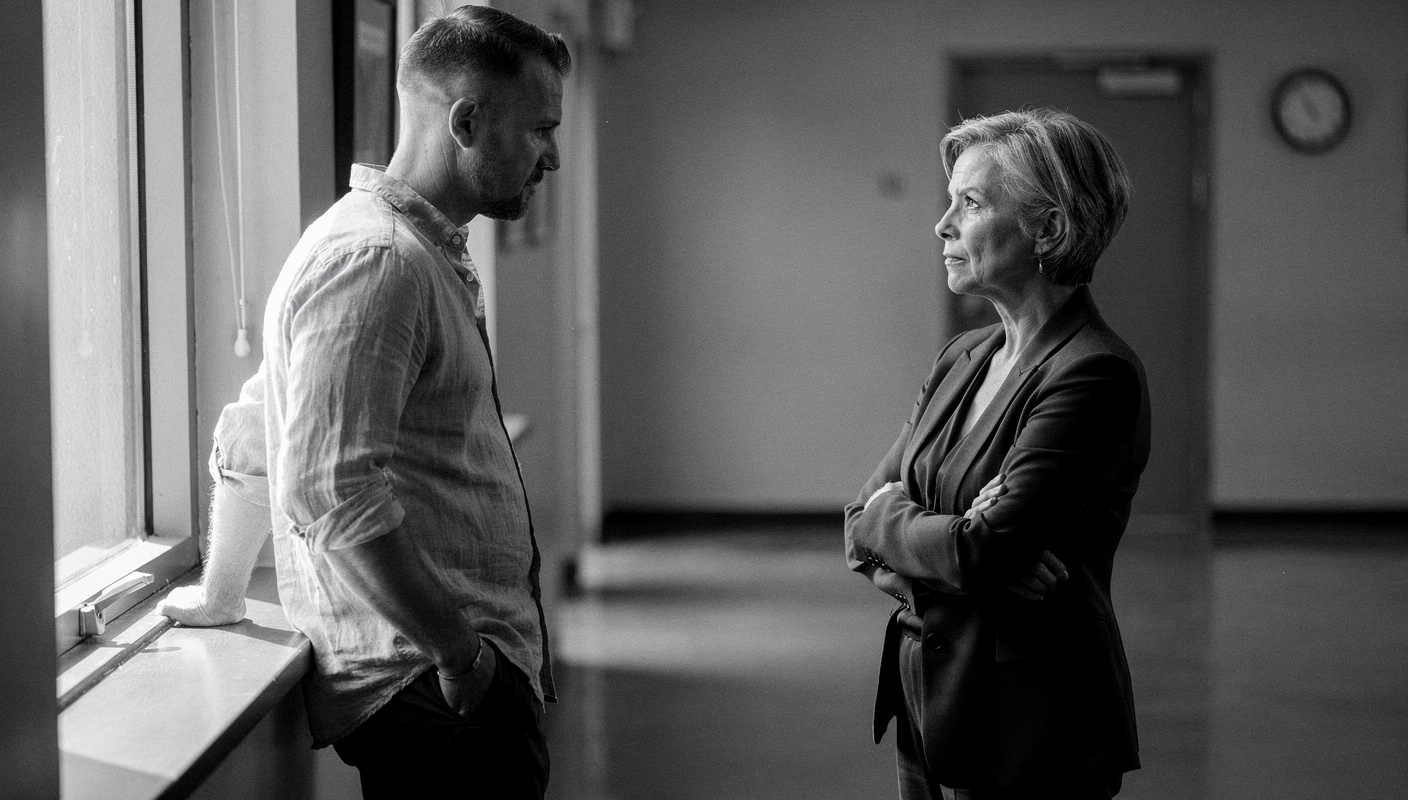
The most important thing I can tell you is this: name it early and name it gently. You do not need certainty. You do not need proof. You need the courage to say what you have observed, without blame.
"I've noticed things feel a bit different between us lately. I don't know if I'm reading it right, but I'd rather ask than assume everything's fine when it might not be."
That sentence is not dramatic. It is not accusatory. It opens a door. Most people, when given that door, will walk through it. They have been waiting for permission to address what they have been carrying quietly.
If you are in a leadership position, create private moments for this. Not in the meeting room with an agenda. A walk, a coffee, a brief check-in at the end of the day. The C.O.R.E. framework for staying grounded during tense conversations gives you practical tools for keeping yourself steady when the conversation gets harder than expected.
When the tension is between two colleagues rather than between you and one person, the D.E.A.L. method for resolving team conflict offers a structured way to bring both parties toward resolution.
The goal is not to make everyone comfortable. The goal is to make the unspoken speakable, because spoken things can be worked with. Silent things cannot.
Frequently Asked Questions (FAQ)
What is passive tension in the workplace?
Passive tension in the workplace is unspoken friction between colleagues that has not been named or addressed. It builds through avoided conversations, subtle withdrawal, and unresolved disagreements. Left alone, it erodes trust, slows collaboration, and eventually erupts as open conflict.
How do you recognise passive tension workplace warning signs?
Watch for shortened replies in communication, reluctance to share ideas in meetings, colleagues who stop asking for help, and a general flatness in team energy. These are not personality quirks. They are signals that something real and unresolved is sitting beneath the surface.
Why does passive tension in the workplace go unaddressed for so long?
Most people mistake silence for peace. Because passive tension does not announce itself with raised voices, it is easy to dismiss or ignore. Leaders especially tend to avoid naming it because they fear making it worse. In reality, naming it is what begins to resolve it.
How do you address passive tension before it escalates?
Name it without blame. Create a private, low-pressure moment to say what you have noticed, not to accuse but to open a door. Describe the pattern you have observed, invite the other person to share their experience, and stay focused on what you both need going forward.
What is the difference between passive tension and healthy disagreement?
Healthy disagreement is expressed openly and resolved through conversation. Passive tension is disagreement that never gets voiced. It hides in tone, body language, and avoidance. The key difference is that healthy conflict moves through and clears; passive tension stagnates and grows.
Can passive tension be resolved without a difficult conversation?
Rarely. The tension exists because something has not been said. Without naming it, the pattern continues. A direct but calm conversation is almost always necessary. It does not have to be confrontational. It simply has to be honest enough to name what is actually happening between two people.