
What Happened
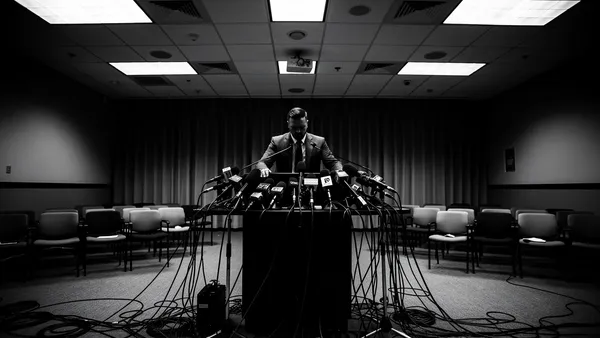
A beloved local garage in Watford suffered a devastating fire that tore through its premises. After a period of silence, the business finally released a public statement describing itself as "heartbroken." The fire caused significant damage, and the community had been waiting to hear from the people behind the business.
The Communication Angle
Here is the lesson: in a crisis, the first word that matters most is not "sorry" or "update." It is a feeling. The garage got this right by leading with "heartbroken." That single word does more work than three paragraphs of facts ever could. It tells the audience that the people inside this business are human, that they are suffering too, and that they are not hiding behind corporate language.
Most businesses in crisis mode reach for information first. They issue timelines, reference insurance, talk about investigations. That instinct is wrong. People do not trust information from a source they do not yet trust. You have to earn the right to be heard, and you earn it by showing you actually feel the weight of what happened.
"Heartbroken" is specific enough to feel real but universal enough to land with anyone who has ever lost something they built. That is the sweet spot in crisis language. Vague words like "disappointed" or "concerned" sound like they were drafted by a lawyer. "Heartbroken" sounds like a person said it at a kitchen table at midnight.
The timing, though, is where this gets complicated. The garage broke its silence after the fire, but the article signals there was a meaningful gap before that statement came. Silence in a crisis is not neutral. Every hour you say nothing, the public fills the void with their own narrative. Usually that narrative is worse than the truth. The garage eventually said the right thing. Saying it faster would have made it twice as powerful.
The actionable steps here are clear. First, decide how you feel before you decide what to say. Second, say the feeling out loud before you say anything else. Third, do not wait for all the facts to be gathered before you speak. You can communicate emotion without communicating information. "We are devastated and we will tell you everything we know as soon as we know it" is a complete, valid first statement. It costs you nothing and buys you enormous goodwill.
This is exactly the kind of scenario I break down in Say It Right Every Time. The chapter on emotional framing gives you a framework for leading with feeling in high-stakes moments without sounding manipulative or over-rehearsed. There is a real technique to making vulnerability land as strength rather than weakness, and it is learnable in about ten minutes.

Never Be Lost
for Words Again
Get word‑for‑word scripts for the conversations that shape your life, from job interviews and negotiations to difficult talks with family and partners, so you always know exactly what to say and how to say it.
Never Be Lost
for Words Again
Get word‑for‑word scripts for the conversations that shape your life, from job interviews and negotiations to difficult talks with family and partners, so you always know exactly what to say and how to say it.
Key Takeaway
Before you write your next crisis statement, whether it is for a fire, a complaint, a public failure, write this sentence first and do not skip it: "The honest truth about how I feel right now is ____." Fill in that blank with a real word, not a professional one. That word becomes your opening line. Everything else follows from there.