
What Happened
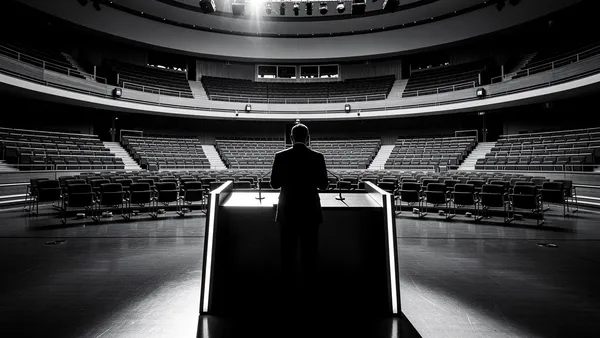
A new study examined how the public's capacity for empathy shapes the outcome of corporate crises. Researchers tested different types of crises against different response strategies and found that empathy from the audience acts as a powerful filter. It changes what people hear, what they forgive, and what they remember. The finding is not subtle: the emotional state of your audience determines whether your crisis response lands or fails completely.
The Communication Angle
Here is the lesson, stated plainly: your crisis statement is not a legal document and it is not a press release. It is a bid for human connection. If the people you are talking to feel nothing, your carefully worded apology dies on arrival. This research confirms what the best communicators already know. Empathy in the audience is not a bonus. It is the mechanism through which your message travels.
Most organizations handle a crisis by retreating into clarity and control. They issue statements that are precise, vetted by lawyers, and emotionally inert. They confuse accuracy with effectiveness. A message can be 100 percent factually correct and still accomplish nothing, because the audience has already shut the door. When people do not feel that you see them, they stop listening to you. That is not a theory. That is Tuesday.
The practical implication here is about sequence. Before you decide what to say, you need to understand what your audience is feeling right now, not what they will think once you explain yourself. Grief needs acknowledgment before explanation. Anger needs validation before correction. Fear needs reassurance before facts. Get the sequence wrong and you are not having a crisis conversation. You are having a monologue in an empty room.
What actually works: name the emotion in the room before you ask for anything. Not "we understand this has been difficult" (that is a legal placeholder, not an acknowledgment). Something specific. "You trusted us, and we let you down" is a complete sentence that costs nothing and opens every door. The research backs this up because it shows that audiences who feel understood are far more receptive to whatever response strategy follows. You are not manipulating anyone. You are meeting them where they are.
The mistake most communicators make is treating empathy as a tone they apply after the substance is written. Soften the language, add a line about caring, done. That approach fails because audiences are not fooled. Empathy is not varnish. It has to be structural. It has to shape what you prioritize, what you lead with, and what you are willing to say out loud even when it is uncomfortable.
This is exactly the kind of scenario I break down in Say It Right Every Time. The chapter on reading your audience before you speak gives you a framework for diagnosing the emotional temperature in the room and adjusting your opening accordingly. Most people spend 90 percent of their preparation time on what they want to say and zero time on what the other person is ready to hear. That gap is where crises get worse.

Never Be Lost
for Words Again
Get word‑for‑word scripts for the conversations that shape your life, from job interviews and negotiations to difficult talks with family and partners, so you always know exactly what to say and how to say it.
Never Be Lost
for Words Again
Get word‑for‑word scripts for the conversations that shape your life, from job interviews and negotiations to difficult talks with family and partners, so you always know exactly what to say and how to say it.
Key Takeaway
Before you write your next crisis statement, draft one sentence that names what your audience is actually feeling right now, not what you wish they were feeling. Write it first. Put it at the top. Then write the rest of the statement around it. If you cannot name their emotion honestly, you are not ready to respond.