
What Happened
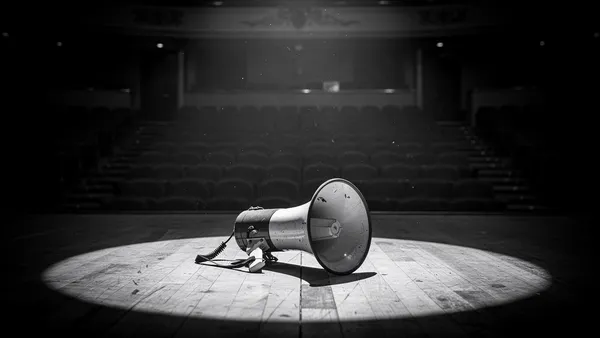
Social media has handed brands a direct line to millions of people, and many of them are using it to accidentally destroy their own reputations. Across industries, companies have posted tone-deaf responses to crises, doubled down on bad takes, or gone silent at exactly the wrong moment. The pattern is consistent: brands treat social media like a megaphone when it actually functions as a two-way conversation.
The Communication Angle
The single biggest mistake brands make on social media is confusing speed with strategy. When something goes wrong, the instinct is to respond fast. That instinct is half right. You do need to respond quickly. But the brands that crater their reputations do so because they respond fast AND thoughtlessly. Speed without clarity is just a faster way to make things worse.
Look at the structural problem underneath most social media fails. The person writing the response is usually not the person who understands the full consequences of the words. A junior social media manager is crafting a public statement about a crisis that legal, PR, and the C-suite will all have opinions on later. By then, the post has 50,000 shares. The communication failure was baked into the organizational structure before anyone typed a single word.
Then there is the defensive response pattern, which is the most reliably catastrophic move a brand can make. When audiences call out a brand, the brand fires back. They explain themselves. They correct the record. They tell customers why they are wrong. This is a losing strategy every single time. People do not want to be corrected by the company they are already angry at. The moment you get defensive, you confirm that you are more interested in protecting yourself than addressing the problem. The audience stops listening and starts screenshotting.
What works instead is the acknowledgment-first model. You state that you hear the concern. You name the specific issue. You say what you are doing about it. That is the entire formula. Three steps. Brands skip step one constantly because it feels like an admission of guilt. It is not. It is proof that you are paying attention, and paying attention is the price of entry for any real conversation.
The deeper communication truth here is this: your social media presence is not your brand's voice. It is your brand's character. Voice is the words you choose. Character is what you do when things go wrong. You can craft the most polished brand voice guide in existence and it means nothing the moment a real crisis hits and your team panics. What survives pressure is not polish. It is a clear decision-making process about what you stand for and who you are accountable to.
This is exactly the kind of scenario I break down in Say It Right Every Time. The chapter on accountability language gives you a framework for responding under pressure without sounding like you are reading from a legal disclaimer. The difference between a response that rebuilds trust and one that destroys it comes down to about four specific word choices, and most brands are consistently making the wrong four.

Never Be Lost
for Words Again
Get word‑for‑word scripts for the conversations that shape your life, from job interviews and negotiations to difficult talks with family and partners, so you always know exactly what to say and how to say it.
Never Be Lost
for Words Again
Get word‑for‑word scripts for the conversations that shape your life, from job interviews and negotiations to difficult talks with family and partners, so you always know exactly what to say and how to say it.
Key Takeaway
Before your brand posts any response to criticism or controversy, write down two things: the specific concern you are addressing (not a vague summary, the actual complaint) and the one concrete action you are committing to. If you cannot write down that action, you are not ready to post. Silence for two more hours beats a defensive non-answer that will be screenshotted and shared for two years.