
What Happened
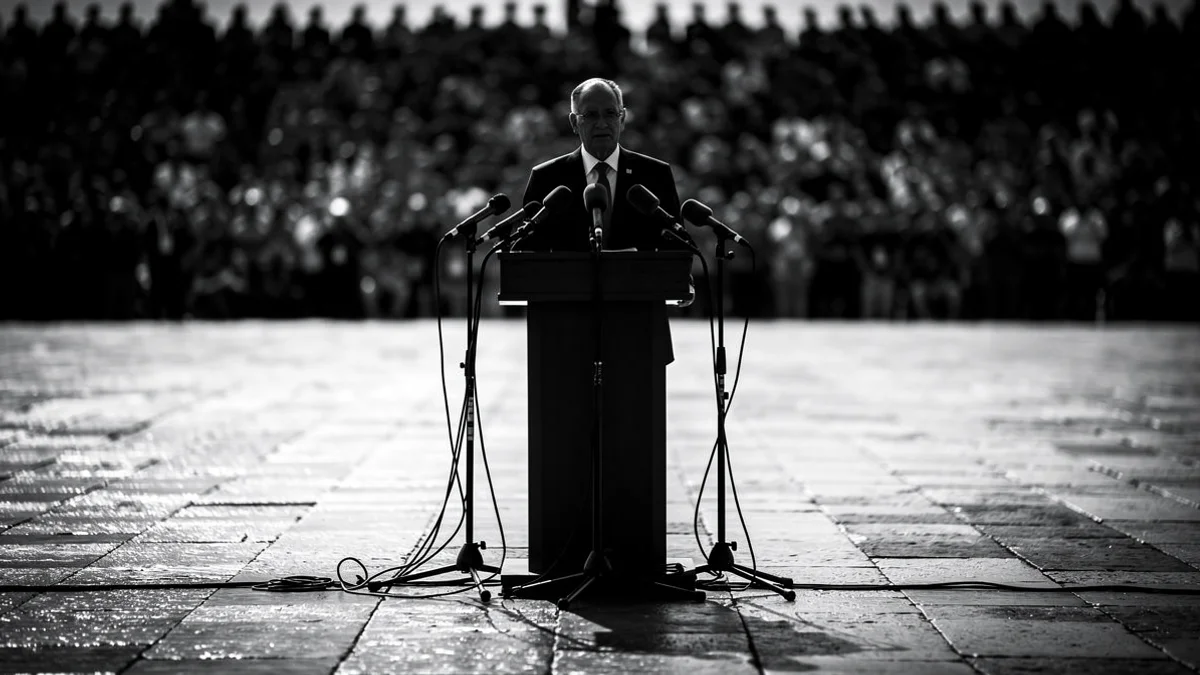
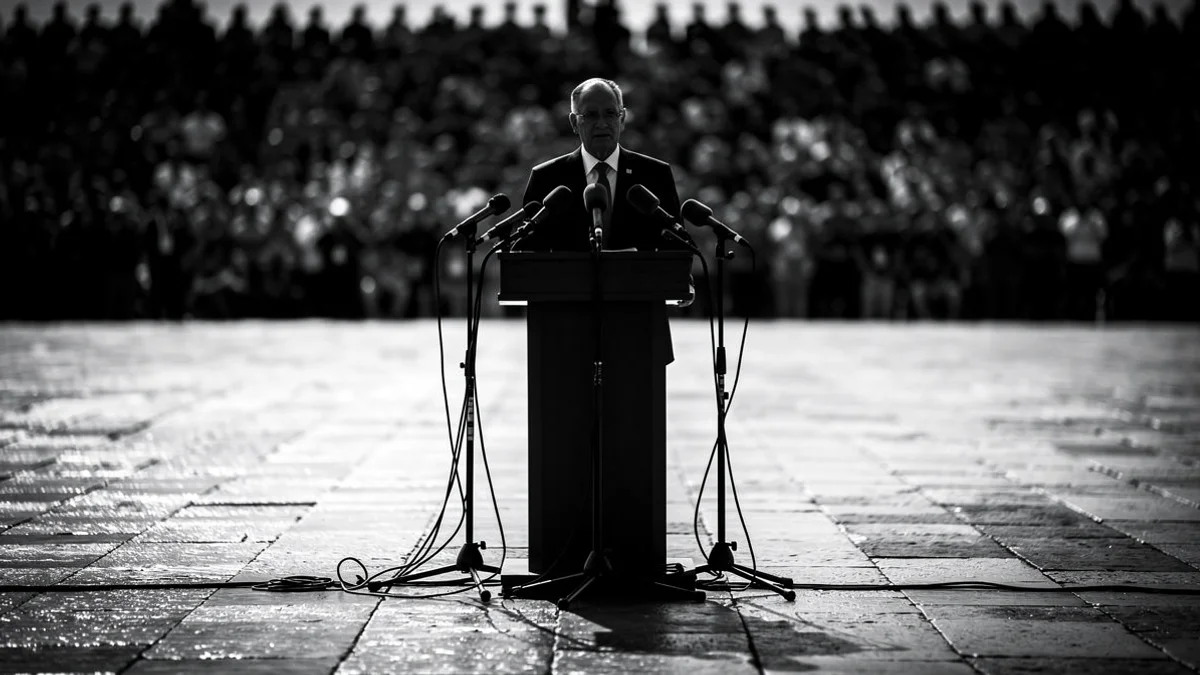
Arvind Kejriwal, the national convenor of the Aam Aadmi Party, traveled to Ayodhya to hold a press conference while under fire over allegations tied to Ram Mandir donations. The move placed him directly at the center of the controversy's symbolic ground. Whether this was bold strategy or a costly miscalculation depends entirely on what he said and how he said it.
The Communication Angle
Picture this: a politician accused of mishandling sacred donations decides to stand in the very city where the temple sits and face cameras. That is either the most confident move in the playbook or the most reckless. There is no middle ground here.
The choice of location is a communication decision before a single word is spoken. Ayodhya is not neutral territory. It carries enormous emotional and religious weight for hundreds of millions of people. By showing up there, Kejriwal was making a symbolic claim: "I am not afraid of this ground, and I respect what it represents." That is a smart instinct. Proximity to the controversy signals courage, not guilt. Running from Ayodhya would have looked far worse.
But here is where most politicians destroy themselves in exactly this kind of moment. They confuse showing up with saying something. Presence alone does not fix a damaged narrative. Once you are standing at that podium, every word either builds your case or chips away at it. The most common failure I see in crisis situations is what I call "defensive rambling." The speaker arrives, feels the pressure of the room, and starts talking in circles. They address five things when they should address one. They hedge when they should commit. They sound like someone trying to escape rather than someone trying to lead.
A press conference in a high-stakes location demands a single clear message delivered without apology. Not a list of rebuttals. Not a tour of your grievances. One clean line that the audience can walk away with. Something like: "Here is what I did, here is what I did not do, and here is what I am going to do next." Three beats. That is the whole speech. Everything else is noise.
The deeper lesson here is about audience selection. Who were the cameras actually for? The journalists in that room were not Kejriwal's real audience. His real audience was the voter watching a 30-second clip on their phone that evening. That clip needed to show a calm, direct leader, not a defensive politician. Every word choice, every pause, every expression had to serve that viewer, not the reporter asking the question. Most people in crisis mode forget this entirely. They answer the question in front of them instead of speaking to the people who matter most.
This is exactly the kind of scenario I break down in Say It Right Every Time. The chapter on speaking under pressure gives you a framework for stripping a crisis response down to its essential core, so you walk into any difficult room knowing exactly what you are there to say and exactly who you are saying it to.

Never Be Lost
for Words Again
Get word‑for‑word scripts for the conversations that shape your life, from job interviews and negotiations to difficult talks with family and partners, so you always know exactly what to say and how to say it.
Never Be Lost
for Words Again
Get word‑for‑word scripts for the conversations that shape your life, from job interviews and negotiations to difficult talks with family and partners, so you always know exactly what to say and how to say it.
Key Takeaway
Before your next high-pressure public statement or difficult conversation, write down this single sentence: "The person I most need to reach is ____, and the one thing I need them to believe is ____." Fill in both blanks. Then build everything you say around those two answers. Cut anything that does not serve them.