
What Happened
Remote work didn't just change where people work. It changed how workplace conflicts fester and explode. Without hallway conversations, shared lunches, or the ability to read a room, teams are discovering that disagreements which once got resolved in five minutes now calcify into full-blown standoffs. Organizations are being forced to rethink how conflict resolution actually works when everyone is on a screen.
The Communication Angle
Here is the comparison that matters: the team that tries to resolve conflict the old way versus the team that rewrites the rules for a remote context.
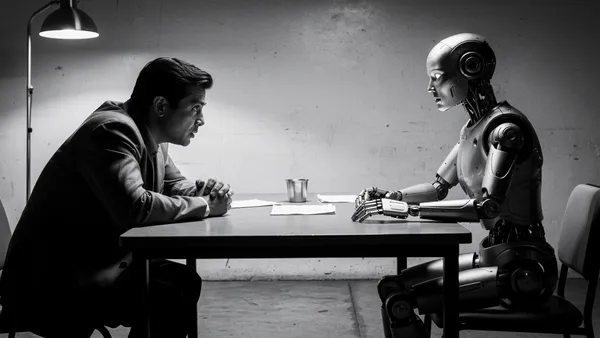
The old way looks like this. A manager notices tension between two employees. She sends a group email asking everyone to "be professional and work it out." Maybe she schedules a video call with both parties, lets them talk, hopes it resolves itself. It does not. Why? Because she used the right tool for the wrong environment. In a physical office, proximity does half the work for you. People see each other, soften, pick up nonverbal cues. On a video call, every silence feels hostile and every crossed arm gets magnified by a camera. The manager handed two people a grenade and called it a mediation.
The right approach looks completely different. Before you ever get to a conversation, you do the prep work that remote conflict demands. You talk to each person separately, one on one, before bringing them together. You ask direct questions: "What outcome do you need?" and "What are you willing to give?" You make it explicit. You do not let people bring vague feelings into a structured conversation. Then, when the joint conversation happens, you lead with agreed facts, not contested feelings. You say: "Here is what we both said we need. Here is where those needs conflict. Here is where they overlap." You give the conversation a spine.
The second critical difference is medium choice. Most managers default to video because it feels like the closest thing to in-person. But video is not always the right call for conflict. Sometimes a written exchange, structured and moderated, gives people the space to say what they mean without the performance anxiety of being watched. Sometimes a phone call, no camera, works better because people relax. The best remote conflict handlers are deliberate about this choice. They do not just book a Zoom and hope for the best.
Remote conflict also punishes vagueness harder than in-person conflict does. When you are in the same room, you can course-correct mid-conversation with a gesture or a tone shift. On a screen, words are almost all you have. Sloppy language and unspoken assumptions do not get smoothed over. They sit in the chat log and get screenshot. Be precise. Say exactly what you mean. Confirm what was agreed in writing, immediately after the call.
This is exactly the kind of scenario I break down in Say It Right Every Time. The chapter on high-stakes conversations gives you a framework for separating the preparation phase from the conversation itself, because most people skip straight to talking when the real work happens before they open their mouths.

Never Be Lost
for Words Again
Get word‑for‑word scripts for the conversations that shape your life, from job interviews and negotiations to difficult talks with family and partners, so you always know exactly what to say and how to say it.
Never Be Lost
for Words Again
Get word‑for‑word scripts for the conversations that shape your life, from job interviews and negotiations to difficult talks with family and partners, so you always know exactly what to say and how to say it.
Key Takeaway
Before your next remote conflict conversation, write three things down: the one outcome you need, the one thing you are willing to concede, and the exact first sentence you will say to open the conversation. That first sentence should be a fact, not a feeling. "Here is the situation as I understand it" beats "I feel like things have been tense" every single time.