
What Happened
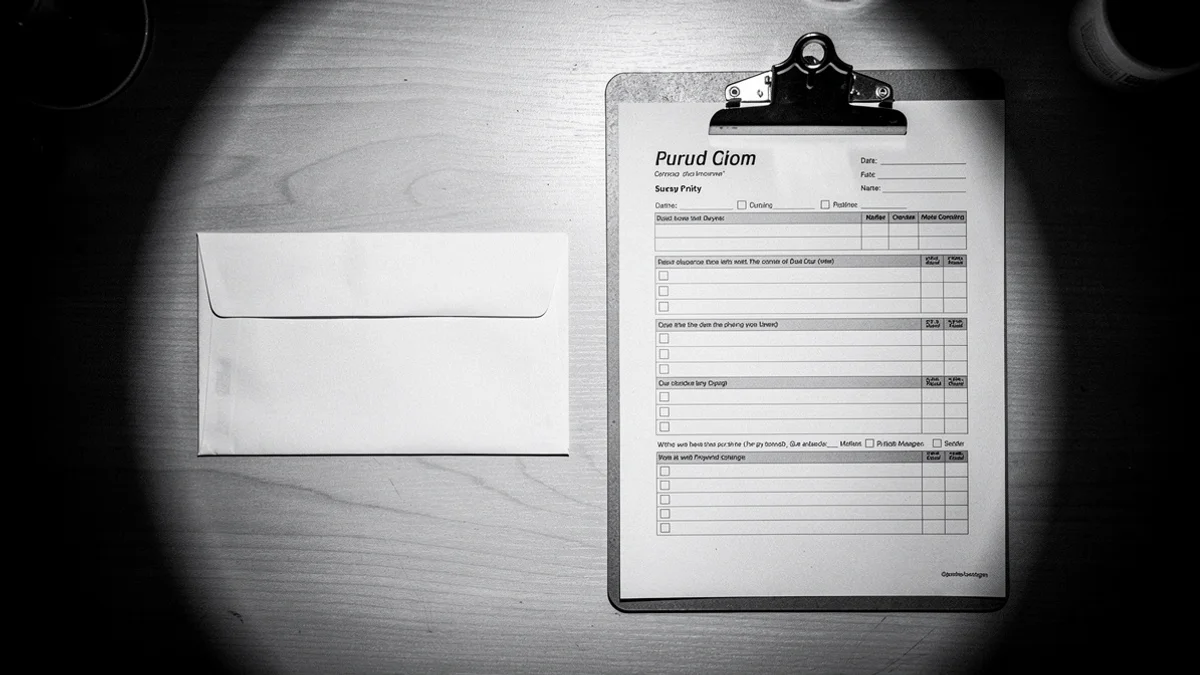
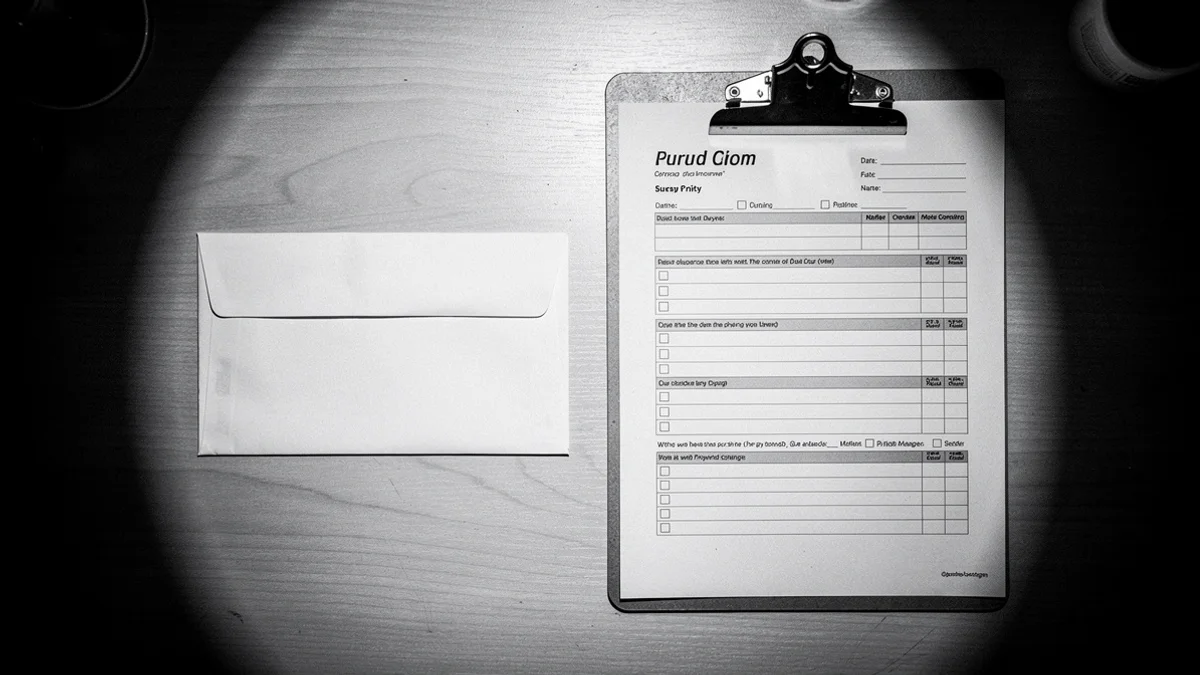
Kyndryl, the IT services company spun out of IBM, sent layoff notifications to a group of employees and a company-wide sentiment survey on the same day. The survey asked employees how they felt about working at Kyndryl. The company described this timing as part of its "commitment to listen." Some employees received both messages within hours of each other.
The Communication Angle
Can you actually ask someone how they're doing while handing them a termination notice? That is the question Kyndryl just answered, loudly and badly.
The problem here is not the layoffs. Companies cut positions. That is business reality. The problem is the collision of two completely opposite signals sent at the exact same moment. A sentiment survey says: "Your voice matters here." A redundancy notice says: "You no longer have a place here." When those two messages arrive together, you do not get neutrality. You get noise. Worse, you get contempt. The people being laid off read the survey as a bad joke. The people keeping their jobs read it as proof that leadership is not paying attention to what is actually happening inside the building.
This is a sequencing failure, and sequencing is one of the most underestimated tools in communication. The order in which you deliver information changes how people receive it. Always. If Kyndryl had sent the redundancy notices, given people a week to process, and then surveyed the remaining workforce with honest framing ("We are going through change and we want to understand how you're feeling about it"), the survey would have had credibility. Instead, the simultaneous delivery made the survey look automated and the layoffs look thoughtless. Both impressions were probably avoidable.
There is also a deeper failure here, which is the language Kyndryl chose to defend itself. Calling same-day terminations and a feedback survey a "commitment to listen" is not spin. It is the opposite of spin. Good spin at least acknowledges reality before redirecting it. This phrase denies reality entirely. When your explanation makes the original mistake look worse by comparison, you have failed at damage control. The rule is simple: never describe what you did in language that could be used as a punchline. "Commitment to listen" handed journalists and employees a ready-made headline.
If you are a communications professional or a manager, here is what to take from this: high-stakes messages demand dedicated timing. Do not let a layoff share a calendar date with any message that implies normalcy or engagement. Separate them by days, not hours. And when you write the explanation for a hard decision, test it against this question: "Would the person most hurt by this decision find my words insulting?" If yes, rewrite.
This is exactly the kind of scenario I break down in Say It Right Every Time. The chapter on message sequencing gives you a framework for mapping the emotional state of your audience before you decide when and in what order to deliver competing pieces of information. Getting the sequence right does not soften hard news. It gives it the dignity it deserves, and it keeps you from manufacturing a crisis on top of a crisis.

Never Be Lost
for Words Again
Get word‑for‑word scripts for the conversations that shape your life, from job interviews and negotiations to difficult talks with family and partners, so you always know exactly what to say and how to say it.
Never Be Lost
for Words Again
Get word‑for‑word scripts for the conversations that shape your life, from job interviews and negotiations to difficult talks with family and partners, so you always know exactly what to say and how to say it.
Key Takeaway
Before you send any difficult message, especially one involving job losses or major change, pull up your company's scheduled communications for that week and the week after. Cancel or delay anything that signals "business as usual." A benefits reminder, an engagement survey, a team-building invitation: all of these become cruel coincidences when placed next to hard news. Timing is not a logistics problem. It is a respect problem.