
What Happened
Spirit Airlines imploded publicly when a cascade of mass cancellations left thousands of passengers stranded at airports across the country, unable to get straight answers about refunds or rebooking. The collapse was not just logistical. It exposed a company with no credible voice, no clear plan, and no one willing to step forward and own the situation. Passengers were left to figure it out themselves.
The Communication Angle
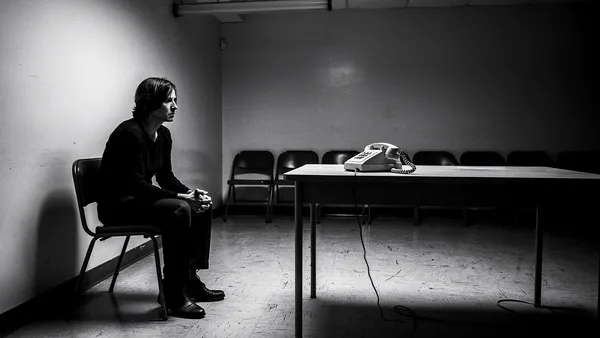
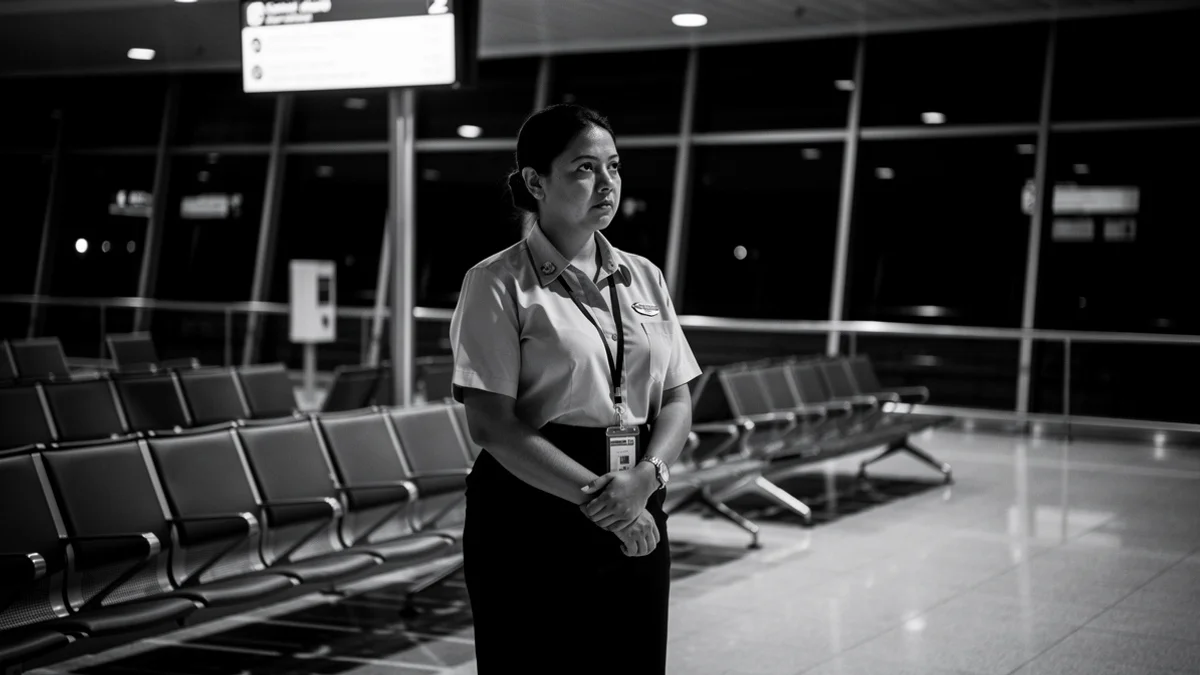
Picture this: you are standing at a gate, your flight gone, your phone full of automated emails that say nothing. You ask an agent. They shrug. You call the hotline. You wait. You search the Spirit website. There is a banner. It says "We apologize for the inconvenience." That is not communication. That is wallpaper.
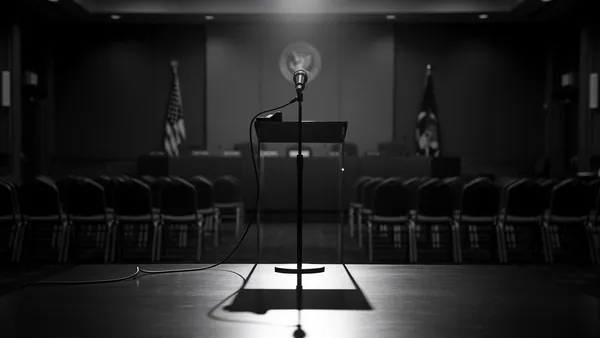
This is where Spirit failed before it failed operationally. The first rule of crisis communication is brutal and simple: someone has to show up. Not a press release. Not a holding statement. A human being with authority has to stand in front of the problem and speak directly to the people affected. Spirit had no such person. Leadership went quiet precisely when volume was required. That silence did not protect anyone. It accelerated the panic.
The second failure was the absence of specifics. Crisis communication lives or dies on specifics. "We are working on it" tells your customer nothing. It signals that you do not respect them enough to give them real information. Compare that to what you could say: "Here is what happened, here is what we are doing in the next 48 hours, and here is the one number you call to resolve your situation." That sentence takes fifteen seconds to say. It cuts panic in half. Spirit never said it.
The third failure was sequencing. Even if Spirit had crafted a decent message, they delivered it in the wrong order, to the wrong people, at the wrong time. Passengers at the gate should have been addressed first, directly, by someone with answers. Not Twitter. Not a website update. The people physically stranded, bags in hand, children in tow. That is your first audience. You fix that room before you manage your reputation online. Spirit reversed the order and paid for it.
Here is the hard truth: crisis communication is not a PR skill. It is a leadership skill. The moment Spirit's executives chose distance over presence, they forfeited every chance to control the story. The story then wrote itself, and it was ugly.
This is exactly the kind of scenario I break down in Say It Right Every Time. The chapter on crisis presence gives you a framework for deciding who speaks, when they speak, and what the first three sentences out of their mouth must accomplish. Because in a crisis, your first words are not an introduction. They are a verdict. People decide in seconds whether you are trustworthy or not, and you rarely get a second chance to reset that judgment.

Never Be Lost
for Words Again
Get word‑for‑word scripts for the conversations that shape your life, from job interviews and negotiations to difficult talks with family and partners, so you always know exactly what to say and how to say it.
Never Be Lost
for Words Again
Get word‑for‑word scripts for the conversations that shape your life, from job interviews and negotiations to difficult talks with family and partners, so you always know exactly what to say and how to say it.
Key Takeaway
Before your next crisis, or even your next difficult conversation with a frustrated client, write one sentence that answers this question: "What is the most honest thing I can say right now that also moves this forward?" Not the safest sentence. Not the most polished one. The most honest one that still points toward resolution. That single sentence, delivered early and directly, is worth more than an hour of careful messaging that arrives too late.