
What Happened
Eleven universities from East and Southern Africa will face off in the Africa University Public Relations Challenge on August 25, 2026, in Nairobi. The competition tests students on creativity, strategy, and communications execution. It is one of the continent's most visible platforms for developing young PR professionals before they enter the workforce.
The Communication Angle
Here is the lesson: you do not learn to communicate under comfortable conditions. You learn when the stakes are real, the clock is running, and someone is watching who actually knows the difference between good and mediocre.
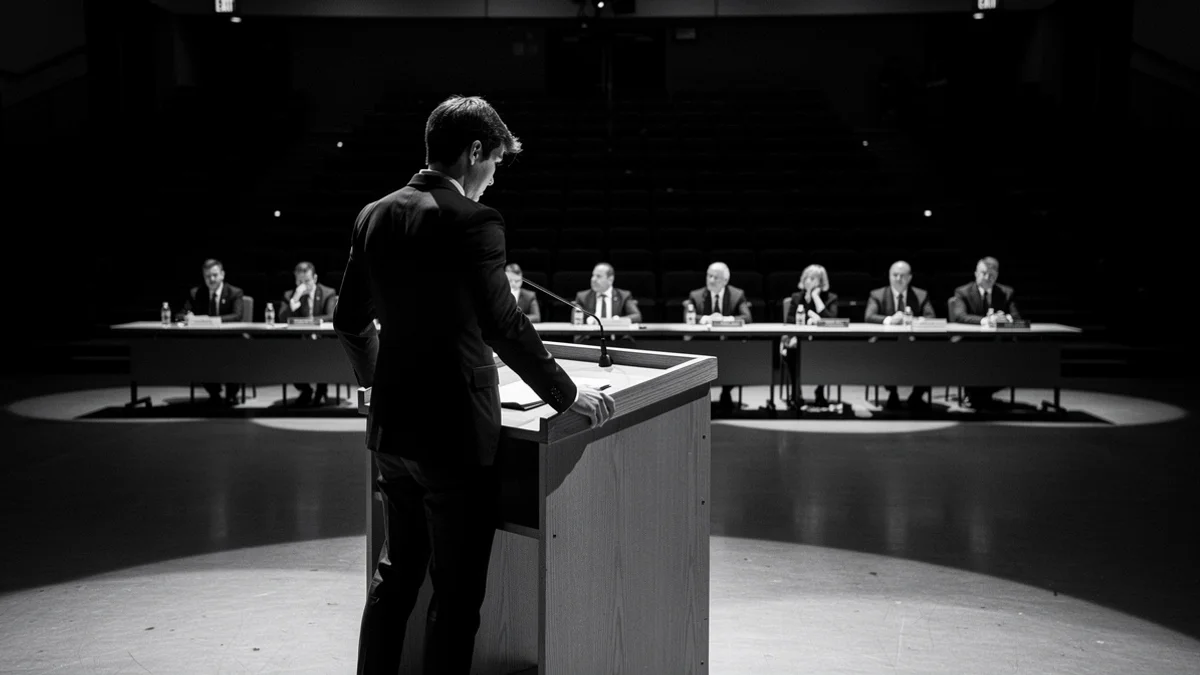
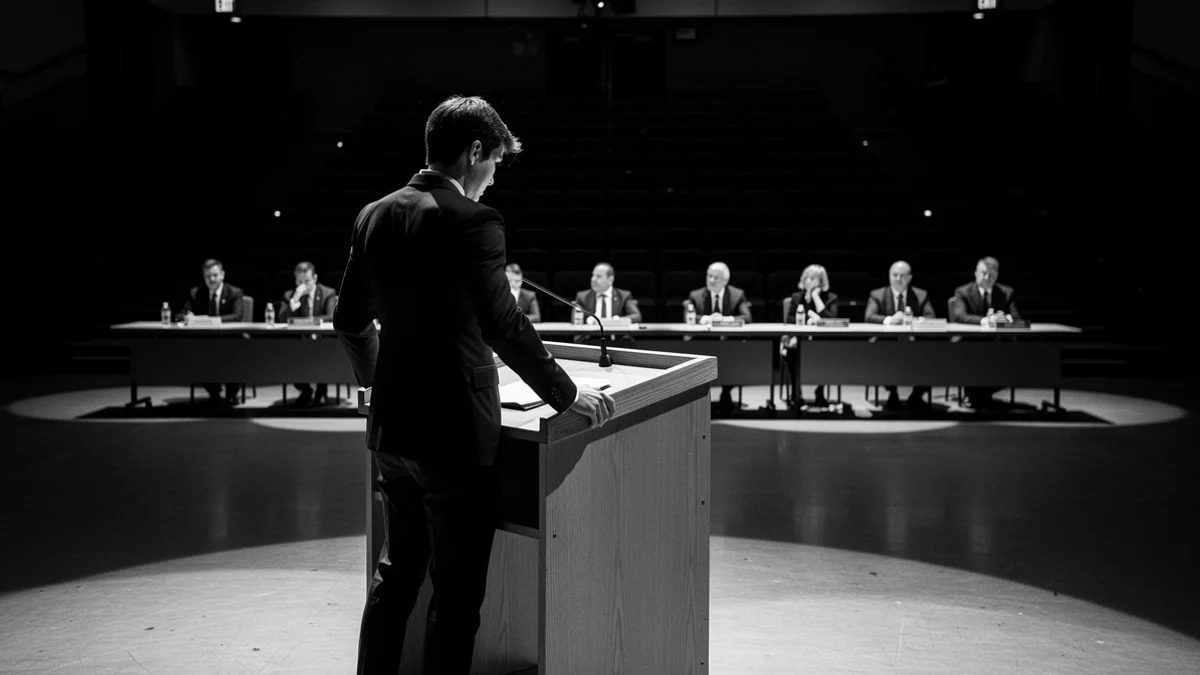
That is exactly what this competition builds. When you put eleven teams in a room and make them compete on communication strategy, something happens that no classroom exercise can replicate. The pressure forces clarity. Students cannot hide behind vague language or bloated presentations. They have to say what they mean, defend their choices, and make a case that holds up under scrutiny. That is professional communication in its purest form.
The structure of a competition like this is itself a communication lesson. Public relations is about influencing how people perceive something, whether a brand, a crisis, or an idea. To do that well, you need to understand your audience, build a clear message, and deliver it in a way that earns trust. A judged competition puts all three of those skills on the table at once. Students are not just crafting messages. They are communicating those messages to judges who are actively looking for weaknesses. That is pressure-testing, and pressure-testing is where real skill gets built.
There is also something important about the regional scope here. Bringing together universities from East and Southern Africa means students are not just competing against people from their own communication culture. They are encountering different storytelling traditions, different assumptions about audience, and different instincts for what counts as persuasive. That kind of exposure is a fast education. It forces you to examine why you communicate the way you do, not just how.
The actionable insight for professionals watching this: competition formats work outside academia too. If you lead a communications team, run internal pitch competitions. Give your team a real brief, a real deadline, and real feedback. Then watch how fast they improve.
This is exactly the kind of scenario I break down in Say It Right Every Time. The chapter on high-stakes delivery gives you a framework for performing under pressure: how to strip your message down to its core before you walk into the room, so that nerves, time limits, and tough questions cannot knock you off your point. What these university students are about to experience in Nairobi is a live version of that framework. The ones who win will not be the ones with the most polished slides. They will be the ones who stayed clear when the pressure hit.

Never Be Lost
for Words Again
Get word‑for‑word scripts for the conversations that shape your life, from job interviews and negotiations to difficult talks with family and partners, so you always know exactly what to say and how to say it.
Never Be Lost
for Words Again
Get word‑for‑word scripts for the conversations that shape your life, from job interviews and negotiations to difficult talks with family and partners, so you always know exactly what to say and how to say it.
Key Takeaway
Before your next team meeting or client presentation, give yourself one hard constraint: you have 90 seconds to explain your idea out loud to someone who has never heard it. If you cannot do it clearly in 90 seconds, you are not ready to present it at all. Time yourself. Do it before you open a single slide.