
What Happened
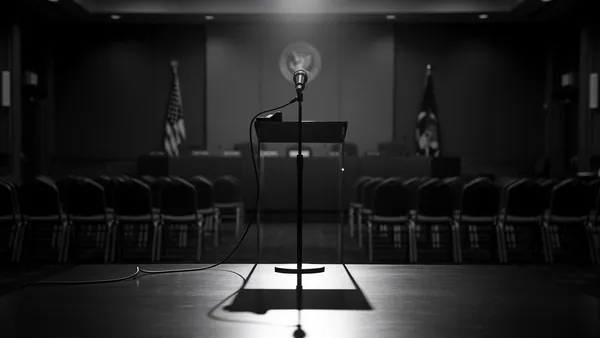
Nepal's Prime Minister Balen Shah has drawn sharp criticism for his persistent silence inside Parliament. Political opponents and commentators are treating his reluctance to speak as a sign of weakness or disengagement. But silence from a sitting head of government is never accidental, and it is rarely what it appears to be on the surface.
The Communication Angle
Picture a chess grandmaster who refuses to move a single piece for the first twenty minutes of a match. Everyone watching assumes he is stuck. He is not stuck. He is reading the board.
That is exactly what Balen Shah is doing in Parliament, and almost nobody is giving him credit for it.
Silence is one of the most misread tools in public communication. Most people treat it as an absence of something. It is not. Silence is a signal, and like any signal, it carries a message. The message Shah is sending is deliberate: I will not be baited into your arena, on your terms, using your rules. That is not weakness. That is positioning.
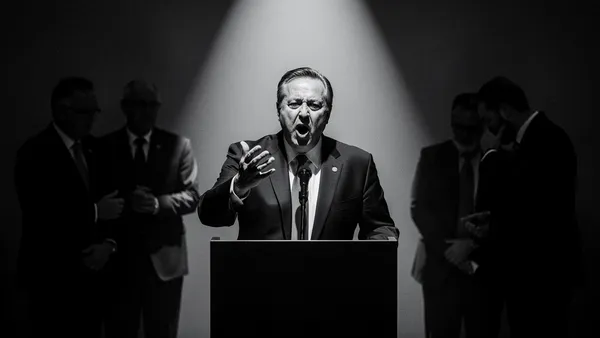
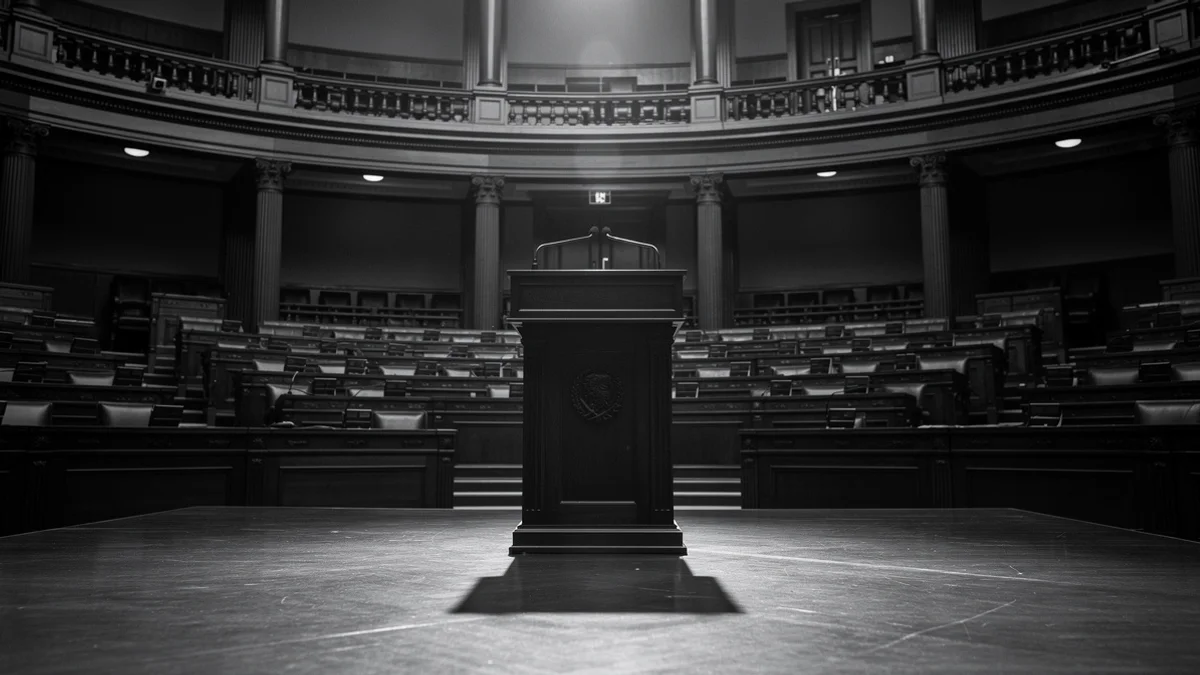
Here is what the critics are missing. Every time an opponent demands that you speak, they are also revealing what they fear. They fear the response. They fear the moment when Shah steps to that podium and reframes the entire conversation on his own schedule. By staying quiet, Shah has turned Parliament into a pressure cooker, and he is not the one sitting inside it. His silence forces his critics to fill the void with louder and louder accusations, which increasingly look like desperation rather than legitimate critique. The longer they shout into an empty room, the smaller they appear.
There is a real risk here, though, and I will not pretend otherwise. Silence only works as a strategy if it is followed eventually by a statement that justifies the wait. If Shah never speaks with force and clarity, his silence stops being a chess move and becomes a forfeit. The technique requires a payoff. Right now, he is building anticipation. He cannot build it forever. The window for a powerful, well-timed address to Parliament is open. It will not stay open indefinitely.
What professionals can take from this: the next time you are in a hostile meeting or a difficult negotiation, resist the reflex to defend yourself immediately. Let the other side overcommit. Let them lay out every argument, every accusation, every card in their hand. Then respond once, clearly, and make it count. One precise answer after prolonged silence lands with ten times the force of a frantic back-and-forth.
This is exactly the kind of scenario I break down in Say It Right Every Time. The chapter on strategic timing gives you a framework for deciding when speaking early is a gift to your opponent and when holding your words is the most powerful move you can make. Timing is not about being slow. It is about being precise.

Never Be Lost
for Words Again
Get word‑for‑word scripts for the conversations that shape your life, from job interviews and negotiations to difficult talks with family and partners, so you always know exactly what to say and how to say it.
Never Be Lost
for Words Again
Get word‑for‑word scripts for the conversations that shape your life, from job interviews and negotiations to difficult talks with family and partners, so you always know exactly what to say and how to say it.
Key Takeaway
Before your next high-stakes conversation where someone is pressuring you to respond, write down this single question first: "Who has more to lose if I stay quiet right now?" If the answer is them, not you, then wait. Let the silence work. Speak only when you have something that closes the argument, not just something that continues it.