
What Happened
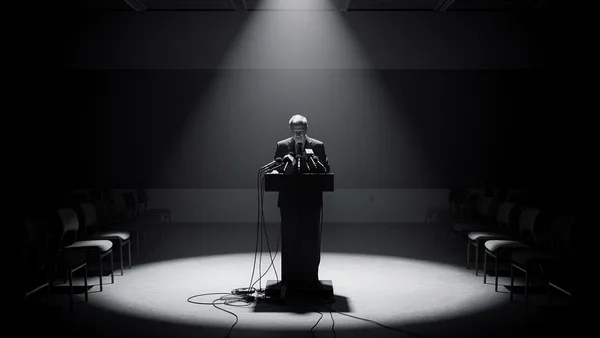
In 1962, conductor Leonard Bernstein took the unusual step of publicly distancing himself from pianist Glenn Gould's interpretation of a Brahms concerto before they performed it together. Rather than hiding the conflict, Bernstein announced it to the audience. The two men then delivered a performance widely considered extraordinary. Their creative friction, made visible and honest, produced something neither could have made alone.
The Communication Angle
Can you disagree with someone in public and still make them look good?
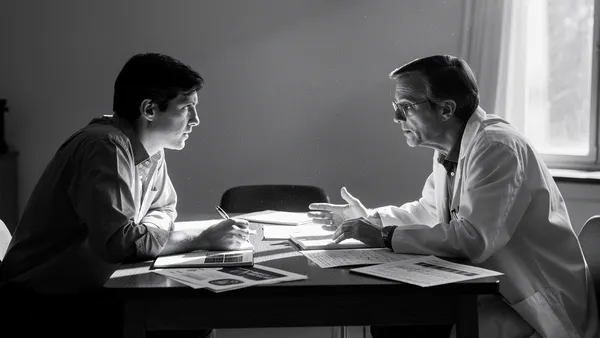
Most professionals think conflict and collaboration are opposites. You pick one. Bernstein and Gould proved that framing is everything. Bernstein did not attack Gould. He did not undermine him. He stood at the podium and said, in plain terms: this man has a vision I do not share, and we are going to show it to you anyway. That is not a surrender. That is a masterclass in what I call transparent disagreement, where you name the tension instead of burying it.
Here is why it worked. Bernstein gave Gould's position dignity before a note was played. He did not frame the disagreement as "Gould is wrong." He framed it as "Gould sees something I don't see." That single shift changes everything. The audience stops waiting for someone to fail. They start watching two intelligent people navigate a genuine difference. The room becomes curious instead of tense.
Most workplace conflicts go the other direction. A manager overrides a team member's idea without explanation. A colleague passive-aggressively "supports" a decision they opposed. The disagreement is real, but it goes underground. Underground conflict does not disappear. It festers. It shows up in the quality of the work, in the body language during the presentation, in the enthusiasm (or lack of it) behind the execution. Bernstein understood something most leaders don't: hiding a conflict is not professionalism. It is a slow leak.
The deeper lesson here is about ownership. Gould owned his interpretation completely. Bernstein owned his objection completely. Neither one blinked. And because both men were fully committed to their positions, the audience got to watch something real. Authenticity at that level is rare, and people recognize it immediately. In your next team disagreement, ask yourself: are you committed to your position, or are you just defending your ego? Those are not the same thing.
This is exactly the kind of scenario I break down in "Say It Right Every Time." The chapter on naming difficult truths gives you a framework for surfacing conflict without setting the room on fire. The goal is not to win the argument. The goal is to make the argument useful. Bernstein did that. You can too.

Never Be Lost
for Words Again
Get word‑for‑word scripts for the conversations that shape your life, from job interviews and negotiations to difficult talks with family and partners, so you always know exactly what to say and how to say it.
Never Be Lost
for Words Again
Get word‑for‑word scripts for the conversations that shape your life, from job interviews and negotiations to difficult talks with family and partners, so you always know exactly what to say and how to say it.
Key Takeaway
Before your next meeting where you know a conflict is coming, write one sentence that honestly names the disagreement without assigning blame. Something like: "We see the timeline differently, and I want both views on the table before we decide." Say it out loud in the room. You will not destroy the relationship. You will very likely save it, and you will get a better outcome than if you smile and pretend everyone agrees.