
In Short
After reading this, you will be able to use deliberate physical expression to make your message clearer, more credible, and more memorable.
- Ground your stance before you speak so your body does not undercut your words.
- Match your gestures to the scale and weight of your idea.
- Use movement with intention, and use stillness with equal intention.
Movement enhances message delivery when physical expression, including gesture, posture, and proximity, is used deliberately to reinforce spoken words. It is the nonverbal layer of communication that shapes how listeners receive, trust, and retain what you say.
You have watched it happen. Someone with a strong idea walks into the room, begins to speak, and within thirty seconds, people are looking at their phones. The words are fine. The idea is sound. But the body is doing something else entirely: shifting from foot to foot, arms crossed, gaze fixed to the floor. The message never lands because the body is working against it.
Here is the truth of it: movement enhances message delivery when it is deliberate. When it is not, the body becomes noise. Most people struggle with physical expression not because they lack confidence in their ideas, but because no one ever taught them to treat their body as part of their communication toolkit. They manage their words carefully and leave their physical delivery entirely to chance.
In this guide, you will get a clear, practical process for physical expression that you can use immediately.
Why Physical Expression Is Harder Than It Looks
Knowing that body language matters is very different from being able to control it in the moment. Most people discover this the hard way, the first time they watch a recording of themselves presenting.
Here is what makes physical expression genuinely difficult:
Stress hijacks your body before you realise it. When you are under pressure, your nervous system tightens your shoulders, shortens your breath, and makes you small. None of this is a conscious decision, which makes it hard to catch and harder to correct in the moment.
Your habits are invisible to you. The rocking, the hair-touching, the pacing back and forth: these patterns feel normal because you have been doing them for years. You do not notice them, but your audience notices nothing else.
Deliberate movement feels unnatural at first. When you first try to use a purposeful gesture, it feels theatrical. So you pull back. You do less. You end up doing nothing, and your delivery goes flat.
Most feedback focuses on words, not body. People will tell you that your presentation was good or that your tone was off. They rarely say: "You crossed your arms when you delivered your main point and it cost you the room."
Physical expression requires attention to two things at once. You are managing your content and your body simultaneously. For most people, the body loses every time.
The goal is not to eliminate these difficulties. It is to build a system that works in spite of them.
"The Conversation You're Avoiding Is the One You Need to Have."
"The Conversation You're Avoiding
Is the One You Need to Have."
Stop rehearsing conversations you'll never have. Say It Right Every Time gives you 115 word-for-word scripts and 16 proven frameworks to speak with confidence in every conversation that matters.
The Foundation: What You Need Before You Start
Before you begin, there are three things that need to be clear.
Know your key moments. Identify the two or three points in your message where the idea matters most. These are the moments where your physical expression needs to do its heaviest work. If you do not know where those moments are before you speak, your body will not know either.
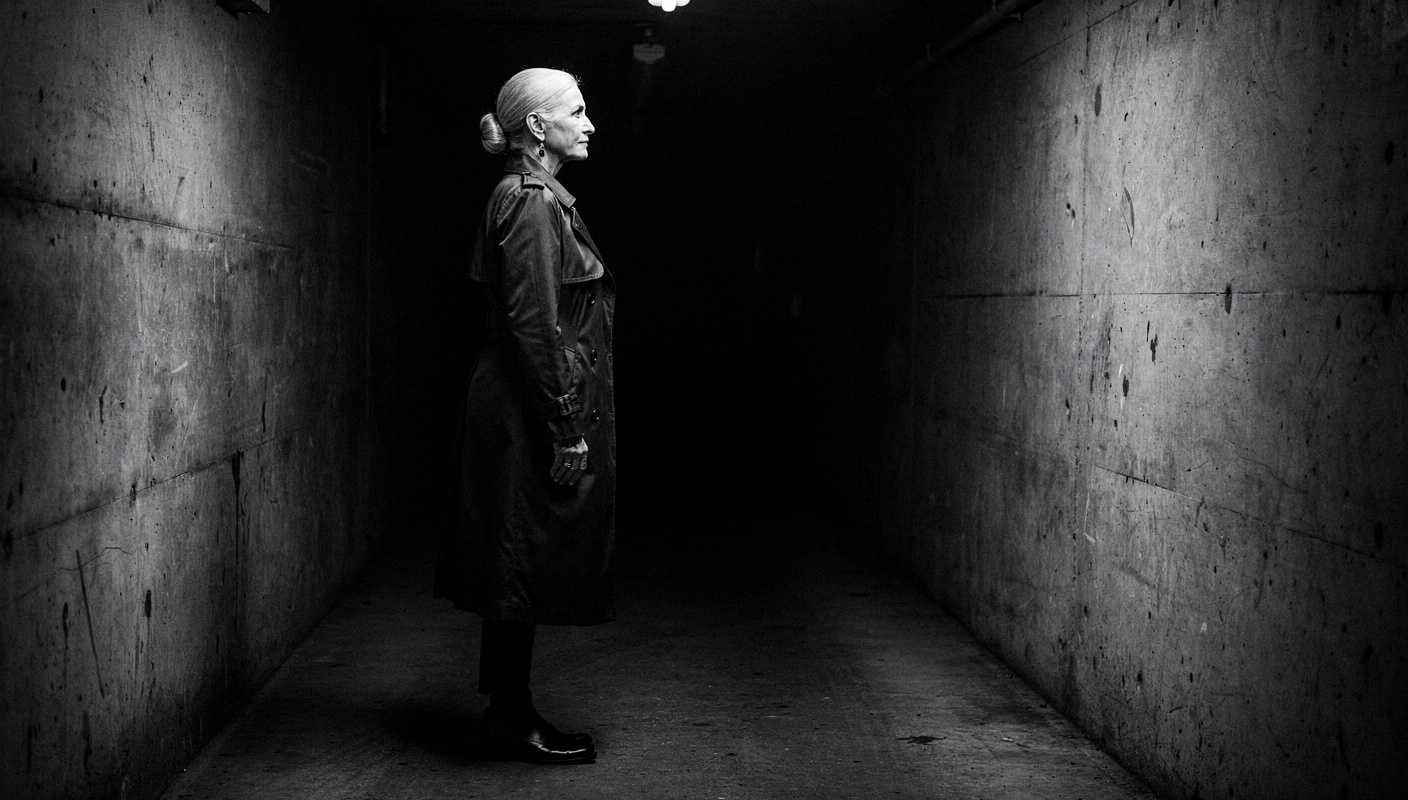
Have a default stance. You need one neutral, stable position to return to whenever you are not actively gesturing or moving. This is your anchor: feet roughly hip-width apart, weight balanced, hands either at your sides or held loosely in front. Practice this stance until it feels natural. It is the ground you return to between movements.
Accept that you will be observed. This sounds obvious, but many people unconsciously hide when they speak: small gestures, averted eyes, bodies angled slightly away from the room. Physical expression only works if you allow yourself to be fully seen. You cannot communicate with your body and disappear at the same time.
Get these right first. The steps that follow will not work without them.
Step 1: Ground Your Stance Before You Speak
This step sets the physical foundation for everything that follows, and it takes less than five seconds.
Before you say a single word, plant your feet. Most people launch into speech while still settling into the room, and the result is a body that looks unsure even when the person is not. Grounding your stance signals to your audience, and to yourself, that you are ready. It is a simple action with an outsized effect on how you are perceived from the first moment.
- Take your position in the room before you begin speaking.
- Set your feet at hip-width, weight even across both feet.
- Release tension from your shoulders by taking one slow breath.
- Bring your hands to a neutral position, at your sides or loosely clasped in front.
- Hold the stance for two full seconds before you speak.
Example: Picture a department head about to address her team after difficult news. Instead of speaking while still walking to the front of the room, she stops, stands, takes one breath, and makes eye contact with three people before she says a word. The room goes quiet. She has not spoken yet, and she already has their full attention. Her physical stillness told them this matters.
When you ground yourself before speaking, you start from a position of calm authority rather than managed anxiety. This carries into every gesture and movement that follows.
Step 2: Calibrate Your Gestures to the Size of Your Idea
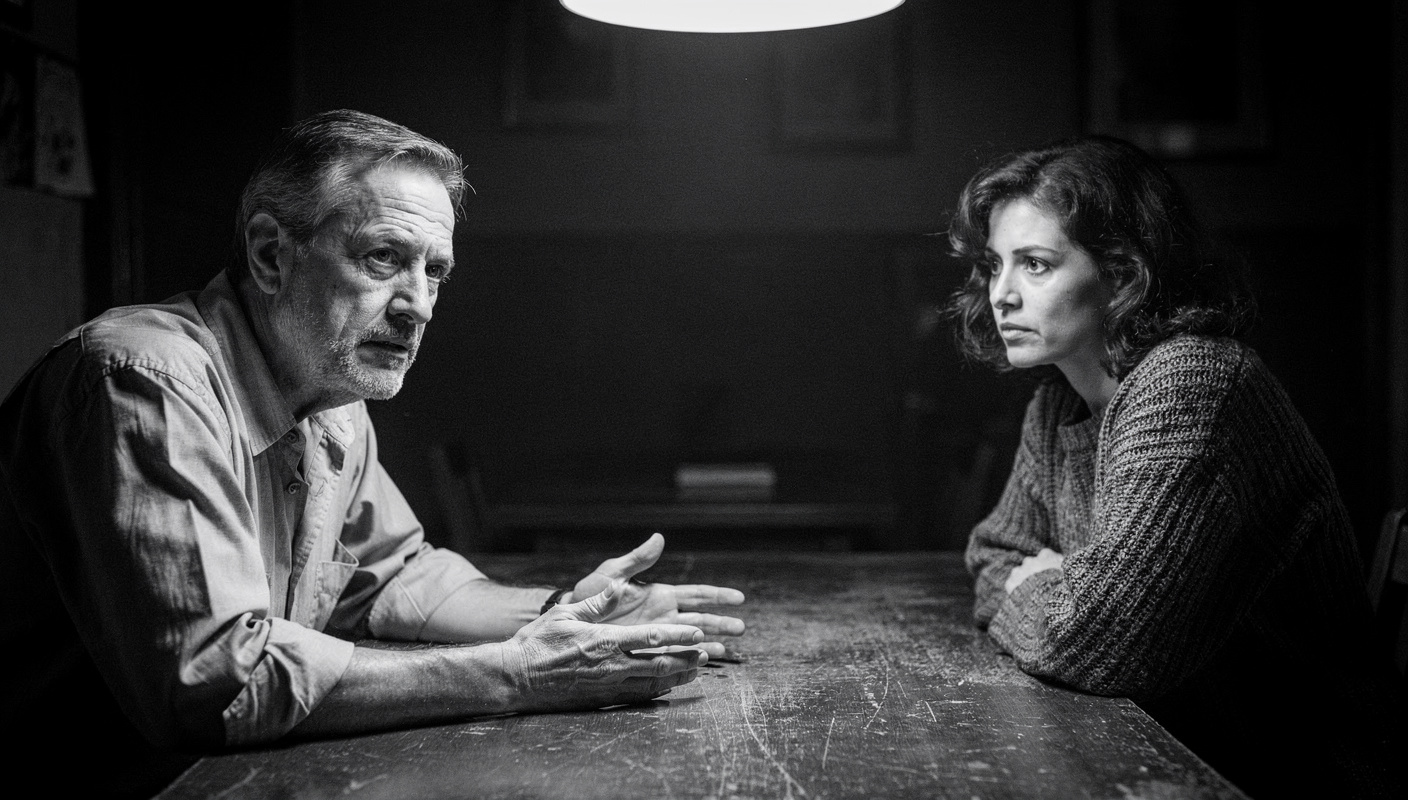
Gesture is the most expressive physical tool you have, and it is also the most misused. Random or tiny gestures add nothing; they are simply fidgeting at shoulder height. The size and precision of a gesture should match the weight and scale of the idea it accompanies.
A small, precise movement works for a specific detail. A broad, open gesture works for a large, encompassing idea. The mismatch between gesture scale and idea scale is one of the most common delivery problems I see, and it is entirely fixable with practice. This step teaches you to make gestures purposeful rather than habitual.
- Identify your three key ideas before you speak, and decide which gesture shape fits each one.
- Keep gestures between your waist and your shoulders for standard delivery; use gestures above the shoulder only for genuine emphasis.
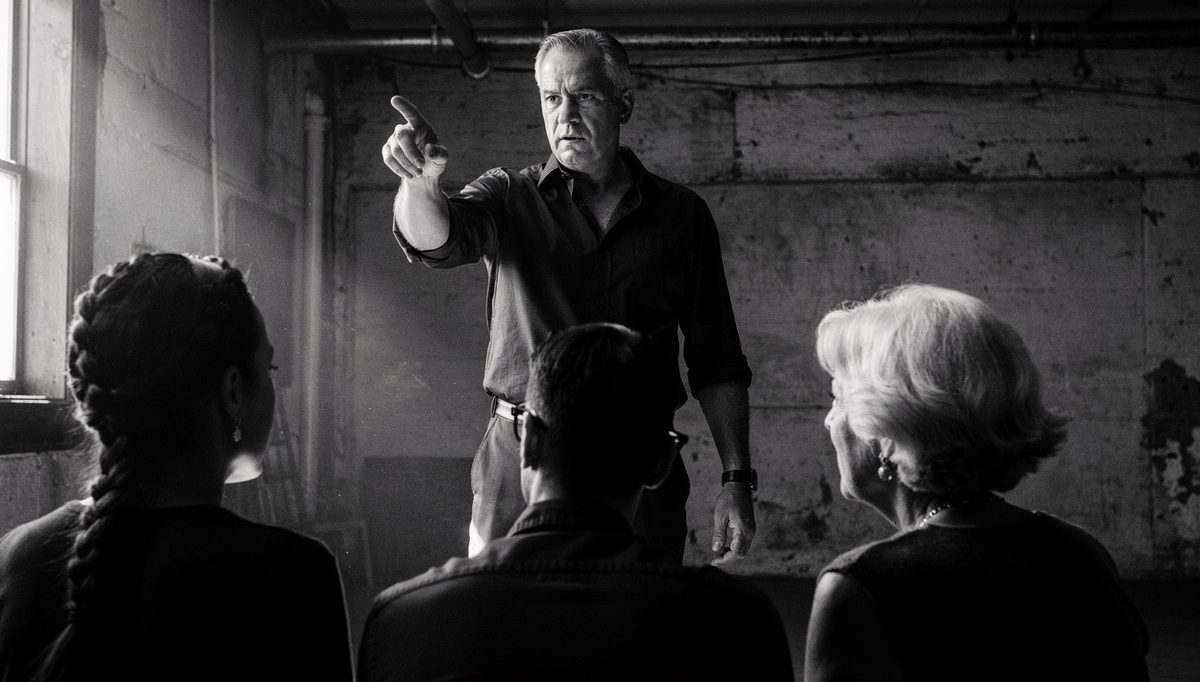
- Use open palms when inviting agreement or inclusion, and a single pointed finger or a closed fist only when marking a firm, specific point.
- After each gesture, return your hands to your neutral position rather than leaving them floating.
- Practice each planned gesture alone, without speaking, so it becomes muscle memory.
When your gestures match your ideas in scale and shape, your audience processes both together. The physical and verbal channels reinforce each other, and your points land with more clarity and strength.
Step 3: Use Eye Contact to Direct Attention
Eye contact is not simply about looking at people. It is about directing attention, building connection, and signalling confidence. Used well, it is one of the most powerful physical tools in your delivery.
Most people either avoid eye contact under pressure or use a scanning sweep across the room that lands on no one in particular. Neither works. The goal is deliberate, sustained eye contact with individuals, long enough to complete a thought, not so long that it becomes uncomfortable. Think of it as giving each person a moment of direct connection.
- Before you speak, identify three or four people at different points in the room and plan to return to them throughout your delivery.
- Hold eye contact with one person for a full sentence or complete thought, then move naturally to the next.
- When delivering a key point, direct your gaze at a specific person rather than the room as a whole.
- If someone in the room looks disengaged, move your gaze toward them deliberately, not aggressively.
- Avoid looking at your notes or slides when you are making your most important point.
Example: A team leader is delivering feedback to a group after a project that went sideways. He looks directly at the project manager when he says, "The plan was solid." He shifts his gaze to the wider group when he says, "The execution is where we need to focus." Then he returns to the project manager for the next step. Each person knows exactly what was meant for them. Nothing was left vague or general.
Once eye contact becomes intentional rather than anxious, your presence in the room shifts noticeably. People feel addressed, not broadcast to.
Step 4: Move with Purpose, Not Habit
Movement around a space, when it is purposeful, can structure your message and hold attention. When it is habitual, it drains both. Pacing without intention is one of the fastest ways to lose a room.
The key distinction is this: move when the movement carries meaning, and stay still when it does not. A step toward the audience can signal importance or intimacy. A step back can invite reflection. Movement to a different part of the room can signal a shift between ideas. None of this needs to be choreographed rigidly, but it does need to be chosen rather than defaulted into.
- Decide in advance whether you will move at all during your delivery, and if so, when.
- Use a step forward toward your audience to mark your single most important point.
- Move to a new physical position in the room when you are transitioning between major ideas.
- Avoid moving while you are delivering complex information, as movement competes with content.
- Return to your grounded stance whenever you want your audience to hold still and listen closely.
Purposeful movement gives your message physical structure. The audience experiences your delivery as a series of distinct moments, each clearly marked, rather than a continuous stream they must sort through themselves.
Step 5: Match Your Physical Energy to Your Message
Physical energy is the level of intensity and animation in your body during delivery. It is not about being louder or more theatrical. It is about being congruent: your body should feel like it is experiencing the same thing your words are describing.
When a speaker delivers urgent news with slack shoulders and a flat expression, the audience does not trust it. When someone shares a genuine success with their body compressed and arms pinned to their sides, the room cannot share the feeling. Congruence between physical energy and spoken content is what makes a message feel real.
- Identify whether your message calls for high energy, measured gravity, or quiet intimacy, and consciously set your body at that level before you begin.
- If you are delivering something urgent, bring your posture upright and your gestures forward; let your body lean slightly into the room.
- If you are delivering something serious, slow your physical movement, reduce your gesture size, and allow stillness to carry weight.
- If you are aiming for connection and honesty, bring your volume down and your body slightly closer to the people you are addressing.
- Check your physical energy against your content in the mirror or on a recording before a high-stakes delivery.
Example: A manager needs to tell her team that a major bid has been won. She walks in standing tall, her face already holding the news before she speaks. When she says, "We got it," her hands open outward at chest height, palms up. The room reacts before she finishes the sentence. Her body delivered the message before her words did. That is what congruence looks like in practice.
When your physical energy matches your content, your message becomes a full-body experience for the listener. They feel it, not just hear it. That is when communication moves from information to impact.
For more on how this kind of physical presence shapes outcomes in group settings, see The Role of Communication in Meeting Success.
Step 6: Use Stillness as Deliberately as Movement
This is the step most people skip, and it is often where the greatest impact lives. Stillness is not the absence of communication. It is a deliberate physical choice that signals control, weight, and clarity.
After a key point, the instinct is to keep moving forward. Resist that. A moment of physical stillness after your most important statement gives the audience time to receive it. It also communicates that you are not anxious about the silence. That composure, by itself, builds trust.
- After delivering your single most important point, stop moving and hold your stance for two to three seconds before continuing.
- When someone asks a difficult question, use stillness at the start of your response rather than launching immediately into your answer.
- If the room becomes restless or distracted, becoming physically still is often more effective than raising your voice.
- Practice a pause paired with eye contact at the end of key statements, holding both for a full breath.
- Resist the urge to fill physical stillness with movement; let the room sit with what you have said.
Stillness is where confident speakers are separated from merely competent ones. When you can be still without discomfort, you stop looking like someone managing anxiety and start looking like someone who trusts their message completely.
If you are working to ensure each voice in a room carries proper weight, the principles in How to Ensure Every Participant Gets Heard pair well with this step.
Adapting This Process for Remote and Video-Based Delivery
Remote delivery changes the rules for physical expression in significant ways. When your audience sees only a cropped rectangle of your upper body, the signals that work in a room need to be concentrated and recalibrated.
Your face carries more weight. In a physical room, your full body contributes to the message. On camera, your face does most of the work. This means your expression needs to be more active, not performative, but genuinely engaged. A flat face on camera reads as disinterest or discomfort even when neither is true.
Gestures need to stay within the camera frame. The sweeping, room-filling gesture that works in a conference room disappears off the edge of a video window. Keep your gestures closer to your body and within the visible frame. Smaller, more precise movements read more clearly on screen than large ones that get cut off.
Eye contact means looking at the lens, not the screen. Most people look at the faces of other participants on their screen, which means their gaze points downward on everyone else's display. Looking directly into the camera lens creates the experience of genuine eye contact. It feels unnatural at first, but the effect on the other person is significant.
Stillness matters even more. Unnecessary movement on camera is amplified. Swaying, shifting, and fidgeting are more disruptive in the compressed frame of a video call than they are in a physical room. Your grounded stance becomes your foundation here, just as it does in person.
Posture signals presence before you speak. Sitting upright, with your shoulders back and your body angled toward the camera, reads as engaged and present. Slouching into a chair or propping your head on your hand signals disengagement, regardless of what you are saying. If you are addressing remote team communication more broadly, How to Deal with Dominant Voices in a Discussion offers practical guidance on managing group dynamics in these settings.
The core process holds in every context. Only the execution changes.
Common Mistakes to Avoid
Let me tell you about the mistakes I see most often. I have made most of them myself.
The mistake: Moving constantly without purpose.
Why it happens: Nervous energy has to go somewhere, and the body defaults to movement.
What to do instead: Return to your grounded stance deliberately every time you notice yourself drifting. Movement should be chosen, not discharged.
The mistake: Using gestures that are too small for the room.
Why it happens: People pull back physically when they feel uncertain, and small gestures feel safer than big ones.
What to do instead: Practice your gestures at full scale before the delivery. What feels large to you usually reads as moderate to your audience.
The mistake: Avoiding eye contact with specific people who make you nervous.
Why it happens: The brain steers away from perceived threat, and a critical-looking face qualifies.
What to do instead: Plan in advance to address those people directly at least once. A deliberate look early in your delivery takes the charge out of it.
The mistake: Letting your body go rigid under pressure.
Why it happens: Stress tightens the muscles, particularly in the shoulders, jaw, and hands. The result is a speaker who looks locked down rather than in control.
What to do instead: Before you speak, take one slow breath and consciously drop your shoulders. A body that can release tension looks confident; a body that holds tension looks afraid.
The mistake: Ignoring congruence between expression and content.
Why it happens: People focus entirely on what they are saying and forget that how they look while saying it shapes how it lands. This affects feedback conversations particularly, as noted in How to Give Constructive Feedback Without Causing Tension.
What to do instead: Before a high-stakes conversation, name the emotional tone you want to convey and ask yourself if your body matches it.
The mistake: Treating physical expression as performance rather than communication.
Why it happens: Once people become aware of their body, they start managing it for appearance rather than for meaning.
What to do instead: Ask yourself with every gesture: does this serve the idea I am expressing right now? If not, drop it.
These are not character flaws. They are gaps in the system. Fix the system.
Your Practical Checklist
Use this checklist before you begin and after each delivery.
- I have identified the two or three key moments in my message where physical expression needs to carry the most weight.
- I have a defined neutral stance and I can hold it comfortably without fidgeting.
- I have planned at least one deliberate gesture for each major point.
- My gestures are calibrated to the size of the idea: broad for large points, precise for specific ones.
- I have identified three or four specific people in the room I will make eye contact with during key moments.
- I have decided when I will move and when I will stay still during this delivery.
- My physical energy matches the emotional tone of my message.
- I have planned at least one deliberate pause after my most important point.
- I have practised my delivery, or a portion of it, in front of a mirror or camera.
- My posture is open: shoulders back, body facing the room or the camera directly.
- I am not crossing my arms or holding objects in front of my body during key moments.
- After this delivery, I will record one specific observation about what my body did well and one thing to adjust next time.
If you cannot check most of these, that is your starting point.
Summary and Next Steps
You now have a practical system for using physical expression deliberately, one that gives your body a clear role in every delivery rather than leaving it to chance. The process works whether you are speaking to two people or two hundred.
- Movement enhances message delivery only when it is chosen, not defaulted into; habit and intention are not the same thing.
- Ground your stance before you speak, and your body starts from a position of strength rather than managed anxiety.
- Calibrate your gestures to match the weight of your idea; size and precision both matter.
- Use eye contact to give individuals a direct experience of your message, not just a broadcast.
- Match your physical energy to your content, and your audience will feel the message as well as hear it.
- Stillness is a tool as powerful as movement; learn to use both with equal confidence.
- Physical expression in remote settings requires the same discipline with a tighter frame.
If you want to put these skills to work in specific professional situations, start with How to Handle Conflict During Meetings, where physical presence plays a significant role in de-escalation. The principles in Emotional Intelligence in Feedback Conversations will also help you connect your physical delivery with the emotional context of the moment. For those in leadership roles, How Leaders Can Model Effective Feedback Behavior shows how visible, physical consistency builds the kind of trust that makes feedback land well.
Your body has been in every conversation you have ever had. It is time to make it work for you.
Frequently Asked Questions (FAQ)
How does movement enhance message delivery in communication?
Movement enhances message delivery by reinforcing your words with physical signals that the listener processes before they process your language. Deliberate gestures, purposeful stance, and controlled proximity all increase credibility and help your audience retain what you say.
What is physical expression in communication skills?
Physical expression in communication refers to the deliberate use of body language, including gesture, posture, movement, and eye contact, to support and strengthen spoken messages. It is the nonverbal layer of delivery that shapes how your words are received and understood.
How can I improve my body language when speaking?
Start by anchoring your stance so your body stays still when it does not need to move. Practice gestures that match the scale of your idea. Record yourself speaking and watch the playback on mute to see what your body is communicating without words.
Does movement enhance message delivery in online or remote presentations?
Yes, though the rules shift. In remote settings, your face and upper body carry the full weight of physical expression. Deliberate hand gestures within the camera frame, strong eye contact with the lens, and controlled posture all strengthen your delivery when the full body is not visible.
Why does body language matter more than people think in professional settings?
Your listeners read your body before your words arrive. When your physical expression contradicts your message, trust breaks down. When your movement enhances message delivery, it builds credibility, holds attention, and makes your key points stick long after the conversation ends.
What are the most common physical expression mistakes in communication?
The most common mistakes are nervous movement that distracts rather than supports, avoiding eye contact with specific people in the room, using gestures that are too small to read, and going physically rigid under pressure. All of these undermine an otherwise strong message.