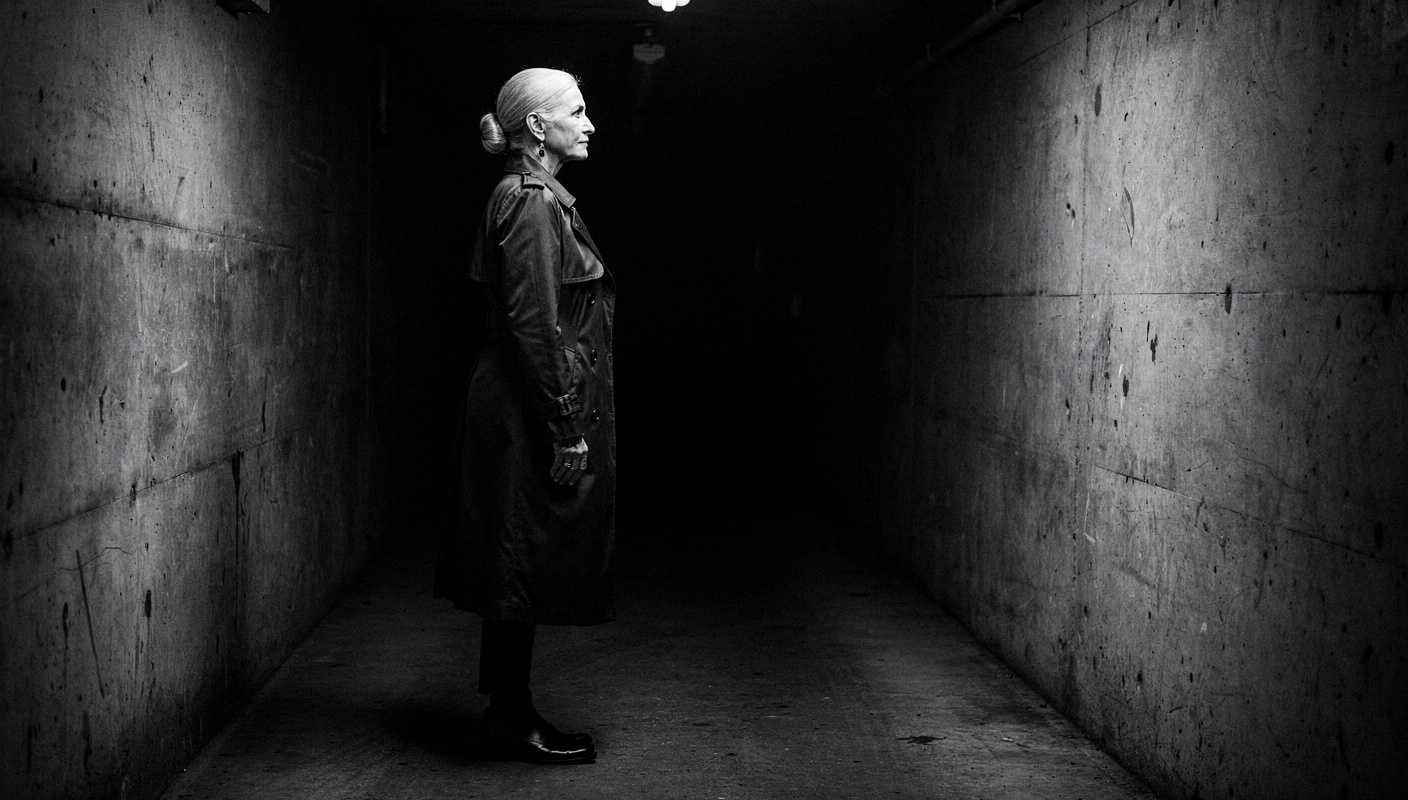

In Short
Stress physically reshapes how your body communicates, often in ways that contradict your intended message.
- Stress activates a threat response that tightens muscles and closes your posture before you speak.
- Others read your physical signals faster than they process your words.
- Awareness of this mechanism gives you the power to intervene at the physical level.
Stress and body expression describes the direct physical process by which internal stress states alter posture, gesture, and movement. These changes produce nonverbal signals that others read and interpret, often before any spoken communication begins.
Why Stress Shows Up in Your Body Before Your Words
I have watched people walk into a room and lose the conversation before they opened their mouths. Not because of what they said. Because of what their body was already saying the moment they crossed the threshold.
The central question this article answers is this: how does stress change the way your body communicates, and why does that matter? Not just as a curiosity. As a practical reality that shapes how every person in the room receives you. Understanding the mechanism behind stress and body expression changes what you notice, what you prepare, and what you can actually control.
In this article, you will understand the direct link between your stress response and your physical signals, and what that means for the way you communicate under pressure. If you want to explore how the nervous system also affects team-level communication, What Is the Amygdala Hijack and How It Silently Blocks Team Synergy in High-Pressure Moments covers the group dimension of the same underlying process.
"The Conversation You're Avoiding Is the One You Need to Have."
"The Conversation You're Avoiding
Is the One You Need to Have."
Stop rehearsing conversations you'll never have. Say It Right Every Time gives you 115 word-for-word scripts and 16 proven frameworks to speak with confidence in every conversation that matters.
The Surface vs the Root of Physical Expression Under Stress
Most people understand physical expression at a surface level. They know that arms crossed means defensive, slouching looks unconfident, and avoiding eye contact signals discomfort. That knowledge is real. But it leads to a surface-level fix: remember to uncross your arms, sit up straight, make eye contact. It treats body language as a performance.
Here is what that surface understanding misses. The physical signals stress produces are not habits or choices. They are automatic outputs of a nervous system doing exactly what it was designed to do. When your brain registers threat, whether from a difficult conversation, a high-stakes presentation, or a tense meeting, it sends a signal through your body to prepare for danger.
The deeper truth is that your body does not distinguish between a lion and a difficult colleague. The threat response contracts muscles, elevates the shoulders, compresses breathing, and pulls the body inward. These changes are not careless. They are efficient. They protect your vital organs and prepare you to flee or fight.
Understanding the root changes how you respond to the surface.
How the Stress Response Drives Physical Expression
The mechanism is simpler than most people expect, but its consequences reach further than most people realise.
When your brain perceives a threat, your nervous system shifts into a heightened state. Adrenaline moves through your bloodstream. Muscles along your back, neck, and shoulders begin to contract. Your breathing becomes shallower. Your jaw tightens. Your whole torso draws slightly inward, as if bracing for impact. This is the body doing its ancient job. Which means that in practice, the physical signals you send under stress are not accidents. They are outputs of a system working exactly as it should, just at precisely the wrong moment.
The people around you read these physical signals within seconds. Before you have said a single word, their nervous systems have already begun forming a judgment about your state. Human beings evolved to scan for threat cues in others. Closed posture, elevated shoulders, restricted gesture, and shallow rapid breathing all register as signals of tension. This is why you see people mirror or match the stress they perceive in a speaker, becoming tighter and more guarded themselves in response.
There is a second layer here that most people overlook. The stress response also reduces the range and fluidity of your movements. Under calm conditions, your hands move expressively, your posture shifts naturally, and your gestures emphasise meaning. Under stress, movement becomes restricted and repetitive. You may grip a pen, clasp your hands, or hold very still. That stillness does not read as composure. It reads as controlled tension, which is a different thing entirely.
Your breathing matters more than almost any other physical signal. Stress shortens the breath cycle, moves breathing up into the chest, and reduces the natural rhythm that underlies confident speech. A shallow breath constrains your voice. It shortens your sentences. It creates micro-pauses that others read as uncertainty. This is why people who appear confident under pressure share one consistent physical trait: they breathe slowly and fully, even when they do not feel calm.
Here is the truth of it. The connection between stress and body expression is not one-directional. Your physical state feeds back into your stress level. A contracted posture and shallow breathing maintain the very nervous system activation that produced them. This cycle is the root cause of why people feel worse, not better, as a difficult conversation progresses.
The mechanism, in plain language: stress reshapes your body; your body broadcasts that reshaping to everyone around you; and the signals your body sends can intensify the very stress that produced them.
What Stress-Driven Body Expression Looks Like in Real Situations
Here is where this mechanism becomes visible in everyday communication.
The performance review that went sideways. A manager I knew was giving feedback to a struggling team member. He had prepared his words carefully. But the moment he sat down, he pulled his chair back slightly, crossed one arm across his body, and began tapping his pen against the table. His voice was measured and professional. His body said: I do not want to be having this conversation. The team member picked up on every signal. She became defensive within the first two minutes, before any difficult content had been delivered. His stress had spoken before he had.
The pitch that lost confidence halfway through. A woman presenting to a senior leadership group began confidently, with open gestures and good eye contact. Halfway through, one of the leaders frowned at a slide. Her shoulders rose almost imperceptibly. Her gestures tightened. Her breathing shortened. By the final minutes, she was speaking faster and more quietly, her posture drawing inward. The frown had been nothing more than concentration. But her nervous system read it as threat, and her body responded accordingly. This connects directly to how the amygdala hijack sabotages feedback conversations in ways that unfold beneath conscious awareness.
The team meeting where silence fell. A team leader raised a difficult topic about performance. The room went quiet. He interpreted the silence as resistance, and his body tensed in response. He leaned forward with a rigid jaw, his hands flat and pressed on the table. The team, reading his physical state, became cautious and non-committal. His stress had created the very atmosphere he was trying to avoid. Psychological safety in teams depends heavily on the physical signals leaders send in exactly these moments.
In each of these situations, the surface behaviour was different. The root mechanism was the same.
Why Most People Miss the Stress and Body Expression Connection
If this insight is this important, why do so few people see it clearly?
We experience stress from the inside, not the outside. When you are stressed, your attention is consumed by your thoughts, your words, and the immediate situation. You are not watching your own shoulders. You do not feel your breathing shorten because it feels normal when you are in it. The physical signals that others read so clearly are invisible to you in the moment. Without a trusted mirror, external feedback, or deliberate practice, most people never develop awareness of what their bodies are broadcasting.
We treat body language as a performance skill, not a physiological one. Most advice about nonverbal communication focuses on what to do: stand tall, make eye contact, gesture openly. That advice is not wrong. But it skips the mechanism. If you do not understand that your body is responding to a nervous system signal, you will try to override the symptom without addressing the source. The tension returns within minutes, sometimes seconds.
The feedback loop is slow and indirect. Most people receive no real-time information about how their physical presence is landing. They might get a vague sense that a conversation went badly. They rarely learn that the other person stopped listening because their body signalled tension in the first thirty seconds. Without that specific feedback, the pattern repeats. Emotional intelligence in feedback conversations addresses this gap directly.
Stress feels like focus. In many professional environments, physical tension is associated with effort and seriousness. People mistake a tight jaw and rigid posture for concentration and preparation. The feeling of stress activating the body can be misread as readiness, when it is actually a communication liability.
Awareness is the beginning. But awareness without application changes nothing.
What the Stress and Body Connection Means for How You Communicate
Understanding this changes what you do in three specific ways.
Regulate first, speak second. The physical signals stress produces cannot be overridden by willpower. They can only be reduced by calming the nervous system. A slow, deep breath taken before you begin speaking is not a relaxation trick. It is a physiological intervention that reduces muscle tension and lowers your threat response. Make it a non-negotiable part of how you prepare for any high-stakes conversation. The role of emotional intelligence in team synergy explores how this self-regulation shapes collective dynamics.
Build physical awareness as a practice, not an afterthought. You cannot notice what your body is doing if you have never trained that attention. Spend thirty seconds after any difficult conversation asking: where was I holding tension? Were my shoulders up? Was my breathing shallow? This is not self-criticism. It is data collection. Over months, this practice builds the somatic awareness that lets you catch the signals before others do.
Use physical grounding before entering the room. The most effective communicators I have worked with over the years do not wait until they feel stressed to manage their bodies. They prepare physically before a difficult meeting: they slow their breathing, widen their stance, lower their shoulders, and let their hands rest open. These adjustments do not just change how they appear. They change how they feel, which changes the signals they send. How empathy bridges in team communication and the role of communication in meeting success both build on this kind of physical readiness as a foundation.
These are not new behaviours. They are the same behaviours, grounded in a deeper understanding of why they work.
Key Insights and Next Steps
The link between stress and body expression is not a communication theory. It is a physical process that shapes every interaction you have under pressure.
- Stress activates a threat response that physically contracts your body before you are conscious of it.
- Others read your physical signals faster than they process your words, which means your body leads every conversation.
- The tension your body expresses can intensify your own stress, creating a cycle that worsens as a conversation progresses.
- Breathing is the fastest and most powerful intervention available, because it directly calms the nervous system that drives the physical response.
- Building somatic awareness through deliberate reflection after conversations is the only way to develop real-time sensitivity to what your body is doing.
- Physical preparation before a difficult conversation is as important as verbal preparation.
To go deeper on the team and relational dimensions of this topic, read What Is the Amygdala Hijack and How It Silently Blocks Team Synergy and The Role of Emotional Intelligence in Team Synergy. Both sit at the intersection of internal state, physical expression, and communication outcomes.
This much I know for certain: the body is not a separate system from communication. It is the first channel you broadcast on, and the one most people never learn to master.
Frequently Asked Questions (FAQ)
What is the link between stress and body expression?
The link between stress and body expression is physiological. When stress activates the nervous system, muscles tighten, posture closes inward, and gestures become restricted. Your body broadcasts your internal state to others before your words do.
How does stress affect body language and physical expression?
Stress triggers a threat response that contracts muscles, raises the shoulders, shortens breathing, and reduces expressive movement. These physical changes signal tension or defensiveness to others, even when you intend to appear calm and confident.
Can stress and body language undermine professional communication?
Yes. Closed posture, rigid gestures, and shallow breathing all reduce your perceived authority and openness. Under stress, your body may contradict your spoken message entirely, which erodes trust and makes others less likely to engage.
How can you manage your body expression when stressed?
Slow your breathing first, as it directly reduces muscle tension and nervous system activation. Then consciously widen your posture and lower your shoulders. These physical adjustments signal safety to your own body and calm your visible stress response.
Why do people not notice their own stress body language?
Stress-induced physical tension feels normal when you are inside it. Without external feedback or trained self-awareness, most people cannot detect the postural collapse and gesture restriction that others read clearly from across the room.
What physical signs of stress do others notice most?
Others notice shoulder elevation, forward head posture, crossed arms, reduced eye contact, and shallow rapid breathing most quickly. These signals register in the first few seconds of interaction, shaping how others interpret everything you say afterward.