
In Short
After reading this guide, you will be able to run a structured solo practice routine that builds confident, congruent physical expression for any real-world communication setting.
- Set up a simple home practice space and observe yourself honestly before you change anything.
- Drill posture, gesture, facial expression, and stillness as separate skills, then combine them.
- Use video playback, not just mirrors, to catch the habits you cannot see in the moment.
Physical expression in communication is the deliberate use of your body, including posture, gesture, facial expression, movement, and stillness, to reinforce and convey your message. It operates alongside your words and often carries more weight than the words themselves.
You had the right words prepared. You knew your material. But something did not land, and you felt it the moment it happened. Maybe your arms were crossed the whole time. Maybe you kept shifting your weight from foot to foot, or your hands did something strange and disconnected from what you were saying. The message was there. The body told a different story.
This is where most people get stuck with physical expression. It is not a knowledge problem. It is a practice problem. People understand, in theory, that their body matters. What they lack is a clear method for training it, alone, without an audience, without embarrassment. The gap between knowing and doing is where confidence goes to die.
In this guide, you will get a clear, practical process for physical expression that you can use immediately. If you are still working through the broader topic of nonverbal communication, the ideas here will slot directly into your existing understanding.
Why Physical Expression Feels So Difficult to Develop
You know it matters. You have felt the difference when someone walks into a room and commands it without saying a word. You have also stood in front of a mirror and felt like a fraud rehearsing expressions. That gap is real, and it is worth naming.
Here are the specific reasons this is hard:
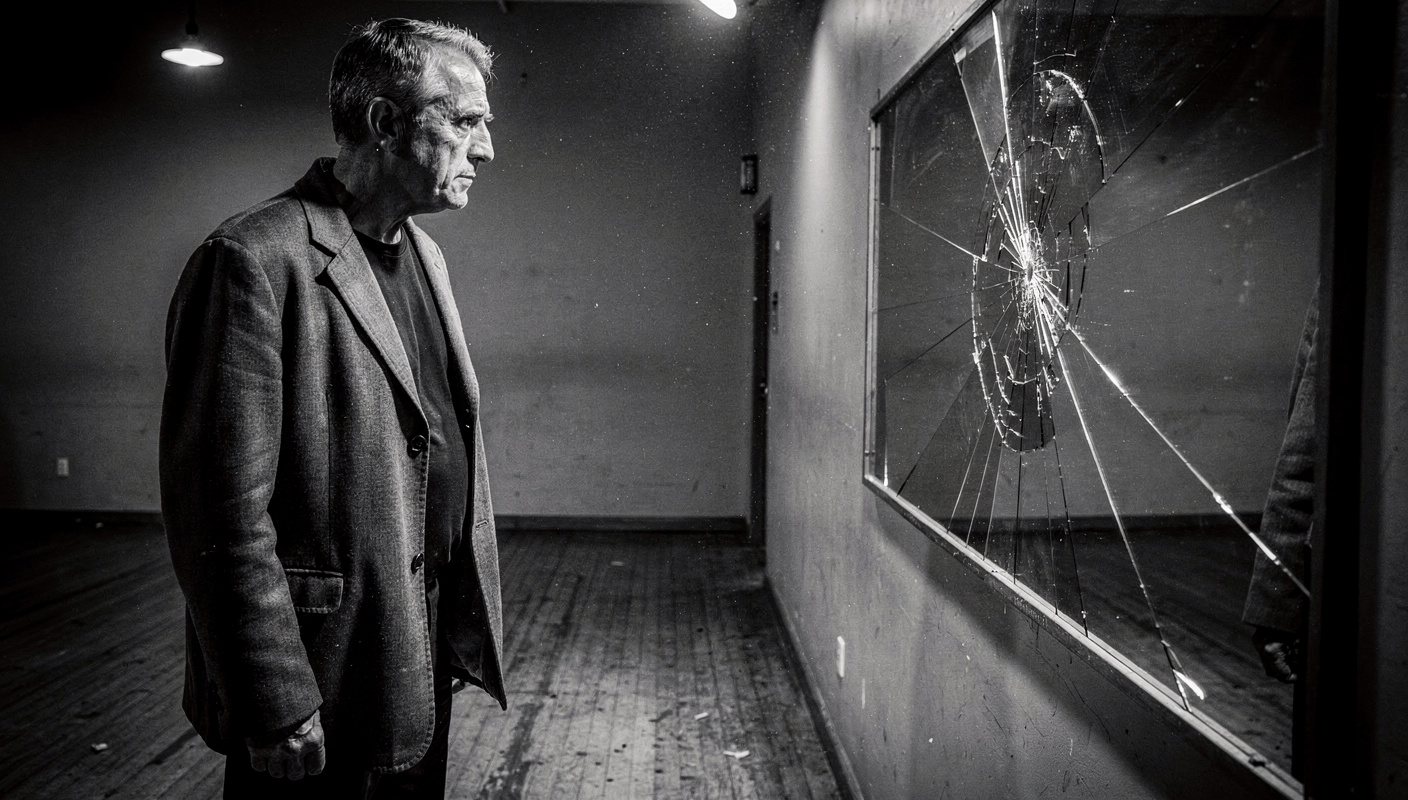
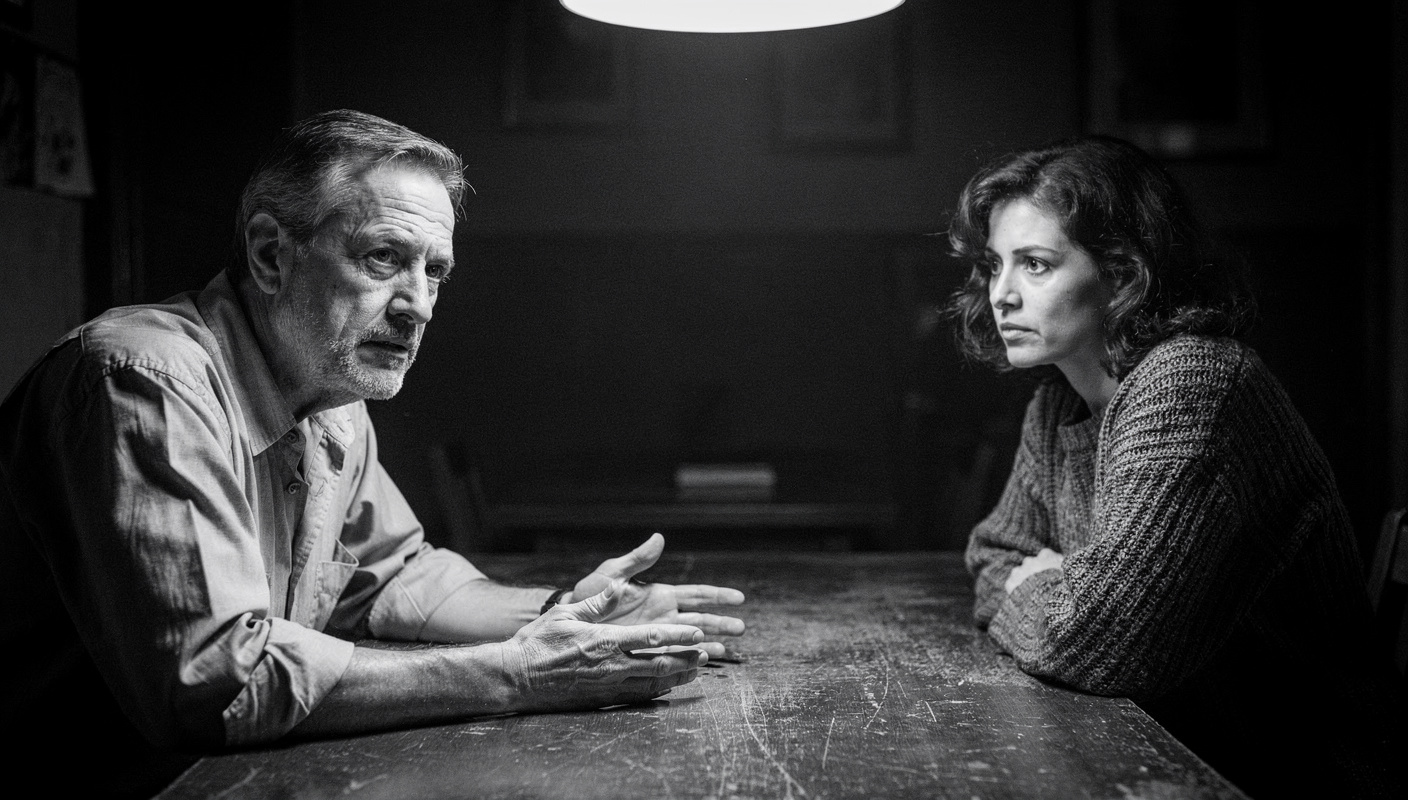
You cannot see yourself the way others see you. Your internal experience of how you are standing or gesturing is almost never accurate. What feels open and warm to you can look stiff and guarded from across the table.
Nervousness collapses your range. Under pressure, most people shrink. Gestures get smaller, posture tightens, facial expression flattens. The very moments when physical expression matters most are the moments your body works against you.
There is no script for the body. You can prepare what you will say. It is much harder to prepare what you will do with your hands, your face, and your feet. Without a system, practice feels arbitrary.
Feedback is rare and late. Someone might tell you six months later that you come across as closed off. By then, the habit is deeply set. In the moment, no one tells you.
Self-observation triggers self-consciousness. Watching yourself on video is uncomfortable for almost everyone. That discomfort makes people avoid the very practice that would help them most.
The goal is not to eliminate these difficulties. It is to build a system that works in spite of them.
"The Conversation You're Avoiding Is the One You Need to Have."
"The Conversation You're Avoiding
Is the One You Need to Have."
Stop rehearsing conversations you'll never have. Say It Right Every Time gives you 115 word-for-word scripts and 16 proven frameworks to speak with confidence in every conversation that matters.
The Foundation: What You Need Before You Begin
Before you begin, there are three things that need to be clear.
A dedicated practice space. You need a room or corner where you can stand, move, and speak aloud without interruption. It does not need to be large. It needs a mirror, ideally full-length, and a surface where you can prop a phone for video recording. The physical setup signals to your brain that this is real practice, not casual experimentation.
Honest baseline footage. Before you change anything, record yourself speaking for two to three minutes on a topic you know well. Watch it back with the sound off. What does your body say? Where do your hands go? What does your face do during pauses? This footage is your starting point, and it must be gathered before any drilling begins. Without it, you are guessing.
A single focus per session. The biggest mistake in solo practice is trying to fix everything at once. Each session should have one target: posture, or gesture, or facial expression, or stillness. Splitting your attention between all four at once produces none. Decide before you start what you are training today.
Get these right first. The steps that follow will not work without them.
Step 1: Build Your Posture Baseline
Posture is the foundation of physical expression. Everything else you communicate with your body rests on how you hold yourself.
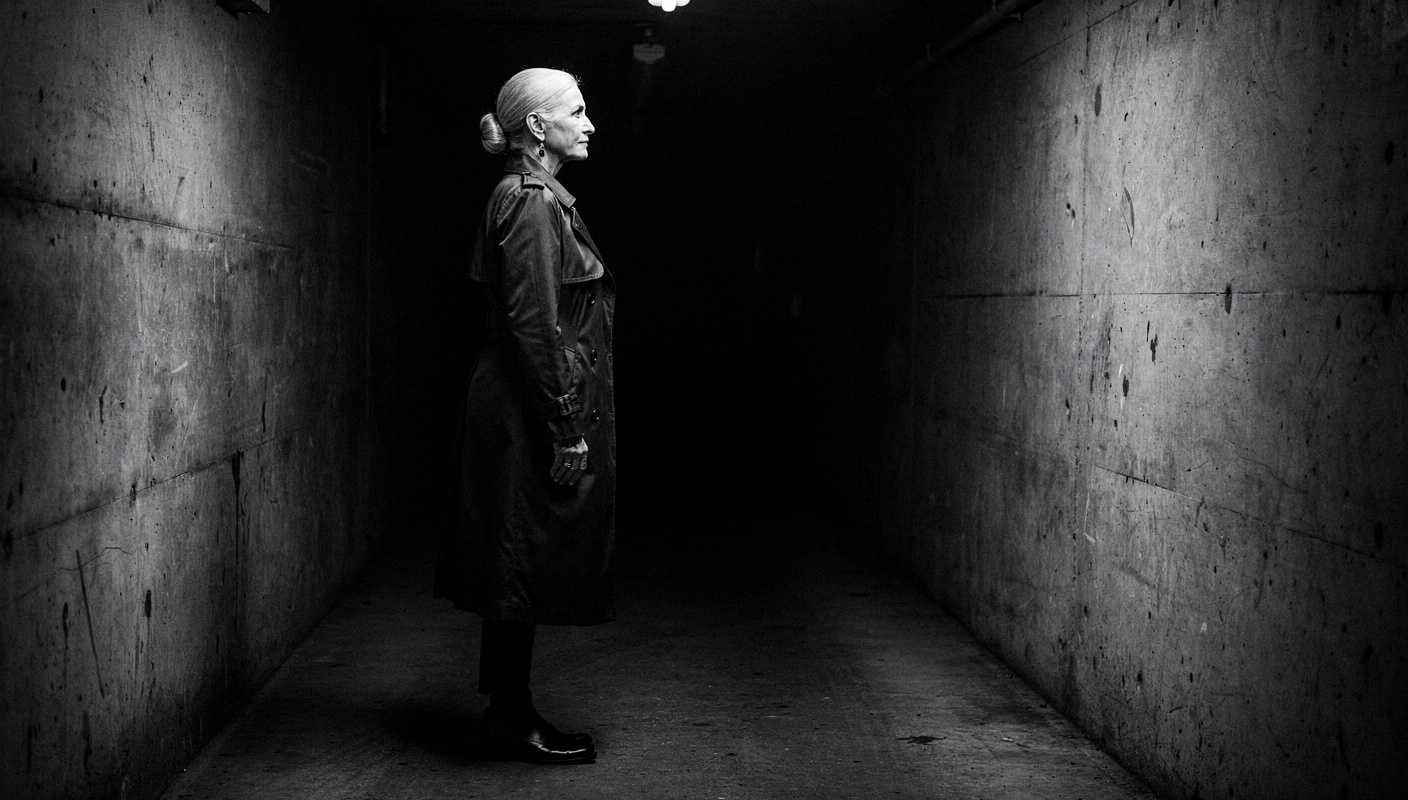
Stand in front of your mirror and find what I call your neutral stance: feet roughly hip-width apart, weight even on both feet, shoulders back and relaxed, chin level. This is not a power pose. It is a clean, open starting position that reads as calm and confident to anyone watching.
Most people have never consciously found this position. They stand with weight on one hip, shoulders forward, or chin slightly down. None of these are fatal errors, but each one chips away at the impression you make.
- Stand in neutral, hold it for 30 seconds, and notice where the tension is.
- Drop your shoulders deliberately, then let them rise to their natural resting place.
- Place your hands at your sides, relaxed, and resist the urge to cross your arms or reach for a pocket.
- Say three sentences aloud while holding the position, and notice if it shifts.
- Record a 60-second clip and watch it back with fresh eyes.
Here is what this looks like in practice. Imagine you are opening a team meeting. You walk to the head of the table, stop, place both feet evenly, let your hands rest at your sides, and make eye contact before you speak. That two-second pause, in that posture, communicates that you are in control of the room. It costs nothing. It requires only that the posture has been drilled until it feels natural.
After two weeks of this drill, neutral becomes your default. You will catch yourself returning to it under pressure without thinking.
Step 2: Train Your Gesture Range
Gestures are not decoration. They carry meaning, and when they are disconnected from your words, people notice even if they cannot say why.
The problem most people have is not that they gesture too much. It is that they have no idea what their gestures are doing. Hands float, clutch, fidget, or disappear entirely. None of this is intentional, and none of it helps.
In this step, you will build a small, reliable gesture set: a handful of deliberate movements tied to specific types of meaning.
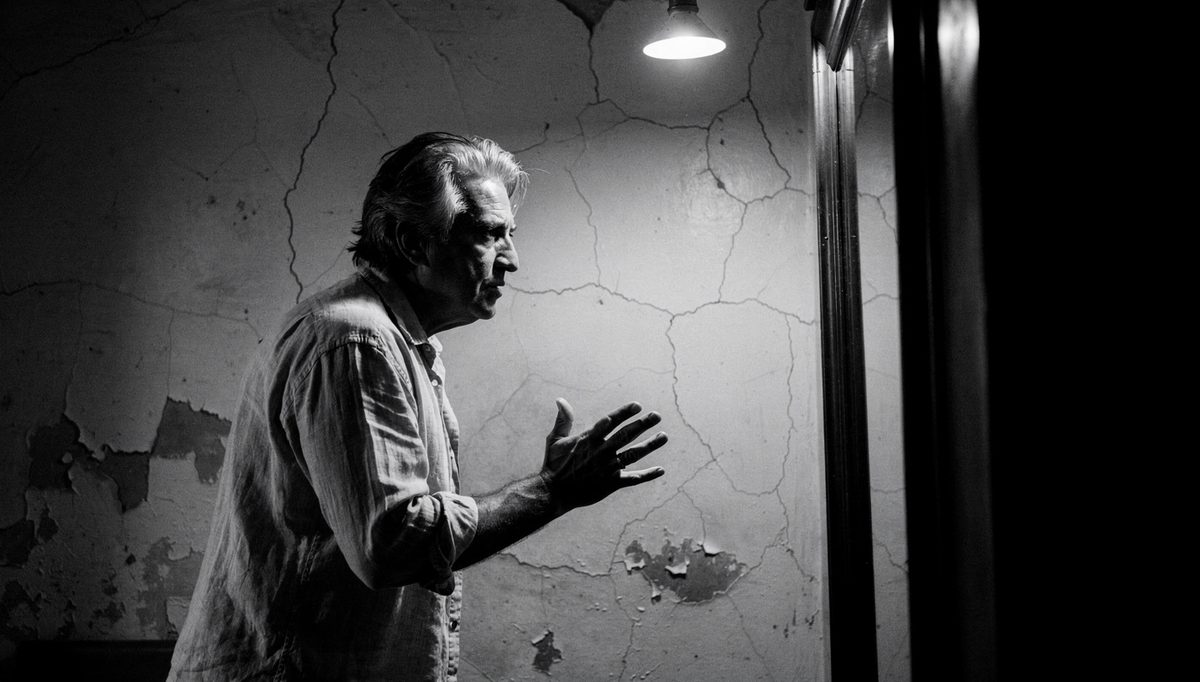
- Rehearse an open palm gesture, both hands moving outward slightly, for when you are sharing an idea or inviting input.
- Practise a single index finger raised for emphasis, used sparingly, to mark your most important point.
- Drill a two-handed framing gesture, palms facing each other as if holding a box, for when you are defining a concept.
- Practise returning your hands to a neutral resting position at your sides or loosely in front of you between gestures.
- Record yourself delivering a 90-second argument, then watch back specifically tracking what your hands do.
Here is what effective gesture training looks like. Choose a point you make regularly at work, something you say often. State it aloud, and on the key word, use one deliberate gesture tied to its meaning. Say it five times in a row, using the same gesture each time. That repetition is how gesture becomes natural rather than performed. The goal is that the movement and the meaning become linked in your muscle memory, so that under pressure, the gesture arrives without you having to think about it.
A disciplined gesture set is far more powerful than expressive hands that move without intention.
Step 3: Develop Facial Expression Awareness
Your face speaks before you open your mouth. In a meeting, on a video call, at the front of a room, your expression is visible to everyone and often beyond your conscious control.
Most people have two or three default expressions they wear without knowing it. One of mine, for years, was a slight frown of concentration that read as disapproval. I had no idea. A colleague finally told me, and it explained a decade of confused reactions. Physical expression starts with knowing what your face is actually doing.
- Sit close to your mirror and hold a neutral face for 30 seconds. Notice what it feels like versus what it looks like.
- Practise a genuine smile, not a performance smile. Think of something that actually pleases you, and hold the expression for five seconds.
- Rehearse the expression you want to carry when you are listening. It should read as engaged, not blank.
- Record yourself listening to a podcast or audio clip. Watch back on mute and assess what your face communicates.
- Practise transitioning from a neutral listening expression to a warm acknowledgment, the slight nod and softened eyes that signal you have heard something important.
Here is a simple drill that changed how I approach this. Deliver a short message to your camera. Watch it back twice: once with sound, once without. If the silent version tells a different story than the spoken version, your face and your words are not aligned. That misalignment is what people feel as evasiveness or discomfort, even if they cannot name it. Congruence between face and content is what trust is built on.
When your facial expression matches your message, people stop working to read between the lines. They simply believe you.
Step 4: Master Stillness and Pause
Nervous movement is the single most common way confident words get undermined. Rocking, swaying, pacing without purpose, clicking a pen, touching your face: these are the physical habits that broadcast anxiety even when your voice sounds steady.
Stillness is not rigidity. It is the ability to stop moving without effort, to occupy space without apologising for it, to hold a pause without filling it. This is a skill. It is trainable. And almost no one practises it deliberately.
- Stand in your neutral position and hold completely still for 60 seconds. Time it. Notice the urge to move and resist it.
- Practise deliberate pauses in speech: say a sentence, stop, hold the stillness for two full seconds, then continue.
- Walk to a spot in the room, stop, and hold your position for five seconds before speaking. Drill this entry sequence until it feels natural.
- Record yourself making a brief statement, and count every unnecessary movement: weight shifts, head tilts, hand touches, blinks.
- Identify your single most common nervous habit from the footage and practise the moment that triggers it, replacing movement with stillness.
Stillness under pressure is a form of strength. When you can hold a pause, you give weight to what you just said. You signal that you are not afraid of silence. In high-stakes conversations, which links naturally to how effective feedback is the backbone of workplace growth, the person who can hold stillness controls the emotional temperature of the room.
Step 5: Combine and Rehearse Full Sequences
The first four steps train individual elements in isolation. This step is where you integrate them into a single coherent physical performance.
A full sequence means running through a real communication scenario, one you face regularly, from beginning to end with deliberate attention to all four elements at once: posture, gesture, facial expression, and stillness.
- Choose a real scenario: opening a meeting, delivering a piece of difficult feedback, presenting a proposal.
- Write three to five key moments in that scenario where physical expression matters most.
- Run the sequence from start to finish, speaking aloud, on camera.
- Watch the footage and identify the single moment where your physical expression breaks down.
- Drill that specific moment ten times in isolation before running the full sequence again.
Here is what this looks like in practice. Say you are preparing to deliver a difficult message to a team member. You rehearse walking in, taking your seat, making eye contact, and opening with a clear first sentence while your hands rest open on the table. You practise the moment of saying something hard while keeping your posture open and your expression steady. You drill the pause after the key point, holding stillness while the other person processes. Each of these micro-moments has been rehearsed, so when you are in the room, your body is not improvising. It is following a pattern that your muscles already know.
This is how leaders model effective communication behaviour: not by being naturally charismatic, but by having prepared the physical as thoroughly as the verbal.
Step 6: Use Video Playback as Your Coach
Video is the most honest feedback tool you have access to, and it costs nothing. The mirror shows you a real-time reflection you can consciously pose for. Video shows you what you actually do when you are focused on something else.
The discipline of regular video review separates people who improve from people who practise without progressing.
- Set up your phone to record at a slight distance, capturing your full body from head to foot.
- Deliver a two-minute segment on a topic you know well, without stopping.
- Watch it back three times: once for posture and stillness, once for gesture, once for facial expression.
- Make one written note per viewing: the single most useful change you could make.
- Review footage from four weeks ago alongside today's footage and compare the two honestly.
Video review also builds a useful form of self-trust. When you watch yourself and see that your physical expression is landing as intended, you carry that confidence into real situations. You are not hoping you look confident. You know it, because you have seen the evidence.
Understanding how your physical presence affects group dynamics is essential for meeting success, and video review is how you audit that presence before you are in the room.
Step 7: Apply Under Graduated Pressure
Solo practice builds the skill. Graduated pressure tests whether it holds when the stakes rise.
The goal of this final step is to introduce enough discomfort that your practised physical expression is challenged, but not so much that it collapses entirely. You build resilience by moving from low-stakes to higher-stakes situations in deliberate steps.
- Practise your routine in a room where someone else is present but not watching, just working nearby.
- Deliver your rehearsed sequence to a trusted friend or colleague and ask only for physical feedback, not verbal.
- Join a low-stakes professional setting, such as a workshop or voluntary meeting, and treat it as a live practice session.
- After each live experience, return to video review: what held up, and what broke down under pressure?
- Use the feedback models you trust to gather structured observations from colleagues on specific physical habits, not general impressions.
The bridge from solo practice to real performance is not crossed in one step. It is crossed in many small steps, each one a little more exposed than the last. Every time you survive a slightly harder situation with your physical expression intact, the skill becomes more durable.
This is also the step where you notice how physical expression shapes the way others engage with you. When you ensure every participant gets heard in a meeting, your body language is part of how you signal that invitation. Open posture, eye contact, and a still, receptive expression tell people they are safe to speak before you say a word.
Adapting This Process for Remote and Video-Call Environments
Remote communication has changed the physical expression challenge in ways that most people have not fully reckoned with. On a video call, the camera flattens and crops everything. Your lower body disappears. Your face becomes the dominant channel. And yet most people prepare less for video calls than for in-person meetings.
Frame yourself deliberately. Your camera should be at eye level, not below. A low angle communicates submission and distortion. Eye level is neutral and confident. This is a physical expression decision, and it matters every call, every day.
Gesture for a smaller frame. In person, a wide gesture reads as expansive. On camera, it moves out of frame and looks erratic. Practise keeping your gestures within the visible area of the frame, smaller and more controlled than you would use in a room.
Manage your face more consciously. On video, a blank listening expression reads as disengagement or hostility. A slight forward lean and a visible nod communicate presence. Practise these micro-expressions specifically for the camera, because they translate differently than in a physical room.
Eliminate background movement. Anything moving behind you pulls attention. Your physical expression competes with its environment on video in a way it never does in person. A still, clear background is part of your physical communication setup.
Practise the mute-to-unmute transition. The moment you come off mute is a physical expression moment. Practise having your posture set, your face ready, and your opening word prepared before you click. That transition is the equivalent of the entry walk in a physical room.
The core principles of practice physical expression hold entirely in remote settings. Only the execution changes.
Common Mistakes to Avoid
Let me tell you about the mistakes I see most often. I have made most of them myself.
The mistake: Practising only in your head, running through what you will do without actually standing up and doing it.
Why it happens: It feels like practice and it requires no vulnerability.
What to do instead: Stand up every time. If you are not on your feet, you are not practising physical expression. You are thinking about it.
The mistake: Using the mirror as your only feedback tool.
Why it happens: Mirrors are convenient and less confronting than video.
What to do instead: Record yourself on video at least once per week. The mirror lets you perform. Video catches what you actually do.
The mistake: Trying to overhaul everything in one session.
Why it happens: Impatience, and a genuine desire to improve quickly.
What to do instead: Assign one element per session: posture today, gesture tomorrow. Depth beats breadth every time.
The mistake: Confusing performance with expression.
Why it happens: When you watch yourself on video, you naturally start playing to the camera rather than communicating honestly.
What to do instead: Practise to a real point, not to an imaginary audience. Anchor every drill in a specific message you actually need to deliver.
The mistake: Skipping the baseline footage and going straight to drilling.
Why it happens: People want to fix things before they have honestly assessed what needs fixing.
What to do instead: Record your baseline on day one before you change a single thing. That footage is your reference point for everything that follows.
The mistake: Abandoning the practice once you improve.
Why it happens: When things feel better, the urgency disappears.
What to do instead: Treat physical expression like fitness. It requires maintenance. A 10-minute drill twice a week will hold the gains. Stopping entirely reverses them within weeks.
These are not character flaws. They are gaps in the system. Fix the system.
Your Practical Checklist
Use this checklist before you begin and after each cycle.
- I have set up a dedicated practice space with a mirror and a phone mount for video.
- I have recorded a baseline video of myself speaking before making any changes.
- I have watched the baseline footage with the sound off and noted what my body communicates.
- I have identified my single most distracting nervous physical habit.
- I have assigned a specific focus to each practice session this week.
- I have drilled my neutral posture until I can find it without thinking.
- I have built a gesture set of three to five deliberate movements tied to specific meanings.
- I have practised holding stillness during pauses for a minimum of two seconds.
- I have rehearsed at least one real scenario from start to finish, on camera.
- I have reviewed video footage from this week and written one specific note from each viewing.
- I have introduced at least one live, graduated-pressure practice situation this week.
- I have used emotional intelligence in my feedback conversations to request specific observations from a trusted colleague on my physical presence.
If you cannot check most of these, that is your starting point.
Summary and Next Steps
You now have a complete, structured method for building physical expression through solo home practice. You do not need a coach, a course, or an audience to make meaningful progress.
- Gather honest baseline footage before you try to change anything.
- Drill posture, gesture, facial expression, and stillness as separate skills in separate sessions.
- Use video, not just mirrors. Video shows you what practice looks like. Mirrors show you what you want to see.
- Build a deliberate gesture set tied to specific meanings, not expressive movement for its own sake.
- Practise full sequences for real scenarios you face, not generic communication exercises.
- Introduce graduated pressure gradually, moving from solo drills to low-stakes live settings.
- Return to review regularly. This skill needs maintenance, not just initial effort.
For your next steps, consider how physical expression integrates with the verbal skills you bring to specific situations. If you use structured approaches like the S.B.I. method for giving feedback, practise the physical delivery of that framework alongside the words. Your body should reinforce the structure you have built verbally. If you are working on how you show up in feedback conversations, the ideas in Emotional Intelligence in Feedback Conversations will give you the inner foundation that physical expression builds upon.
When you choose to practice physical expression with the same discipline you bring to preparing your words, you stop leaving half your message to chance.
Frequently Asked Questions (FAQ)
What does it mean to practice physical expression?
To practice physical expression means to deliberately train the way your body communicates: your posture, gestures, facial expressions, and movement. Like any physical skill, it requires repetition in a low-stakes environment before it becomes natural under pressure.
Can you really practice physical expression alone at home?
Yes. Solo practice is often more effective than group settings because you have no audience to perform for. Using a mirror, recording yourself on video, and running targeted drills gives you honest, immediate feedback without the distraction of other people.
How long does it take to improve physical expression skills?
Most people notice meaningful improvement within two to three weeks of daily 15-minute practice sessions. The change is not instant, but it is consistent. The key is drilling specific elements, such as gesture and posture, rather than practising vaguely in front of a mirror.
What are the best exercises to practice physical expression at home?
The most effective home exercises include mirror work for facial expression and posture, video playback drills to catch unconscious habits, gesture mapping where you rehearse specific hand movements tied to key points, and stillness training to eliminate nervous fidgeting during pauses.
Why is physical expression important in communication?
Physical expression carries as much meaning as your words, often more. When your body language contradicts your words, people trust the body. When it reinforces your words, your message lands with authority, warmth, and clarity that words alone cannot achieve.
How do I practice physical expression for presentations and meetings?
Practise physical expression for presentations by rehearsing your key points standing up, not seated. Record yourself on video, watch it without sound first, and note what your body says. Then drill your opening posture, your gesture set, and your closing stance as separate repeatable exercises.