
In Short
Physical expression is the use of your body to communicate meaning through posture, gesture, facial expression, and eye contact.
- Your body sends signals constantly, whether you intend it to or not.
- Misaligned physical signals can undermine clear, well-chosen words.
- You can learn to use your body with intention and greatly improve how your message lands.
Physical expression communication is the practice of using posture, gesture, facial expression, eye contact, and spatial presence to convey meaning alongside spoken words. It shapes how others experience your message and often carries more weight than the words themselves.
You walk into a room and open your mouth to speak. You know your material. You have prepared. And still, within ten seconds, you have lost half the room. Not because of what you said. Because of how you stood, where your eyes went, and what your hands were doing while you gathered yourself to begin.
I have watched this happen more times than I can count. And I have been the person it happened to. Physical expression in communication is one of the most underestimated forces in any conversation, and most people are broadcasting messages they never intended to send.
This article will give you a clear, working understanding of what physical expression means, why it shapes every interaction you have, and what you can do to bring your body into alignment with your words. If you are also looking at how communication affects the outcome of meetings specifically, The Role of Communication in Meeting Success addresses that directly. Here, we focus entirely on what your body is saying.
What Physical Expression Actually Means in Practice
Physical expression in communication is the full range of signals your body sends while you speak or listen. It includes your posture, your gestures, the movement and stillness of your face, where and how long your eyes rest, and how you position yourself in relation to others.
These signals do not switch off when you are not speaking. They are present when you are waiting, listening, reacting, and thinking. Other people read them constantly, whether consciously or not. A folded arm during a colleague's presentation, a jaw that tightens when a difficult question arrives, a steady and open gaze that signals genuine attention: all of these carry meaning.
Consider a manager leading a difficult feedback conversation. Her words are measured and fair, but she sits back in her chair with her arms crossed and her gaze angled slightly away. The person receiving the feedback hears the words, but feels something else entirely: distance, discomfort, judgment. Her physical expression is telling a different story from her chosen words. The body rarely lies, even when the words are carefully constructed.
Understanding physical expression communication means accepting that your body is always part of the message. The question is whether it is helping or working against you.
"The Conversation You're Avoiding Is the One You Need to Have."
"The Conversation You're Avoiding
Is the One You Need to Have."
Stop rehearsing conversations you'll never have. Say It Right Every Time gives you 115 word-for-word scripts and 16 proven frameworks to speak with confidence in every conversation that matters.
Why Physical Expression Matters for Your Credibility
Here is the hard truth. People do not just hear your words. They watch your body while you speak, and they resolve any contradiction between the two in favour of what they see. Credibility, trust, and respect are built or lost in the physical layer of communication, often before a sentence is finished.
When physical expression is working well, it multiplies the impact of your words. When it is absent or contradictory, it creates doubt.
- Trust erodes when your body contradicts your words. If you say you are confident in a decision but your shoulders are hunched and your eye contact drifts, people feel the gap. They may not name it, but they feel it, and they trust you less as a result.
- Engagement is signalled physically before it is spoken. When you lean forward slightly, hold steady eye contact, and nod with deliberate timing, you signal that you are genuinely present. This encourages others to keep speaking and to be more honest with you. The quality of the information you receive improves. This matters especially when you are trying to ensure every participant gets heard in a group setting.
- Closed or tense body language shuts conversations down. A crossed-arm stance, a rigid posture, or a flat expression can make others feel unwelcome before they have said anything. This is particularly costly in feedback conversations, where physical openness is as important as the words you choose.
- Physical presence signals authority and composure. A grounded, still posture communicates that you are not rattled by pressure. This earns respect in a way that no amount of carefully chosen vocabulary can fully replicate.
The body is not a decoration on top of communication. It is the foundation on which everything else rests.
How to Recognise Strong Physical Expression Communication
You know physical expression is working when you see these things in practice:
Grounded, open posture. The person stands or sits with their weight settled, spine extended but not rigid, shoulders back and down. They do not fidget or shift constantly. Their stillness communicates confidence. For example, a leader who stands without swaying while delivering difficult news signals that they can carry the weight of the conversation.
Purposeful, natural gesture. Their hands move in ways that reinforce meaning rather than distract from it. Gestures are open, visible, and timed with the words they accompany. They do not point aggressively, grip the table, or hide their hands below the desk.
Consistent eye contact. They hold eye contact long enough to communicate genuine attention, moving naturally between individuals in a group rather than staring fixedly or scanning the room. This is one of the fastest ways to build connection and show respect.
Congruent facial expression. Their face reflects the emotional tone of what they are saying. When they express concern, their face shows it. When they express confidence, the expression matches. The absence of this congruence, a blank face delivering serious news, creates unease.
Managed use of space. They understand proximity. They do not crowd others, but they do not retreat so far that they seem disengaged. Their spatial awareness communicates respect for the people they are with. This matters in running inclusive meetings with diverse teams, where cultural differences in space and proximity require careful attention.
Together, these characteristics build a physical presence that supports every word you say. They are learnable. Every one of them responds to practice.
Common Misconceptions About Physical Expression
Let me clear up three things people consistently get wrong about physical expression.
Misconception: Physical expression is about looking confident, even if you do not feel it.
The truth: Forced confidence reads as performance, and people sense the performance before they identify it. The goal is congruence, not performance. Bring your body into alignment with your actual intention and commitment, not with a pose you have seen on a leadership poster. When your body reflects genuine preparation and genuine care, it reads as real.
Misconception: Physical expression only matters when you are presenting or speaking publicly.
The truth: Your body communicates in every interaction, including one-to-one conversations, feedback sessions, and the moments when you are simply listening. In fact, your physical expression while listening often has more impact than your expression while speaking. Sitting forward and nodding during a colleague's difficult moment, as explored in Emotional Intelligence in Feedback Conversations, can be the thing that makes them feel genuinely heard.
Misconception: You cannot change your physical habits because they are instinctive.
The truth: Every experienced communicator I have known built their physical awareness deliberately over time. These are learned behaviours, not fixed traits. Awareness comes first. Then comes practice. You start to notice what you do with your hands under pressure, how your posture shifts when you are uncomfortable, and how your face responds when you disagree. Once you see it, you can work with it.
The truth of it is this: your body is a skill, not a destiny.
Physical Expression in Real Situations
Here is what physical expression looks like when it is, and is not, present.
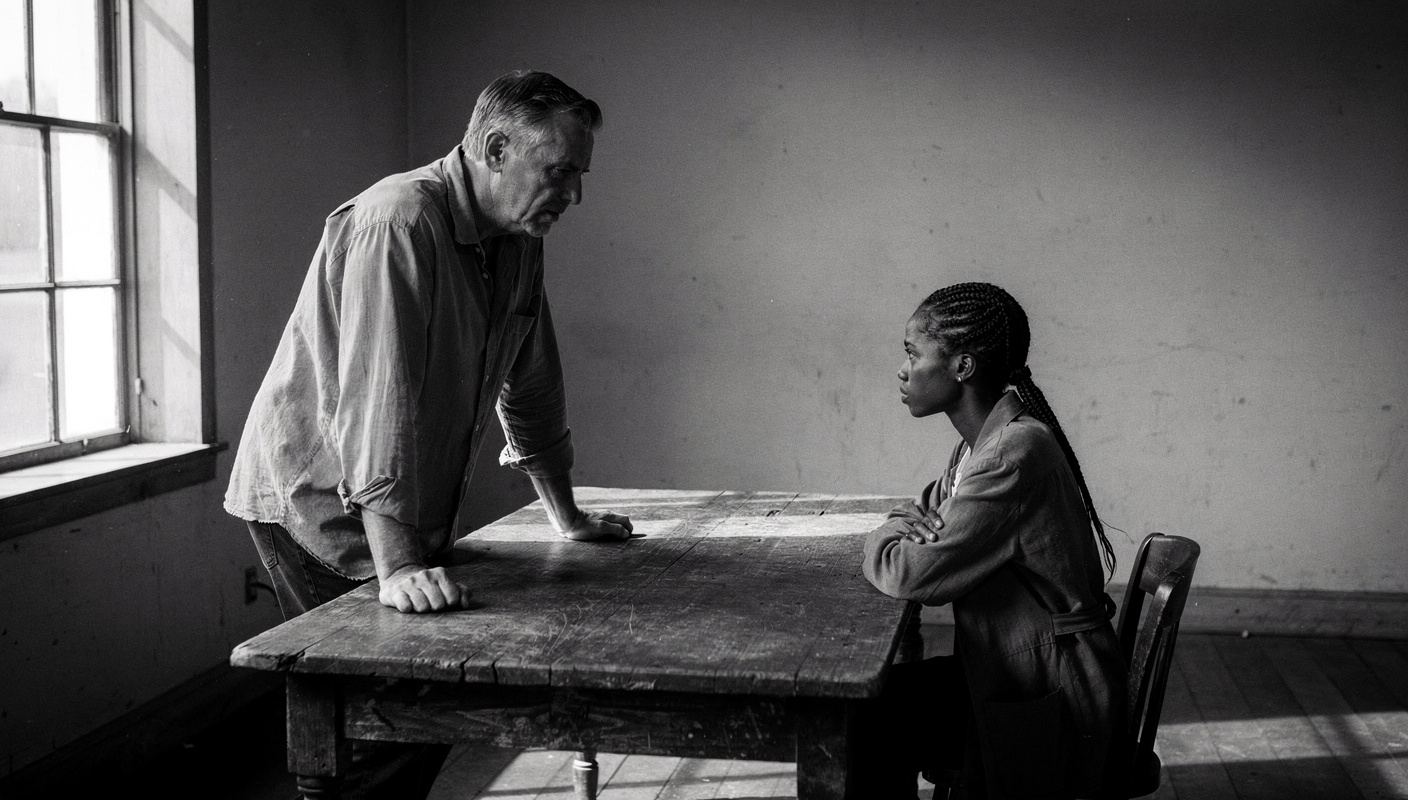
A feedback conversation gone sideways. A team leader sits down to deliver constructive feedback. He chooses his words carefully, following the kind of approach outlined in How to Give Constructive Feedback Without Causing Tension. But he delivers those words while leaning back, arms folded across his chest, barely making eye contact. The team member leaves feeling criticised and dismissed. The words said "I want to help you improve." The body said "I would rather not be having this conversation."
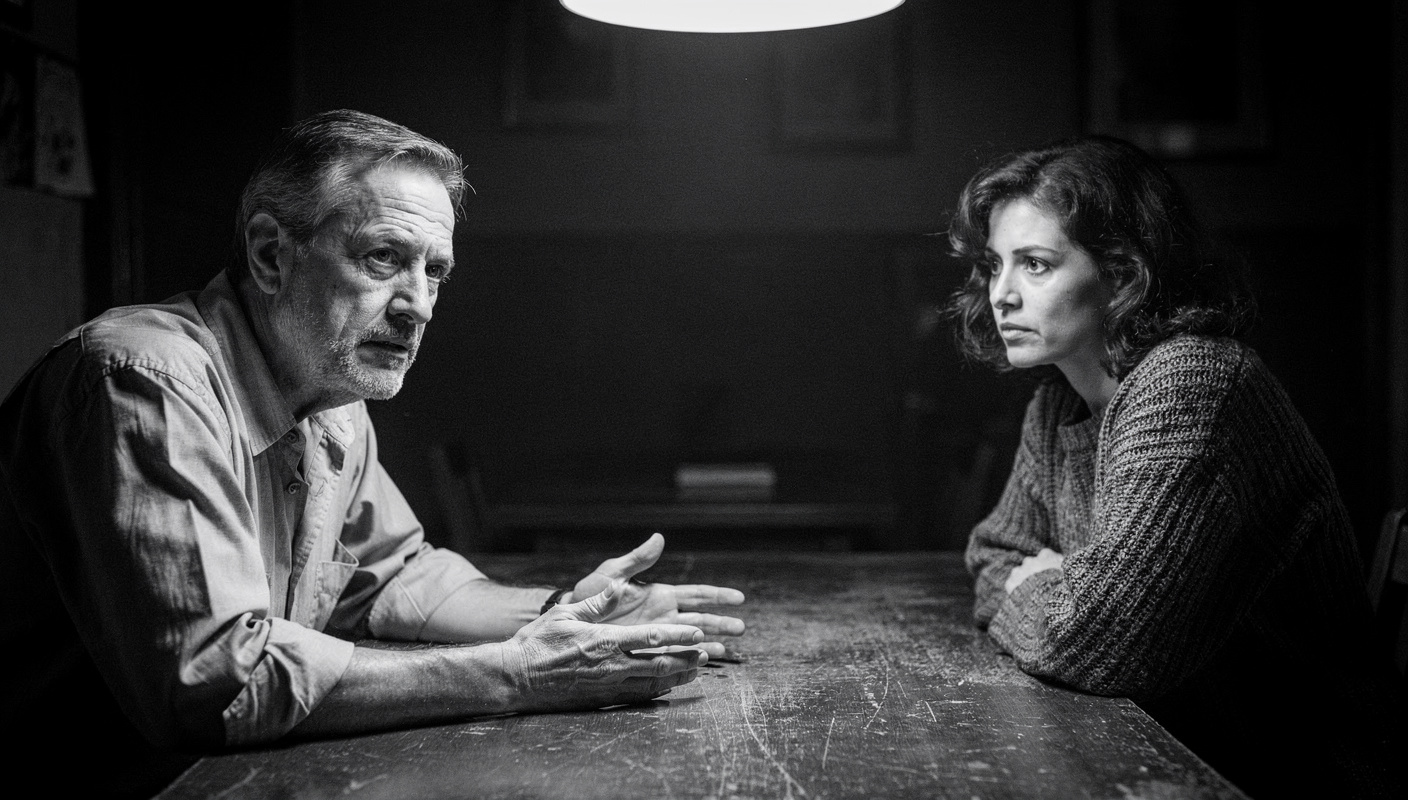
A team discussion where one person holds the room. In a meeting of eight people, one person speaks without raising her voice. She sits forward, hands resting open on the table, and makes deliberate eye contact with each person as she addresses a concern. She pauses after key sentences rather than rushing to fill the silence. People listen. Not because she is the most senior person in the room, but because her physical presence signals that she is fully present and fully committed to what she is saying. Peer relationships built on this kind of presence are examined in Peer-to-Peer Feedback: Strengthening Team Bonds.
A leader under pressure. A senior manager receives an unexpected challenge from the floor during a presentation. He stops, takes a breath, and keeps his posture steady and open. His face does not tighten or deflect. He nods, acknowledges the challenge, and responds without crossing his arms or stepping back. The room settles. His physical composure under pressure does more for his credibility than his answer. How Leaders Can Model Effective Feedback Behavior looks at this quality in depth.
What these three scenarios share is simple: the body either supported or sabotaged the spoken message.
Key Takeaways
Here is what matters most about physical expression communication.
- Your body is always speaking. Even in silence, your posture, expression, and position are sending signals. Become aware of what they say before you can begin to change it.
- Congruence is the goal, not performance. When your body and your words say the same thing, people trust you. When they contradict each other, people trust what they see.
- Eye contact is your most powerful single tool. Steady, natural eye contact builds connection faster than almost any other physical behaviour. Practice it deliberately.
- Stillness is strength. Constant movement, fidgeting, and shifting posture signals discomfort. The ability to be still while under pressure communicates confidence more convincingly than any amount of energetic gesture.
- Your physical habits under pressure are the ones that matter most. Train the easy moments so the difficult ones take care of themselves.
- Listen with your body as much as your ears. Physical attentiveness during a conversation, leaning in, nodding with intention, keeping an open face, tells the other person that what they say matters to you.
If you want to go further, consider how physical expression intersects with the broader dynamics of group communication by reading Running Inclusive Meetings with Diverse Teams. Physical expression communication is not a finishing touch. It is the ground everything else stands on.
Frequently Asked Questions (FAQ)
What is physical expression in communication?
Physical expression in communication is the use of your body to convey meaning alongside your words. It includes posture, gesture, facial expression, and eye contact. Together, these signals shape how others experience and interpret your message, often more powerfully than the words themselves.
Why does physical expression matter in professional settings?
In professional settings, your body signals confidence, openness, or tension before you speak a single word. People form impressions within seconds, and those impressions are built largely from what they see. Misaligned body language can undermine even the clearest verbal message.
How can I improve my physical expression when communicating?
Start by becoming aware of your default posture and habitual gestures. Record yourself speaking, watch the playback with no sound, and note what your body is saying. Practice holding an open, grounded stance and make deliberate eye contact, one person at a time.
What are the key elements of physical expression communication?
The key elements include posture, gesture, facial expression, eye contact, and spatial awareness. Each element either supports or contradicts your verbal message. When these elements work together consistently, your communication becomes clearer, more trustworthy, and more persuasive.
Can physical expression be misread across different cultures?
Yes. Gestures, proximity, and eye contact carry different meanings in different cultural contexts. What reads as confident directness in one culture may feel aggressive in another. Awareness of your audience matters as much as awareness of your own body when communicating.
How does physical expression affect how people trust you?
Trust builds when your body and your words say the same thing. If you claim to be confident but your posture is closed and your voice trails off, people feel the gap. Consistent, congruent physical expression signals that you mean what you say.