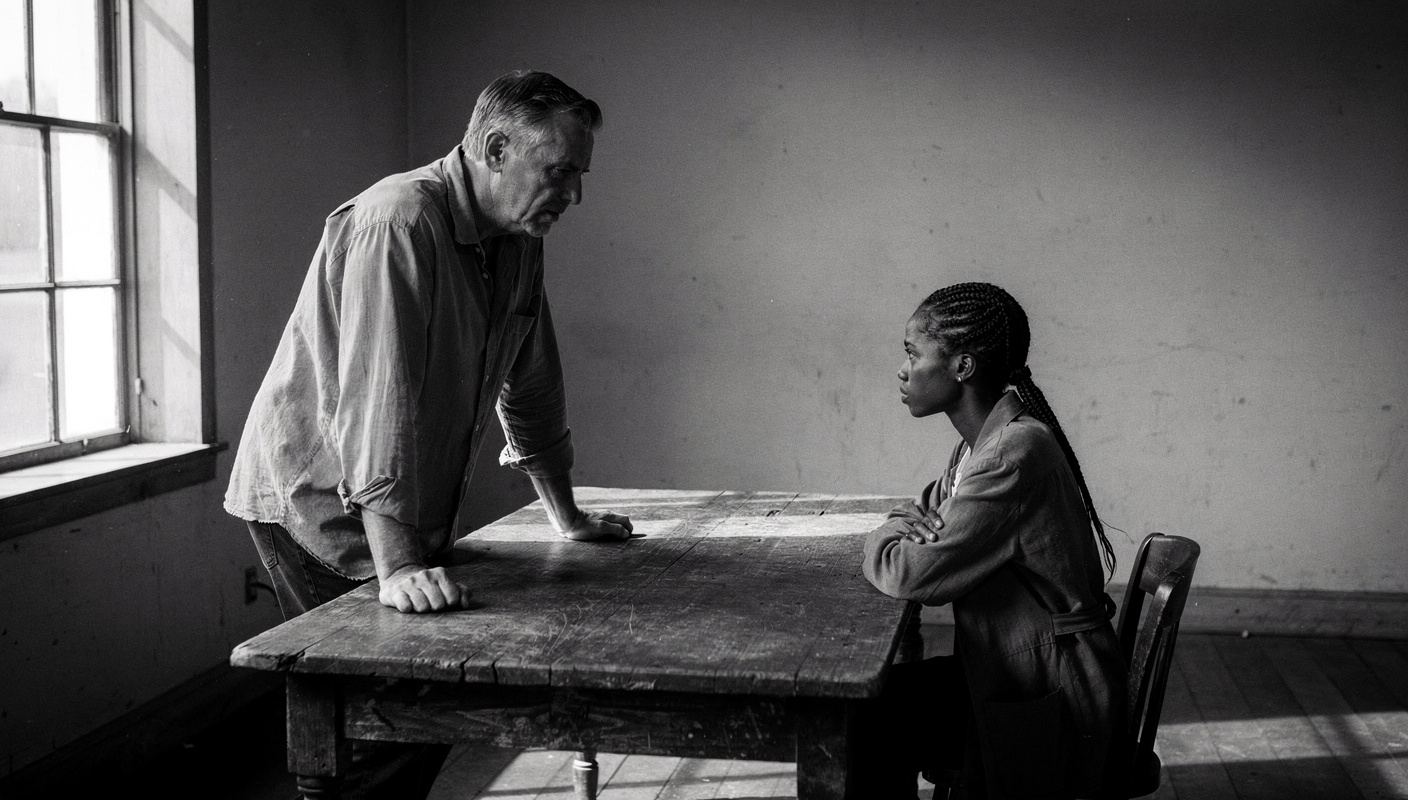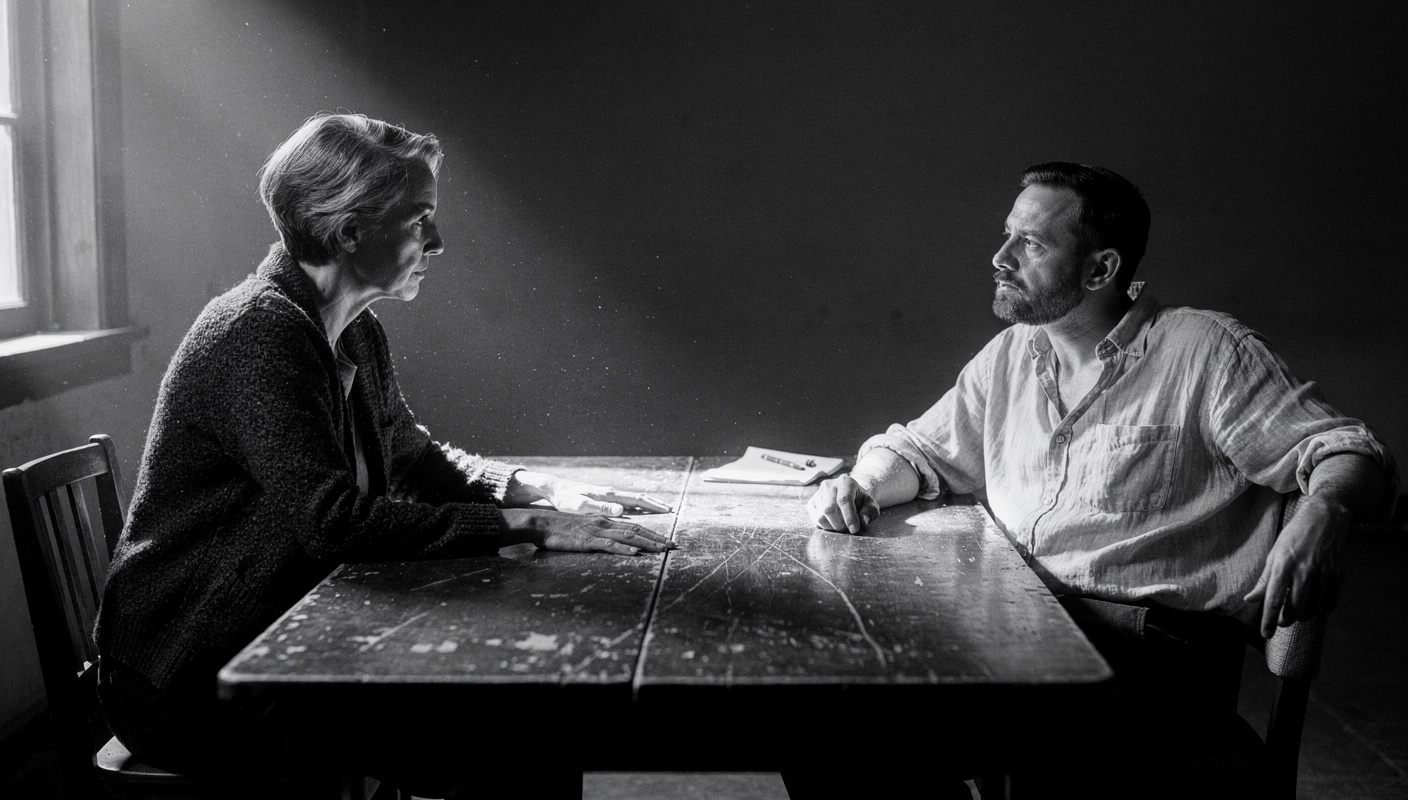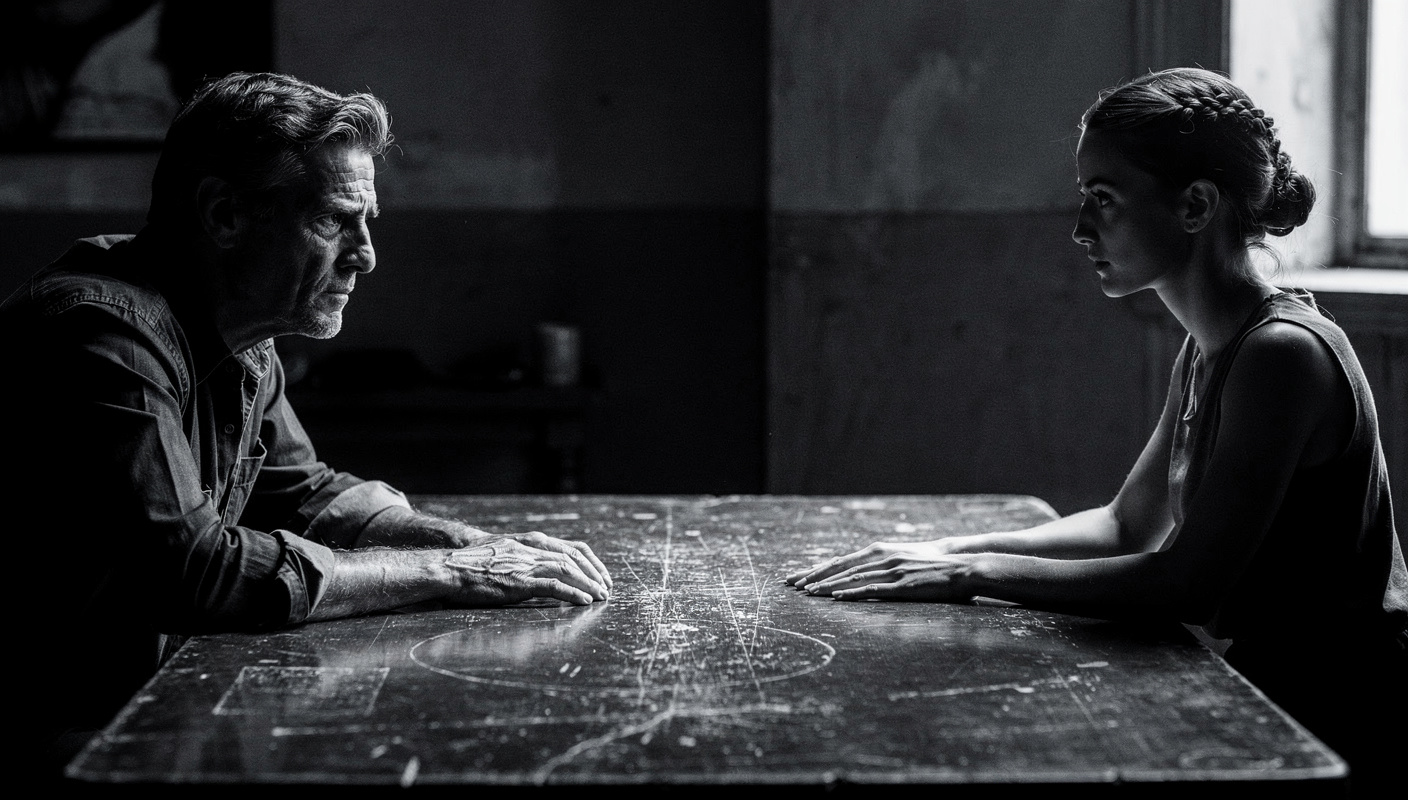

In Short
After reading this, you will know exactly how to use physical expression to project posture confidence credibility in any professional setting.
- Ground your stance before you speak: feet, weight, and shoulders set the tone for everything else.
- Use deliberate, open gestures to reinforce your words, not distract from them.
- Practise each element in low-stakes situations so it becomes natural under pressure.
Posture confidence credibility is the direct relationship between how you physically hold yourself, the inner confidence that stance produces, and the credibility others assign to you as a result. When your body signals authority, people trust what you say.
You walk into the room prepared. You know your material. But the moment you stand up, your shoulders drift forward, your chin drops, and you shift your weight from foot to foot like you are waiting for a bus. Before you speak a single word, half the room has already decided you are uncertain. That is the cost of ignoring physical expression.
Here is the truth of it: most people know posture matters, but they have never been given a practical way to change it. They collapse under pressure, revert to old habits in high-stakes moments, and feel genuinely confused about why their words are not landing the way they should. The problem is rarely what they say. It is how they hold themselves while saying it.
Posture confidence credibility is not about performing power. It is about building the physical habits that allow your real competence to be seen. In this guide, you will get a clear, practical process for using physical expression to earn trust, command presence, and communicate with genuine strength.
If you want to understand how inner emotional states affect your physical presence, The Role of Emotional Intelligence in Team Synergy is worth your time alongside this.
Why Physical Expression Is Harder Than Most People Expect
Knowing that your posture matters and actually changing it under pressure are two entirely different things. Most people have been told to stand up straight since childhood, and yet the moment they walk into a difficult conversation, the old patterns take over. There is a real gap between awareness and embodied habit.
- Your nervous system works against you. When you feel anxious or under scrutiny, your body contracts: shoulders round, breath shallows, and your physical presence shrinks. This is a protective reflex, not a character flaw, but it does real damage to how others read you.
- You cannot see yourself as others see you. Most people have a significant blind spot about their own posture and movement. What feels upright often looks neutral. What feels open often reads as slightly guarded. Without honest feedback, your self-assessment will be off.
- Old physical habits run deep. The way you hold yourself has been reinforced tens of thousands of times over your lifetime. Changing it takes more than intention. It requires consistent, deliberate repetition in real situations.
- High-stakes moments are the worst time to practise. The job interview, the big presentation, the difficult conversation with a senior leader: these are exactly the moments when your physical expression is most important and least reliable, because anxiety strips away what you have not yet made automatic.
- Most people focus on words and ignore the body. Professional development has long privileged verbal skill over physical presence. People spend hours preparing what to say and almost no time preparing how to stand while saying it.
The goal is not to eliminate these difficulties. It is to build a system that works in spite of them.
"The Conversation You're Avoiding Is the One You Need to Have."
"The Conversation You're Avoiding
Is the One You Need to Have."
Stop rehearsing conversations you'll never have. Say It Right Every Time gives you 115 word-for-word scripts and 16 proven frameworks to speak with confidence in every conversation that matters.
The Foundation: What You Need Before You Start
Before you begin, there are three things that need to be clear.
- Your physical baseline. You need an honest picture of how you actually hold yourself, not how you think you do. Film yourself for sixty seconds speaking to a camera. Watch it back without judgment. Note where your shoulders sit, where your chin goes, what you do with your hands, and how you distribute your weight. This is your starting point, not your destination.
- Your pressure triggers. Think about the specific situations where your physical expression tends to collapse: large groups, senior audiences, conflict, criticism, or unexpected questions. These are not random. They follow a pattern. If you can name the trigger, you can prepare a physical response to it. What Is the Amygdala Hijack and How It Silently Blocks Team Synergy in High-Pressure Moments explains the neurological mechanism behind this beautifully.
- A commitment to practice in low stakes first. You will not fix your physical expression during the presentation that matters most. You will fix it in conversations that do not matter much at all. That is where new habits are built. Commit to practising deliberately in ordinary interactions before you try to perform in high-pressure ones.
Get these right first. The steps that follow will not work without them.
Step 1: Set Your Ground Before You Speak
This step is about establishing a stable, grounded physical foundation before any word leaves your mouth.
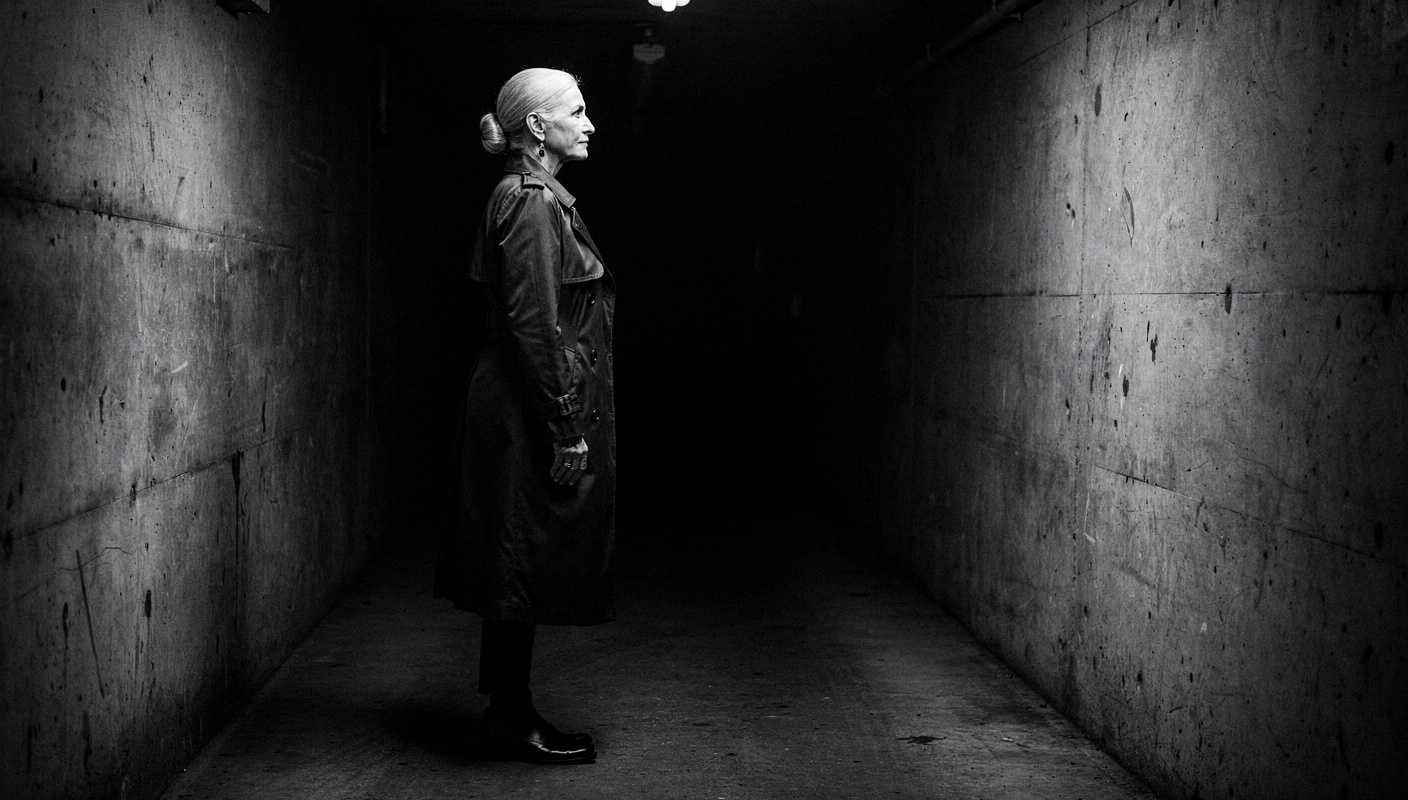
Most people begin speaking the moment they arrive in a space. They have not settled into their body, and it shows. A grounded stance is not a performance. It is the physical signal that you are present, calm, and not going anywhere.
Stand with your feet roughly hip-width apart. Distribute your weight evenly across both feet. Soften your knees slightly so you are not locked or rigid. Feel the ground beneath you. This sounds almost too simple, but it changes everything.
- Place both feet flat on the floor before you begin any significant conversation or presentation.
- Distribute your weight evenly rather than favouring one hip or leaning onto one leg.
- Soften your knees: locked knees signal tension and make you sway.
- Take one full breath before you start speaking: let your ribcage expand, then release slowly.
- Hold the grounded position for three full seconds before your first word lands.
Here is what this looks like in practice. You are about to address your team for the first time as a new manager. You walk to the front of the room, stop, plant your feet, take one breath, and make eye contact before speaking. The room settles. Not because of anything you said. Because your body told them you were not in a rush. That physical stillness is read as strength.
When you have your ground, everything else has a foundation to build on.
Step 2: Open Your Chest and Level Your Chin
Your chest and chin carry more of your message than most people realise.
A collapsed chest and a lowered chin signal submission, uncertainty, or discomfort. An open chest and a level chin signal readiness. These are not subtle cues. They are among the first things the people in front of you register, often before they are consciously aware of it.
Draw your shoulder blades back and slightly down: not military-rigid, but open. Think of making your collar wider rather than lifting your chest up. The distinction matters because lifting puffs you up, while opening communicates ease and confidence.
- Roll your shoulders back and down in one deliberate motion before entering a room.
- Check your chin: it should be parallel to the floor, not dipped toward your chest or jutted forward.
- Resist the urge to fold your arms across your chest when challenged: this is the most common stress posture and the most credibility-damaging.
- If you are seated, sit tall without gripping the back of the chair for support.
- Reset your chest and chin mid-conversation if you feel yourself collapsing: a single breath and a gentle roll back is enough.
After a week of deliberate practice, this will stop being a conscious action and start becoming your default position under pressure.
Step 3: Use Your Hands with Purpose
Your hands either support your message or they distract from it. There is very little middle ground.
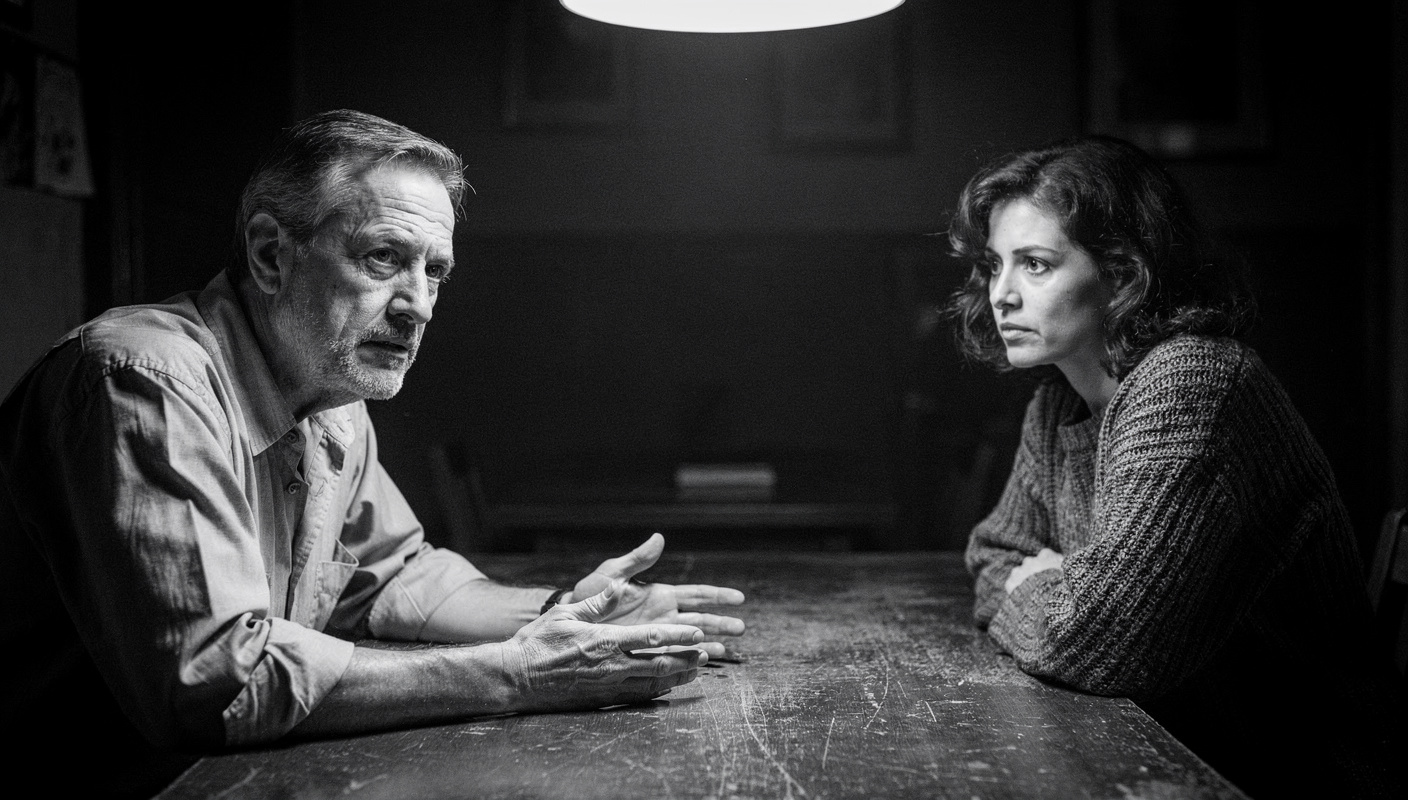
Hands shoved in pockets read as hiding. Hands fidgeting with a pen, a ring, or a cuff button bleed nervous energy into the room. Hands crossed tightly in front of you create a barrier. But hands used with deliberate, open gestures reinforce your words and tell the room you are engaged.
The goal is not to choreograph your gestures. It is to stop suppressing them, because suppression is what creates the stiff, wooden quality that undermines presence.
- Keep your hands visible and relaxed when not gesturing: resting lightly at your sides, or with fingertips touching loosely in front of you.
- Use open-palm gestures when making a key point: an open palm facing upward signals honesty and invitation.
- Gesture within the space between your shoulders and your hips: gestures that go too high read as agitated, too low as disengaged.
- Avoid pointing with a single finger: use an open hand directed toward what you mean.
- When listening, keep your hands still and in view: fidgeting while someone else speaks signals impatience or anxiety.
Here is a short script to practise. Stand in front of a mirror and say: "There are three things I want you to take away from this." As you say "three," hold up three fingers, open palm facing the room. As you state each point, count it off clearly. Watch how this small, deliberate gesture anchors attention and makes the structure of your message visible, not just audible.
When your hands work with your words, people track both. When they work against your words, people track only the distraction.
Step 4: Hold Eye Contact Long Enough to Matter
Eye contact is one of the most powerful tools in physical expression, and one of the most poorly used.
Most people either avoid eye contact because it feels exposing, or they sweep the room nervously, making brief contact with everyone and genuine connection with no one. Both extremes undermine credibility. The first reads as evasive; the second reads as anxious.
Genuine eye contact means landing on one person long enough to complete a thought, around three to five seconds, before moving naturally to the next. It is not a stare. It is a moment of direct, human attention.
- When making a key point, hold eye contact with one person through the full sentence before moving on.
- In a small group, rotate your gaze so every person receives direct attention, not just the most senior person in the room.
- When you feel nervous, consciously slow your eye movement: darting eyes signal uncertainty even when your words are strong.
- If full eye contact feels overwhelming, focus on the space between the other person's eyes: it reads as direct contact without the intensity.
- During conflict or challenge, hold your gaze steady rather than breaking contact: dropping your eyes at a hard moment signals retreat.
This step alone, done consistently, will shift how you are received in meetings, negotiations, and any conversation where trust is at stake. Steady eyes communicate that you mean what you say.
Step 5: Manage Your Physical Expression When You Are Under Pressure
This is where most people's physical expression falls apart, and where mastering it matters most.
Pressure, conflict, or challenge activates physical responses you did not consciously choose: the rounding shoulders, the shortened breath, the restless hands. You cannot stop those impulses from arising. You can learn to override them before they reshape how you are perceived.
The method is simple, but it takes real preparation to deploy reliably in the moment. You need a physical reset sequence: a short, repeatable series of adjustments you can make in two seconds without anyone noticing.
- When challenged, take a breath before responding: this is not hesitation, it is control.
- As you breathe in, quietly roll your shoulders back and feel your feet on the floor.
- Lift your chin to level if it has dipped: this one adjustment changes the entire tone of your face.
- Slow your speech rate by ten percent: pressure accelerates our words, and fast speech signals panic.
- If you are seated and feel your posture collapsing, place both hands flat and relaxed on the table: this gives your nervous system something to ground against.
Here is what this looks like in practice. Someone challenges your proposal in front of the room. Your first physical impulse is to shrink. Instead, you take a breath, feel your feet on the floor, level your chin, and say: "That is a fair point. Let me respond to it directly." You have not performed calmness. You have used physical expression to produce it. Understanding how psychological safety enables honest communication can help you build environments where this kind of steadiness is possible for everyone.
After you practise this reset sequence in low-stakes conversations, it becomes available to you in the moments that count.
Step 6: Synchronise Your Physical Expression with Your Voice
Your body and your voice are one instrument. When they are out of alignment, the room senses the contradiction even if it cannot name it.
A strong message delivered in a collapsed posture is a weakened message. An apology delivered with a square stance and a level gaze does not land as an apology. Your physical expression and your vocal delivery must tell the same story. This is what gives communication its coherence and weight.
- When making a direct, confident statement, stand fully upright, breathe in before you start, and let your voice carry without trailing off at the end.
- When asking a genuine question, soften your posture slightly: a small forward lean signals real curiosity rather than interrogation.
- Match your gesture size to your vocal volume: a whispered aside with a sweeping arm is incoherent; a bold declaration with no movement at all is flat.
- Pause deliberately at key moments: a physical stillness during a pause gives it weight; fidgeting during a pause drains it.
- Breathe from your diaphragm, not your upper chest: shallow upper-chest breathing produces a thinner voice and visibly raises your shoulders, both of which signal anxiety.
When your posture, movement, and voice all carry the same message, the result is what people call "presence." It is not a mysterious quality. It is alignment. You can build it deliberately through consistent practice.
Adapting This Process for Video and Remote Communication
Virtual communication changes the physical landscape in ways that trip most people up.
On a video call, you have roughly a quarter of your body in frame. Every physical signal that normally distributes across your whole presence now concentrates in your face, your upper chest, and whatever your hands are doing. This means the impact of each element is amplified, and the cost of poor physical expression is higher per square inch of screen.
Camera position and eye level. If your camera sits below your eye line, you are looking down at everyone you speak to. That angle alone undermines credibility and makes you look either defensive or disengaged. Raise your camera to eye level: a stack of books works fine. Then look at the camera lens, not at the faces on screen, when you are making a key point. That is how eye contact lands in a virtual space.
Upright seated posture. Slumped posture on a laptop screen reads as disinterest or fatigue. Sit fully upright, slightly forward in your chair. Keep your shoulders back and your chin level. The same physical reset sequence from Step 5 works exactly the same way on video.
Visible, grounded hands. Hands that are hidden below the camera frame create an odd, disembodied quality. Keep your hands loosely visible, resting on the desk or making occasional deliberate gestures. Avoid fidgeting with your face, your hair, or objects out of frame: small movements that would disappear in a large room dominate a small screen.
Stillness carries more. On video, stillness reads as authority. Constant head movement, chair rocking, or environmental fidgeting fragments your presence. Practise sitting still without rigidity: grounded and present, not frozen.
The core process does not change in a virtual setting. Only the execution shifts to fit a smaller frame.
Common Mistakes That Undermine Physical Expression
Let me tell you about the mistakes I see most often. I have made most of them myself.
The mistake: Trying to change everything at once.
Why it happens: People get enthusiastic and attempt a full physical overhaul before a big moment.
What to do instead: Work on one element per week, in low-stakes conversations first. Mastery is built one layer at a time.
The mistake: Holding a fixed pose instead of moving naturally.
Why it happens: People misunderstand "good posture" as a rigid, static position.
What to do instead: Think of posture as a physical baseline you return to, not a position you lock into and never leave.
The mistake: Making eye contact only with the most powerful person in the room.
Why it happens: Status anxiety directs our gaze toward whoever we most want to impress.
What to do instead: Distribute your eye contact evenly and deliberately: the junior colleague often remembers the moment you looked directly at them.
The mistake: Suppressing all hand movement to appear calm.
Why it happens: People confuse stillness with composure.
What to do instead: Allow your hands to move naturally and purposefully; natural gesture signals engagement, not nervousness.
The mistake: Practising posture only in isolation, never under real conditions.
Why it happens: It is more comfortable to practise alone in front of a mirror.
What to do instead: Deliberately apply your physical expression skills in real conversations, starting with ordinary interactions where the stakes are low.
The mistake: Forgetting to reset after a physical collapse mid-conversation.
Why it happens: Once you notice your shoulders have rounded, the self-consciousness makes it worse.
What to do instead: Treat a mid-conversation reset as normal and invisible: one breath, one quiet roll of the shoulders, and continue.
These are not character flaws. They are gaps in the system. Fix the system.
Your Practical Checklist for Physical Expression
Use this checklist before you begin and after each practice cycle.
- I have filmed myself speaking and reviewed my physical baseline honestly.
- I have identified the specific situations where my physical expression tends to collapse.
- I plant both feet hip-width apart and settle my weight before I begin speaking.
- I roll my shoulders back and down, and check my chin is level, before entering any significant room.
- I keep my hands visible and relaxed when I am not gesturing.
- I use open-palm gestures to reinforce key points rather than pointing or clutching.
- I hold eye contact with one person through a full thought before moving to the next.
- I have a physical reset sequence I can deploy in two seconds under pressure.
- I match my physical expression to my vocal delivery so they tell the same story.
- I practise each element in low-stakes conversations before relying on it under pressure.
- I sit upright and forward on video calls, with my camera at eye level.
If you cannot check most of these, that is your starting point.
Summary and Next Steps
You now have a concrete, step-by-step process for using physical expression to build the kind of posture confidence credibility that earns trust before you have said a word. That is a real advantage in any professional setting, and it is one you can develop through practice rather than personality.
- Ground your stance before you speak: feet planted, weight even, breath taken.
- Open your chest and level your chin: these two adjustments change how the room reads you instantly.
- Use your hands with deliberate purpose: visible, open, and moving with your message.
- Hold eye contact long enough to make genuine connection, three to five seconds per person.
- Have a physical reset sequence ready for pressure moments: breath, feet, chin, pace.
- Synchronise your posture, movement, and voice so they carry the same message.
- Practise everything in low-stakes situations first, so it is available when the stakes are high.
For the inner work that supports physical presence, What Is Psychological Safety and How It Drives Team Synergy will show you how the environment you are working in either reinforces or undermines your physical expression. If you are interested in how confidence builds over time, How the Confidence-Competence Loop Explains Why Some Teams Build Synergy Faster Than Others is directly relevant. And when it comes to the emotional discipline required to hold your physical expression steady in hard conversations, Emotional Intelligence in Feedback Conversations is the place to go next.
Your body has been communicating on your behalf your entire life. It is time to give it something worth saying.
Frequently Asked Questions (FAQ)
What is posture confidence credibility and why does it matter?
Posture confidence credibility refers to the connection between how you hold your body, the confidence you project, and the credibility others assign to you. When your posture is open and grounded, people read you as capable and trustworthy before you speak a single word.
How does posture affect confidence in communication?
Posture directly shapes how both you and others experience your confidence. An upright, open stance activates a calmer physical state, steadies your voice, and signals to the room that you are at ease with authority. Collapsed or closed posture sends the opposite signal, regardless of how strong your words are.
Can you improve posture confidence credibility through practice?
Yes. Posture is a physical skill, not a personality trait. With deliberate, repeated practice, you can retrain your default stance, build new physical habits, and consistently project the kind of grounded presence that earns respect in any room.
What posture mistakes reduce your credibility in conversations?
The most common credibility-damaging posture habits include rounding the shoulders forward, dropping the chin toward the chest, crossing arms tightly, and shifting weight restlessly between feet. Each sends a signal of uncertainty or defensiveness, even when your words are strong and clear.
How quickly can others read your posture in a conversation?
People form a physical impression within the first few seconds of meeting you, well before you have finished your opening sentence. Your posture, stance, and physical presence create the frame through which everything you say will be interpreted for the rest of that interaction.
Does posture work the same way in virtual communication?
In video calls, posture matters just as much as in person. Sitting upright and slightly forward, keeping your camera at eye level, and placing your hands in a relaxed and visible position all signal presence and engagement. Slumped posture on screen reads as disinterest or low energy.