
In Short
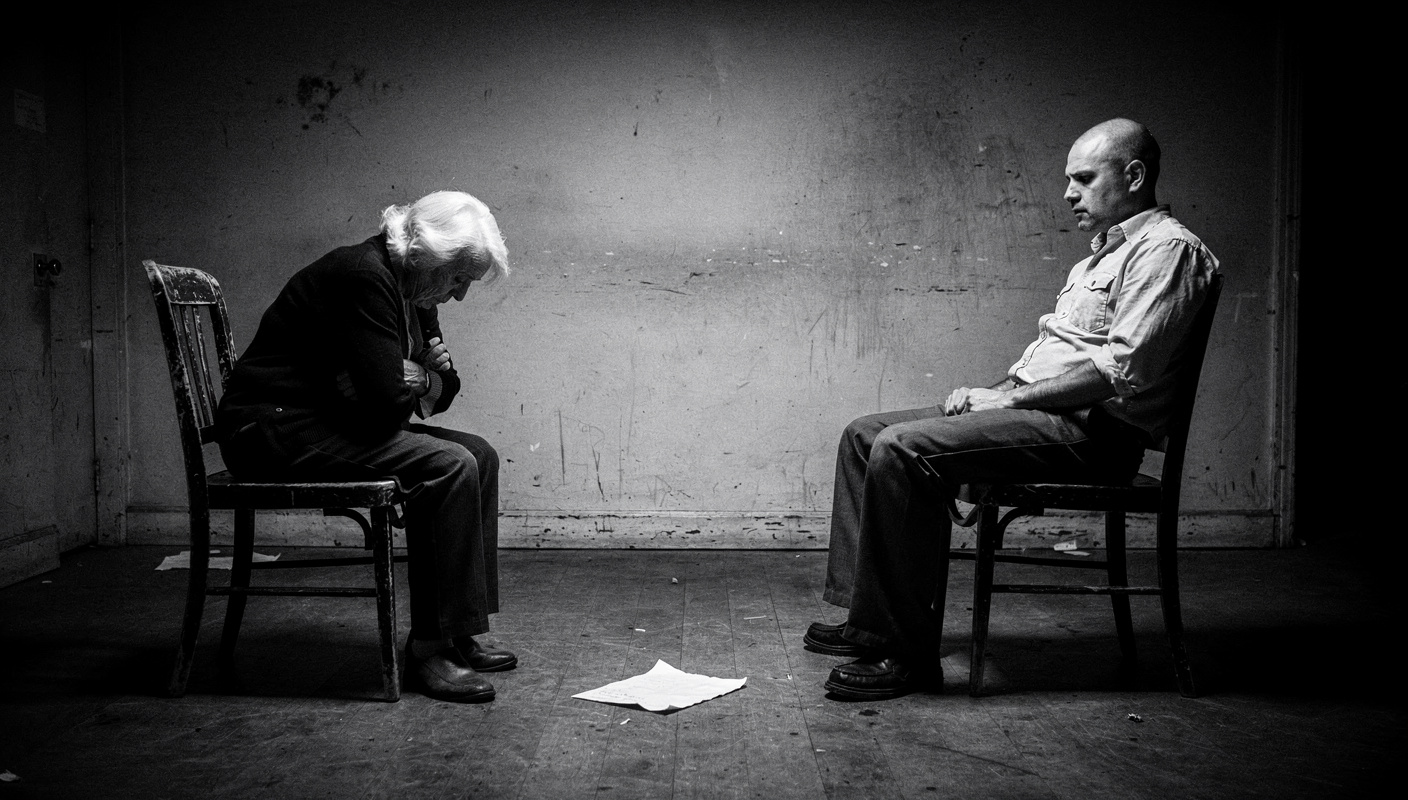
Co-mediation and solo mediation both serve conflict resolution, but they are not interchangeable.
- Co-mediation pairs two neutrals to handle complexity, power imbalance, and emotional intensity that one mediator cannot safely manage alone.
- Solo mediation is faster, leaner, and entirely sufficient for most contained two-party disputes.
- Choosing the wrong structure does not just slow the process down; it can collapse it entirely.
Co-mediation skills are the practical abilities two mediators apply when working in tandem within a single dispute resolution process. They cover role division, real-time coordination, and debrief discipline, distinguishing co-mediation from solo practice where one neutral holds the process alone.
The Moment the Wrong Choice Becomes Obvious
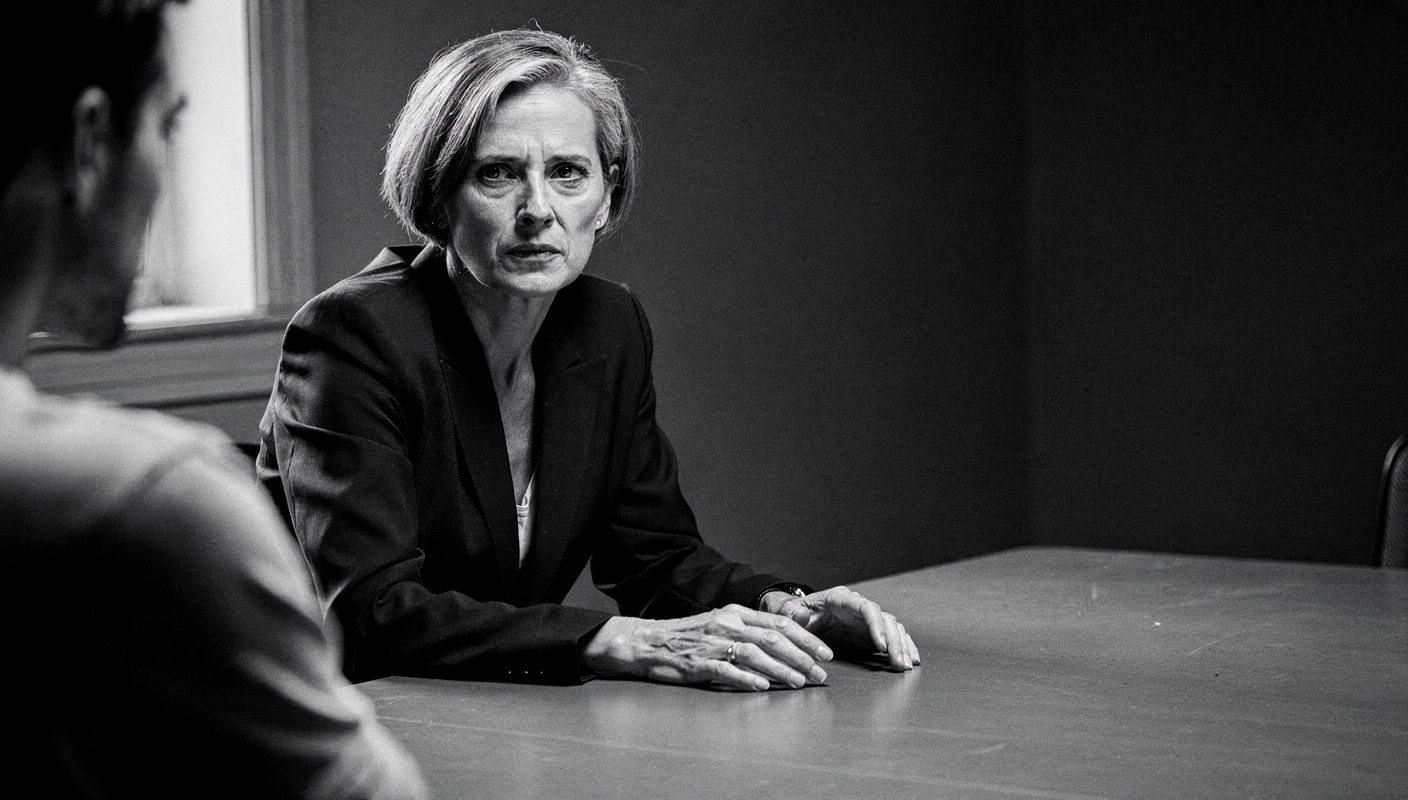
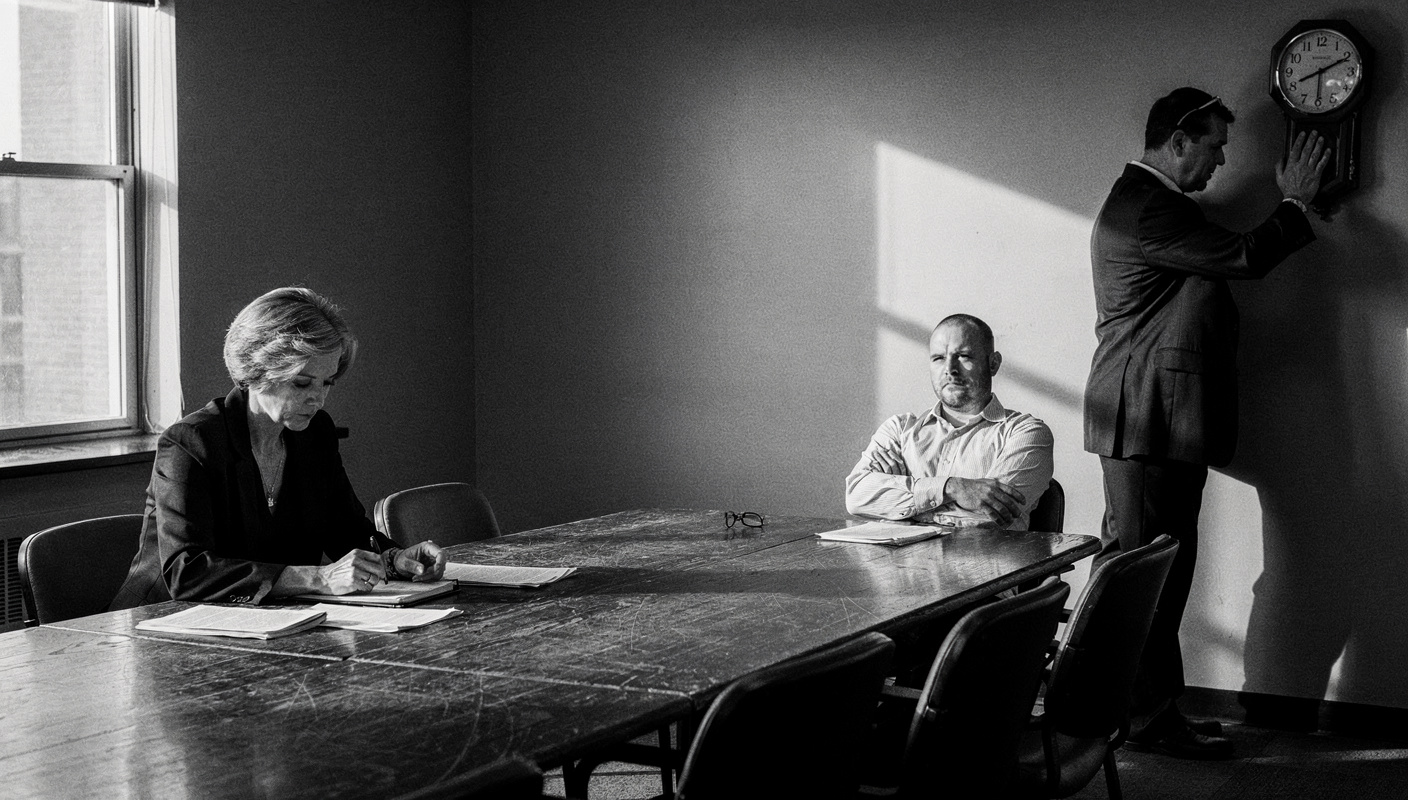
I watched a skilled mediator walk into a room with eight people and the weight of a three-year team breakdown. She was experienced, calm, and well prepared. By the forty-minute mark she was visibly stretched: tracking five competing narratives, managing two people who had stopped talking directly, and trying to hold the emotional temperature of the whole room on her own. The session ended without resolution. Not because she lacked skill, but because the structure she was working in was wrong for the problem she faced.
That is the real question with co-mediation. Not whether it is better or worse than solo work. The question is whether the dispute in front of you needs one pair of hands or two. Getting that call right is one of the most important co-mediation skills you can develop, and most people do not think about it until something breaks.
"The Conversation You're Avoiding Is the One You Need to Have."
"The Conversation You're Avoiding
Is the One You Need to Have."
Stop rehearsing conversations you'll never have. Say It Right Every Time gives you 115 word-for-word scripts and 16 proven frameworks to speak with confidence in every conversation that matters.
Solo Mediation: What It Is and What It Can Do
Solo mediation is the standard form. One neutral third party sits with two or more people in conflict and guides them toward a resolution they can both live with. The mediator manages the process, holds the space, asks the questions, and keeps things moving when emotions threaten to stall progress.
It is an elegant tool when conditions allow it. A single mediator can build rapport quickly, maintain a consistent tone, and respond to shifts in the room without having to coordinate with anyone. There is no split attention, no risk of the parties reading disagreement between two facilitators, and no logistical weight.
If you want to understand the moment-to-moment work of holding a difficult conversation together, the skills covered in How to Resolve Interpersonal Tension Through Empathy map directly onto what a solo mediator does in the room. The same principles apply: presence, attunement, and the discipline to stay neutral when the pull to take sides is strong.
Solo mediation asks a great deal of one person. It works because a skilled mediator can hold all of that. Until the room becomes too complex for one person to hold safely.
Co-Mediation: What Changes When There Are Two
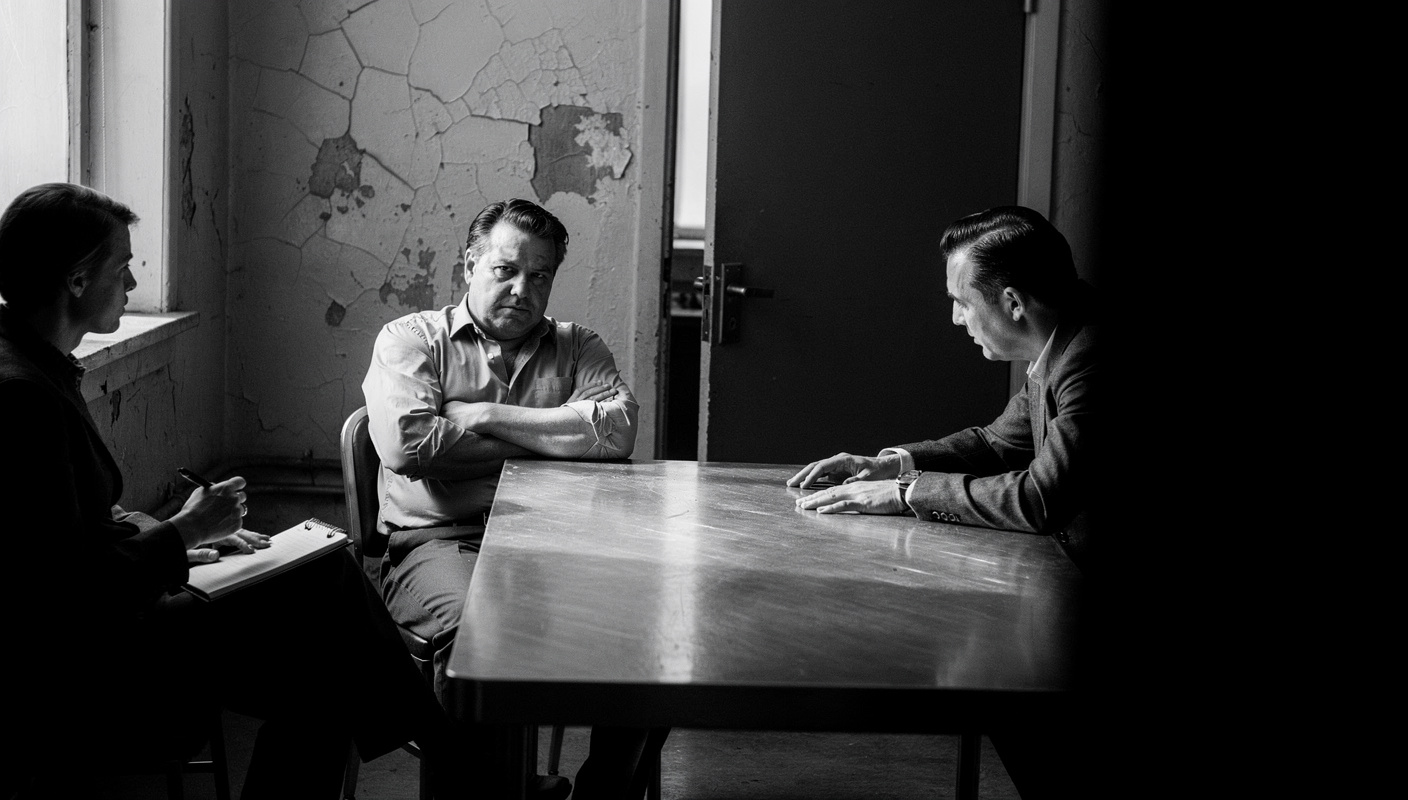
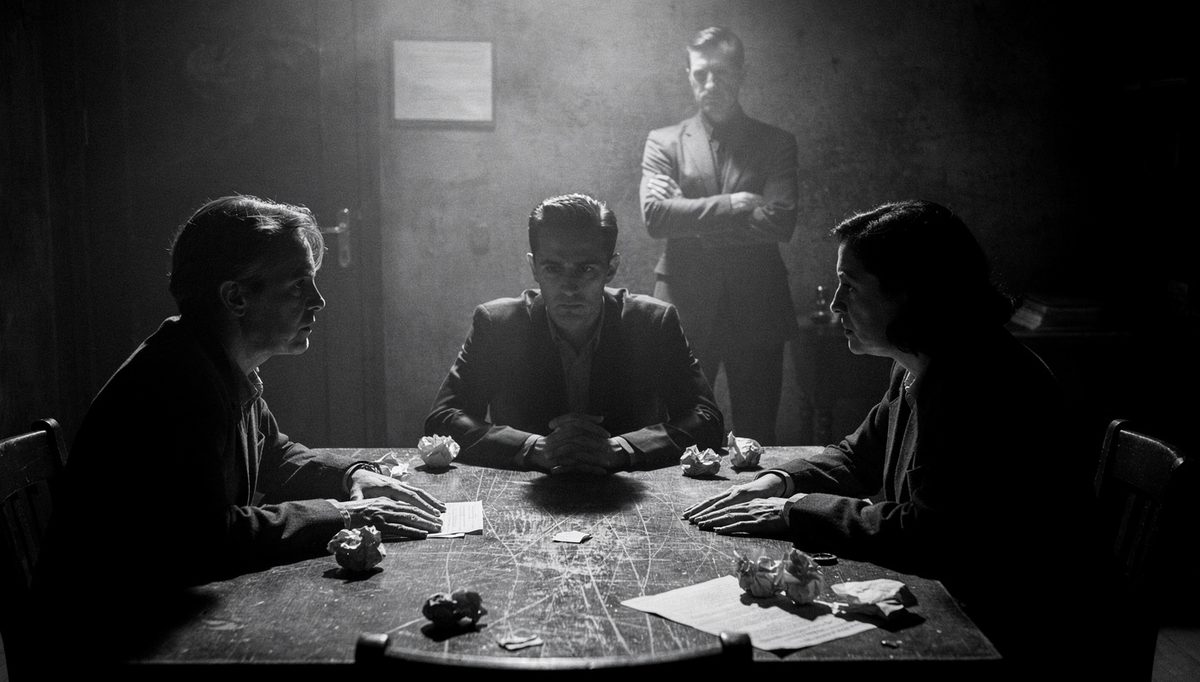
Co-mediation places two trained mediators in the same process, working as partners rather than independently. One typically leads the session, carrying the agenda, directing questions, managing transitions. The other observes, tracks the emotional landscape, notices what the lead might miss, and steps in when the situation calls for it.
The roles are agreed before anyone walks through the door. And that preparation is not optional; it is the foundation the whole session rests on. Two mediators who have not aligned on their roles, their signals, and their approach will confuse the parties and undermine the trust the process needs to work.
Here is the truth of it: co-mediation is not just solo mediation with an extra person in the room. The dynamic changes structurally. Parties often find a natural affinity with one mediator over the other, which can be used skillfully to balance the room. One mediator can manage a caucus while the other holds the space with the remaining party. When emotions spike, one can take the lead while the other grounds the process. These are capabilities a solo mediator simply does not have.
The D.E.A.L. Method for resolving workplace tension offers a strong framework for structuring the kind of staged, deliberate dialogue that co-mediation relies on, especially when the lead mediator is managing a more complex room.
Co-Mediation vs Solo Mediation: A Direct Comparison
| Dimension | Solo Mediation | Co-Mediation |
|---|---|---|
| Number of mediators | One | Two |
| Best suited for | Contained two-party disputes | Complex, multi-party, or high-stakes conflicts |
| Preparation required | Individual | Joint pre-session alignment essential |
| Emotional capacity | Single observer | Divided observation, greater coverage |
| Power imbalance handling | Depends heavily on mediator skill | Structural support through role division |
| Risk of mediator bias | Managed through discipline | Mitigated by having two perspectives |
| Cost and logistics | Lower | Higher; requires two available mediators |
The table shows the shape of the difference. What it cannot show is the feel of it in practice.
In a solo session, all the weight of noticing sits with one person. When a party's voice tightens or their body language closes off, the mediator must catch it, continue the conversation, manage the other party, and decide what to do next. All at once. In a well-run co-mediation, those responsibilities are distributed. The lead keeps the conversation moving while the second mediator tracks the room, logs the emotional shifts, and signals when something needs attention.
That division of attention also produces better outcomes in situations where one party feels structurally disadvantaged. If you have a junior employee in conflict with a senior manager, a single mediator working hard to stay neutral may still be read by the junior party as inherently aligned with authority. A second mediator can provide visible balance. Not by taking sides, but by being present in a way that makes the weaker party feel genuinely heard.
For the kind of team-level conflicts where unmet needs are driving the breakdown, the work described in How Unmet Needs Drive Team Conflict becomes far easier to surface when two mediators are working the room together.
When Each Approach Serves Best
Reaching for Solo Mediation
Use solo mediation when the dispute is between two parties, the power dynamic is reasonably balanced, and the emotional intensity is manageable. It is also the right choice when speed matters: a single mediator can move faster, with less logistical setup and no coordination overhead.
Solo mediation is often sufficient for most workplace disagreements: a breakdown in working relationship between two colleagues, a communication breakdown between a manager and a team member, or a dispute over process and responsibility. The D.E.A.L. Method for team conflicts gives solo mediators a reliable structure for exactly this kind of work.
If you are confident you can hold the room and the situation does not present structural risks, one mediator is enough. Do not add complexity where none is needed.
When Co-Mediation Is the Right Call
Co-mediation earns its place in situations with real structural risk. A significant power imbalance between the parties. A history of conflict so entrenched that one mediator's neutrality will be questioned no matter what they do. High emotional volatility where a single mediator stepping away for a caucus leaves no one holding the remaining party. Cultural differences that one mediator alone may not navigate with confidence. A large group of parties whose competing dynamics genuinely require two sets of eyes.
Think also about the training context. Co-mediation is one of the most effective ways to develop mediators. An experienced practitioner working alongside someone newer gives that person the experience of managing a live dispute with a safety net. The debrief alone, reviewing what each mediator noticed and how they responded, is worth its weight. For anyone learning to handle conflict during meetings, that mentored exposure is invaluable.
Three Places Where People Confuse These Two Approaches
The mistake: Treating co-mediation as the premium option and solo mediation as the default fallback.
Why it happens: More mediators can feel like more skill, more safety, more reassurance for the parties.
What to do instead: Choose based on the complexity of the conflict, not on the desire to signal effort. Adding a second mediator to a simple two-party dispute creates confusion, not confidence.
The mistake: Assuming two mediators automatically means better neutrality.
Why it happens: Two different perspectives feel like they cancel out bias.
What to do instead: Neutrality comes from preparation, discipline, and trust between the mediators. Two mediators who have not aligned can actually create competing signals that make neutrality harder for the parties to perceive. Prepare together or do not co-mediate.
The mistake: Using co-mediation to manage a mediator's own discomfort with a difficult case.
Why it happens: Hard cases feel safer with a partner, and that instinct is not wrong. But it can lead to co-mediation being used as a crutch rather than a tool.
What to do instead: Ask whether the case genuinely requires two mediators or whether one well-prepared mediator with good support and supervision is the right answer. The C.O.R.E. Framework for staying grounded in tense conversations gives solo mediators a real method for maintaining composure in exactly the cases that feel most difficult.
What Good Co-Mediation Practice Looks Like in the Room
Before the session, both mediators must agree on who leads at the start, how they will signal a role shift, and what happens if one of them believes the process is going wrong. These are not bureaucratic details. They are the structural backbone of the whole session.
During the session, the observing mediator stays visibly engaged. Not passive, not decorative. They track the room, note what the lead might miss, and intervene through agreed signals or brief, clearly framed contributions. Parties should sense that both mediators are working, even when only one is speaking.
After the session, the debrief between the two mediators is as important as anything that happened in the room. What did each person notice? Where did the process hold and where did it strain? What would each do differently? That honest conversation is what turns co-mediation from an event into a discipline.
For complex meetings where dominant voices can crowd out quieter parties, the strategies in How to Deal with Dominant Voices in a Discussion translate directly into how the observing co-mediator watches for imbalance and intervenes without disrupting the lead.
The Grey Area: When the Line Gets Blurry
There is a version of solo mediation where a mediator brings a colleague into the room as a note-taker or support. There is a version of co-mediation where one mediator carries almost all the active work while the other observes. These grey zones exist, and naming them honestly matters.
The distinction that holds across all variations is this: in true co-mediation, both mediators are accountable for the process. Not one leading and one watching. Both present, both responsible, both involved in the debrief. If only one mediator is genuinely accountable, it is solo mediation with a witness.
Frequently Asked Questions (FAQ)
What are co-mediation skills?
Co-mediation skills are the practical abilities two mediators use when working together in a single dispute resolution process. They include role division, real-time coordination, debrief discipline, and the ability to manage different parties without undermining each other or confusing the process.
When should you use co-mediation instead of solo mediation?
Use co-mediation when the conflict involves a significant power imbalance, cultural complexity, high emotional intensity, or a large number of parties. Solo mediation works well for contained two-party disputes where one skilled mediator can hold the room without losing neutrality.
How do co-mediators divide their roles during a session?
One co-mediator typically leads the process, asking questions, managing the agenda, and guiding communication. The other observes, tracks emotional shifts, takes notes, and intervenes when needed. These roles are agreed in advance and can shift during the session by mutual signal.
What is the difference between co-mediation and solo mediation?
Solo mediation uses one neutral third party to guide two or more people through a dispute. Co-mediation uses two mediators working in tandem. The key difference is capacity: co-mediation handles greater complexity, stronger emotions, and more parties more safely and effectively.
Can co-mediation skills be used in workplace conflict?
Yes. Co-mediation skills are especially valuable in workplace disputes involving team breakdowns, grievances with power dynamics, or situations where one mediator might be perceived as biased. Having two mediators strengthens perceived fairness and keeps the process grounded when emotions run high.
What makes co-mediation fail?
Co-mediation fails when the two mediators have not prepared together, compete for control during the session, send contradictory signals to the parties, or fail to debrief honestly afterward. Poor co-mediator chemistry undermines the very trust the process depends on.
The choice between solo and co-mediation is not about prestige or caution. It is about reading the room before you enter it, and being honest about what the conflict actually requires. Most disputes do not need two mediators. Some genuinely cannot succeed without them. Developing your co-mediation skills means knowing the difference before you walk through the door, not after the session has already unravelled.