
In Short
Most conflicts harden because people defend what they say they want, not what they actually need. Underlying interests mediation works by moving the conversation from stated positions to the real concerns driving them.
- Positions are demands. Interests are the needs, fears, and values that produce those demands.
- Skilled mediators ask questions that make it safe to name those deeper needs.
- When both parties share their real interests, solutions that seemed impossible often become obvious.
Underlying interests mediation is a conflict resolution process in which a neutral third party helps disputants move past their stated demands and explore the genuine needs, fears, and values driving the conflict. It treats positions as symptoms and interests as the root cause to be addressed.
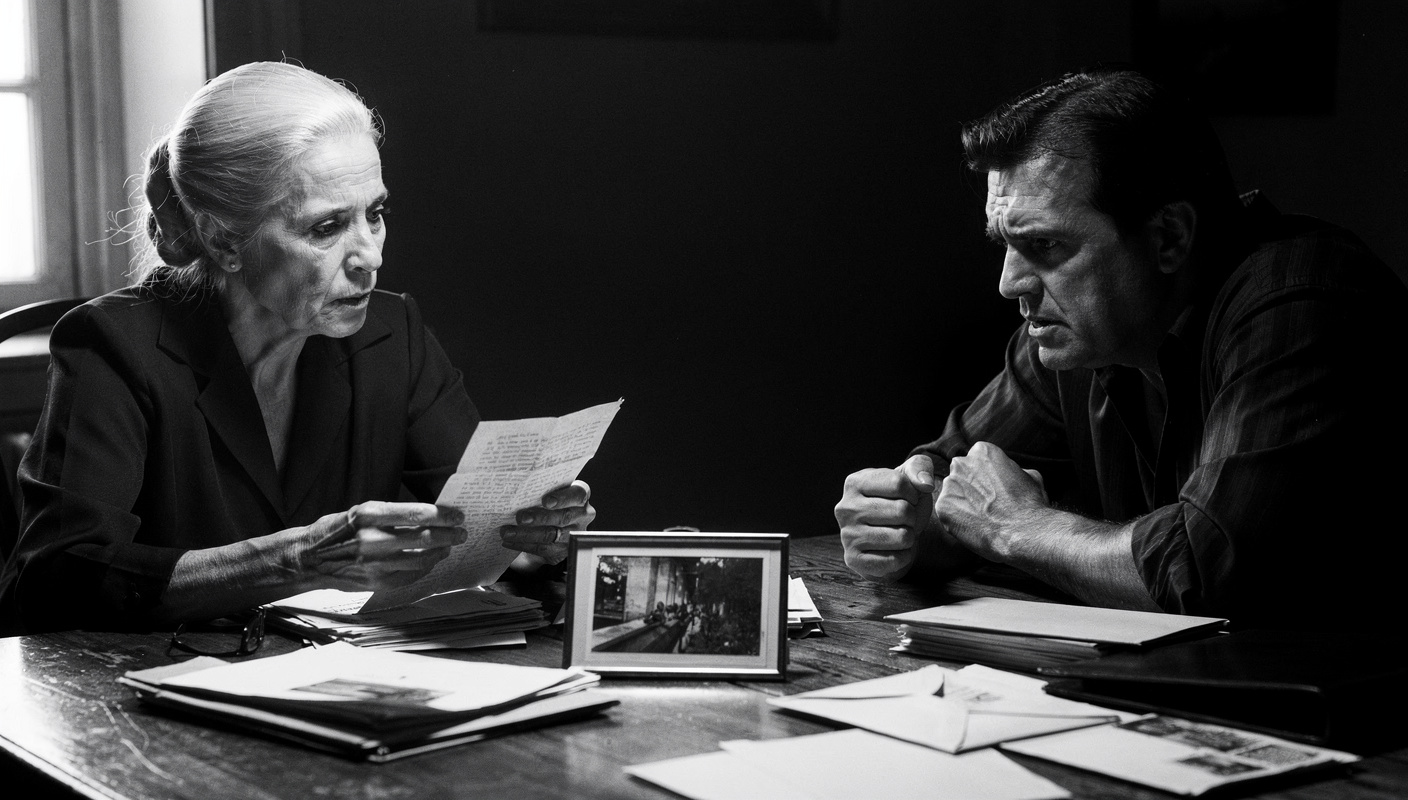
I watched two senior colleagues nearly destroy a working relationship over desk allocation. One wanted a window seat. The other refused to move. Weeks of tension, avoidance, a formal complaint. When I finally sat with each of them separately, I asked a simple question: "Why does this matter so much to you?" One needed quiet to concentrate. The other needed to feel that seniority was respected. Neither of those needs required the same desk. They had been arguing a position when they had compatible underlying interests all along. That is the core challenge of underlying interests mediation: people cannot see past their own demand when no one has helped them name what they actually need.
Why Positional Arguments Resist Ordinary Resolution
When someone plants a flag on a position, they are not being difficult for sport. They are protecting something they cannot yet name. The position feels concrete. It feels safe. Giving it up feels like surrender, even when no one is actually losing anything important.
The harder a position is defended, the more you can trust there is a real need underneath it. I have seen colleagues dig into the most apparently trivial arguments, and without exception, something genuine was at stake for them. The argument was never really about the thing it was about.
This is what makes underlying interests mediation genuinely hard. You are not just facilitating a conversation. You are asking people to move from a defended position to an exposed need, in front of someone they are already in conflict with. That takes courage from them and real skill from you.
If you want to understand how unmet needs fuel these patterns in team settings, read How Unmet Needs Drive Team Conflict and What to Say to Restore Synergy. It will sharpen your ability to read what is happening beneath the surface before you ever start a mediation conversation.
"The Conversation You're Avoiding Is the One You Need to Have."
"The Conversation You're Avoiding
Is the One You Need to Have."
Stop rehearsing conversations you'll never have. Say It Right Every Time gives you 115 word-for-word scripts and 16 proven frameworks to speak with confidence in every conversation that matters.
What You Need Before Any Mediation Begins
The process I am about to walk you through depends on two things being in place first. Without them, the steps will not hold.
Genuine neutrality. If you are perceived as favouring one party, the other will not open up. This means you do not share opinions, you do not signal agreement with either side, and you do not have a stake in the outcome. If you cannot maintain that position honestly, someone else should facilitate.
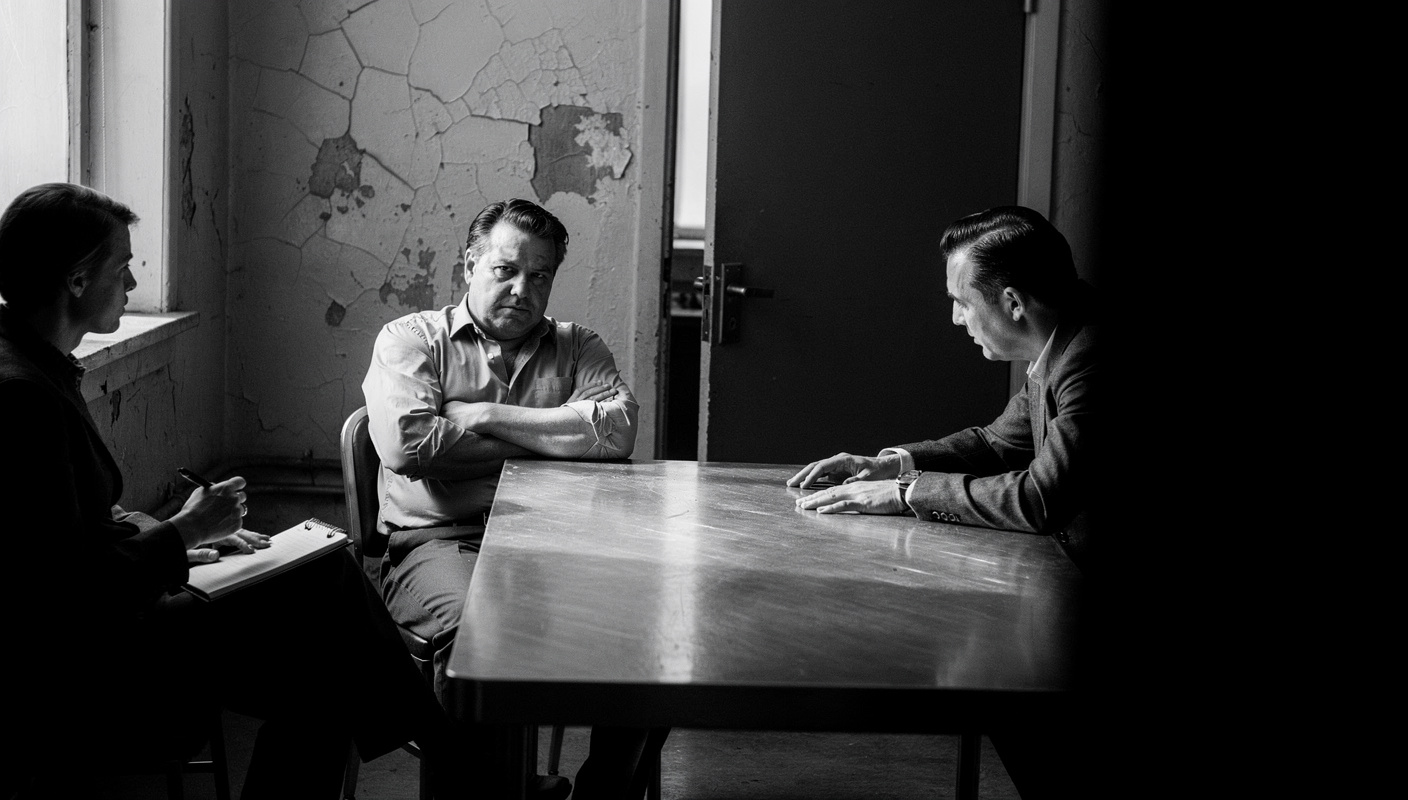
Separate conversations before any joint session. You cannot ask people to expose their real needs in front of someone they are in conflict with until you have built enough trust privately. Every mediation I have run that failed started with both parties in the same room before either felt heard. Do the groundwork first.
The Six-Step Process for Uncovering Real Interests
This is the sequence I use. Follow it in order. Each step creates the conditions the next one needs.
1. Open with a contract, not a conversation.
Before anything else, establish what this conversation is and what it is not. Tell both parties separately: "My job is to help you both understand each other well enough to find a solution. I am not here to judge who is right. I am not going to report what you tell me to anyone without your agreement."
This removes the performance pressure. People stop preparing their case and start thinking about what they actually need.
2. Ask each person to tell their story without interruption.
In your individual sessions, say: "Tell me what has been happening from your side. Take your time." Then be quiet. Fully quiet. No nodding to hurry them along, no filling silences.
Listen for the moments when emotion enters the voice. Those moments point toward the underlying interest. When someone's tone changes, that is where the real material is.
3. Reflect the content and name the feeling.
After they finish, reflect back what you heard, accurately and without judgment. Then name what you noticed emotionally. Not "you seem angry." Something more specific: "It sounds like you felt overlooked when that decision was made without you."
This step matters more than most people realise. When someone feels genuinely understood, they become curious rather than defensive. You are creating the psychological safety the next step depends on.
4. Ask the interest question directly.
This is the pivot. Once the person feels heard, ask: "What matters most to you about how this resolves?" Or: "If this ended well for you, what would be different about how things work?" Or simply: "Why does this particular outcome matter so much to you?"
Do not accept the position as the answer. If they restate their demand, ask again from a different angle: "And what would that give you?" You are not being difficult. You are doing the most important work in mediation.
A concrete example: a team member insists she must be included in every client meeting. Beneath that position, she needs to feel her expertise is valued and not bypassed. Those two things are not the same, and the second is far easier to address.
5. Build an interest map before the joint session.
After your individual conversations, write down each person's underlying interests, not their positions. Look for overlap. Look for compatible needs that the conflict obscured.
You will find, more often than not, that the two people share at least one interest. Both want the project to succeed. Both want to feel respected. Both want clarity about who decides what. That shared ground is where you begin the joint conversation.
For structured approaches to the joint session itself, the How to Use the D.E.A.L. Method to Resolve Conflicts That Are Fracturing Team Synergy framework pairs well with this interest-mapping step.
6. Facilitate the joint session around interests, not positions.
Open the joint session by naming the shared interests you identified, with both parties' permission. "Both of you have told me that you want this project to land well and that you want clearer boundaries around decisions. That seems like a strong place to start."
Then invite each person to speak to their interests directly, not to argue their case. If someone reverts to a position, gently redirect: "I hear what you want. Help us understand why that matters to you." Protect the space. Keep pulling both people back to needs, not demands.
For managing the emotional temperature in this session, How to Resolve Interpersonal Tension Through Empathy gives you specific language for the moments when things start to heat up.
When the Setting Makes This Harder: Remote and Hybrid Teams
Underlying interests mediation in remote settings is harder, not impossible. The absence of body language costs you significant information. You cannot see someone's posture shift when they hit a nerve. You cannot read the glance exchanged across a table.
Compensate by slowing down. Ask more check-in questions: "How are you feeling about what we have just discussed?" Allow silence to sit longer than feels comfortable on a video call. People need processing time when they cannot read the room visually.
Always do the individual sessions by phone or video before any joint call. Never attempt the joint session first in a remote context. The risks are higher and the safety net is thinner.
Keep the joint session shorter than you would in person. Sixty to seventy-five minutes maximum. Video fatigue is real, and emotional conversations are more draining on screen. Schedule a follow-up rather than trying to resolve everything in one sitting.
For teams experiencing this tension regularly, How to Handle Conflict During Meetings offers practical approaches to managing disagreement in real-time group settings.
Where Mediators Get It Wrong
Three mistakes appear again and again. Each one is understandable. None of them is unfixable.
The mistake: Jumping to solutions before both parties feel heard.
Why it happens: Mediators want to relieve the tension. Moving toward resolution feels productive.
What to do instead: Stay in the exploration phase longer than is comfortable. Resist the pull toward problem-solving until you have a clear interest map.
The mistake: Treating the stated position as the real issue.
Why it happens: The position is what people present. It feels like the thing to address.
What to do instead: Treat every position as a clue. Ask the interest question at least twice before you accept what someone says they want as the full picture.
The mistake: Losing neutrality by visibly siding with the person who seems more reasonable.
Why it happens: One party often presents more calmly and logically. It is natural to find them more credible.
What to do instead: Name this tendency to yourself before the session. Deliberately seek the interest behind the position of the party who seems most difficult. That is usually where the most important information is.
Rebuilding trust after a mediation breaks down is its own challenge. How to Rebuild Trust After Unresolved Tension Has Damaged a Working Relationship gives you a path forward when the process has not gone cleanly.
If you want a framework for staying grounded in your own role during difficult sessions, How to Use the C.O.R.E. Framework to Stay Grounded During a Tense Workplace Conversation is worth reading before you take on a complex case.
Your Pre-Session Mediation Checklist
Use this before every mediation conversation. It takes five minutes and prevents the most common failures.
Before individual sessions:
- Confirm your neutrality: do you have any stake in the outcome? If yes, name it and consider whether you are the right person.
- Prepare your opening contract statement, including confidentiality boundaries.
- Write down both parties' stated positions so you can consciously set them aside.
During individual sessions: 4. Ask the interest question at least twice per person. 5. Note every moment when emotional tone shifts. Mark those as interest indicators. 6. Reflect content and name feeling before moving to questions.
Before the joint session: 7. Write the interest map: each person's real needs, separately listed. 8. Identify at least one point of shared interest to open with. 9. Prepare a redirect phrase for when someone reverts to their position: "I hear what you want. Help us understand why it matters."
During the joint session: 10. Open with shared interests, not with the conflict history. 11. Protect speaking time equally. If one person dominates, name it gently and redirect. 12. Close by summarising agreements in terms of interests met, not concessions made.
For additional structure in de-escalating tension before a formal mediation session becomes necessary, How to Use the D.E.A.L. Method to Resolve Workplace Tension Before It Escalates gives you an early intervention tool worth keeping close.
The Truth of What You Are Actually Doing
Here is the thing I return to after sixty years of watching conflicts resolve and fail to resolve. People do not need you to fix their problem. They need someone to help them hear each other clearly enough to fix it themselves. That is the whole of underlying interests mediation.
When you ask the interest question, you are not being clever. You are treating the person in front of you as someone whose needs are real and worth understanding. That respect, extended consistently and without judgment, is what creates the conditions for resolution. The process matters. The steps matter. But the ground they grow from is the genuine belief that what both people need is worth finding out.
The next time you face a conflict that has hardened around two entrenched positions, do not try to split the difference. Ask what is underneath. You will be surprised how often two incompatible demands turn out to be two compatible needs in poor disguise.
Frequently Asked Questions (FAQ)
What is underlying interests mediation?
Underlying interests mediation is a conflict resolution approach that moves past the positions people state and explores what they genuinely need. It treats demands as symptoms and needs as the root cause, helping disputants find agreements that actually hold.
How do you identify underlying interests in a conflict?
You identify underlying interests by asking open-ended questions about why a position matters to someone, not just what the position is. Listen for concerns about fairness, security, recognition, or workload. These are the real drivers beneath the stated demand.
Why do people argue positions instead of interests?
People argue positions because positions feel concrete and defensible. Sharing a deeper need feels risky and vulnerable. Without a skilled mediator to create psychological safety, most people will hold their position rather than expose the fear or need underneath it.
What questions reveal underlying interests in mediation?
Ask: What matters most to you about this outcome? What would happen if things stayed as they are? What would a good resolution look like for you? These open-ended questions invite the person to move from their position toward the need driving it.
How is underlying interests mediation different from standard negotiation?
Standard negotiation often focuses on splitting the difference between two positions. Underlying interests mediation reframes the conversation around shared or compatible needs, which frequently reveals solutions that neither party considered when they were locked in a positional argument.
Can underlying interests mediation work in remote or hybrid teams?
Yes, but it requires more deliberate structure. In remote settings, conduct interest-exploration conversations privately before any group session. The absence of body language makes it harder to read emotional cues, so ask more check-in questions and allow more processing time.