
In Short
Restorative justice mediation focuses on repairing harm, not assigning blame. When you bring structure to this process, you give people a real path from injury to accountability to repair.
- The mediator's job is to hold space for truth, not to arbitrate a winner.
- These frameworks only work when participation is genuinely voluntary.
- The goal is a relationship the parties can live with after the process ends.
Restorative justice mediation is a structured dialogue process that brings people affected by a conflict or harm together to speak honestly, hear one another, and agree on how to repair the damage. It prioritises accountability, needs, and relationship over judgment and sanction.
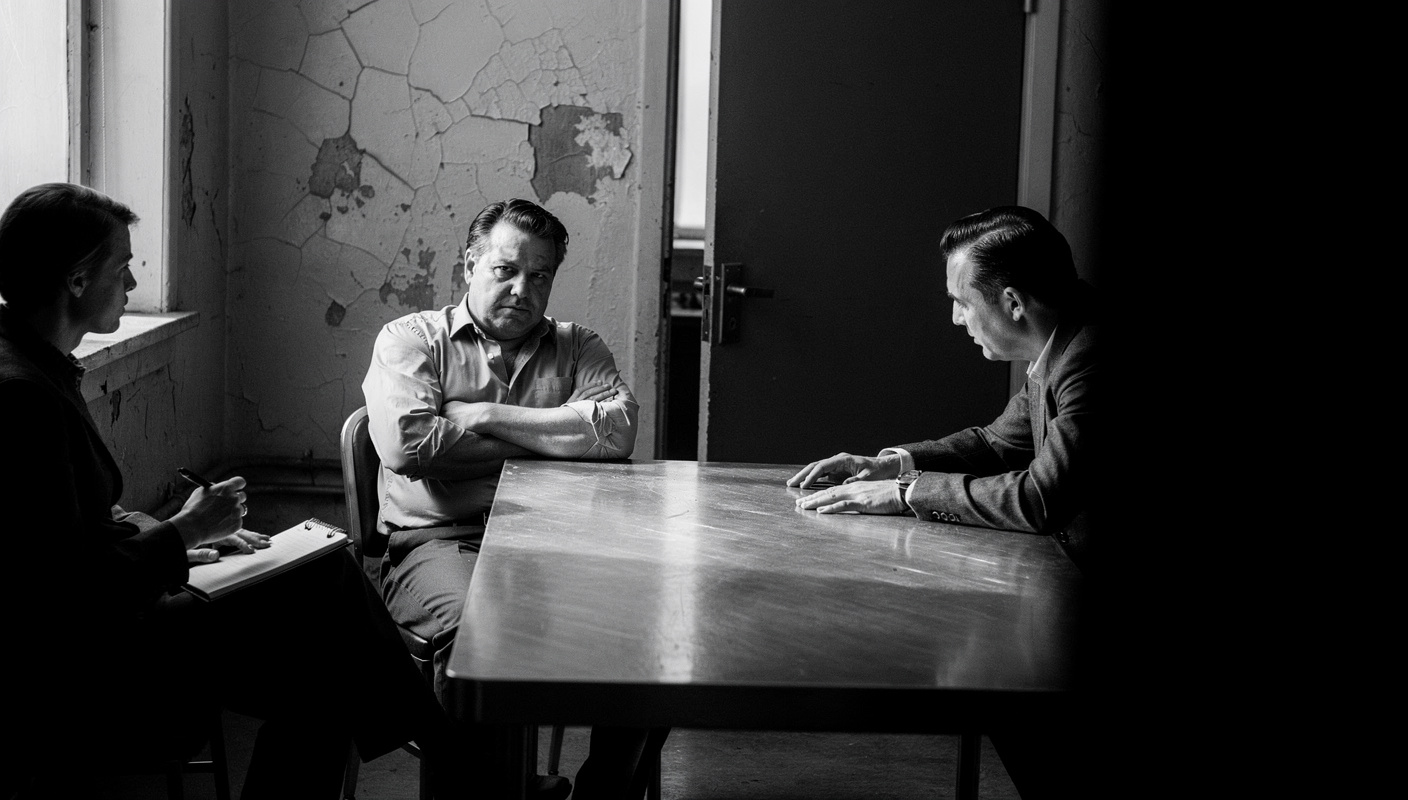
I have seen a mediator walk into a room full of good intentions and make everything worse. Not through malice. Through the absence of structure. Two people sitting across from each other with unaddressed harm between them, no clear process, and a mediator who believed that creating space for feelings would be enough. By the end of the session, the person who had been hurt felt silenced, and the person who had caused the harm felt attacked. Nothing was repaired. The relationship ended.
Restorative justice mediation offers a different path. It gives both parties a structured way to move from harm through acknowledgement toward something that actually holds. But the principles alone will not carry you. You need a framework to make them work under pressure, because pressure is exactly what you will face in that room. This article gives you five frameworks built on restorative principles, a guide for choosing between them, and an honest account of where mediators go wrong.
What Restorative Justice Actually Demands of a Mediator
Restorative practice is not a softer version of mediation. It asks more, not less. You are not here to split the difference or find a compromise that lets everyone leave feeling neutral. You are asking people to look directly at harm, name it, and take responsibility for it. That requires courage from every person in the room, including you.
The shift in focus is the first thing to grasp. Standard mediation often works from positions: what each party wants, what they will accept, where the line is. Restorative justice mediation works from needs: what harm was caused, who was affected, what those people need to move forward, and what accountability looks like in practice. If you try to apply restorative principles while still working from a positional negotiation model, you will pull in two directions and get nowhere.
The second demand is voluntary participation. Every framework below fails without it. A person compelled to sit in a restorative process will comply without engaging, and compliance without engagement produces nothing of value. Confirm willingness before you begin. Confirm it again at the start of the session.
"The Conversation You're Avoiding Is the One You Need to Have."
"The Conversation You're Avoiding
Is the One You Need to Have."
Stop rehearsing conversations you'll never have. Say It Right Every Time gives you 115 word-for-word scripts and 16 proven frameworks to speak with confidence in every conversation that matters.
Framework 1: The Restorative Questions Framework
What it is: A structured set of questions that guides each party through the experience of harm from their own perspective, without the mediator directing the narrative.
Designed for: Opening sessions where neither party has yet named the harm clearly. This framework creates the shared understanding that everything else depends on.
How it works:
- Ask the person who caused harm: "What happened? What were you thinking at the time? Who do you think has been affected, and how?"
- Ask the person who was harmed: "What was your reaction when this happened? What has been the hardest part for you? What do you need to feel that this has been addressed?"
- Ask both parties together: "What needs to happen now to put this right as much as possible?"
Each question moves the conversation one step further toward accountability and repair. The mediator does not editorialize. You ask, listen, and reflect back what you heard before moving to the next question.
When to use it: At the opening of any restorative session, regardless of the severity of the conflict. It is the foundation, not the solution.
When not to use it: When either party is still too activated to hear the other. If someone is shaking with anger or barely holding back tears, pause and regulate the room before you proceed.
Quick example: Two colleagues, one of whom excluded the other from a key project meeting without explanation. The excluded colleague felt publicly undermined. Using this framework, the mediator first asks the person who caused the harm to describe what happened and who was affected. The person says, out loud, "I did not think about how it would land. I can see now that it felt like I was cutting her out deliberately." That moment of naming is the turning point.
Eamon's note: The questions feel simple. Do not let that fool you. Asking "who has been affected and how" requires the person who caused harm to step into someone else's experience. That is one of the hardest things a human being can do. Give it the time it needs.
Framework 2: The Circle Process
What it is: A structured dialogue format using a talking piece, a defined opening, and a round-by-round format that gives every person equal speaking time and equal weight.
Designed for: Situations involving more than two parties, where power imbalances exist, or where a team or community has been fractured rather than just two individuals.
How it works:
- Open the circle with a brief centering question unrelated to the conflict, such as "Tell us your name and one word for how you are feeling right now." This settles the room and humanises everyone present.
- Introduce the talking piece. Only the person holding it speaks. Everyone else listens. This is not a rule to impose; it is a gift to the quieter people in the room.
- Pass the talking piece for the first round: "Share what happened from your point of view, without interruption."
- Pass it for the second round: "Share what impact this had on you or on the team."
- Pass it for the third round: "Share what you need to move forward."
- Close with an agreement round: each person names one concrete action they commit to.
When to use it: Team conflicts, community settings, or any mediation where multiple voices have been silenced by the loudest one in the room. It works well for conflicts involving unmet needs that have fractured a team's working relationships.
When not to use it: One-on-one sessions, or when the group is too large to allow genuine dialogue. Beyond eight or ten people, circles lose their intimacy and become performances.
Quick example: A team of six, divided after one member accused another of taking credit for shared work. The mediator runs a circle. By the third round, three people who had stayed silent for weeks name their own experience. The conversation shifts from a binary dispute to a shared reckoning with how the team had let an unhealthy dynamic grow unaddressed.
Eamon's note: The talking piece does more work than you expect. People stop performing for the mediator and start speaking to one another. That shift is everything.
Framework 3: The DEAL Method Applied Restoratively
What it is: A four-stage mediation structure, Define, Explore, Act, Land, adapted to carry restorative principles at each stage rather than moving directly toward settlement.
Designed for: Workplace conflicts where there is both a relational harm and a practical dispute to resolve, and where the parties need to reach an agreement they can live with professionally.
How it works:
- Define: Name the harm specifically, not the positions. "What happened, and what damage did it cause?" not "What do you each want?"
- Explore: Give each person uninterrupted time to describe the impact on them. The mediator reflects, not redirects. This is where restorative questions integrate with the model.
- Act: Collaboratively identify what repair looks like. The mediator asks, "What would need to happen for you to feel that this has been addressed?" Both parties contribute to the answer.
- Land: Agree on specific, observable actions. Not "we will communicate better" but "we will hold a ten-minute check-in every Monday."
When to use it: When the conflict has both emotional and practical dimensions and when the parties have an ongoing professional relationship that must continue functioning. This framework also pairs well with the D.E.A.L. method for resolving tensions before they escalate.
When not to use it: Where one party has no intention of continuing the relationship. If someone is leaving the organisation, a full restorative process through to landing an ongoing agreement may not serve anyone.
Quick example: A line manager and a direct report, where the manager's repeated last-minute changes destroyed the employee's work and confidence. Using DEAL restoratively, the Explore stage surfaces that the employee felt their judgment was never trusted. The Act stage produces an agreement that the manager will give feedback on drafts rather than overriding finished work.
Eamon's note: The temptation at the Act stage is to rush to solutions before the Explore stage has done its work. I have made that mistake myself. If the harm has not been fully named, no agreement will hold.
Framework 4: Shuttle Mediation with Restorative Intent
What it is: A mediation format where the mediator moves between parties separately rather than bringing them face to face, carrying information, questions, and proposals between the rooms.
Designed for: Situations where direct dialogue is not yet safe, where there is a significant power imbalance, or where one party has experienced behaviour serious enough to make a shared session retraumatising rather than restorative.
How it works:
- Meet each party separately. Establish trust, confirm voluntary participation, and use the restorative questions framework within each private session.
- Carry the harm narrative, not the positions. When you move between rooms, bring what each person shared about impact and need, not what they want the other person to do or accept.
- Build toward a written acknowledgement. Ask the person who caused harm if they are willing to write or dictate a statement of accountability that the affected person can receive without a face-to-face meeting.
- Test repair proposals privately. Before bringing any agreement into a shared space, confirm separately that both parties consider it genuine and workable.
- Decide together whether a joint session is needed. Sometimes shuttle mediation produces enough repair that a joint session becomes a choice rather than a requirement.
When to use it: Serious workplace harm, significant power differences, or any situation where interpersonal tension has damaged the working relationship to the point where direct contact feels unsafe.
When not to use it: When both parties are ready and willing to meet directly. Shuttle mediation is a bridge, not a permanent structure. It should move toward direct dialogue wherever that is possible.
Quick example: A senior manager whose dismissive behaviour in meetings over eighteen months left a junior colleague anxious and withdrawn. Direct dialogue too soon would have silenced the junior colleague again. Shuttle sessions allowed her to name the harm fully and receive a written acknowledgement before any joint conversation took place.
Eamon's note: Shuttle mediation is sometimes dismissed as a lesser form of the process. I disagree. It is the form that keeps people safe long enough to repair something real.
Framework 5: The Reintegration Conference Model
What it is: A structured group conference that brings the person who caused harm, the person harmed, and their respective support people into a single facilitated conversation, moving through harm acknowledgement, impact, accountability, and agreement.
Designed for: Situations where the harm has affected not just two individuals but a wider network, and where reintegration into a team or community is the goal.
How it works:
- Prepare every participant individually before the conference. Use restorative questions in preparation sessions so no one is hearing the framework for the first time in the room.
- Open the conference with a clear statement of purpose: "We are here to address what happened, hear how it affected everyone present, and agree on what repair looks like."
- Give the floor to the person who caused harm to describe what happened in their own words.
- Invite each affected person to share the impact, one at a time, without interruption.
- Ask the support people to share what they observed and what they need.
- Move to the agreement: what will the person who caused harm do, and what support will the community provide for that to succeed?
When to use it: After a serious incident that has fractured a team, a community, or a set of close working relationships. This framework is also a natural fit for handling conflicts that are fracturing team synergy at a deeper level than a single conversation can address.
When not to use it: For minor disputes or where the harm is genuinely bilateral. Conferencing presupposes a clear direction of harm. If accountability sits on both sides, the circle process is more appropriate.
Quick example: A team leader who publicly humiliated a colleague in a meeting, causing ripple effects across the team. The conference included the team leader, the colleague, two witnesses, and the team leader's own manager as a support person. The team leader gave a full account, heard the impact from four people, and agreed to specific changes in how feedback would be given. The team stayed intact.
Eamon's note: This is the most demanding framework in this list, for the mediator and for every person in the room. Do not run a reintegration conference unless you have prepared thoroughly. The preparation is half the work.
Choosing the Right Framework for the Situation
Not every conflict calls for the same tool. Here is a quick guide to matching the framework to what you are actually facing.
| Situation | Best Framework |
|---|---|
| Opening any restorative session | Restorative Questions |
| Multi-party team conflict | Circle Process |
| Ongoing professional relationship with practical dispute | DEAL Applied Restoratively |
| Power imbalance or serious harm, direct dialogue not yet safe | Shuttle Mediation |
| Team fracture requiring reintegration | Reintegration Conference |
The guiding question is always: how much direct contact can these parties safely sustain right now? Start with less contact than you think is needed, and build toward more. The restorative questions framework slots into almost every other framework at the opening stage, so treat it as a foundation rather than a standalone choice.
When you are unsure, begin with shuttle work. It lets you assess readiness for direct dialogue without committing anyone to a room they are not ready for. You can always move toward a circle or a conference once safety is established. You cannot undo the damage of bringing people face to face before they are ready. For mediators working on staying grounded during tense conversations, the skill of reading readiness is worth practising separately.
Where Mediators Go Wrong with Restorative Principles
I want to be direct with you here, because these mistakes are common and the consequences are serious.
The mistake: Rushing to the agreement stage before the harm has been fully named.
Why it happens: Mediators are uncomfortable with pain in the room and move toward resolution too soon.
What to do instead: Stay in the Explore or impact phase until you hear the person who was harmed say something that sounds like relief, not just description.
The mistake: Treating the process as an investigation to determine who is right.
Why it happens: Mediators trained in adjudicative models bring that instinct with them.
What to do instead: Remind yourself before every session: your job is to hold the space, not to find the truth. Both experiences are real, even when they contradict each other.
The mistake: Allowing a dominant party to take over the speaking time in a circle or joint session.
Why it happens: The mediator hesitates to interrupt, afraid of appearing biased.
What to do instead: Interrupt firmly and neutrally. "Thank you. I want to make sure we hear from everyone equally. Let's hear from the other side now."
The mistake: Accepting a vague agreement because it felt like the conversation had gone well.
Why it happens: Emotional relief in the room is mistaken for resolution.
What to do instead: Before closing, test every agreement with "How will we know this is working in three months?" Vague intentions do not survive the first difficult week. For building the kind of empathy that makes agreements stick, see also how to resolve interpersonal tension through empathy.
Building Fluency with These Frameworks Over Time
You will not master these frameworks by reading about them. You will master them by using them, making mistakes, and reflecting on what happened. Here is a realistic plan for building that fluency.
Start with the restorative questions framework in every mediation you conduct, regardless of the complexity. Those three questions, practiced consistently, will sharpen your instinct for when harm has been genuinely named and when it is still sitting just below the surface.
When you feel ready, introduce the circle process for team conflicts. Run it with groups where the stakes are moderate before you use it in high-stakes situations. The talking piece, the rounds, the opening question: practice these until the structure is invisible and what remains is just honest human dialogue.
Keep a short written reflection after every session. Not a formal report; just two or three sentences. What shifted in the room? What did you do that helped? What did you do that got in the way? After six months of that practice, you will know more about your own mediation style than any training course can teach you. You can also deepen your preparation by understanding how to handle conflict as it erupts in a live setting, because mediators who can manage in-the-moment flare-ups carry that calmness into their formal sessions.
Frequently Asked Questions (FAQ)
What is restorative justice mediation?
Restorative justice mediation is a structured process that brings affected parties together to address harm directly, hear one another, and agree on how to repair the damage. It focuses on accountability and relationship repair rather than blame, punishment, or finding a technical winner.
How does restorative justice differ from standard workplace mediation?
Standard mediation often focuses on reaching a settlement or workable agreement between two positions. Restorative justice mediation goes further by addressing the harm itself, the needs of the person affected, and the accountability of the person who caused it, with the goal of genuine relational repair.
When should you use a restorative justice approach in mediation?
Use a restorative justice approach when there is a clear harm, when both parties are willing to engage voluntarily, and when the goal is to repair the relationship rather than simply end the dispute. It works best when the parties must continue working or living together after the process.
Can restorative justice mediation work in workplace conflicts?
Yes, restorative justice mediation works well in workplace settings when handled by a skilled mediator. It is particularly effective for conflicts involving broken trust, unfair treatment, or harm caused by one colleague to another, where ongoing working relationships make genuine repair a practical necessity.
What are the core principles of restorative justice in mediation?
The core principles are voluntary participation, direct acknowledgement of harm, focus on the needs of those affected, personal accountability without shame, and collaborative agreement on how to repair the damage. Structure and psychological safety are essential conditions for these principles to hold.
What should a mediator never do in a restorative justice process?
A mediator should never push a party to participate before they are ready, allow one person to be silenced or dominated, treat the process as a fact-finding exercise, or force an outcome. The mediator holds the space; they do not determine who is right or prescribe the repair.
Here is the truth of it. Restorative justice mediation is not a technique you apply from a distance. It asks you to stay present in rooms where the air is thick with hurt and the temptation to smooth things over is constant. The frameworks in this article give you structure when that pressure hits. But the structure only works if you trust it enough to hold it steady. Every time I have abandoned a framework early because the room felt better than it was, I have regretted it. Every time I have held the process, even when it was uncomfortable, something real has come through. Restorative justice mediation does not guarantee repair. It gives repair the best possible chance.