
In Short
When a child's wellbeing hangs in the background of an adult dispute, mediation skills must do double work: hold two people in conflict while keeping one small, voiceless life at the centre of every decision.
- A child's indirect stake changes the emotional weight of the room and requires a specific structure to manage it.
- Your neutrality is not passive. It is an active, constant discipline you must practise from the opening word to the signed agreement.
- The process below gives you a clear sequence so the weight of the moment does not collapse your method.
Child interests mediation is a structured conflict resolution process where a trained neutral helps disputing adults reach agreement on matters that will indirectly affect a minor child. The child does not participate, but their welfare functions as the central reference point for every decision made in the room.
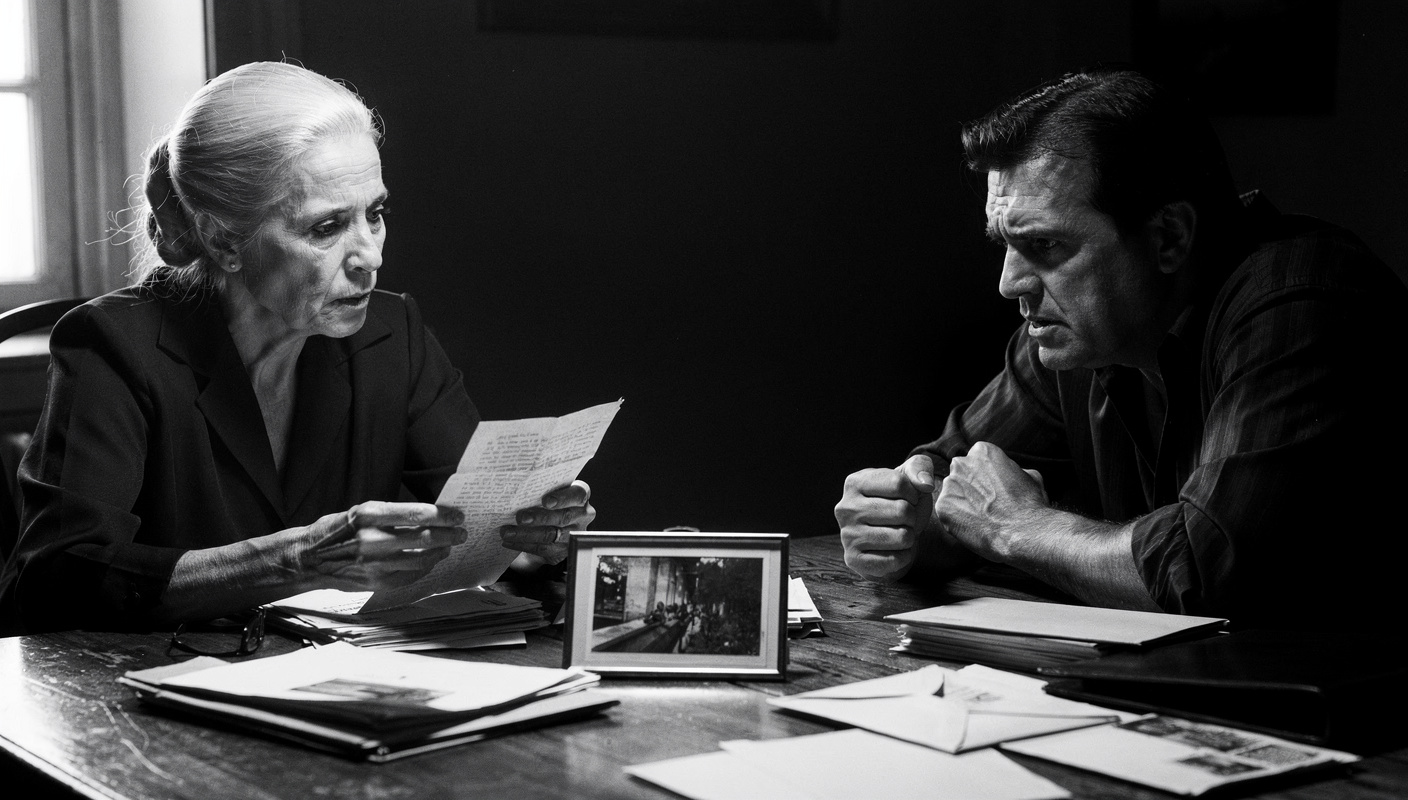
I sat in on a mediation once, years ago, where two adults spent forty minutes relitigating a three-year-old argument about money while a photograph of their daughter sat face-down on the table between them. Neither of them had turned it face-up. The mediator, a capable person in most rooms, had let the conversation drift so far from that child that by the hour mark, nobody was talking about her at all. The agreement they eventually signed fell apart in eleven weeks. I have thought about that photograph many times since.
Mediation skills are always demanding. But when a minor child's interests sit just off-stage, those skills face a particular kind of pressure. The adults in the room are in pain, and pain makes people fight for positions rather than outcomes. Your job is to hold steady when they cannot, and to keep one question alive in every exchange: what does this mean for the child who is not in this room?
This guide gives you a working process for exactly that situation.
Why This Type of Mediation Pulls the Floor from Under You
Most conflict resolution work asks you to help two parties find common ground. That is hard enough. Child interests mediation asks you to do that while managing a level of emotional charge that does not exist in workplace or commercial disputes.
Parents, grandparents, separated partners, and co-guardians bring grief, guilt, fear, and fury into the room. They are not performing these emotions. The emotions are real, and they are close to the surface. One poorly chosen word from you can collapse the session in minutes.
The second difficulty is role clarity. You are not a judge. You are not a child advocate. You are not a therapist. You are a mediator, and the moment you drift into any of those other roles, you lose the one thing that makes this process work: your neutrality. Staying inside your role when the room is screaming at you to take a side is the hardest discipline in this kind of work.
The third difficulty is the absent party. The child whose life will be shaped by what happens in this room has no voice in it. That absence creates a peculiar moral weight. It is easy for adults to speak for the child in ways that serve their own positions. Your process has to prevent that from happening without you becoming the child's advocate yourself.
If you have tried to manage this before and found yourself either captured by one party's story or paralysed by the emotional pressure, you are not weak. The room is genuinely hard. What you need is a stronger structure.
"The Conversation You're Avoiding Is the One You Need to Have."
"The Conversation You're Avoiding
Is the One You Need to Have."
Stop rehearsing conversations you'll never have. Say It Right Every Time gives you 115 word-for-word scripts and 16 proven frameworks to speak with confidence in every conversation that matters.
What Must Be in Place Before the First Session Begins
Do not walk into this mediation without completing three things first.
Conduct separate pre-mediation meetings with each party. This is not optional in child interests cases. You need to understand each person's position, their underlying interests, and the emotional temperature they are carrying before you put them in a room together. A pre-mediation meeting also gives you a chance to set expectations clearly: this is not a hearing, nobody is on trial, and the measure of any agreement is what serves the child.
Establish and confirm ground rules in writing. Both parties need to agree, before the first joint session, on how the mediation will run. One person speaks at a time. Personal attacks are not permitted. Either party may request a short break. You, as mediator, may call a caucus at any moment. These rules are not suggestions. They are the structure that keeps the session from becoming a fight.
Clarify your own scope. If there is any indication that the child is at direct risk, including from abuse, neglect, or exposure to violence, mediation is not the right process and you must say so clearly. Child interests mediation is for disputes where the child's stake is indirect: financial settlements, custody scheduling, property decisions, relocation disagreements. It is not a tool for managing safeguarding concerns. Know where that line is before you sit down.
The Six-Step Process for Child Interests Mediation
Step 1: Open with the child, not with the dispute
Begin every joint session by naming the child, by name if you have permission to do so, as the shared interest both parties bring to the table. Do not begin by asking people to state their positions. That immediately creates opposition.
Instead, say something like: "Before we talk about the specifics of what you each need, I want to start with what you both share. You are both here because you want the best outcome for [child's name]. That shared concern is the foundation of everything we do today."
This opening reframes the session from a contest into a collaboration, at least for the first few minutes. Those minutes matter. They set the emotional register of the room.
Step 2: Gather interests, not positions
Once you have established the shared concern for the child, invite each party to speak without interruption. Your job in this phase is to listen for the interest beneath the position. A position is "I want the house." An interest is "I need my son to stay in the same school district." These are very different things, and only one of them leads to a workable agreement.
Ask questions that draw out interests: "Help me understand what that would make possible for you." "What does a good outcome for your daughter actually look like in practice?" "What are you most concerned about if this goes the other way?"
Take notes. Reflect back what you hear. Make each party feel heard before you move to the other person. This is where resolving interpersonal tension through empathy becomes a specific mediation skill, not just a general virtue: your empathy is the tool that keeps people in their seats.
Step 3: Name the common ground out loud
Once both parties have spoken, you have material to work with. Identify two or three points where their interests overlap, even partially, and say them out loud.
"You both want [child's name] to feel secure in her routine. You both want to avoid a court process. You both want this resolved before September. Those three things are the foundation we are going to build on today."
This step does something practical: it gives both parties a reason to keep going when the conversation gets hard. Common ground, named clearly, becomes an anchor. When the session threatens to drift back into grievance, you can return to it: "We agreed earlier that you both want to avoid this going to court. Let's keep that in view."
Step 4: Work through the substantive issues one at a time
Do not try to solve everything at once. Break the dispute into its component parts and address them in sequence. Agree the sequence with both parties at the start of this phase. This gives people a sense of progress and prevents the session from becoming a shapeless argument.
For each issue, follow this pattern: state the issue neutrally, invite each party to speak to it, identify any overlap, and propose a possible direction without imposing it. Use language like: "One way to approach this might be..." or "Some people in this situation have found it helpful to..." This keeps you in the role of guide rather than decision-maker.
If one issue becomes a wall, note it and move to the next. Come back to the hard ones after you have built momentum on the easier ones.
Step 5: Use caucus when the room overheats
A caucus is a private meeting with one party while the other waits separately. It is one of the most powerful tools in child interests mediation, and many mediators underuse it because they worry it signals failure. It does not. It signals skill.
Call a caucus when emotional escalation is preventing rational exchange. Say simply: "I'd like to take a short break and speak with each of you separately for a few minutes. We'll come back together shortly."
In the caucus, do two things. First, give the person space to say what they cannot say in front of the other party. Second, work on reframing: help them see the other person's position in terms of interests rather than attacks. Then do the same with the other party.
This is where shuttle mediation becomes essential: you carry proposals between rooms, translating positions into interests on each pass, until the gap narrows enough for both parties to sit together again.
Step 6: Build the agreement with specificity
A vague agreement is not an agreement. It is a postponed argument.
When both parties have reached alignment on each issue, write the agreement in plain, specific language during the session, not after it. Read each clause aloud before moving to the next. Both parties must confirm, in the room, that each clause means what they think it means.
The agreement should name who does what, by when, and what happens if circumstances change. Include a review clause: a set date, six months or a year out, when both parties can return to assess how the agreement is working for the child. This is not a sign of weakness in the agreement. It is a recognition that children's needs change as they grow.
If you work with teams facing similarly complex disputes, the D.E.A.L. method for resolving conflicts that fracture group dynamics offers a complementary structure for the agreement-building phase.
When One Party Is Significantly More Powerful
Power imbalance is common in child interests mediation. One party may have more money, better legal representation, greater emotional control, or a stronger social network. The other may be frightened, isolated, or financially dependent.
Your role is not to compensate for the imbalance by favouring the weaker party. That is advocacy, not mediation, and it destroys your neutrality. Your role is to level the process, not the outcome.
Do this through structure. Give both parties equal floor time. Use separate caucus sessions so the quieter party can speak freely without the presence of someone who intimidates them. If one party consistently talks over the other, name it without blame: "Let's make sure we hear from both sides fully before we move on."
If the imbalance is severe enough that one party cannot meaningfully consent to any agreement, you have to consider whether mediation is the right process at all. Some disputes need a court. Knowing that, and saying it, is itself a mediation skill.
For more on staying grounded when conversations become charged, the C.O.R.E. framework for tense workplace conversations translates well to this setting, particularly the practice of returning to your stated purpose when the room pushes you toward reaction.
Where Mediators Go Wrong in These Sessions
The mistake: Letting one party's narrative dominate because it is more emotionally compelling. Why it happens: Pain is persuasive, and mediators are human beings. The person who cries hardest or speaks most fluently can unconsciously pull a mediator toward their corner. What to do instead: After each party speaks, actively search for the interest beneath the other party's position. Ask yourself: what does this person need that they are not saying clearly? Then ask them.
The mistake: Speaking for the child. Why it happens: The child's absence creates a vacuum. It feels responsible to fill it. What to do instead: Invite the parties to speak for the child together, not separately. "What do you think she would say she needs most right now?" asked of both parties simultaneously prevents the child's voice from becoming a weapon in one party's hands.
The mistake: Pushing for agreement too quickly because the session is hard. Why it happens: Emotional pressure in the room makes mediators want to resolve things and end the discomfort. What to do instead: Trust the process. A slow agreement that holds is worth ten times more than a fast one that collapses. If you feel yourself rushing, call a break.
The mistake: Failing to address what happens when the agreement breaks down. Why it happens: Both parties and the mediator are so relieved to reach agreement that nobody wants to introduce doubt. What to do instead: Build in the review clause and the dispute resolution mechanism before anyone signs. Frame it as preparation, not pessimism: "Life changes. Let's make sure this agreement can change with it."
Understanding how to rebuild trust after tension has damaged a relationship can also help you anticipate what both parties will need after they leave the room, particularly if co-parenting is part of the picture going forward.
Your Pre-Session Readiness Checklist
Use this before every child interests mediation session. Each item is a condition, not a box to tick quickly.
- Pre-mediation meetings completed with both parties separately, and both parties understand the process and their role in it.
- Ground rules agreed and confirmed in writing by both parties before the joint session begins.
- Scope confirmed: the child's stake is indirect, and there are no unresolved safeguarding concerns that make mediation inappropriate.
- You know the child's name, age, and the specific ways this dispute affects their daily life.
- You have identified, from the pre-mediation meetings, at least two areas of potential common ground between the parties.
- You have identified the likely flashpoints: the specific issues or phrases most likely to escalate the session.
- You have a clear plan for when to call a caucus and how to explain it without either party feeling singled out.
- The agreement template is ready, with space for specific clauses and a built-in review date.
- You have confirmed any referral contacts: legal advisors, family support services, or child welfare resources you may need to recommend if the mediation surfaces concerns beyond your scope.
For sessions where the dispute has been simmering for months, the D.E.A.L. method for de-escalating workplace tension offers a useful lens for reading the emotional temperature of each party before you bring them into the same room. And if conflict has already broken into the open between sessions, the principles in how to handle conflict during meetings apply directly to managing live eruptions.
Carrying the Weight Without Being Crushed by It
There is a particular kind of tiredness that comes after a session like this. You have held two people in pain, kept a child's wellbeing at the centre, and made hundreds of small decisions about when to speak, when to wait, and when to step in. That tiredness is not weakness. It is the cost of doing this work with real care.
The mediator who walked away from that session I described at the beginning, the one with the face-down photograph, was not a bad person. She was a skilled communicator who did not have a strong enough structure for the specific weight of this kind of room. Structure is what makes care sustainable.
Child interests mediation demands the full range of your skills: active listening, reframing, de-escalation, caucus management, and precise agreement drafting. It asks you to trust that a disciplined process can hold what feels like it should collapse. In my experience, over many years of watching people try to navigate these rooms, the method outlined here does hold. Not because it is elegant. Because it is honest about what the work actually requires.
Take the checklist into your next session. Trust the structure. Keep the child at the centre of every decision, and let the process carry what you cannot carry alone. That is what strong child interests mediation looks like in practice.
Frequently Asked Questions (FAQ)
What is child interests mediation?
Child interests mediation is a structured dispute resolution process where a neutral third party helps adults resolve a conflict that will indirectly affect a minor child. The child is not present, but their welfare shapes every decision the mediator makes and every agreement the parties reach.
How do you stay neutral in a mediation involving a child?
You stay neutral by focusing on outcomes, not on who is right. Name the child as a shared interest both parties hold, not as a weapon either side can use. When emotions spike, redirect the conversation to the practical impact on the child rather than the grievance between the adults.
When should a mediator pause or end a child interests mediation session?
Pause the session when one party becomes unable to engage rationally, when threats are made, or when new information emerges that suggests the child may be at direct risk. A short caucus often recovers a session. End it entirely if safety is in question.
How do you handle a power imbalance in mediation when a child is involved?
Acknowledge the imbalance without naming blame. Use separate caucus sessions to give each party space to speak freely. Set ground rules at the start that give each person equal floor time. Your job is to level the playing field, not to compensate for it by favouring the weaker party.
What should a mediation agreement include when a child is indirectly affected?
It should include specific, measurable commitments rather than vague intentions. Name who does what, by when, and how disputes about the agreement will be handled. Include a review clause so both parties can return if circumstances change. Vague agreements collapse the moment life gets complicated.
How is shuttle mediation used when child interests are at stake?
Shuttle mediation keeps the parties in separate rooms while the mediator carries proposals between them. It works well when direct contact inflames conflict rather than resolving it. The mediator translates positions into interests on each pass, gradually building an agreement neither party could reach face-to-face.