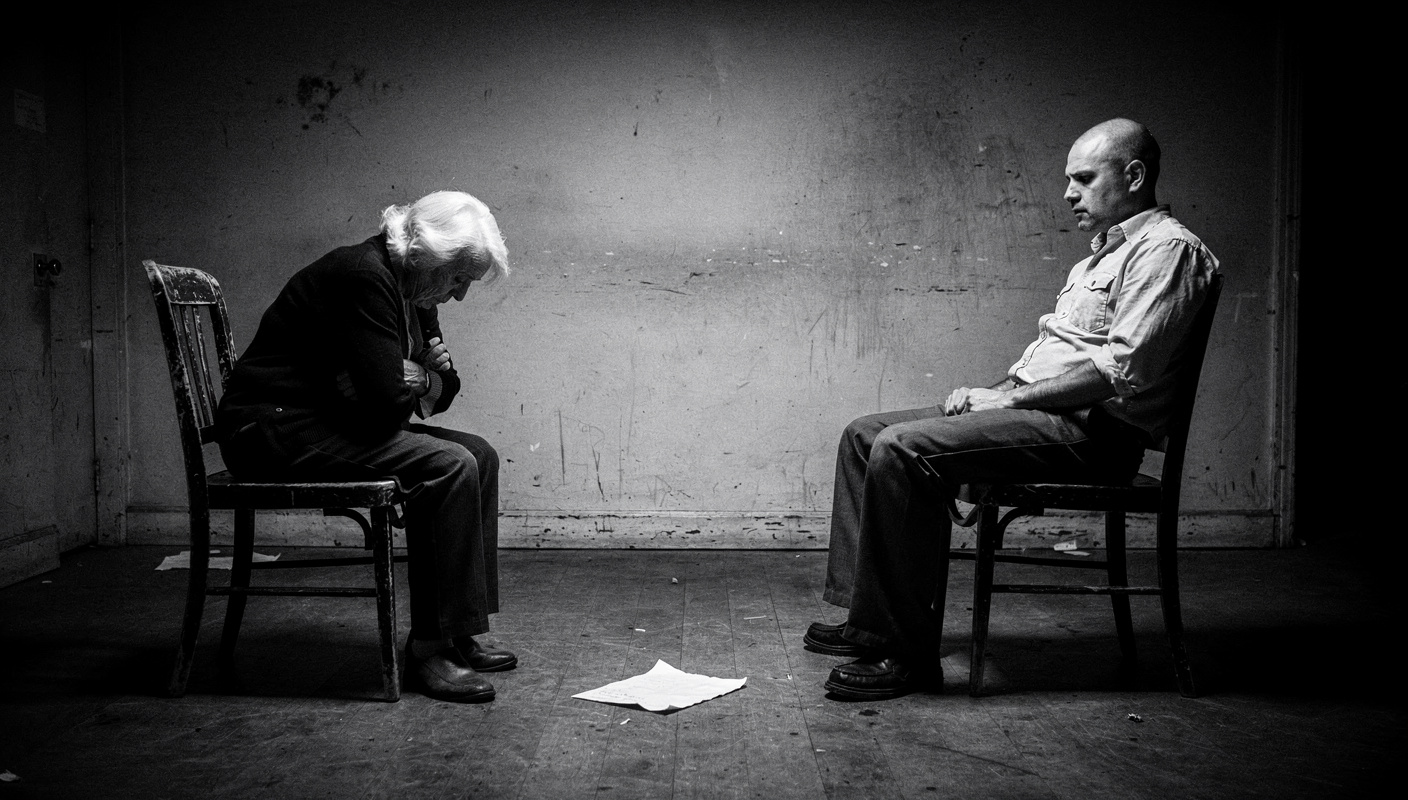

In Short
Silence in mediation is not empty space. It is one of the most direct tools you have for surfacing what people are really carrying into the room.
- A well-placed pause gives parties the processing time they need to move from position to interest.
- Holding silence without flinching is a skill that signals safety, not pressure.
- Most mediators fill the gaps too quickly and lose the very moment that would have changed everything.
Silence in mediation is the deliberate use of pauses during a session to give parties uninterrupted space to think, feel, and speak. Rather than filling conversational gaps, a skilled mediator holds the pause with intention, creating conditions where deeper truth and genuine movement become possible.
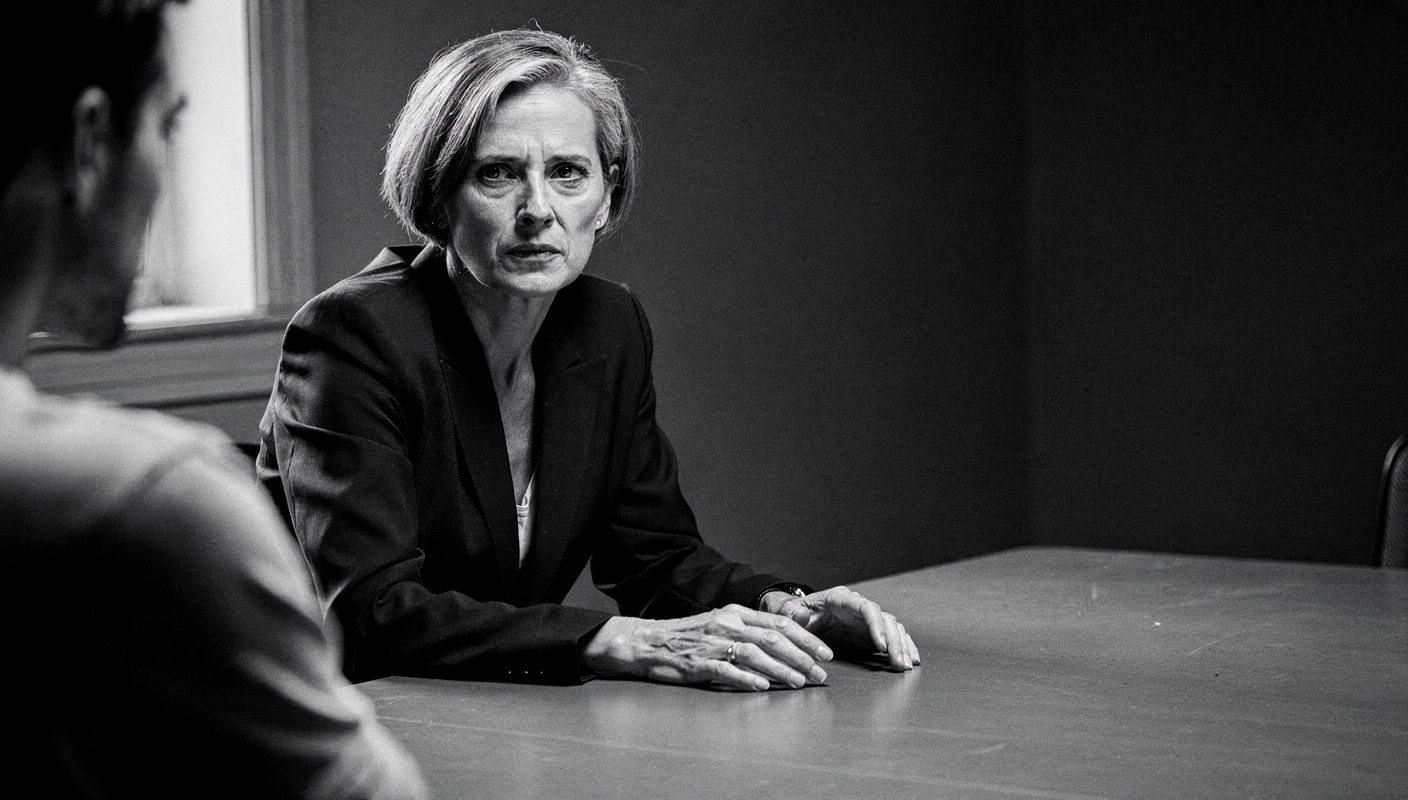
I watched a mediator lose a session in thirty seconds. Not through anything she said. Through what she could not stand not saying. Two colleagues sat across from each other, raw and exhausted after months of unspoken tension. One of them had just said something honest and painful. There was a pause. And the mediator filled it. She summarised. She restated. She kept the wheels turning when what was needed was for both people to sit inside that moment and feel the weight of it. The other party never got back to that level of honesty. The session resolved nothing.
Silence in mediation is one of the most misunderstood tools in this work. People think it means doing nothing. It means doing something very precise, with great stillness, at exactly the right time. This article gives you a working process for using strategic pauses in a mediation session. You will know when to hold silence, how long to hold it, what to do with your body while you wait, and how to read what a pause is revealing.
Why Holding Silence Feels So Unnatural in a Mediation Session
Most of us were trained, socially and professionally, to fill gaps. Silence in ordinary conversation signals awkwardness, confusion, or hostility. We reach for words the way a person reaches for a light switch in a dark room. This reflex is strong, and in mediation it works against you.
The mediator's role is not to keep conversation moving. It is to create the conditions where the real conversation can finally happen. Those conditions often require stillness. When someone has just said something true, or admitted something difficult, the next thirty seconds are not yours to fill. They belong to the room.
Silence also frightens mediators because it feels like a loss of control. You are sitting between two people who may be carrying weeks or months of accumulated frustration, and a pause can feel like a fuse burning. The truth is the opposite. A pause, held well, is the mediator's most direct act of control. It signals: this is a space where honesty is safe, and nothing needs to be rushed.
If you find yourself talking too much in sessions, or leaving sessions feeling vaguely dissatisfied without knowing why, this is almost always the place to look.
"The Conversation You're Avoiding Is the One You Need to Have."
"The Conversation You're Avoiding
Is the One You Need to Have."
Stop rehearsing conversations you'll never have. Say It Right Every Time gives you 115 word-for-word scripts and 16 proven frameworks to speak with confidence in every conversation that matters.
What Has to Be in Place Before You Introduce a Strategic Pause
You cannot use silence in mediation effectively until certain conditions are met. Without them, a pause does not create space. It creates threat.
The first condition is basic trust. Both parties need to believe you are neutral. If either person suspects you favour the other side, a silence from you will feel like judgment. They will fill it defensively, or shut down entirely. Spend the early part of any session building this trust through equal attention, equal eye contact, and equal tone.
The second condition is that you understand your own discomfort. Before you can hold a pause with confidence, you need to know how silence feels in your own body. Practice it outside sessions. Learn to recognise your personal threshold, the point at which you feel the urge to speak, and train yourself to wait three seconds past it. That extra three seconds is where the real material lives.
The third condition is physical composure. Your body communicates the meaning of a silence. If you look tense or uncertain during a pause, the parties will read the silence as a problem. Settle your hands, keep your breath slow, and hold steady eye contact. If you can do those three things, the silence will feel intentional to everyone in the room.
How to Use Silence Strategically: A Step-by-Step Process
Step 1: Establish the pace of the session early
Before you ever use a deliberate pause, establish a session rhythm that is slightly slower than normal conversation. Speak in measured sentences. Do not rush your opening remarks. When you summarise a party's position, take a breath before you continue. This primes both parties to experience pauses as normal and safe, rather than alarming.
If you open a session at a rushed, nervous pace, any silence you later introduce will feel jarring. Plant the seeds of stillness from the first minute.
Step 2: Listen past the last word
When a party stops speaking, do not start preparing your response. Keep listening. Watch the body. A person who has finished what they planned to say often settles back slightly. A person who has more to say, but stopped because they are unsure whether it is safe, will hold tension across the shoulders and around the jaw.
Your job is to notice the difference. Premature response cuts off the second and truer version of what they were about to say.
Step 3: Hold the post-statement pause
This is the most powerful pause in mediation, and the most underused. When someone finishes a significant statement, wait. Count silently to five. Hold eye contact. Keep your expression open and neutral, not sympathetic and not analytical. Just present.
Here is what this looks like in practice. A party says: "I feel like my work has been completely invisible for the past two years." You do not say, "That must be really frustrating." You hold the pause. More often than not, they will continue. "It started when the new team structure came in. Nobody consulted me." That second sentence is the one that matters. You would never have heard it if you had filled the first gap.
Step 4: Use silence after your own reflective questions
When you ask a question designed to shift a party's perspective, the silence that follows is doing the work. Do not undercut it.
A useful script: "If you could tell the other person one thing you genuinely need from this situation, what would it be?" Then stop. Do not add "Take your time" or "There is no wrong answer." Those additions signal that the silence is uncomfortable for you. Just ask the question and wait. The question is powerful. Give it room to land.
For related techniques on creating space in high-tension exchanges, the article on strategies for defusing heated conversations covers the full arc of how to bring temperature down before deeper reflection becomes possible.
Step 5: Redirect rather than rescue
When silence produces discomfort and a party reaches for deflection, such as a joke, a change of subject, or a direct appeal to you, do not rescue them. Deflection is information. It tells you the pause touched something real.
Hold your position for one more beat. Then redirect gently: "I noticed you stepped back from that. Is there more there for you?" This respects the discomfort without abandoning the moment that created it. The skills involved in how to handle conflict during meetings apply directly here: redirect without punishing.
Step 6: Break the silence with precision
Every silence must end. The question is not whether to break it, but how. When you do speak, your first words should either name what you observed or move the process forward with a specific question. They should not summarise what was already said.
Naming what you observed: "There seems to be something more behind that." Moving forward: "What matters most to you about how this gets resolved?" Both of these honour what the silence produced. Generic summaries close the space. These keep it open.
Step 7: Use silence to signal the close of a sub-topic
When a topic has been fully explored and it is time to move to the next, a pause serves as a natural close. You do not need to announce: "Right, let us move on." You can hold a beat, let the weight of what was just said settle, and then name the next area: "Let me ask you both about what a working resolution would need to include."
This use of silence gives the material dignity. It communicates that what was said mattered, and that you are not rushing past it. Both parties feel that.
Adapting This Process for Remote Mediation Sessions
Video-based mediation changes the physics of silence. The frame cuts off body language below the chest. Audio lags create false pauses that neither party interprets correctly. The natural rhythm of the room does not exist.
In remote sessions, you need to signal your silences rather than simply hold them. Before you introduce a deliberate pause, use a small visible gesture: a slow nod, a slight lean back, placing your hands flat on the desk. This tells the parties visually that the pause is intentional, not a technical fault.
Keep your pauses slightly shorter in remote sessions. Three to four seconds, not five to eight. The visual frame intensifies how silence is experienced. A five-second pause in a room becomes an eight-second pause on screen. Calibrate accordingly.
If one party starts speaking to fill the silence prematurely, do not let the session run on two competing streams. Calmly hold up one hand, palm forward, and say: "Hold on just a moment. I want to give this space." That gesture is visible in the frame. It works.
For more on managing dynamics when voices compete in a shared session, the article on how to deal with dominant voices in a discussion is worth your time.
Where Mediators Get This Wrong
The mistake: Filling the pause with empathy statements. Why it happens: It feels supportive. "That must be so hard" or "I hear how difficult that has been" seems like the right response to an emotional moment. What to do instead: Save empathy statements for the moments that genuinely require them. Dropping one into a loaded silence closes the space prematurely. The party was about to go somewhere important. Your empathy turned them toward you instead of inward.
The mistake: Breaking silence with a summary. Why it happens: Summarising feels productive. It shows you were listening. What to do instead: Reserve summaries for the end of a topic thread, not for the middle of a breakthrough. If someone just said something significant, your summary reduces it to a point on a list. Hold the pause, then redirect forward: "What else is true for you here?"
The mistake: Using silence only when the session feels comfortable. Why it happens: When things are tense, the instinct is to keep moving. Stopping feels dangerous. What to do instead: Tense moments are exactly when silence earns its place. A pause in the middle of escalation communicates: this is still a safe space, nothing is out of control, we can stay here. The article on how to de-escalate arguments during meetings addresses the broader de-escalation arc that this kind of pause supports.
The mistake: Holding silence without physical composure. Why it happens: The mediator is uncertain whether the silence is working and that uncertainty shows in the body. What to do instead: Before any session, spend sixty seconds in stillness. Breathe slowly, relax your hands, and feel what settled presence actually feels like in your body. That is the state you are recreating when you hold a pause. You cannot fake it, but you can practise it.
Your Pre-Session Silence Readiness Checklist
Use this before every mediation session. It takes three minutes and it will change how you hold the room.
Check your pace threshold. Sit quietly for thirty seconds. Notice when you first feel the urge to move or speak. That threshold is your baseline. Your goal in session is to consistently wait past it.
Set a pause target. Decide before the session begins that you will hold at least five deliberate pauses. Having a number makes it a practice, not a hope.
Prepare your body posture. Sit in the position you will use in the session. Hands resting comfortably, feet flat, shoulders back and down. This is the posture you will hold during every pause.
Prepare two bridging questions. Write two questions you can use to redirect a deflection if a party breaks the silence too early. For example: "I noticed you moved away from that. What was happening for you just then?" Having these ready means you will not scramble.
Remind yourself of the purpose. Silence is not passivity. It is the clearest signal you can send that this is a space where truth is safe and nothing will be rushed. You are not waiting. You are holding.
For broader preparation on staying steady during high-tension conversations, the C.O.R.E. framework for staying grounded in tense workplace conversations gives you a practical structure to build on.
The Discipline That Changes Everything
There is a moment in almost every mediation session where the real work becomes possible. It rarely announces itself. It arrives as a pause, a beat of stillness after something honest has been said. The mediator who fills that beat with words spends the rest of the session trying to find their way back to it. The mediator who holds it watches the whole room shift.
Learning to ensure every participant gets heard depends on exactly this capacity. Hearing someone is not the same as listening while they speak. It means giving their words the space to land. You do that with silence.
It takes courage to hold a pause when the room is loaded. It takes strength to resist the trained reflex to fill, explain, and smooth. But the mediators I respect most, the ones who consistently produce real resolution, are the ones who have mastered the art of doing nothing at precisely the right moment. That discipline is available to you. Practice it in your next session, one deliberate pause at a time. When you apply silence in mediation with this level of intention, you stop managing conversations and start transforming them.
The D.E.A.L. method for resolving workplace tension offers a complementary structure if you want a broader framework to sit alongside these pause techniques.
Frequently Asked Questions (FAQ)
What is silence in mediation?
Silence in mediation is the deliberate use of pauses by a mediator to give parties uninterrupted space to think, feel, and speak. Rather than filling gaps in conversation, the mediator holds the pause intentionally to allow deeper reflection and more honest responses to surface.
How do you use silence in mediation effectively?
Use silence after a party finishes speaking by waiting three to five seconds before responding. Hold steady eye contact and neutral body language during the pause. This signals that you expect more, and it often prompts the speaker to go deeper into what they actually feel or need.
Why does silence in mediation help resolve conflict?
Silence reduces the pressure to perform and gives people time to process emotion before speaking. It also signals respect. When someone feels genuinely heard and not rushed, they are far more likely to move from their stated position toward the underlying interest that is driving the conflict.
How long should a pause last in a mediation session?
Most strategic pauses last between three and eight seconds. Anything shorter can feel like normal conversation flow. Anything longer than ten seconds can tip into discomfort that derails the session. Read body language carefully. A person leaning forward slightly is still processing and the pause should hold.
What should a mediator do during a silence?
Maintain calm, open body language and steady eye contact. Do not look at your notes, shift in your seat, or break the pause with filler words like "okay" or "right." Breathe slowly. Your stillness communicates that the silence is safe and intentional, not awkward or judgmental.
Can silence in mediation backfire?
Yes, it can. Silence used too early in a session, before trust is established, can feel threatening rather than spacious. With a highly anxious party, an unbroken pause can spiral into defensiveness. Learn to read the room. If a person's body language closes off sharply, step in with a gentle bridging question.