
In Short
Humor in mediation is not about entertainment. It is a precision tool for releasing emotional pressure at moments when rational argument has stopped working.
- A well-timed light moment can lower defenses faster than any carefully constructed question.
- The risk is not humor itself; it is humor aimed at the wrong target, at the wrong time.
- Mediators who master this use it rarely, briefly, and always in service of the process.
Humor in mediation is the intentional or spontaneous use of lightness, levity, or gentle observation by a mediator to interrupt a cycle of escalating tension, creating a brief shared moment that lowers emotional defenses and makes genuine communication possible again.
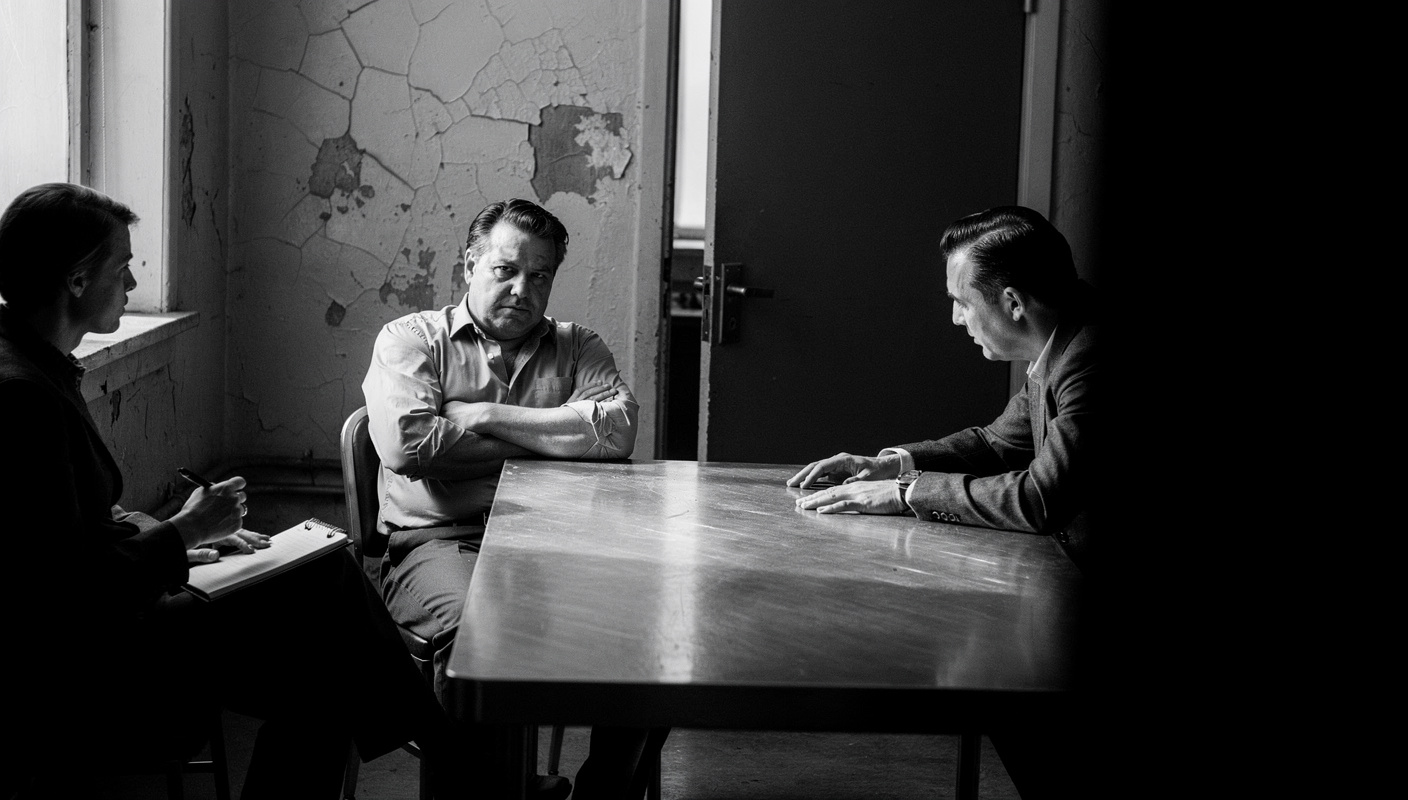
Most mediators learn early that logic does not always win the room. You can construct the clearest framework, ask the most neutral questions, and give both parties every opportunity to be heard, and still find yourself watching two people harden before your eyes. Something else is happening in those moments. Something that technique alone cannot reach.
The role of humor in mediation is one of the least discussed skills in conflict resolution, partly because it feels counterintuitive. Mediation is serious work. People come in hurting, or angry, or both. Bringing lightness into that room can feel disrespectful, even reckless. But in my sixty years of watching human beings try to talk to each other, I have seen a carefully placed moment of levity do what thirty minutes of structured dialogue could not: break the ice, restore a sense of shared humanity, and give both parties permission to breathe.
This article examines why that works, when it works, and what separates a mediator who uses humor skillfully from one who uses it badly.
Why Tension in Mediation Resists Logical Solutions
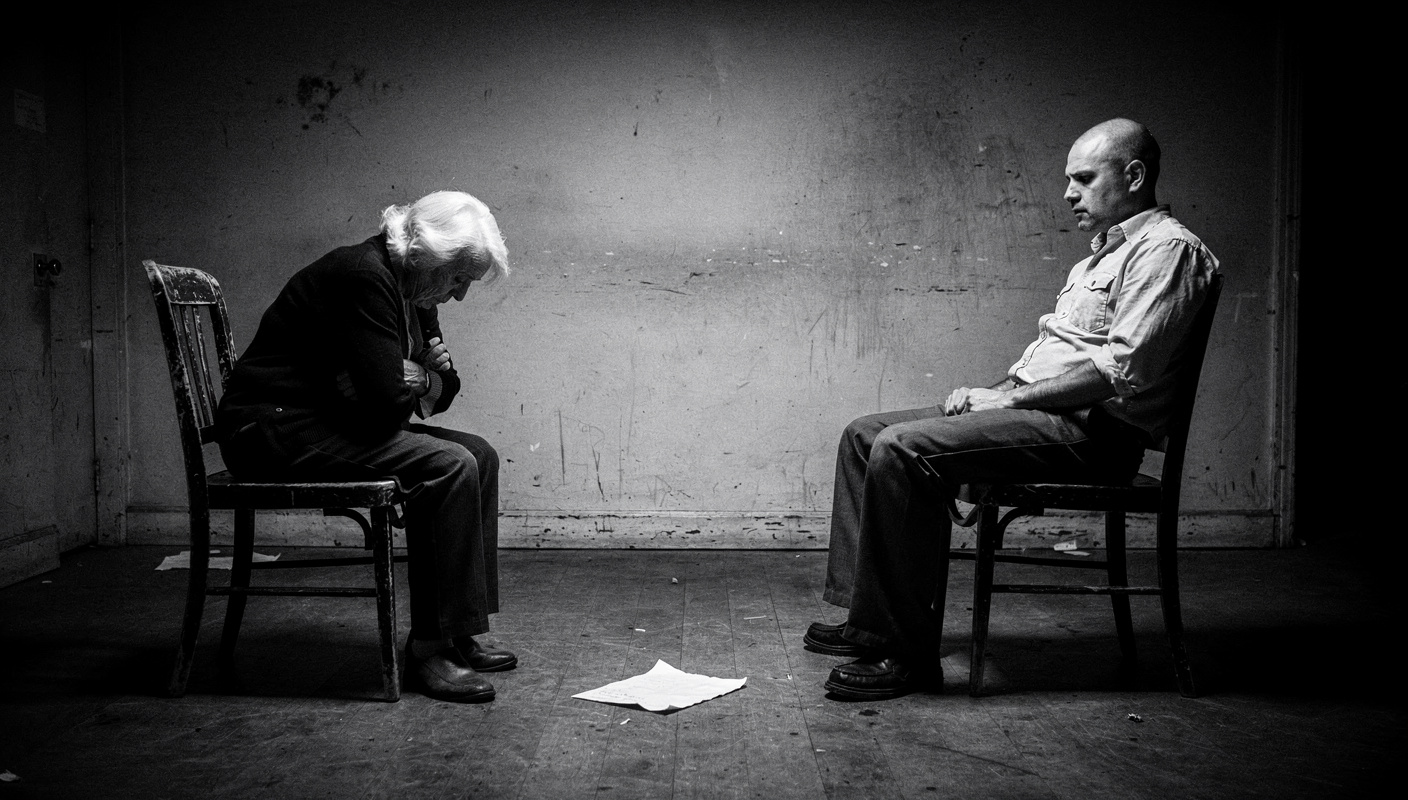
When two people arrive in a mediation room, they rarely arrive as their best selves. They arrive defended. They have been rehearsing their grievances, anticipating the other person's counterarguments, and preparing to protect themselves. That preparation is a form of armour, and armour is not easily removed by asking someone to "consider the other perspective."
The problem is neurological as much as it is psychological. When we feel threatened, our capacity to process nuance narrows. We hear confirmation of what we already believe, and we filter out the rest. A mediator who works only through structured dialogue is working against that state, pushing reason into a system that has temporarily deprioritised it.
This is where understanding how to defuse heated conversations matters deeply. Tension in mediation is not simply a communication problem. It is a physiological one. The body is preparing to fight or retreat, not to negotiate. Any mediator who ignores this reality will struggle to make lasting progress, no matter how skilled they are at facilitating dialogue.
"The Conversation You're Avoiding Is the One You Need to Have."
"The Conversation You're Avoiding
Is the One You Need to Have."
Stop rehearsing conversations you'll never have. Say It Right Every Time gives you 115 word-for-word scripts and 16 proven frameworks to speak with confidence in every conversation that matters.
The Mechanism Behind a Well-Timed Light Moment
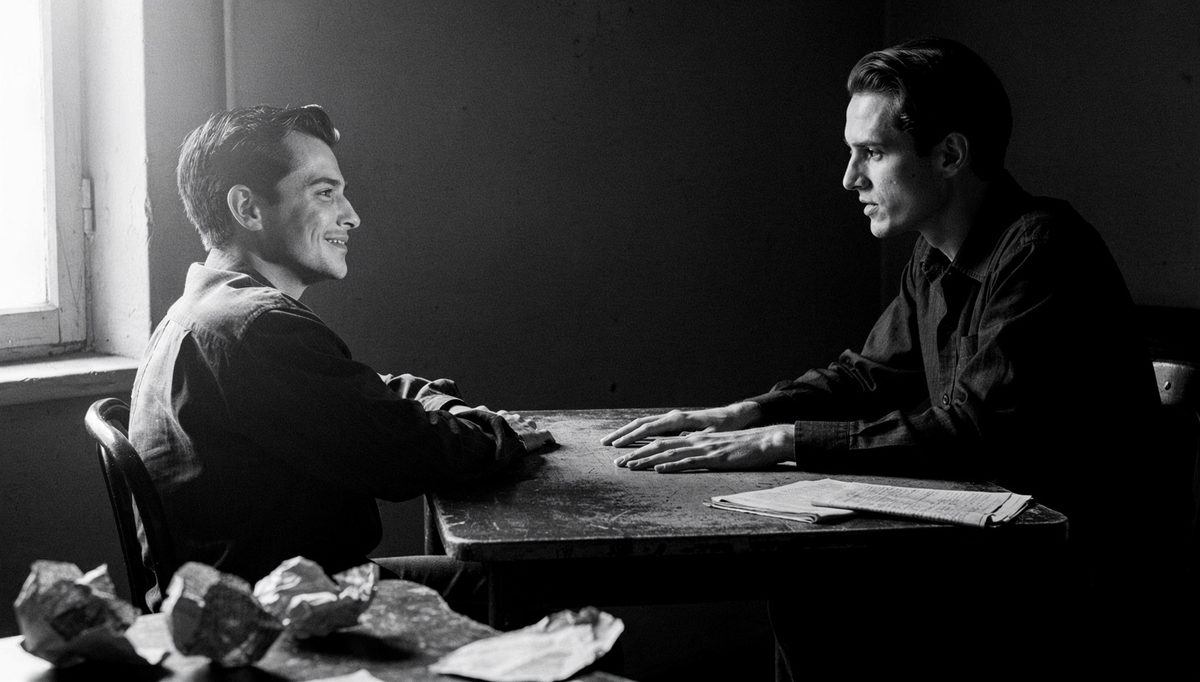
Here is the truth of it: laughter, or even a quiet smile, produces a momentary interruption in the cycle of tension. Not because it is pleasant, but because it is shared. For one brief moment, both parties experience the same thing at the same time. That experience of sameness, however small, is a form of connection. And connection, even a flicker of it, is the opposite of the adversarial stance both parties walked in with.
Think of it as a reset. The emotional temperature in a room does not fall gradually; it falls in drops. A light moment can be one of those drops. It does not resolve the underlying conflict. It does not replace the work. But it briefly widens the window through which two people can see each other as human rather than as opponents.
I watched this happen in a mediation between two colleagues who had not spoken directly in four months. The dispute was about credit for a shared project. Both were rigid, both were wounded. About forty minutes in, I described my own experience of once writing a report that I was so proud of, only to discover I had attributed half the conclusions to the wrong person. Not to make them laugh, exactly. To signal that I understood the particular humiliation of having your contribution misread. One of them smiled. The other noticed. Twenty seconds later, the conversation had shifted.
That is the mechanism. Not comedy. Not distraction. A human signal that disarms, briefly, the armour both parties came in wearing. If you want to understand the deeper psychology of how humor can ease workplace tension when used right, the principle is identical: shared humanity is the shortcut that pure logic cannot take.
When Lightness Works and When It Destroys the Process
Timing is everything. A light moment introduced too early, before both parties feel genuinely heard, will register as dismissiveness. It signals that the mediator is not taking the conflict seriously. That single misstep can cost you the trust you need to do the rest of the work.
The signal I look for is a plateau. When both parties have said their core piece, when the initial heat has peaked and the room is sitting in a kind of locked stalemate, that is when lightness has a chance to shift something. It is not the moment of highest emotion. It is the moment just after, when nothing is moving.
Target matters as much as timing. Humor in mediation must never aim at either party, even gently. It must never minimise a genuine grievance or invite one party to laugh at the other. The only safe targets are the situation itself, the absurdity of how two capable people ended up stuck, or the mediator. Self-deprecation from a mediator is one of the most powerful forms of lightness available, because it redistributes status downward. It says: I am not above this. Neither of you should feel small here.
If you are working to resolve interpersonal tension through empathy, humor can be understood as empathy in action. You are not just acknowledging how someone feels; you are joining them in the absurdity of the moment. That is a different kind of warmth, but it is warmth nonetheless.
What Skilled Mediators Actually Do in the Room
The mediators I respect most do not plan their light moments. They do not script them or rehearse them the night before. They stay present enough in the room to notice when the moment arrives, and courageous enough to take it.
What they do with that moment matters. They keep it brief. One comment, one light observation, one small acknowledgement of the ridiculous, and then they return immediately to the work. They do not chase the laugh. They do not prolong the ease. They use it as a door, step through it, and get back to business.
This discipline is worth studying, because the temptation is to stay in the lighter register once you find it. It feels easier there. But a mediator who uses humor to avoid discomfort is no longer serving the process; they are using it to manage their own anxiety. That is deflection, not skill. The distinction is in what happens immediately after the light moment. Does the mediator return to the hard work? Or do they keep finding reasons to stay in the easier space?
Tools like the C.O.R.E. framework for staying grounded during tense conversations and the D.E.A.L. method for resolving workplace tension before it escalates provide the structural backbone that a skilled mediator works from. Lightness operates within that structure. It is not a replacement for it.
The Reasons Most Mediators Get This Wrong
The most common mistake is confusing lightness with levity, and levity with inappropriateness. Mediators who have been trained to treat every session with formal gravity sometimes read any humor as a threat to their professionalism. They suppress natural moments of warmth because they have been told the room must remain serious. What they produce instead is a sterile process where both parties feel processed rather than heard.
The second mistake is using humor to fill silence. Silence in mediation is productive. It is where people process, where they find the words they actually mean. A mediator who reaches for a light comment every time the room goes quiet is interfering with that process, not serving it.
The third mistake is failing to read proportionality. A mediation involving genuine trauma, serious harm, or deeply raw grief is not the place for levity. The tool only applies in situations where tension is the primary obstacle, not where grief is. When you are handling conflict during meetings or working with dominant voices in a discussion, the emotional register is usually different from a formal mediation, but the principle of proportionality still holds.
Putting This into Practice as a Mediator
There are three things you can prepare, even though the moment itself cannot be scripted.
First, prepare your own ease. If you are anxious, the room will feel it. The confidence to use lightness at the right moment comes from being genuinely settled in yourself. Before a difficult mediation, build a simple grounding practice. It does not need to be elaborate. It needs to be real and consistent.
Second, practice self-deprecating observation in lower-stakes conversations. The skill of noticing the absurd and naming it lightly is a muscle. Use it in daily life so it is available to you in the room when you need it. The moment you reach for it in a mediation should feel natural, not performed.
Third, watch what happens after. The thirty seconds following a light moment will tell you whether it landed well or missed. If both parties ease slightly, if eye contact softens, if the next exchange has a fractionally different tone, the moment served its purpose. If one party stiffens or redirects with more heat, acknowledge the shift and return to structured listening immediately. Do not double down.
The courage to bring lightness into serious work is itself a form of respect. It says: I trust this process enough, and I trust you enough, to be fully human in this room with you. That is not a small thing to offer.
The Deeper Truth About Humor in Mediation
Humor in mediation is not a technique you add to your repertoire. It is a quality of presence you develop over time. It requires you to be relaxed enough to notice the human moments as they pass, and practiced enough to act on them without overthinking.
This much I know for certain: the mediations I have watched fail most completely were not undone by poor frameworks or bad questions. They were undone by two people who never, for a single moment, saw each other as human again. The process stayed technical from start to finish. Nothing breathed. Nothing shifted.
A single well-placed moment of lightness cannot guarantee resolution. But it can restore the basic condition that resolution requires: two people who are, at least for a moment, on the same side of something. That is not a small starting point. It is, in many ways, the only one that matters. Developing your instinct for when to use humor in mediation is some of the most quietly powerful work you can do as a practitioner.
Frequently Asked Questions (FAQ)
What is humor in mediation and how does it work?
Humor in mediation is the deliberate or spontaneous use of lightness to reduce emotional pressure between parties. It works by briefly interrupting the cycle of defensiveness, giving people a shared moment of humanity that makes returning to conversation feel safer and less threatening.
When is it appropriate to use humor during a mediation session?
Humor is appropriate when tension has plateaued and both parties are locked rather than actively escalating. It works best when it is self-directed or observational, never aimed at either party. The mediator reads body language and pacing to find the right opening for a light moment.
Can humor in mediation backfire and make things worse?
Yes. Humor that targets one party, minimises a genuine grievance, or arrives too early in the process can feel dismissive and destroy trust. The biggest risk is using humor to avoid discomfort rather than to genuinely release pressure. Timing and target are everything.
How does a mediator use lightness without losing credibility or control?
A skilled mediator keeps humor brief, neutral, and self-directed. It never lingers. One light comment, a pause, then a return to the work. Credibility comes from the seriousness of the mediator's intent, not from the absence of warmth. Lightness used well actually reinforces trust.
What is the difference between humor and deflection in a mediation context?
Humor in mediation opens space and invites both parties back to connection. Deflection uses lightness to sidestep a difficult moment the mediator wants to avoid. One serves the process; the other undermines it. The distinction lies in what happens immediately after the light moment.
How do I know if humor improved or harmed the mediation session?
Watch what happens in the thirty seconds after a light moment. If both parties ease their posture, make brief eye contact, or shift to a slightly softer tone, the humor served its purpose. If one or both parties stiffen, go quiet, or redirect with more anger, it missed the mark.