
In Short
Conflict does not strip leaders of their authority. Reacting without structure does.
- The D.E.A.L. method gives you a clear four-step process to resolve disputes while keeping your leadership voice steady.
- Each step moves the conversation from emotional reaction to structured problem-solving.
- Pair it with the right supporting frameworks and you will handle almost any conflict scenario with confidence.
The D.E.A.L. method is a four-step conflict resolution framework. Define the Issue, Explore Perspectives, Agree on a Solution, Lock in the Commitment, designed to help leaders turn chaotic disputes into structured, productive conversations without losing authority or composure.
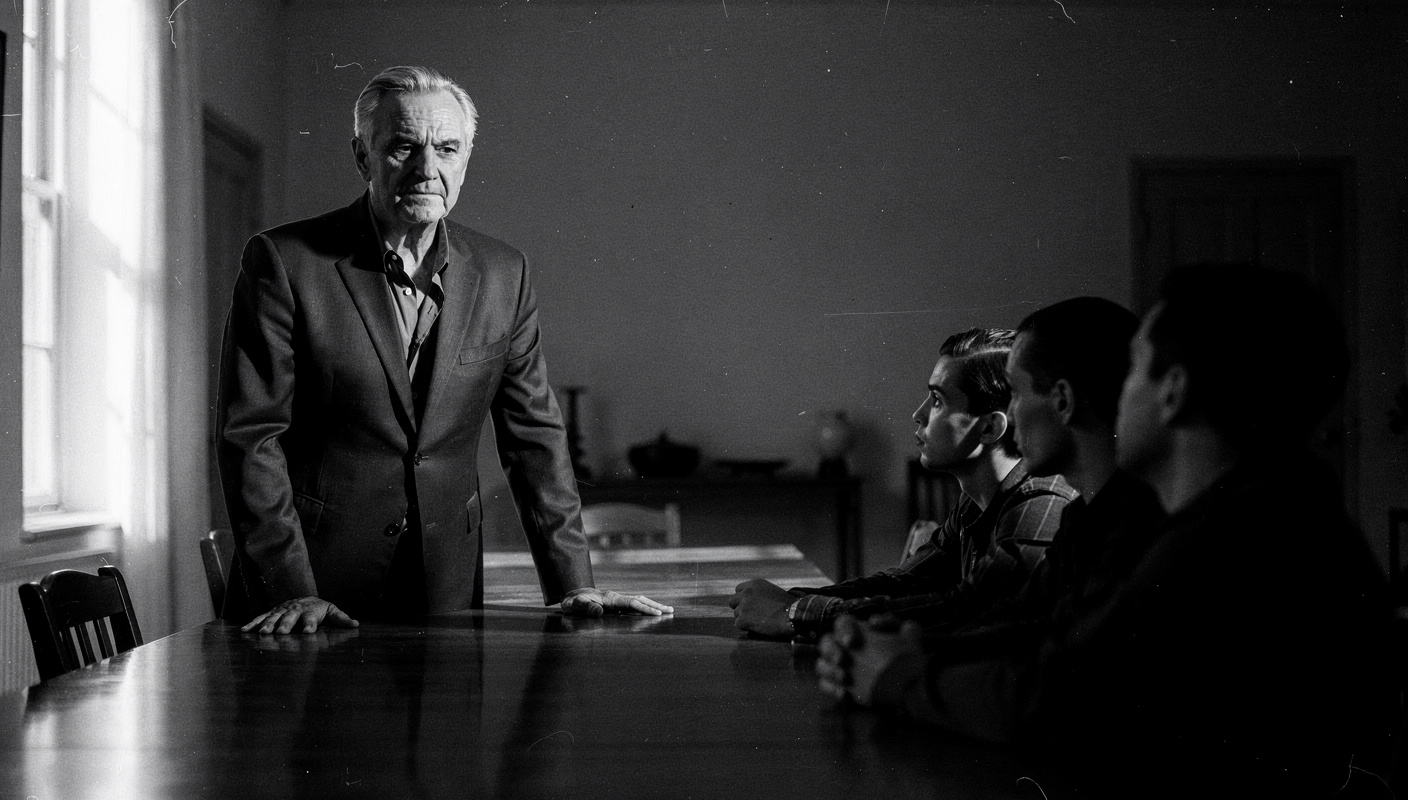
I watched a senior manager I respected enormously walk into a room to settle a conflict between two team members, and walk out twenty minutes later having made everything worse. He was not a bad leader. He was a good one who had no structure. The moment the two people started talking over each other, he started reacting rather than leading. By the end, he had taken sides, one employee had gone silent, and the original problem was still unsolved. His leadership voice, the calm authority that people trusted, had vanished the moment the pressure rose.
This is what happens without a framework. Good intentions collapse under emotional weight. The D.E.A.L. method exists precisely for this moment. In Say It Right Every Time, I introduce it as the structure that turns a chaotic emotional dispute into a problem-solving session. Chapter 9 of Say It Right Every Time lays out the full framework with the scripts and language to carry each step. What follows is the complete system, explained so you can apply it the next time a conflict lands on your desk.
What the D.E.A.L. Method Actually Does for Your Leadership Voice
Most leaders believe conflict resolution is about being fair. It is not only that. It is about staying in command of the conversation while creating space for resolution. These two things are not in tension. A clear process is what makes both possible at once.
The D.E.A.L. method does not ask you to suppress your authority. It channels it. Each step gives you a specific role: definer, listener, guide, closer. You are not a mediator who steps back. You are a leader who moves the conversation forward with purpose. The structure holds the emotional energy of the room so you do not have to absorb it personally.
As I write in Chapter 9, "Conflict is a form of energy. Left uncontrolled, it is destructive. But harnessed correctly, it is the most powerful engine for growth and innovation you have." The D.E.A.L. method is how you harness it.
"The Conversation You're Avoiding Is the One You Need to Have."
"The Conversation You're Avoiding
Is the One You Need to Have."
Stop rehearsing conversations you'll never have. Say It Right Every Time gives you 115 word-for-word scripts and 16 proven frameworks to speak with confidence in every conversation that matters.
The D.E.A.L. Method: All Four Steps Shown in Use
Step 1: Define the Issue
What it is: A neutral, specific statement of the problem, delivered by you, that names what is actually happening without assigning blame.
Why it matters: Most conflicts escalate because neither person can agree on what the dispute is actually about. You cut through that by naming the real issue clearly and cleanly. A neutral problem statement is not a softened version of one person's grievance. It is a factual description of the situation that both people can accept as the starting point.
In practice:
- Prepare one sentence that describes the observable problem. Not feelings. Not history. The specific, current situation.
- Open the conversation with it before anyone else speaks.
- Invite confirmation: "Is that a fair description of where things stand?"
Example: Two of your team members, Priya and Marcus, have stopped sharing project updates with each other, and deliverables are slipping. You open: "The situation we need to resolve is that project updates are not moving between the two of you, and that is affecting our deadlines. That is what we are here to fix."
When not to use this step as written: If the conflict involves a formal HR matter or a potential misconduct issue, do not attempt to define the issue yourself. That requires a different process entirely.
Eamon's note: The temptation here is to say something kind and cushioning before you get to the point. Resist it. When you name the issue cleanly and directly, you signal that you are in control of this conversation. That signal matters.
Step 2: Explore Perspectives
What it is: A structured listening phase where each person states their view, uninterrupted, while you hold the space.
Why it matters: Most people in conflict feel unheard. When someone feels unheard, their volume goes up, not their reasoning. Your job in this step is to create the conditions where each person feels genuinely heard, without you agreeing with either of them yet. I call this the journalist mindset: you are gathering information, not delivering a verdict.
In practice:
- Invite the first person to speak without interruption. Set the expectation explicitly: "I will ask you each to speak in turn. No interrupting."
- Listen for the unmet need beneath the stated position. The argument is rarely about what it appears to be about.
- Reflect back what you heard before moving to the second person: "So what you are saying is that you felt cut out of the decision. Is that right?"
- Repeat for the second person.
Example (continuing): Priya explains she sent three updates and received no response, so she stopped. Marcus says he never received them because they went to a shared inbox he was not monitoring. You reflect: "Priya, you were sending updates but got no acknowledgement, which felt like they were being ignored. Marcus, you were not seeing them because of an inbox issue, not because you were disengaged. Does that capture both positions?"
When not to use this step fully: If one person is visibly too activated to speak without attacking the other, pause. As I suggest in how to de-escalate arguments during meetings, a five-minute break before the Explore step can save the entire conversation.
Eamon's note: In 60 years, I have rarely seen a conflict that was not, at its core, two people with unmet needs. When you can see past the anger to the need underneath, you can find a solution that actually holds.
Step 3: Agree on a Solution
What it is: A collaborative phase where you guide both parties toward a resolution they both accept, not one you impose.
Why it matters: As I write in Say It Right Every Time, "A solution that is imposed on one person is not a solution. It is a temporary ceasefire." A ceasefire does not repair a working relationship. A genuine agreement, reached together, does. Your leadership voice is strongest here when you guide rather than dictate.
In practice:
- Summarise the shared problem in one sentence, drawing from what both parties said.
- Ask: "What would need to change for this to work for both of you?"
- Build toward a specific, behavioural solution. Not "communicate better." Something real: "Marcus will add the shared inbox to his daily check. Priya will copy Marcus directly on all project updates."
- Confirm both parties accept it before moving on.
Example (continuing): "So both of you were working in good faith, but the system let you down. What needs to change so this does not happen again?" Both agree: Marcus sets up a direct email rule. Priya adds a weekly verbal update in team check-in. You confirm: "We are agreed on both of those?"
When not to use this as a negotiation: If one person is objectively in the wrong, the solution is not co-created. You still listen in Step 2, but in Step 3 you state the required change clearly. How to handle conflict during meetings covers the distinction between resolution and correction.
Eamon's note: The most durable agreements I have seen were ones where both people felt they had been heard before the solution was built. Do not skip Step 2 to get here faster. You will pay for it.
Step 4: Lock in the Commitment
What it is: A specific, verbal, and ideally written commitment to the agreed actions, with a named follow-up.
Why it matters: A verbal agreement without accountability is not a commitment. It is a hope. I have watched too many leaders close a conflict conversation with a handshake and no plan, only to see the same dispute resurface three weeks later. Locking in the commitment transforms the agreement from a feeling into a structure.
In practice:
- State the agreed actions aloud, with the names of who does what.
- Set a specific date for a brief follow-up: "I will check in with both of you individually on Friday."
- If appropriate, put the agreement in a brief follow-up email. Three sentences is enough.
Example (concluding): "So to confirm: Marcus, you will set up the inbox redirect by end of day today. Priya, you will add the verbal update to Thursday check-ins starting this week. I will follow up with both of you Friday to see how it is working. Are we agreed?" Both confirm. You close.
When the commitment stalls: If one or both parties will not commit, do not move on. Name it: "I am not hearing a firm yes from you. What is in the way?" This keeps your leadership voice intact rather than letting vagueness swallow the resolution.
Eamon's note: The commitment step is where most leaders go soft. They are relieved the tension broke and they let the conversation drift to a close. Do not do that. The close is where your authority lands.
For situations specifically involving how to resolve disagreements about feedback at work, the Lock in step is especially important. Feedback disputes often resurface without a clear, documented commitment to change.
Two Supporting Frameworks Every Leader Needs Alongside D.E.A.L.
The D.E.A.L. method is your primary conflict resolution tool. But two other frameworks from Chapter 9 of Say It Right Every Time complete the system.
The B.R.I.D.G.E. Method: After the Conflict, Repair the Relationship
What it is: A six-step relationship repair framework: Begin with an Apology, Reaffirm the Relationship, Identify the Breakdown, Discuss New Expectations, Gain Agreement, Establish a Follow-up.
What it is designed for: D.E.A.L. resolves the active conflict. B.R.I.D.G.E. rebuilds the trust that the conflict eroded. A repaired relationship is often stronger than one that was never tested. But only if the repair is deliberate.
How it works:
- Begin with an Apology: Genuine, not defensive. "I want to apologise for how that conversation landed."
- Reaffirm the Relationship: "I value what we have built here, and I want to make sure we protect it."
- Identify the Breakdown: Name specifically what went wrong between you.
- Discuss New Expectations: What does each of you need going forward?
- Gain Agreement: Confirm the new expectations explicitly.
- Establish a Follow-up: A specific date to check in.
When to use it: After D.E.A.L. has resolved the immediate dispute, use B.R.I.D.G.E. in a separate conversation, usually 24 to 48 hours later, to rebuild the working relationship. If you try to do both in the same meeting, neither lands properly.
When not to use it: If the person you are repairing with was the source of misconduct, B.R.I.D.G.E. is not appropriate. This framework is for genuine mutual repair, not for absolving someone of accountability.
For situations involving two colleagues who refuse to cooperate, running B.R.I.D.G.E. with each person separately before bringing them back together can make the difference between lasting resolution and another flare-up.
Eamon's note: I have seen B.R.I.D.G.E. turn two people who could not stand each other into a genuinely effective pair. Not friends necessarily, but professionals who trusted each other. That is all a team needs.
The L.E.A.D. Method: Keeping Your Leadership Voice Through Every Step
What it is: A four-step framework for structuring leadership conversations: Listen First, Empathize, Articulate Your Vision, Define the Next Steps.
What it is designed for: L.E.A.D. is not a conflict resolution tool. It is a leadership conversation tool. It ensures that even in tense moments, you stay recognisable as a leader rather than becoming a participant in the conflict.
How it works:
- Listen First: Do not speak your position before you have heard theirs. Fully.
- Empathize: Acknowledge the emotion without endorsing the position. "I can see this has been frustrating for you."
- Articulate Your Vision: State clearly where you need the team or relationship to go. This is your leadership voice.
- Define the Next Steps: Close with specific, concrete actions.
When to use it: Run L.E.A.D. as your internal compass during Steps 2 and 3 of D.E.A.L. It keeps your tone grounded when the room is hot. The S.T.R.O.N.G. method for building synergy complements this approach in your wider leadership conversations.
When not to use it as a standalone: L.E.A.D. does not produce a commitment. Without combining it with D.E.A.L.'s Lock in step, conversations shaped by L.E.A.D. alone can end warmly but without resolution.
Eamon's note: The moment I started using L.E.A.D. as an internal checklist during conflict conversations, my voice changed. I stopped sounding reactive and started sounding like someone who knew where the conversation was going.
Choosing the Right Tool for the Situation
Not every conflict calls for the same response. Here is a direct mapping.
| Situation | Primary Framework | Supporting Tool |
|---|---|---|
| Active dispute between two team members | D.E.A.L. | L.E.A.D. (internal compass) |
| Post-conflict trust repair | B.R.I.D.G.E. | D.E.A.L. (if issues resurface) |
| Feedback dispute causing tension | D.E.A.L. | S.B.I. Method |
| Recurring conflict with no resolution | B.R.I.D.G.E. + RACI Chart | D.E.A.L. |
| High-stakes conflict threatening team morale | L.E.A.D. + D.E.A.L. | B.R.I.D.G.E. afterward |
The S.B.I. Method, covered in detail in how to use S.B.I. to give feedback that unifies instead of divides, is especially useful during Step 3 of D.E.A.L. when you need to name specific behaviours rather than general complaints.
For conflicts that arise from unclear roles and responsibilities, a RACI Chart, used proactively before the next project begins, can prevent the same dispute from recurring. The G.R.O.W. method works well for turning the resolution conversation into a development plan, as outlined in how to use G.R.O.W. to turn feedback into a synergy improvement plan.
The short guidance: When conflict is live, reach for D.E.A.L. When trust needs rebuilding after resolution, reach for B.R.I.D.G.E. Use L.E.A.D. to stay grounded in your leadership voice throughout both.
Where Leaders Go Wrong in Conflict Conversations
These are the patterns I have seen most often, across decades of watching leaders handle disputes well and poorly.
The mistake: Skipping the Define step and jumping straight into listening.
Why it happens: Leaders want to seem approachable, so they invite people to speak before anchoring the conversation.
What to do instead: Always open with your neutral problem statement. It takes thirty seconds and saves thirty minutes.
The mistake: Taking sides during the Explore step.
Why it happens: One person's account sounds more credible, and the leader signals agreement before hearing the other side.
What to do instead: Stay in journalist mode. Reflect back without endorsing. Reserve your assessment for Step 3.
The mistake: Accepting vague agreements in Step 3.
Why it happens: The relief of de-escalation feels like resolution, and leaders mistake the mood shift for a commitment.
What to do instead: A behavioural agreement is specific, named, and time-bound. "Communicate better" is not an agreement. "Send a weekly update every Monday morning" is.
The mistake: Skipping the follow-up in Step 4.
Why it happens: The conversation ends well and the leader moves on to the next thing.
What to do instead: The follow-up is not optional. It is the accountability check-in that signals you are serious. Without it, the commitment quietly dissolves.
Building the Muscle: From Framework to Instinct
Here is the truth of it: the D.E.A.L. method will feel clunky the first two or three times you use it. That is normal. Every skilled practice feels mechanical before it feels natural. The goal is not to sound like you are following a script. The goal is to internalise the sequence so deeply that it runs beneath your words without effort.
Start by practising Step 1 alone. Before your next difficult conversation of any kind, write one sentence that defines the issue neutrally. Just that step. Get comfortable with the discipline of naming things clearly before speaking.
Then add Step 4. Practise closing conversations with a named, specific commitment. Even in routine conversations, not just conflicts. "So we are agreed that you will send me the draft by Thursday. Yes?" That habit alone will change how people experience your leadership.
Once Steps 1 and 4 feel natural, the middle steps, which require the most listening and judgment, will have better structure to rest on. The S.B.I. framework for giving feedback is worth learning in parallel. Precision in how you name behaviour makes Steps 1 and 3 of D.E.A.L. significantly sharper.
The full framework, with worked scripts for every conflict scenario, is laid out in Chapter 9 of Say It Right Every Time. The language in those scripts is designed to be adapted to your voice, not memorised word for word.
Frequently Asked Questions (FAQ)
What is the D.E.A.L. method?
The D.E.A.L. method is a four-step conflict resolution framework: Define the Issue, Explore Perspectives, Agree on a Solution, and Lock in the Commitment. It gives leaders a structured way to turn emotionally charged disputes into productive conversations without losing authority or composure during the process.
How do you use the D.E.A.L. method in a leadership conflict?
Start by naming the specific problem without accusation, then invite both sides to share their perspective. Work together toward a solution both parties accept, and close with a clear, specific commitment. Each step keeps your leadership voice steady and purposeful throughout the conversation.
When should a leader use the D.E.A.L. method?
Use the D.E.A.L. method when a conflict involves two or more people with opposing positions, when tension has already surfaced, or when previous informal attempts to resolve it have failed. It works best in one-on-one or small-group conversations, not in open team meetings.
What makes a leader lose their voice during conflict?
Leaders most often lose their voice when they react without structure. Emotion overtakes intent, the conversation becomes personal, and authority dissolves into argument. A structured process like the D.E.A.L. method prevents this by giving the leader a clear sequence to follow under pressure.
How does the D.E.A.L. method differ from the B.R.I.D.G.E. method?
The D.E.A.L. method resolves the active conflict. The B.R.I.D.G.E. method rebuilds the relationship after resolution. Use D.E.A.L. while the dispute is live, then B.R.I.D.G.E. afterward to repair trust and set new expectations for how the relationship moves forward.
Can the D.E.A.L. method work when someone refuses to engage?
Partial engagement is still progress. Even if one party stays guarded, the Define and Explore steps create enough structure to prevent escalation. The leader stays composed, models the tone, and keeps the conversation anchored to facts rather than frustration.
Conflict does not diminish a leader who is prepared. It reveals one. Every time you use the D.E.A.L. method with care and precision, you are not just solving the immediate problem. You are showing your team what it looks like to hold your ground with composure, to hear people fully before speaking, and to close with the kind of clarity that sticks. That is what a leadership voice sounds like under pressure. Earn it through practice, and it will be there when you need it most.