
In Short
The S.B.I. method protects your leadership voice by giving your feedback a structure that feels fair, not personal.
- Vague or emotional feedback makes leaders appear reactive; structured feedback makes them appear credible.
- The S.B.I. method, combined with the L.E.A.D. and C.O.U.R.A.G.E. Methods, gives leaders a complete toolkit for high-stakes performance conversations.
- Structure does not remove the human element from feedback; it clears the path for it.
The S.B.I. method is a three-part performance feedback structure built on Situation, Behavior, and Impact. It helps leaders deliver clear, specific, and objective observations without personal judgment, reducing defensiveness and keeping difficult conversations grounded in what actually happened.
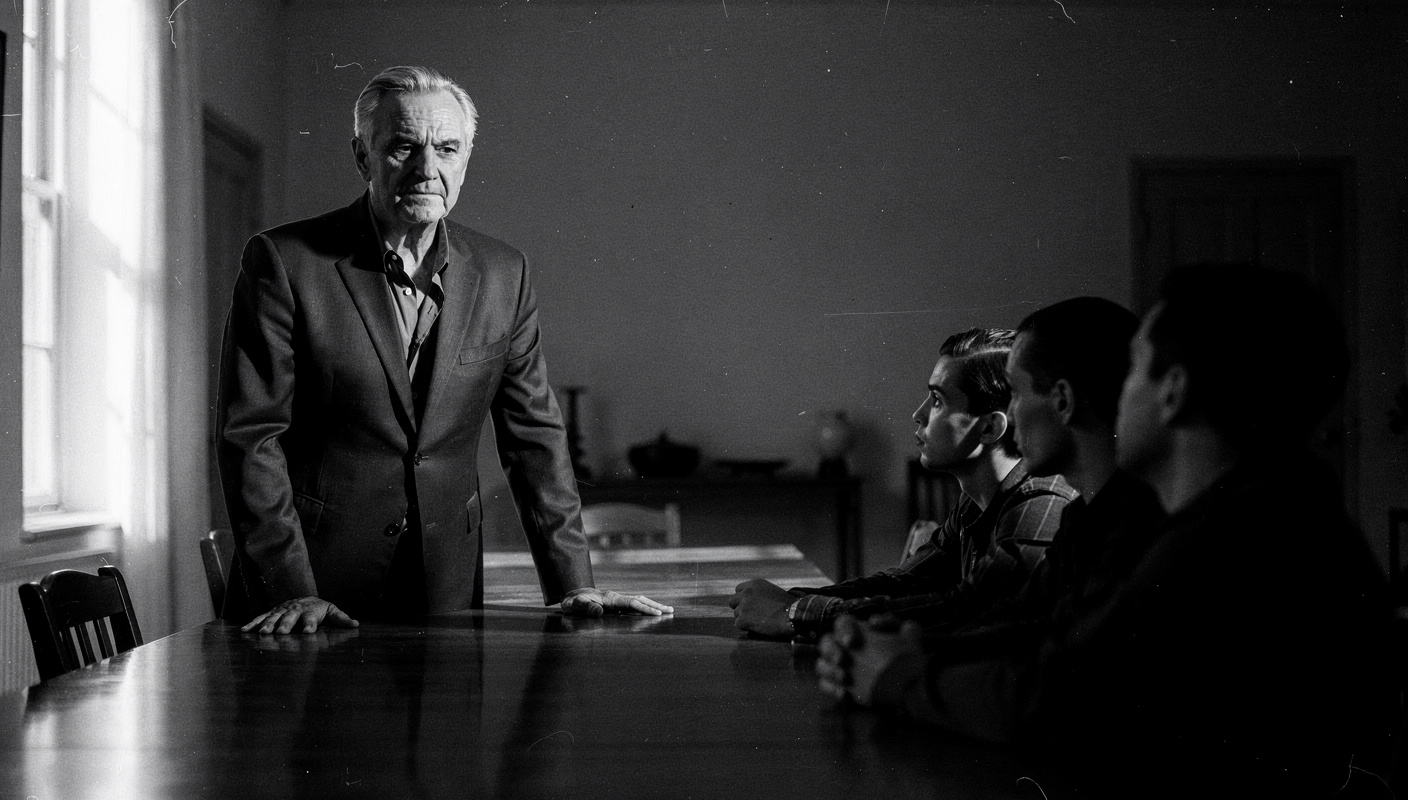
I watched a good manager lose his team's respect in one conversation. He had been patient for months, and when he finally gave feedback, it came out in a rush: personal, vague, and threaded with frustration. The team member shut down. The manager left the room looking smaller than when he entered. The problem was not his intention. His intention was sound. The problem was that he had no structure, and without structure, pressure turned good intentions into bad delivery.
This is where the S.B.I. method matters most: not when things are easy, but when the stakes are high and your instinct is to either soften what needs to be said or say it harder than you should. In Say It Right Every Time, I introduce the S.B.I. method as part of a broader toolkit for performance conversations, alongside the L.E.A.D. and C.O.U.R.A.G.E. Methods, precisely because no single framework covers every situation a leader faces. Each framework below has been tested in real conversations, with real consequences. I will show you what each one does, when to reach for it, and what it sounds like in practice.
Why Leadership Voice Cracks Under Feedback Pressure
Your leadership voice is not just your tone or your presence. It is the trust your team places in your judgment. Every time you give performance feedback, that trust is either strengthened or quietly eroded. The moment you say something that feels personal, unfair, or vague, a small withdrawal is made from that account.
The difficulty is that feedback conversations carry a natural emotional charge. You care about the outcome. The team member may feel threatened. Your own discomfort about delivering bad news can push you toward euphemism, which produces the very vagueness that damages your credibility. Effective feedback is the backbone of workplace growth, and yet most leaders I have observed give it without any structural preparation at all.
Structure is not a script you read from. It is a frame that holds the conversation in shape when emotion tries to pull it apart. The frameworks below give you that frame.
"The Conversation You're Avoiding Is the One You Need to Have."
"The Conversation You're Avoiding
Is the One You Need to Have."
Stop rehearsing conversations you'll never have. Say It Right Every Time gives you 115 word-for-word scripts and 16 proven frameworks to speak with confidence in every conversation that matters.
The Four Frameworks That Protect and Strengthen Your Leadership Voice
Here is how I present these in Chapter 8 and Chapter 10 of Say It Right Every Time. They work as a set. Learn them individually, then learn which one the situation calls for.
Framework 1: The S.B.I. Method
What it is: A three-part feedback structure built on Situation, Behavior, and Impact. It is designed to deliver clear, observable, and objective feedback without personal judgment.
What it is designed for: Performance feedback, corrective conversations, and any moment when you need to address a specific action or pattern without making it feel like an attack on the person's character.
How it works:
Situation: Name the specific context. When and where did this happen? "In yesterday's client presentation..." or "During this morning's team meeting..." Precision here prevents the person from dismissing the feedback as general or unfair.
Behavior: Describe only what was observable. What did you see or hear? Not what you believe about the person, not what you assume their motive was. "You ended the presentation without opening the floor for questions" is observable. "You were dismissive of the clients" is interpretation.
Impact: State the consequence clearly. What effect did this behavior have on the team, the client, the work, or the project? "The result was that three of the senior leaders left with questions unanswered, and it affected how prepared we appeared." Then close with a clear forward expectation or question.
When to use it: Any time you are addressing a specific, observable behavior that needs to change. It works for one-on-one meetings, formal reviews, and in-the-moment corrections.
When not to use it: Do not reach for the S.B.I. method when the relationship is already in crisis. If trust has broken down, the framework will sound mechanical and cold. Repair the relationship first with the L.E.A.D. method.
Worked example: "I wanted to talk about the presentation you gave to the leadership team this morning. I noticed that you did not leave any time for questions at the end. The impact was that several of the VPs had questions that went unanswered, and it made us look like we were not prepared for their feedback. In the future, I would like you to plan to end all presentations with at least ten minutes for Q&A. How can I help you with that?"
Eamon's note: This is the framework I come back to most often, because vague feedback is not feedback. It is noise. The S.B.I. method forces you to be specific, and specificity is what makes feedback feel fair rather than personal. For more on how the S.B.I. method reduces tension when giving corrective feedback, there is a full treatment of that dynamic worth reading.
Framework 2: The L.E.A.D. Method
What it is: A four-step framework for structuring leadership conversations: Listen First, Empathize, Articulate Your Vision, and Define the Next Steps.
What it is designed for: Conversations where the relationship context matters as much as the message. When morale is fragile, trust is low, or the team member is already under pressure, leading with listening changes everything.
How it works:
Listen First: Before you say anything about the performance issue, create space for the other person to speak. Ask an open question. "How are you feeling about the project so far?" Listen without interrupting. This one step disarms defensiveness before it forms.
Empathize: Acknowledge what you heard. "I can see this has been a difficult stretch." You do not need to agree with their perspective to honor it. You are demonstrating that their reality has been heard.
Articulate Your Vision: Now deliver your message. What does good look like from your position? What do you need from this person? Be direct and clear. The listening and empathy in steps one and two have earned you the right to be heard in step three.
Define the Next Steps: End the conversation with clarity. Who does what, by when? Ambiguity after a hard conversation is a leadership failure.
When to use it: When trust needs rebuilding, when the conversation is about a pattern rather than a single incident, or when you need to give feedback to someone who is already struggling. This is also the framework to use when handling conflict during meetings that has become personal.
When not to use it: When speed matters and the issue is a single, clear behavioral incident. In that case, the S.B.I. method is faster and more precise.
Worked example: A team member's work quality has dropped over three weeks. You open by asking how they are managing their workload. They share that they are overwhelmed. You acknowledge that, then articulate clearly what standard you need to see restored, and together you define what support looks like over the next two weeks.
Eamon's note: Listening first is not weakness. It is intelligence. You gather real information before you form your argument, and the person in front of you feels seen before they feel judged. That changes the whole room.
Framework 3: The C.O.U.R.A.G.E. Method
What it is: A seven-step decision framework for making high-stakes leadership conversations with confidence: Collect Information, Outline the Options, Understand the Impact, Review Your Values, Act with Conviction, Gauge the Reaction, and Explain Your Rationale.
What it is designed for: Preparation before difficult conversations. When the feedback you need to give carries serious consequences, this framework ensures you arrive clear-headed and grounded, not reactive.
How it works:
Collect Information: Gather the facts before you say a word. What specifically happened? What is the documented history?
Outline the Options: What are your choices here? Address it directly, ignore it, escalate it, offer support? Name each option honestly.
Understand the Impact: What is the consequence of each option, for the person, the team, and your leadership authority?
Review Your Values: What does your commitment to honesty, fairness, and care for your team demand of you here?
Act with Conviction: Deliver the message. Do not soften it into vagueness. Be direct without being harsh.
Gauge the Reaction: After you speak, pause. Read the room. Is the person defensive, receptive, shut down? Adjust your approach accordingly.
Explain Your Rationale: If resistance is high, calmly explain why this conversation is necessary. Connecting the feedback to the team's goals and your shared values reduces the sense of personal attack.
When to use it: Before any feedback conversation that could affect someone's role, standing, or future. Before disciplinary conversations, performance improvement discussions, or any moment when you feel tempted to avoid the conversation entirely.
When not to use it: This is a preparation tool, not a real-time conversation framework. Do not run through it in the room. Run through it the night before.
Worked example: You need to address a senior team member whose behavior is damaging team morale. You collect specific incidents, outline the options, consider the impact of silence versus confrontation, check your own values around fairness, then walk into the meeting prepared to act with conviction rather than hesitation.
Eamon's note: This much I know for certain: the conversations leaders avoid always cost more than the ones they have. The C.O.U.R.A.G.E. method is the preparation work that makes the avoided conversation possible.
Framework 4: The G.R.O.W. Method
What it is: A four-part framework for receiving feedback and turning it into a development plan: Goal, Reality, Options, and Way Forward.
What it is designed for: Helping team members process S.B.I. feedback constructively rather than defensively. A leader who teaches this to their team creates a culture where feedback flows in both directions.
How it works:
Goal: Based on the feedback received, what is the clearest development goal? "My goal is to improve how I manage client-facing presentations."
Reality: What is the honest current state? "The reality is I have rushed the closing of three presentations this quarter."
Options: What concrete steps could address this? "I could prepare a timing guide for each presentation, practice Q&A scenarios, or ask a colleague to review my structure beforehand."
Way Forward: Which option, by when? A commitment, stated clearly.
When to use it: After delivering S.B.I. feedback, offer the G.R.O.W. method as a tool your team member can use to respond. It converts a potentially difficult moment into a development conversation. It also works when you, as a leader, receive feedback yourself. For more on how to give team members feedback that unifies instead of divides, this pairing of frameworks is central.
When not to use it: When the team member is not yet ready to engage. If the reaction to your S.B.I. feedback is defensive shutdown, address the emotional response first. The C.O.R.E. framework for handling defensive reactions is the right tool in that moment.
Worked example: "Based on this feedback, it sounds like my main goal for the next year should be to improve my project management skills. The reality is that I have let a few deadlines slip. Some options for me could be to take a project management course, find a mentor strong in that area, or be more disciplined about using our project management software. My plan is to start by taking that online course and to schedule a weekly project review with you. Does that sound like a good plan to you?"
Eamon's note: Teaching your team the G.R.O.W. method is one of the most respectful things a leader can do. It says: I am giving you the tools to respond, not just the obligation to comply.
Choosing the Right Framework for the Conversation in Front of You
The table below gives you a fast reference. Use it before you walk into the room.
| Situation | Best Framework | Secondary Option |
|---|---|---|
| Specific incident needs addressing | S.B.I. Method | C.O.U.R.A.G.E. (to prepare) |
| Trust is fragile or morale is low | L.E.A.D. Method | S.B.I. (once trust is restored) |
| High-stakes or disciplinary conversation | C.O.U.R.A.G.E. (prep) + S.B.I. (delivery) | L.E.A.D. if emotional context is high |
| Team member is defensive after feedback | G.R.O.W. Method | C.O.R.E. Framework |
| Pattern of behavior over weeks | L.E.A.D. Method | S.B.I. for specific examples |
| Upward feedback to your own manager | S.B.I. Method | C.O.U.R.A.G.E. (to prepare) |
The most common pairing is C.O.U.R.A.G.E. for preparation and S.B.I. for delivery. Run through C.O.U.R.A.G.E. the night before, walk in and use S.B.I. in the room. That combination gives you both emotional readiness and structural precision. When you need to use the empathy bridge before delivering critical feedback, the L.E.A.D. method provides the natural vehicle for that.
Where These Frameworks Break Down in Practice
Knowing a framework is not the same as using it well. Here is where I see leaders go wrong, even when they have the right structure in hand.
The mistake: Treating "Behavior" as permission to state your interpretation.
Why it happens: Under pressure, leaders conflate what they saw with what they believe about the person.
What to do instead: Ask yourself: "Could I show this on a video recording?" If the answer is no, it is not a behavior; it is an opinion.
The mistake: Skipping the "Impact" step because it feels obvious.
Why it happens: Leaders assume the other person already understands the consequence.
What to do instead: State the impact every time. The team member may genuinely not know how their action landed. Communication in meetings fails most often because the impact of behavior goes unnamed.
The mistake: Using the L.E.A.D. method's empathy step as a preamble to dismissing the concern.
Why it happens: "I hear you, but..." cancels the listening that came before it.
What to do instead: Empathize genuinely, then articulate your vision as a separate, respected step, not a contradiction of what you heard.
The mistake: Running through C.O.U.R.A.G.E. in the room out loud.
Why it happens: Leaders want to appear thorough and considered.
What to do instead: C.O.U.R.A.G.E. is private preparation. The team member should experience a calm, clear leader, not a leader working through a checklist in real time.
Building Fluency: A Realistic Practice Plan
Frameworks only work when they become instinctive. Here is how to build that fluency over ninety days.
In the first thirty days, choose one framework: the S.B.I. method. Use it for every piece of feedback you give, positive or corrective. Write your S.B.I. statements out before meetings. After each conversation, assess: was the Situation specific? Was the Behavior observable? Was the Impact stated clearly?
In the next thirty days, add the L.E.A.D. method for any conversation where you sense emotional context is high. Begin practicing the listen-first discipline in your one-on-ones. You will notice immediately how much useful information you were bypassing before.
In the final thirty days, introduce C.O.U.R.A.G.E. as your preparation ritual before any high-stakes conversation. Teach G.R.O.W. to a team member who is ready to develop. By the end of this period, you will not be choosing a framework consciously; you will be reaching for the right one without thinking.
This is how every practical skill becomes second nature. Not through reading about it, but through repetition in real conditions. As I cover in Say It Right Every Time, communication is a craft, and every craft demands practice before it becomes fluent.
What You Carry Out of This
The first time you use the S.B.I. method properly, something shifts. The person in front of you may still push back. They may still feel uncomfortable. But they cannot accuse you of being unfair, because you have been precise. You named the situation. You described the behavior. You stated the impact. That clarity is the foundation of a leadership voice that holds its ground.
Feedback is a responsibility before it is a skill. And a leader who delivers it with structure earns something that no title can grant: the trust of the people who are watching. Every framework in this article is a tool for building that trust, one clear conversation at a time. Reach for the S.B.I. method when you need to address what happened. Reach for L.E.A.D. when you need to earn the right to be heard. Reach for C.O.U.R.A.G.E. when the stakes make you want to avoid the conversation entirely. Master these, and your leadership voice will grow stronger precisely in the moments when the pressure is highest.
Frequently Asked Questions (FAQ)
What is the S.B.I. method?
The S.B.I. method is a three-part feedback structure using Situation, Behavior, and Impact. It helps leaders deliver clear, observable, and objective feedback without personal judgment, reducing defensiveness and keeping the conversation focused on what actually happened.
How do you use the S.B.I. method for performance feedback?
Name the specific Situation where the behavior occurred, describe the observable Behavior without interpretation, then explain the Impact it had on the team or work. Close with a clear expectation or question. This structure keeps the feedback direct, specific, and fair.
Can the S.B.I. method damage your leadership voice if used badly?
Yes. Vague situations, interpreted behaviors, or unstated impacts all undermine the method. The S.B.I. method protects your leadership voice only when each component is specific, observable, and grounded in real events, not assumptions or feelings about the person.
When should a leader use the L.E.A.D. method instead of the S.B.I. method?
Use the L.E.A.D. method when the conversation requires emotional context before feedback, such as when morale is low or trust is fragile. It prioritizes listening and empathy first, making the feedback land better when the relationship needs repairing before the message can be heard.
What is the C.O.U.R.A.G.E. method and how does it support leadership feedback?
The C.O.U.R.A.G.E. method is a seven-step decision framework for high-stakes leadership conversations. It helps leaders prepare before difficult feedback by reviewing their values and options, so they deliver the message with conviction rather than hesitation or second-guessing.
How does the G.R.O.W. method help a team member receive S.B.I. feedback?
The G.R.O.W. method helps a team member turn feedback into a development plan. After receiving S.B.I. feedback, they can use Goal, Reality, Options, and Way Forward to structure their own response and commit to specific improvement steps rather than reacting defensively.
Why do leaders undermine their own authority when giving performance feedback?
Leaders most often lose authority during feedback by being vague, personal, or inconsistent. Without a clear structure like the S.B.I. method, pressure strips away precision and what starts as feedback becomes criticism, which erodes trust and makes the leader appear reactive rather than fair.