
In Short
After reading this, you will know how to mediate between two team members using a structured process that resolves the conflict and protects your group's collaborative momentum.
- Meet each person privately before you bring them together.
- Use the D.E.A.L. Method to structure the joint conversation.
- Lock in specific commitments and schedule a follow-up to confirm they hold.
Mediate team members means stepping in as a structured, neutral guide to help two people in conflict move from opposition to agreement, using a clear process that protects the working relationship and the broader team's collective performance.
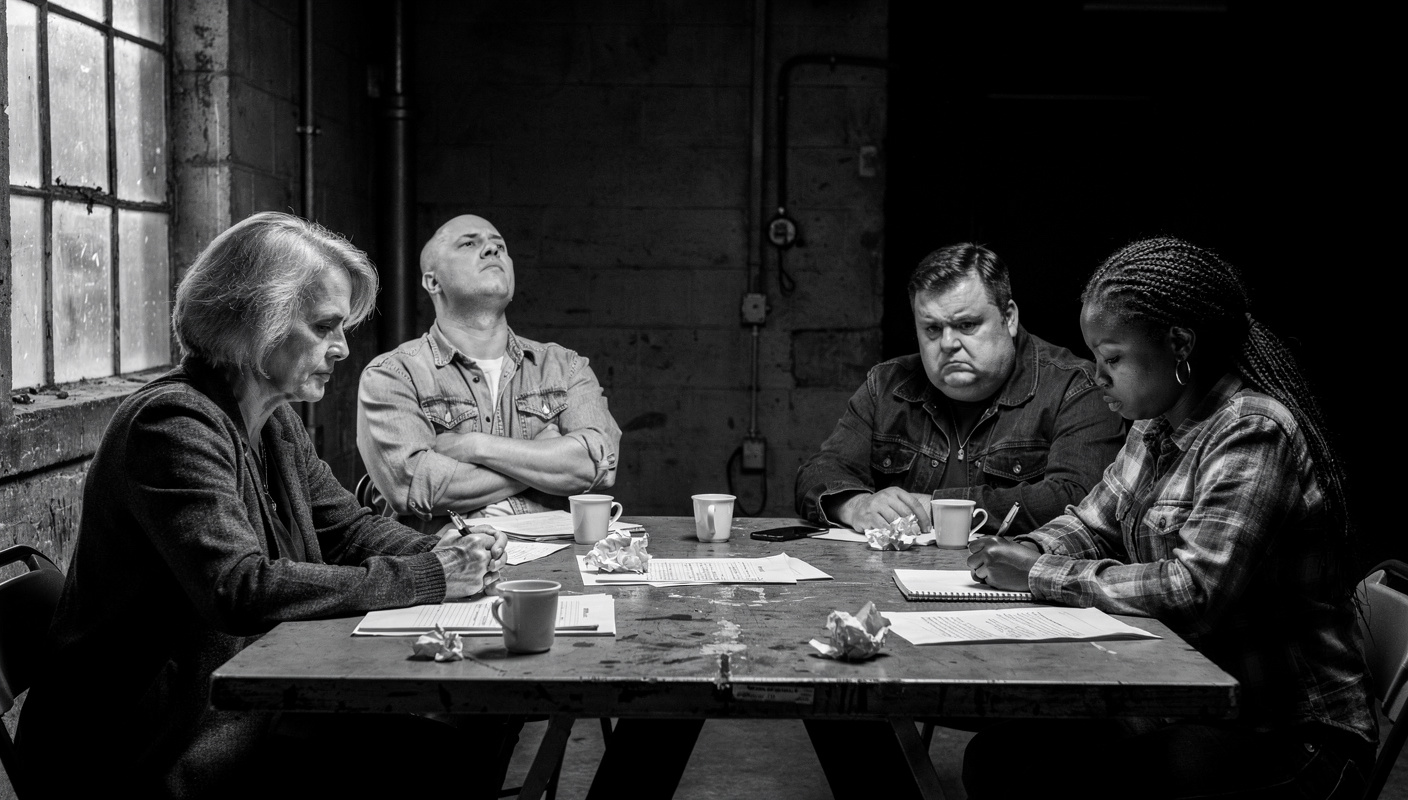
Two colleagues stopped speaking directly to each other three weeks ago. They copy their manager on every email. The rest of the team has split into quiet camps. Nobody says anything in meetings anymore, and the project is starting to slip. The manager knows something has to be done but has no idea where to begin.
That moment is familiar to almost anyone who has led a team. The conflict between two people does not stay between two people. It bleeds into the room, the group chat, the weekly meeting. It erodes team synergy, that fragile but powerful state where people actually work together rather than around each other.
The reason most leaders hesitate to step in is not laziness. It is genuine uncertainty about what to say, and fear of making things worse. As I write in Chapter 6 of Say It Right Every Time, "avoiding the conflict was the worst thing I could have done. I wasn't leading; I was hiding." That fear is understandable. But avoiding it always costs more than engaging it.
In this guide, you will get a clear, practical process for resolving conflict between two team members that you can use immediately. If you want to understand how unresolved tension damages collective performance at a deeper level, What Is Psychological Safety and How It Drives Team Synergy is a strong place to start.
Why Mediating Team Conflict Is Harder Than It Looks
You know the conversation needs to happen. Knowing that does not make it easier to start.
Most leaders understand that conflict hurts team performance. But understanding something in principle and navigating it in a room with two upset people are entirely different things. The gap between awareness and action is where most managers get stuck.
Here is what makes this genuinely difficult:
- You are not a neutral party. You work with these people, you have formed impressions of both of them, and whatever you do will be noticed by the rest of the team. Staying genuinely neutral takes real discipline when you already have an opinion about who is more at fault.
- Emotions run hot. What looks like a disagreement about a project deadline is often a disagreement about respect, recognition, or fairness. When the real issue is beneath the surface, logic alone will not reach it.
- Both people will edit their version of events. Each person tells you the story that casts them in the better light. That is not dishonesty; it is human nature. Separating the edited version from the actual issue requires patience and careful questioning.
- The rest of the team is watching. Every person around you knows this conflict exists. How you handle it sends a message about the kind of environment you are building. Handle it badly and you damage your own credibility along with the team's cohesion.
- A verbal agreement is not enough. As I note in Say It Right Every Time, a solution imposed on one person is not a solution; it is a temporary ceasefire. Without a genuine, co-created commitment, the conflict resurfaces within weeks.
The goal is not to eliminate these difficulties. It is to build a system that works in spite of them.
"The Conversation You're Avoiding Is the One You Need to Have."
"The Conversation You're Avoiding
Is the One You Need to Have."
Stop rehearsing conversations you'll never have. Say It Right Every Time gives you 115 word-for-word scripts and 16 proven frameworks to speak with confidence in every conversation that matters.
The Foundation: What You Need Before You Start
Before you begin, there are three things that need to be clear.
- Your role is guide, not judge. You are not here to decide who was right. You are here to help both people find a way to work together productively. The moment you become an arbitrator, you lose your ability to help either person genuinely commit to a resolution. Keep this clear in your own head before you enter any conversation.
- The issue must be separated from the people. In Chapter 6 of Say It Right Every Time, I make this point plainly: separating the person from the problem is not a soft technique; it is the only way to keep the conversation solvable. You are addressing a specific situation and specific behaviours, not character, personality, or worth as a human being.
- Both people must agree to participate. You cannot mediate a conflict between two people if one of them refuses to engage. Before you proceed, get a clear yes from both. Frame the invitation around the team and the work, not around blame: "I need us to find a way through this together because what we are building matters and we all need to be part of building it."
Get these right first. The steps that follow will not work without them.
Step 1: Meet Each Person Privately First
This step gives you the information you need without letting the conversation ignite before you are ready to manage it.
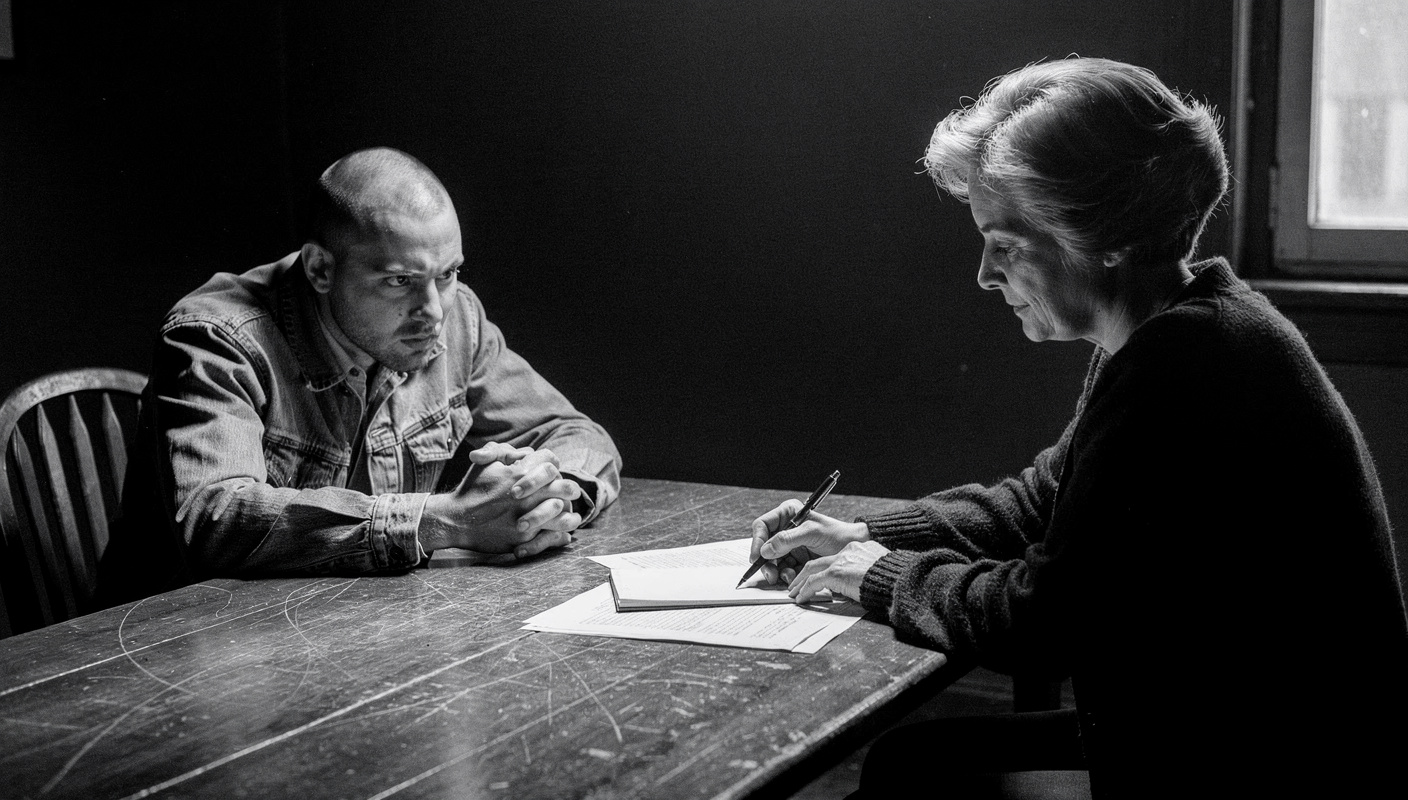
Never bring two people who are in conflict together cold. You need to understand each person's experience, what they believe happened, and what they actually need, before you put them in the same room. Most people are far more honest one-on-one. They also feel safer. That safety produces better information.
Keep these private meetings brief and structured. You are not there to take sides or validate grievances. You are there to listen, understand the shape of the conflict, and prepare the ground for a productive joint conversation.
- Schedule 20 to 30 minutes with each person separately, at least 24 hours before the joint session.
- Open with: "I want to hear your perspective on what has been happening. I am going to listen without interrupting."
- Ask one clarifying question: "What do you need from this situation in order to move forward?"
- Do not share what the other person said. Confidentiality builds trust in the process.
- End by explaining what comes next: "I am going to meet with both of you together, and my goal is to help you find a practical way forward."
Here is how I open that private conversation: "I am not here to tell you who is right. I am here because this situation is affecting the work and the team, and I want to make sure you have a chance to tell me what is actually going on from your side."
After these meetings, you will know the surface argument and, if you listened carefully, the unmet need underneath it. Most conflicts are exactly that: two people with unmet needs. Seeing past the anger to the need is where the real work of mediation begins. Now you are ready for the joint session.
Step 2: Set the Ground Rules Before Anyone Speaks
The joint conversation will fall apart inside five minutes without a clear structure. You must set the terms before anything else is said.
People in conflict arrive at the same table with adrenaline and rehearsed arguments. Without ground rules, that energy turns the conversation into a debate each person is trying to win. Your job in the first two minutes is to redirect that energy into a process. If you want to understand how emotional tension shapes team dynamics more broadly, The Role of Emotional Intelligence in Team Synergy covers this territory well.
The script from Chapter 6 of Say It Right Every Time is one I have used and refined over many years:
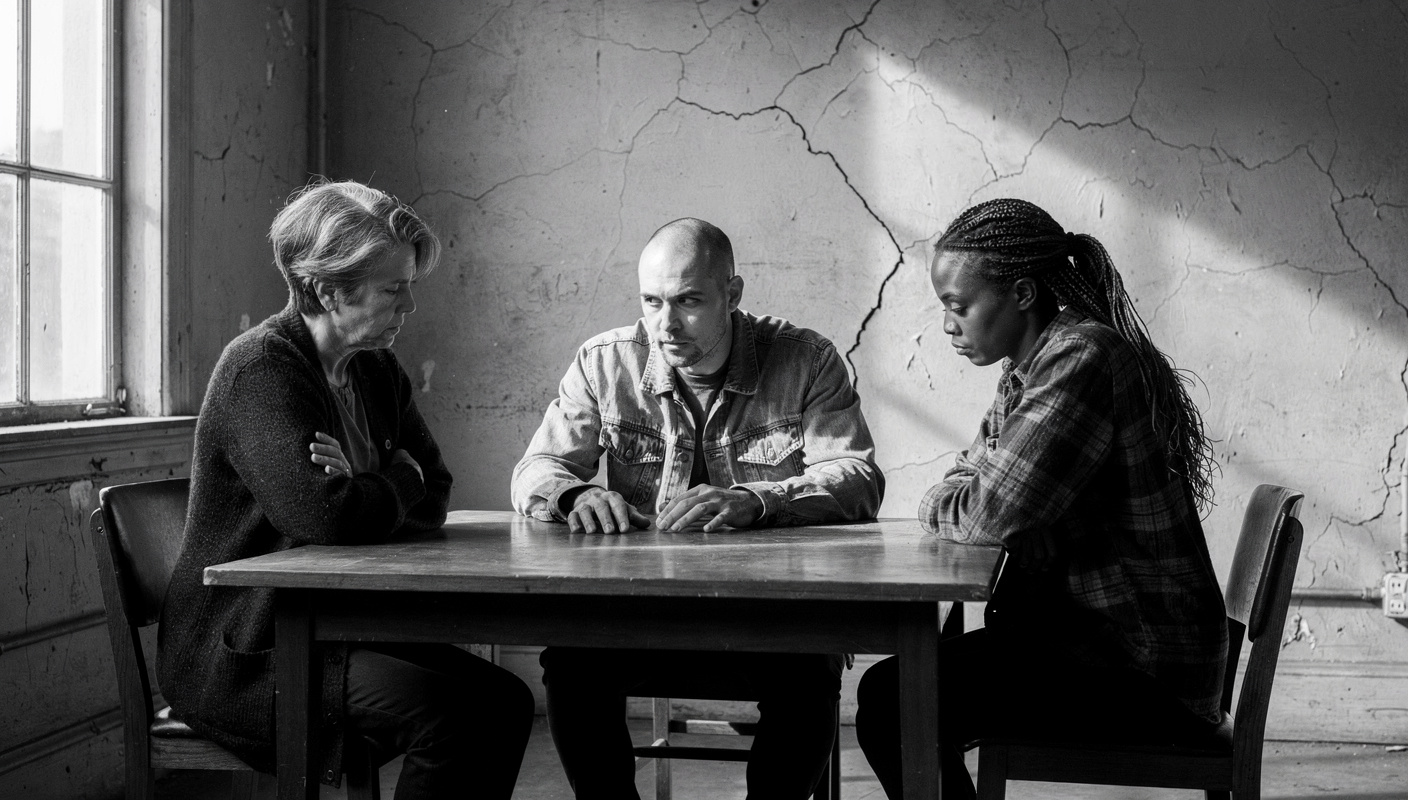
"Thank you both for meeting with me. I have spoken with each of you individually, and it is clear that we have a situation that needs to be resolved. My goal today is to help you both find a way to work together productively. I am going to ask each of you to share your perspective, and I need you to listen without interrupting. Then we will work together to find a solution."
- State your role explicitly: you are a guide, not a judge.
- Establish the no-interruption rule before anyone speaks.
- Agree that phones are put away and the door is closed.
- Make clear that the goal is a working agreement, not an apology tour.
- Confirm both people are willing to proceed on those terms.
Closing this opening with a direct question, "Can we both agree to that?", gets verbal commitment before the first word of conflict is spoken. That small act of agreement sets the tone for everything that follows.
Step 3: Define the Issue Using a Neutral Problem Statement
This is the first step of the D.E.A.L. Method I introduce in Say It Right Every Time, and it is the step most people skip. They go straight to assigning blame.
A neutral problem statement describes the situation without accusation. It focuses on observable impact, not on character or intent. When you frame the issue this way, you give both people something they can actually engage with rather than defend against. How to De-escalate Team Conflict Without Destroying Synergy covers the de-escalation skills that support this step.
- Write the problem statement before the meeting and read it aloud at the start.
- Use this format: "We have a situation where [specific observable behaviour] is happening, and the impact on the team is [specific consequence]."
- Avoid the words "always," "never," "you made me," and "your attitude."
- Check that both people recognise the problem as described, even if they disagree on the cause.
- If one person objects to the framing, adjust it until both can say: "Yes, that is the situation."
Here is the difference between an accusation and a neutral problem statement. Accusation: "You have been undermining her in front of the client." Neutral statement: "There have been moments in client meetings where one person's input has been cut short, and the client has noticed the tension. That is affecting how we are seen as a team."
Both people can engage with the second version. Only one person can engage with the first, and only in self-defense. The neutral statement opens the door to the next step. Now both people are looking at the same problem rather than at each other.
Step 4: Explore Each Perspective Without Debate
The second step of the D.E.A.L. Method is Explore Perspectives, and it requires the discipline of genuine curiosity rather than evaluation.
Each person speaks without interruption. You listen with what I call the journalist mindset: you are gathering information, not building a case. Your questions are open, not leading. You are trying to understand what each person actually experienced, what they believed the other person intended, and what they needed that they did not get. For a deeper look at the skills that underpin this kind of listening, How to Start a Difficult Conversation That's Blocking Your Team's Synergy gives practical tools you can apply here.
- Ask Person A: "Tell me what happened from your perspective. What did you experience, and how did it affect you?"
- Once Person A finishes, ask Person B to summarise what they heard before responding: "Before you share your side, can you tell me what you understood them to say?"
- Then ask Person B the same opening question.
- After both have spoken, ask each: "What do you think the other person actually needed in that situation?"
- If the conversation gets heated, use this reset: "I think we need to take a step back. Can we pause for a moment and come back to this with fresh eyes?"
The moment someone can name what the other person needed, rather than just what they did wrong, the conflict begins to shift. That shift is not magic. It is the result of a structured process that slows the conversation down long enough for both people to actually hear each other. Unspoken expectations are premeditated resentments, and this step brings those expectations into the open where they can be addressed.
Step 5: Agree on a Solution Together
The third step of the D.E.A.L. Method is Agree on a Solution, and the critical word is together. A solution you impose is not a solution.
Once both perspectives are on the table, your role shifts from listener to facilitator. You are now looking for the overlap: what both people can agree to, what they are each willing to change, and what new ways of working will prevent this situation from returning. How to Give Feedback That Strengthens Team Synergy Instead of Breaking It can help you frame any behaviour-change requests clearly and without blame.
- Ask: "Given everything we have heard, what does a workable way forward look like to each of you?"
- Look for specific behavioural agreements, not vague intentions like "we will communicate better."
- Each agreement must be observable: "When you disagree with my approach in a meeting, you will raise it with me directly afterwards rather than in front of the client."
- Both people must contribute at least one thing they are willing to change. This is not one person capitulating.
- Write the agreed behaviours down in the room, in plain language, while both people are present.
Here is a script that works in this moment: "So what I am hearing is that you both want to be heard before a decision is made. Can we agree that before either of you raises a concern with a client or a senior colleague, you will give the other person a chance to hear it first? What would that look like in practice?"
When both people have shaped the agreement, they own it. Ownership is what separates a genuine solution from a temporary ceasefire. Now the final step makes it stick.
Step 6: Lock In the Commitment with Specific Accountability
The fourth and final step of the D.E.A.L. Method is Lock in the Commitment. This is where most mediations fail: they end with a handshake and good intentions, but no structure to hold those intentions accountable.
A verbal agreement made under emotional pressure, in a room with their manager watching, is not a reliable commitment. You need to translate it into specific actions with dates and a follow-up built in. This much I know for certain: without accountability, good intentions dissolve within a fortnight.
- Write the final agreement in two or three clear sentences and read it back to both people.
- Assign specific actions: who will do what, and by when.
- Schedule a follow-up check-in with both people together, two weeks from the mediation session.
- Ask each person to confirm, out loud, that they can commit to what is written: "Can you both confirm you are committed to this?"
- If the conflict is serious, consider using the B.R.I.D.G.E. Method for a more structured rebuild; I cover this in detail in Say It Right Every Time as a six-step relationship repair process that moves beyond ceasefire into genuine restoration.
The follow-up is not optional. It signals that this was not a one-time performance. It also gives both people a known moment of accountability, which changes behaviour in the days between sessions. How to Rebuild Team Synergy After Conflict or Organizational Change covers what happens after the mediation ends and the real repair work begins.
Step 7: Repair the Team After the One-on-One Is Resolved
Two people can reach an agreement in a room and still leave a damaged team behind them.
The rest of your team lived through the tension. They saw the silence, the copied emails, the stiffness in meetings. They adapted their behaviour to manage the conflict. Once the mediation is done, your job is to restore the group's collective confidence that the team is safe to work in again. How to Rebuild Team Synergy After Conflict or Organizational Change and How Feedback Loops Boost Team Synergy both address this restoration phase directly.
- Within 48 hours of the mediation, address the team briefly: "I want you to know that the situation has been addressed and we are moving forward together."
- Do not share details of the mediation. Confidentiality protects everyone, including the team's trust in you.
- Create an early opportunity for the two people to collaborate visibly on something small and successful.
- Check in with other team members individually over the following week to take the temperature of the room.
- Monitor for lingering tension in meetings; use How Psychological Safety Enables Honest Communication and Sustains Team Synergy as a guide to rebuilding the conditions where people feel safe to speak.
A repaired relationship is often stronger than one that was never tested. But the team needs to see the repair in action, not just hear about it. Give them evidence: two colleagues who can disagree constructively, listen to each other, and move the work forward together. That evidence rebuilds trust faster than any announcement.
Adapting This Process for Remote and Hybrid Teams
Remote and hybrid environments add friction to every stage of mediation because you lose the most important tool you have: the room.
When conflict happens between two people who work in different locations, or who rarely share the same physical space, the natural signals that help you read a conversation, posture, eye contact, the energy between two people sitting across a table, are either absent or filtered through a screen. That changes how you must adapt.
Use video for every session. Do not attempt mediation by email, message, or even audio call. You need to see faces. Both people need to see each other. A camera-on policy is non-negotiable for these conversations. This is not a preference; it is a structural requirement.
Extend the preparation phase. In a remote environment, the private pre-meetings become even more important because people feel less accountable in digital spaces. Schedule them formally with calendar invites and a clear agenda, not a casual Slack message. Treat them with the same weight as an in-person meeting.
Use a shared document for the written agreement. In a physical room, you can write the agreement on a whiteboard both people can see. Remotely, open a shared document during the joint session and build the agreement in it together, in real time, so both people watch it take shape. This has the same effect: ownership through co-creation.
Build more check-ins into the follow-up phase. Physical proximity provides passive accountability; people see each other, notice tension, and self-correct more naturally. Remote teams do not have that. Schedule shorter, more frequent follow-ups, perhaps weekly for the first month, to compensate for what the environment does not provide.
The core process holds. Only the execution changes.
Common Mistakes to Avoid
Let me tell you about the mistakes I see most often. I have made most of them myself.
The mistake: Bringing both people together without meeting them separately first.
Why it happens: It feels efficient and fair to hear both sides at once.
What to do instead: Always meet each person privately first; you need the full picture before you can manage the joint conversation, and people tell the truth more readily without an audience.
The mistake: Treating the surface argument as the real issue.
Why it happens: The stated disagreement, about a deadline, a decision, a credit, is easier to engage with than the unmet need beneath it.
What to do instead: Ask each person what they needed that they did not get; the answer is almost always more revealing than the complaint.
The mistake: Ending the session with verbal agreement and no written commitment.
Why it happens: The mood lifts once agreement is reached and it feels unnecessary to formalise it.
What to do instead: Write down the specific behavioural agreements in the room and read them back before anyone leaves; a spoken agreement dissolves faster than a written one.
The mistake: Taking sides, even subtly.
Why it happens: One person's account is simply more credible, more articulate, or more sympathetic than the other's.
What to do instead: Stay rigidly focused on behaviour and impact rather than intention and character; the moment you signal a preference, you lose both people's trust in the process.
The mistake: Skipping the follow-up.
Why it happens: The conflict seems resolved, energy moves to the next problem, and the follow-up feels unnecessary.
What to do instead: Book the follow-up in the room at the end of the mediation session, before anyone leaves, so it is a confirmed commitment rather than a good intention.
These are not character flaws. They are gaps in the system. Fix the system.
Your Practical Checklist
Use this checklist before you begin and after each cycle.
- I have met with each person separately before the joint session.
- I have identified the surface issue and the likely unmet need beneath it.
- Both people have agreed to participate in the joint conversation.
- I have prepared a neutral problem statement that describes impact without accusation.
- I have set ground rules at the start of the joint session, including no interruptions.
- Each person has had uninterrupted time to share their perspective.
- Each person has summarised the other's perspective back before responding.
- The agreed solution includes specific behavioural changes, not vague intentions.
- Both people have confirmed their commitment out loud.
- The agreement is written down and both people have a copy.
- A follow-up session is booked before the mediation ends.
- I have addressed the wider team to acknowledge that the situation has been resolved.
If you cannot check most of these, that is your starting point.
Summary and Next Steps
You now have a complete, structured process for mediating between two team members without losing your neutrality, your credibility, or the team's collective energy.
- Meet each person privately before the joint session to understand the full picture.
- Use a neutral problem statement to define the issue without triggering defensiveness.
- Give both people uninterrupted time to speak and require each to summarise the other's view.
- Build the solution together; a co-created agreement holds far longer than an imposed one.
- Write the commitment down in specific, observable language before the session ends.
- Book the follow-up in the room so accountability is built into the process from the start.
- Address the wider team after the mediation to restore confidence in the group's stability.
The D.E.A.L. Method, which I cover in full in Chapter 6 of Say It Right Every Time, gives this process its backbone: Define the Issue, Explore Perspectives, Agree on a Solution, and Lock in the Commitment. If you want to go deeper on any of these stages, How to Use the D.E.A.L. Method to Resolve Conflicts That Are Fracturing Team Synergy is the natural next step. For the work that comes after the mediation, How to Apologize to a Team Member in a Way That Actually Restores Synergy will help either party complete the repair with sincerity.
Team synergy is not destroyed by conflict. It is destroyed by the silence that follows conflict when no one has the courage to step in. Step in.
Frequently Asked Questions (FAQ)
What does it mean to mediate team members in the workplace?
To mediate team members means to step in as a neutral third party and guide two people in conflict toward a shared resolution. The goal is not to pick a winner but to help both sides feel heard and reach a practical agreement that allows them to work together productively again.
How do you mediate team members without taking sides?
You mediate team members without taking sides by focusing on the issue, not the people. Meet each person privately first, listen without judgment, and frame the joint conversation around shared goals rather than individual grievances. Your role is to guide the process, not deliver a verdict.
When should a leader step in to mediate team members?
A leader should mediate team members when the conflict begins affecting team output, communication has broken down, or the two individuals have failed to resolve it directly. Do not wait for the situation to escalate. Early intervention protects team synergy far more effectively than crisis management.
How long does it take to mediate team members successfully?
Most mediation conversations between two team members take between 45 minutes and two hours across two or three sessions. One session is rarely enough. The first meeting surfaces the issue; the second builds agreement; a follow-up check confirms the commitment is holding in practice.
Can mediation between team members actually restore team synergy?
Yes. When mediation is structured and both parties commit to specific behaviour changes, it can restore and even strengthen team synergy. As I note in Say It Right Every Time, a repaired relationship is often stronger than one that was never tested, because both people now understand each other better.
What is the D.E.A.L. Method for mediating team conflict?
The D.E.A.L. Method is a four-step conflict resolution framework from Say It Right Every Time: Define the Issue, Explore Perspectives, Agree on a Solution, and Lock in the Commitment. It turns an emotional dispute into a structured problem-solving conversation with a clear outcome both parties own.