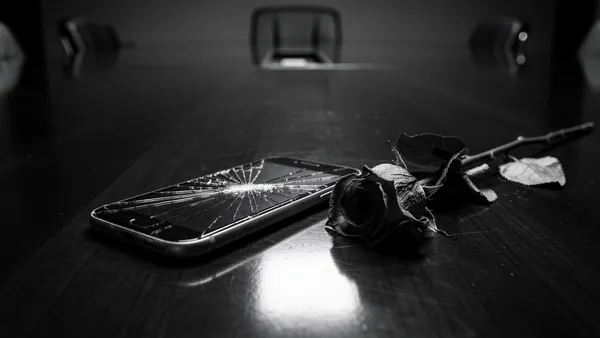

What Happened
Some of the most damaging PR disasters in recent memory did not come from product failures or market forces. They came from companies opening their mouths at the wrong moment, in the wrong way, with the wrong tone. Brands across industries have fumbled social media responses so badly that the original problem became a footnote. The real story became how they handled it.
The Communication Angle
Picture this: a brand posts something tone-deaf on Twitter. The backlash starts slow, then it avalanches. Someone in the communications department fires back defensively. A senior executive tries to "clarify" with a statement so full of corporate language it reads like a legal filing. Within 48 hours, the company has three separate crises instead of one. Sound familiar? This is not bad luck. This is a predictable pattern, and it follows the same script every time.
The first mistake is speed without thought. When a brand feels attacked, the instinct is to respond immediately. That instinct is wrong. Speed signals panic. Panic signals guilt. What you need in the first hour is not a response. You need a single, clear internal decision: are we apologizing, are we explaining, or are we holding our ground? You cannot do all three. Trying to do all three is why most brand statements read like they were written by a committee of people who hate each other.
The second mistake is apologizing for the reaction instead of the action. "We're sorry you feel that way" is not an apology. Everyone knows it. The audience knows it. The algorithm knows it. A real apology names the specific thing you did wrong and commits to a specific change. Vague regret is worse than silence. It tells people you understand you failed but you do not respect them enough to say so directly.
The third mistake is disappearing after the fire is out. Brands treat crisis communication like a wound to dress and forget. The companies that actually recover use the aftermath as proof of character. A follow-up post three weeks later, showing what changed, does more reputational work than ten perfectly worded apology statements. Silence after a crisis tells the world the apology was performance.
Here is what the best communicators do instead. They choose one voice, one message, and one tone. They say the hard thing plainly, without decoration. And they follow through publicly, because the follow-through is the real message.
This is exactly the kind of scenario I break down in Say It Right Every Time. The chapter on crisis language gives you a framework for stripping a high-pressure response down to its essential parts, so that when the moment hits and your instincts are pushing you toward defensiveness, you have a structure that holds you accountable to clarity instead.

Never Be Lost
for Words Again
Get word‑for‑word scripts for the conversations that shape your life, from job interviews and negotiations to difficult talks with family and partners, so you always know exactly what to say and how to say it.
Never Be Lost
for Words Again
Get word‑for‑word scripts for the conversations that shape your life, from job interviews and negotiations to difficult talks with family and partners, so you always know exactly what to say and how to say it.
Key Takeaway
Before your next public response to criticism, write down one sentence that completes this prompt: "We were wrong to do X, and we are going to do Y differently starting now." If you cannot complete that sentence with specifics, you are not ready to respond. Wait until you can. Every word you put out before you can answer that question will make things worse.