
What Happened
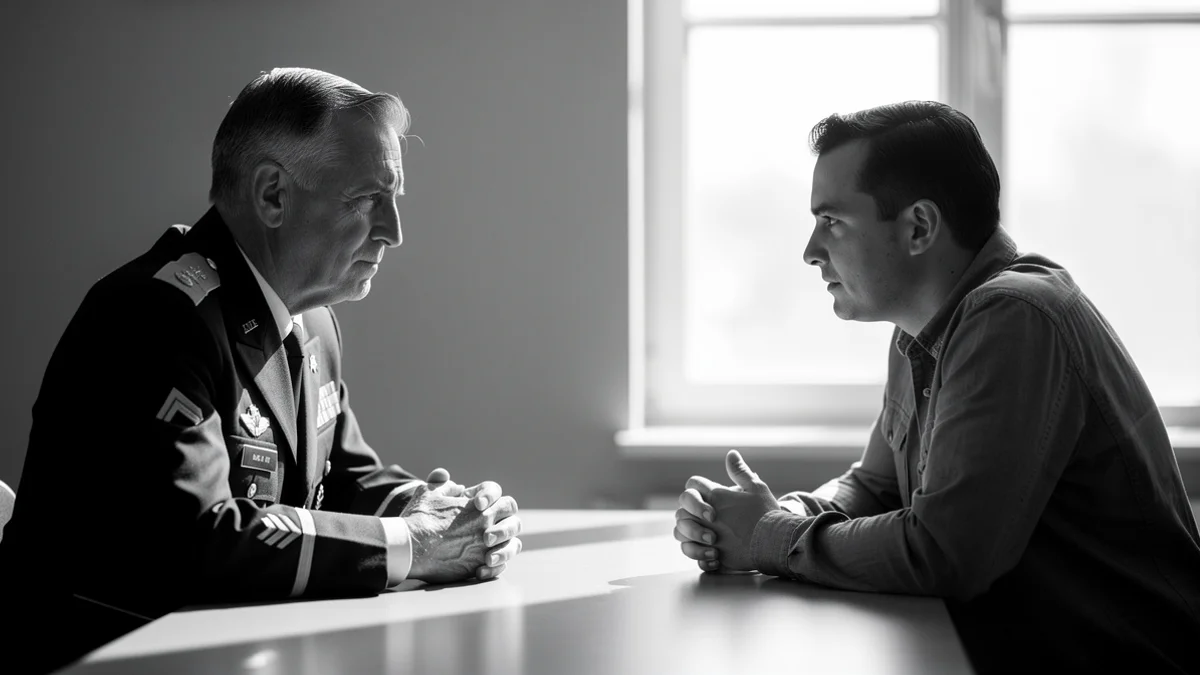
Nigeria's Institute of Conflict Management and Negotiation Analysts recently certified a group of state police commissioners as professional conflict managers and negotiators. The credentials followed a two-day training program focused specifically on strategic communication and media relations, held at the Nigerian Police School of Public Relations in Abuja. These are senior officers who now carry formal recognition in the art of de-escalation and negotiation.
The Communication Angle
Picture this: a room full of police commissioners, some of the most command-driven professionals on the planet, sitting down to learn how to talk differently. That image alone tells you something important is shifting.
Here is what this program got right. It targeted the top. Too many organizations train the front line in communication skills while leaving leadership to operate on instinct and habit. Instinct in high-pressure situations almost always defaults to authority and force. When you train commissioners, you change the culture from the top down, which is the only direction culture actually moves.
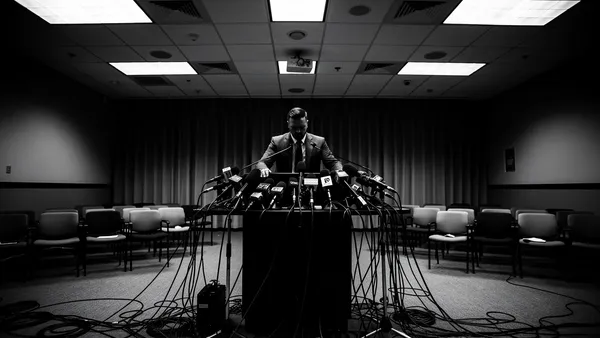
The theme itself was a smart choice: "Enhancing Strategic Communication and Media Relations." That is not a soft, feel-good topic. That is survival language for law enforcement in the modern world. Police forces globally are under a microscope. Every incident gets filmed, posted, and dissected before the report is even filed. Commissioners who cannot communicate strategically with the public and with the media are not just ineffective. They are liabilities. Framing the training in those terms sends a signal that communication is not optional polish. It is core operational competency.
The two-day format is where I have concerns. Two days is enough to introduce ideas. It is not enough to change behavior. Real negotiation skill requires repetition, pressure-testing, and feedback over time. If this certification is the end of the road rather than the beginning of an ongoing program, the commissioners will leave with a credential and a fading memory. The certificate matters far less than the practice that follows. Genuine communication under stress has to be rehearsed until it becomes reflex.
That said, the venue choice was sharp. Hosting this at the Nigerian Police School of Public Relations signals institutional ownership. This is not an outside consultant coming in with a briefcase full of slides. The training is rooted inside the institution itself, which increases the chance that the lessons actually stick and get passed down.
This is exactly the kind of scenario I break down in Say It Right Every Time. The chapter on authority and persuasion addresses the core tension these commissioners face: how do you lead from a position of power without letting that power shut down the conversation before it starts? The framework in that chapter gives you a step-by-step method for establishing credibility without triggering defensiveness, which is the exact skill a negotiator in uniform needs every single day.

Never Be Lost
for Words Again
Get word‑for‑word scripts for the conversations that shape your life, from job interviews and negotiations to difficult talks with family and partners, so you always know exactly what to say and how to say it.
Never Be Lost
for Words Again
Get word‑for‑word scripts for the conversations that shape your life, from job interviews and negotiations to difficult talks with family and partners, so you always know exactly what to say and how to say it.
Key Takeaway
Before your next high-stakes conversation, whether you are a police commissioner or a project manager, write down these two things: the specific outcome you need, and one genuine concession you are willing to offer. Not vague hopes. Specific outcomes, specific concessions. This single act forces you to enter the conversation with a negotiator's mindset rather than a debater's. You stop trying to win and start trying to resolve. That shift in intention changes everything about how you speak and how the other person hears you.