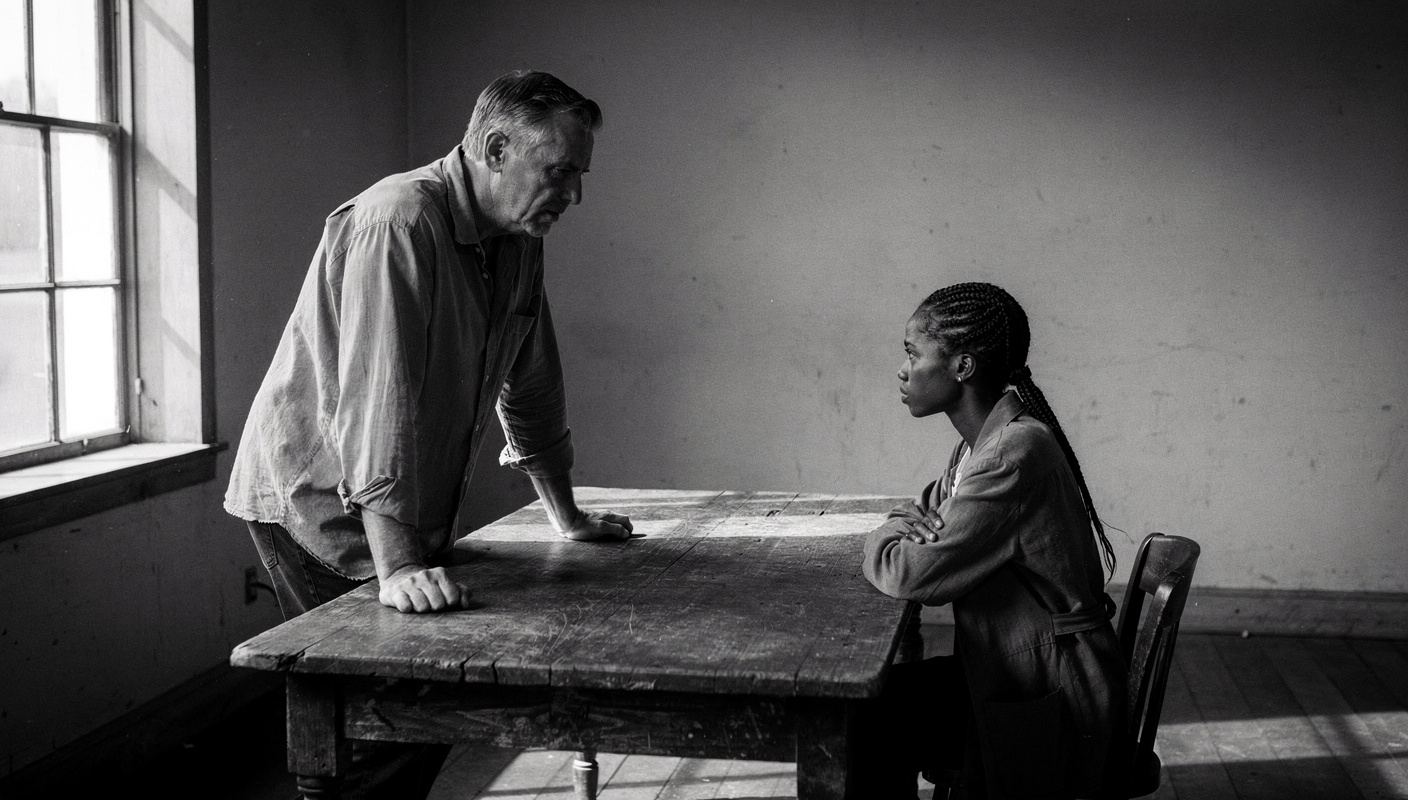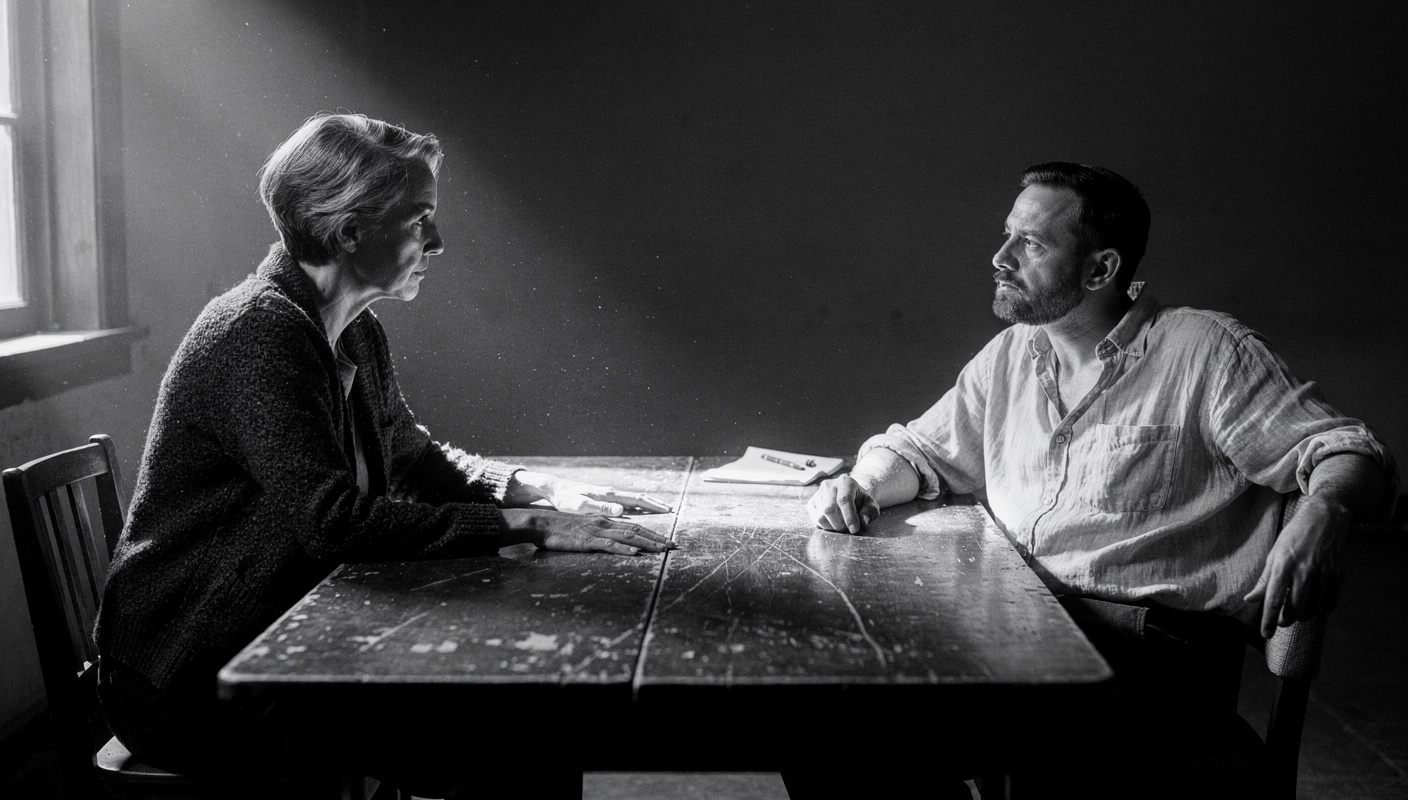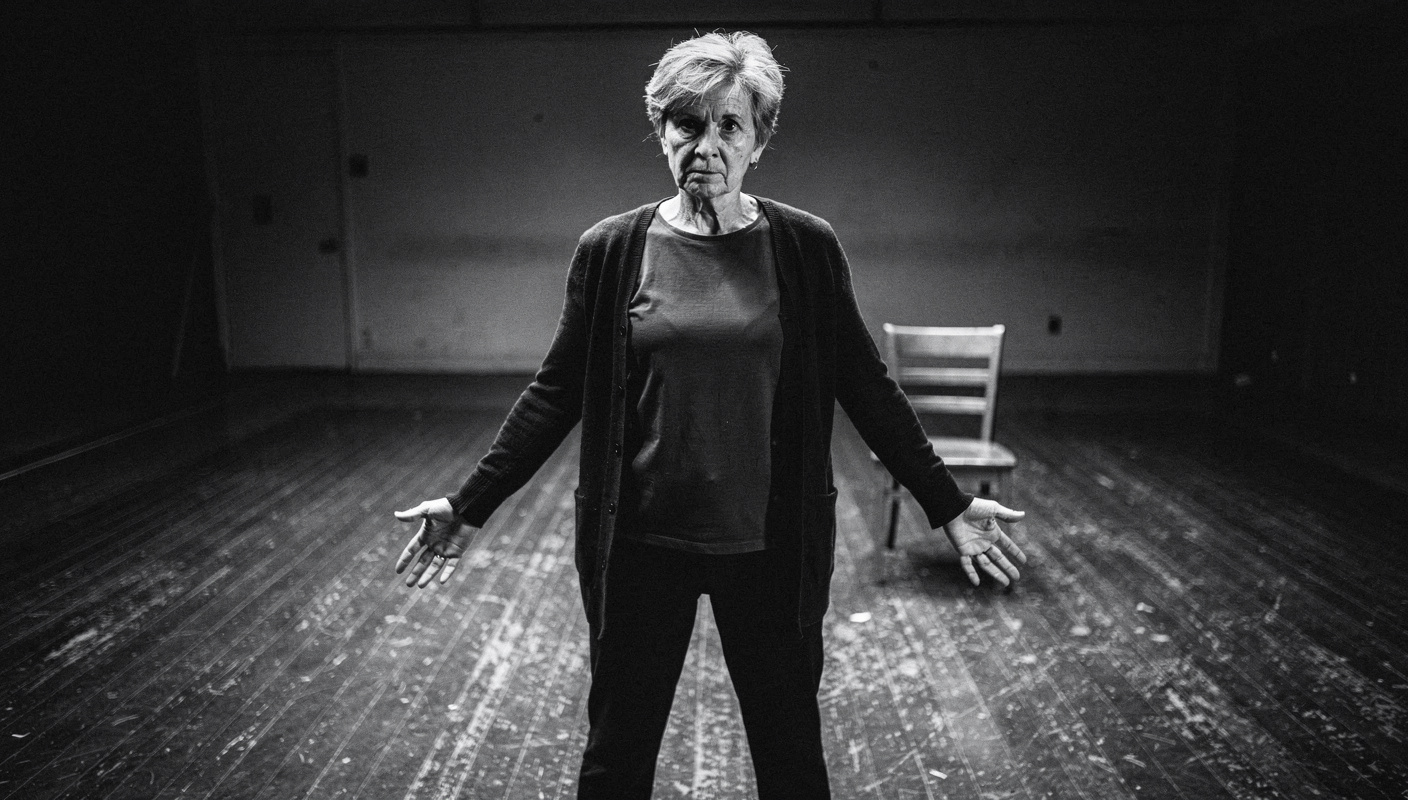

In Short
After reading this guide, you will be able to adjust your physical expression deliberately when communicating with people from different age groups and generations.
- Read the baseline body language of each generation before you adapt your own
- Adjust your posture, gestures, and eye contact to match the respect signals of your audience
- Practice small physical shifts consistently until they become second nature
Physical expression communication is the use of gestures, posture, eye contact, and facial expressions to carry meaning alongside your words. It shapes whether your message lands as confident, respectful, or dismissive, often before you have spoken a sentence.
You walked into a room full of people you respect. You said exactly the right things. But something did not land. The older manager in the corner barely looked at you. The younger team members seemed uncomfortable. Nobody told you what went wrong, because nobody could quite name it. The problem was not your words. It was your body.
Physical expression communication is something most of us never consciously learned. We picked it up from family, school, and whoever raised us, and we assumed it was universal. It is not. Different generations learned different physical codes for what respect, warmth, and authority look like. When those codes clash, the conversation suffers before it even begins.
The real difficulty is not ignorance. Most people know that body language matters. The difficulty is that our physical habits feel natural to us, which makes them nearly invisible. We do not notice what we are broadcasting. We only notice when something goes wrong.
In this guide, you will get a clear, practical process for adjusting your physical expression that you can use immediately, in any room, with any generation.
Why Physical Expression Across Generations Is Harder Than It Looks
Knowing that body language matters and actually changing yours are two completely different things. Most people who struggle with this are not careless. They are stuck in patterns so deeply practiced they no longer register them.
Here is what makes this genuinely difficult:
Your physical habits are largely automatic. The way you hold your arms, the distance you keep from someone, the speed of your gestures: these are not decisions you make in the moment. They are conditioned reflexes built over decades, and they fire before conscious thought catches up.
Generational norms are invisible from the inside. If you grew up in a workplace where slouching slightly in a chair signalled comfort and openness, you never questioned it. To a colleague raised with more formal communication norms, that same posture reads as disrespect.
Feedback is rare and delayed. Most people will not tell you that your body language put them off. They will simply trust you a little less, engage a little less, and move a little further away. You may not connect the outcome to the cause for months.
Overcorrection feels unnatural and reads as false. When you suddenly try to adjust your physical style, it often comes across as stiff or performative. The person you are speaking with senses the effort, and it creates a different kind of distance.
Different age groups in the same room require simultaneous adjustments. Managing your physical expression for a mixed-generation audience means holding multiple calibrations at once, which is cognitively demanding until the skill is practiced deeply.
The goal is not to eliminate these difficulties. It is to build a system that works in spite of them.
"The Conversation You're Avoiding Is the One You Need to Have."
"The Conversation You're Avoiding
Is the One You Need to Have."
Stop rehearsing conversations you'll never have. Say It Right Every Time gives you 115 word-for-word scripts and 16 proven frameworks to speak with confidence in every conversation that matters.
The Foundation: What You Need Before You Start
Before you begin, there are three things that need to be clear.
Know your own defaults. Before you can adjust your physical expression, you need to know what you are actually doing right now. Record yourself in a meeting, or ask someone you trust to observe you. You cannot change what you cannot see, and most people are surprised by their own baseline habits.
Understand basic generational signals. You do not need a textbook. You need to observe that older generations in most Western workplaces were raised to equate stillness and upright posture with respect and competence, while many younger people associate open, relaxed physical presence with authenticity and trust. These are tendencies, not rules, but they are real enough to act on.
Commit to observation before adjustment. The single most important precondition is patience. Before you change anything, spend time watching how different people in different age groups carry themselves, greet one another, and hold space in a room. Your adjustments will only be accurate if your observations are honest.
Get these right first. The steps that follow will not work without them.
Step 1: Read the Room Before You Enter It
This step is the foundation of every physical adjustment you will make, and it starts before you open your mouth.
Whenever you enter a conversation or meeting that spans age groups, take thirty seconds to observe the physical energy already present. Notice how people are sitting or standing. Notice how much space they are taking up. Notice whether the room is formal or relaxed in its physical tone.
- Scan the posture of the most senior person present. Are they leaning back, arms open, or sitting forward with hands folded?
- Check the energy level of the room. Is it quiet and contained, or animated and loose?
- Notice who commands physical space and who contracts. This tells you the unspoken hierarchy of physical norms in this specific group.
- Identify one person from each generation and observe how they hold themselves relative to each other.
Here is what this looks like in practice. You walk into a cross-departmental briefing. Three people in their late fifties are seated upright, folders open, hands on the table. Two colleagues in their late twenties are leaning back slightly, phones face-down beside them, speaking quietly. You have just been handed a physical map of the room. The older group is signalling formality and preparation. The younger group is signalling ease and readiness. You now know that you need a posture that communicates both seriousness and approachability before you say a word.
Once you have read the room, you have a context. Everything that follows builds on it. This is also where good meeting communication begins, because physical presence sets the tone for everything else.
Step 2: Establish a Neutral, Open Baseline
Before you begin adjusting toward any specific generation, you need a starting position that works across all of them.
A neutral physical baseline means: feet planted, weight balanced, shoulders relaxed but not collapsed, hands visible and still unless they are actively gesturing. This posture signals neither aggression nor submission. It signals presence. From this position, you can move in any direction without it looking like a sudden shift.
- Stand or sit with your weight evenly distributed. Leaning hard to one side signals disengagement to older audiences and informality to mixed-age groups.
- Keep your hands above the table or at your sides. Hands hidden behind backs or tucked in pockets read as closed or guarded.
- Relax your jaw and brow deliberately. Tension in the face broadcasts anxiety or judgment, neither of which serves the conversation.
- Set your shoulders back, not military-straight, but open. Collapsed shoulders signal low energy or low confidence regardless of generation.
This baseline is your home position. You return to it when the conversation shifts, when someone new joins, or when you feel yourself drifting into unconscious habits. Think of it as the still water you return to between the currents of adjustment.
Step 3: Mirror Energy, Not Style
Mirroring is one of the most powerful tools in physical expression, but most people use it clumsily. The goal is not to copy the other person. It is to match their energy level.
When you mirror energy, you meet someone where they are physically, without mimicking them. If an older colleague is speaking slowly and deliberately, with contained gestures and a still posture, you slow your own pace and reduce the animation in your hands. You are not imitating them. You are signalling that you are operating at the same frequency.
- Lower your gesture rate when speaking with someone whose movements are small and controlled.
- Increase your physical warmth and openness with younger colleagues who use broader, more expressive body language.
- Match the pace of movement in a room. If everyone is moving slowly and deliberately, moving quickly reads as impatience or arrogance.
- When seated, lean forward slightly to match someone who is engaged and forward-facing. This signals that you are equally present.
- Return to your neutral baseline when you are unsure. Over-mirroring is worse than under-mirroring.
Consider this example. You are in a one-on-one conversation with a senior colleague in her early sixties. She speaks with measured, deliberate pacing. Her hands rest on the desk. She makes consistent, direct eye contact. If you lean back, wave your hands as you speak, and break eye contact frequently, she will register a mismatch. She may not name it, but she will feel it. When you slow your gestures, plant your feet, and hold her gaze steadily, the conversation shifts. She leans forward. She opens up. The physical signal you sent was: I am taking this seriously. She received it.
Energy mirroring builds rapport faster than most verbal techniques. It is also how trust is earned before competence is demonstrated, which connects directly to how the confidence-competence loop shapes communication dynamics.
Step 4: Calibrate Eye Contact by Context
Eye contact is one of the most generation-sensitive elements of physical expression, and it is also one of the most misread.
In most professional contexts, consistent but not unbroken eye contact signals respect, confidence, and engagement. However, what counts as "consistent" varies. Older professionals in formal environments often read steady, direct eye contact as a sign of honesty and strength. Many younger people, particularly those who grew up in digital environments, may find prolonged direct eye contact more intense than warm.
- In formal settings with older colleagues, hold eye contact for three to five seconds at a time before a natural break. This signals attentiveness without aggression.
- In collaborative conversations with younger team members, let your eyes move naturally with the conversation. Match their rhythm rather than maintaining a steady gaze they may read as pressure.
- In group settings, distribute eye contact deliberately. Move it around the room in a way that acknowledges each generation present, not just the most senior person.
- When listening, give more eye contact than when speaking. This is universally understood as respect across every generation.
Calibrating eye contact correctly is part of what makes strong team communication possible. When people feel genuinely seen, they engage more fully.
Step 5: Use Gesture and Space to Signal Intent
Gestures and physical space carry meaning that words cannot fully express. This is especially true across generations, where the same gesture can carry opposite meanings.
Open-palmed gestures signal honesty and inclusion. Pointing is often received as aggressive, particularly by older professionals who associate it with accusation. Crossing your arms may feel comfortable to you, but it consistently reads as defensive or closed. The physical space you take up, how close you stand, how large your movements are, broadcasts your confidence or your anxiety before your words even register.
- Use open, palm-up gestures when making a key point. This is a signal of offering, not commanding, and it lands well across every age group.
- Keep roughly an arm's length of space in formal or cross-generational settings. Stepping inside that boundary too early reads as presumptuous to older colleagues and sometimes threatening regardless of age.
- Reduce the size of your gestures in high-stakes or senior-heavy rooms. Large, sweeping movements can read as showboating to older professionals or as nervous energy to any generation.
- Use deliberate stillness at moments of emphasis. Stopping your hands when you deliver an important point draws the room to your words.
- Angle your body toward the person speaking, not just toward the front of the room. This physical signal of attention is universally understood as respect.
Here is a practical example. You are presenting a proposal to a mixed team: a director in her late fifties and two analysts in their early thirties. When you address the director, you slow your gestures and keep them close to your body. When you turn to the analysts, you open your posture slightly and let your hands move more freely to match the energy they brought into the room. Neither group notices the shift consciously. Both groups feel attended to. That is the work. Effective physical expression in mixed settings is also one of the pillars of genuine team synergy, because it builds the felt sense that everyone belongs in the room.
Step 6: Adjust Your Listening Posture
Most people think about physical expression only when they are speaking. The way you hold yourself when you are listening carries equal weight, and it is where generational gaps most often widen.
Listening posture communicates whether you consider the other person worth your full attention. For older professionals who were trained in more formal communication environments, a distracted listening posture, glancing around, shifting in your seat, touching your phone, signals disrespect clearly. For younger colleagues, a rigid and motionless listening posture can read as cold or evaluative.
- Nod at natural intervals, not mechanically, but in response to specific points. This signals understanding, not just hearing.
- Face your whole body toward the speaker. Turning only your head while your body faces away signals divided attention.
- Put your phone face-down or out of sight entirely. This is not optional when communicating across generations. Physical deference to the conversation matters.
- Relax your hands in your lap or on the table rather than crossing your arms or fidgeting. Settled hands signal a settled mind.
- Lean forward slightly when someone is making a significant point. This physical lean is one of the clearest signals across every generation that you are genuinely present.
Strong listening posture is also what makes your written follow-through more credible. People who feel heard in person are more likely to engage with well-crafted follow-up communication afterward.
Step 7: Recover and Reset After Missteps
You will get it wrong sometimes. A posture will land badly. A gesture will be misread. You will finish a conversation and know, in the silence after, that something did not connect. This is not failure. This is the practice.
The ability to recover your physical presence after a misstep is what separates a practitioner from someone who simply knows the theory. Recovery is not dramatic. It is a reset: a breath, a shift back to your neutral baseline, a recommitment to observation.
- When you notice yourself tensing, slow your breathing deliberately. Physical tension transmits directly to the people around you.
- If a conversation has gone cold and you sense that your body language contributed, open your posture visibly. Uncross your arms, face the person directly, and slow your speech.
- After any conversation that felt difficult, spend two minutes reviewing your physical expression specifically, not your words. Ask yourself: what was my posture doing? What were my hands doing? Where was I looking?
- Keep a brief physical expression log for one week. Note one thing you did well and one thing to adjust after each significant interaction.
- Practice your reset signal privately. A deep breath paired with a deliberate shoulder drop can become a reliable physical anchor that brings you back to baseline under pressure.
The long-term payoff of this step compounds quietly. Over months, recovery becomes faster, resets become more natural, and the gap between your intention and your physical signal closes. This is also the kind of consistent, earned trust that builds the team culture that sustains real synergy over time. The business case for getting this right extends well beyond individual conversations, and those who want to see the full picture of how communication builds culture will find it useful to explore how communication habits shape productivity and trust at scale.
Adapting This Process for Remote and Hybrid Environments
Remote and hybrid settings strip away more than half of the physical signals we rely on. What remains, your face, your upper body, your eyes, has to carry the full load of physical expression communication.
Framing and camera positioning matter more than people realise. When your face is cut off at the chin or your camera is angled upward from below, the physical signal changes regardless of your intention. Position yourself so your face and upper chest are centred in frame. This is the remote equivalent of taking a balanced, open stance.
Eye contact in video calls requires a specific technique. Looking at someone's face on screen feels like eye contact to you, but they see you looking slightly off-centre. To create genuine eye contact, look directly at the camera lens when making a key point or when someone is speaking directly to you. It takes practice, but it is the closest equivalent to the steady, direct gaze that older professionals read as respect.
Gesture size needs to increase deliberately. The small, contained gestures that work in a physical room disappear on video. Open your gestures slightly so they register within the frame. Nod visibly. Let your facial expressions be a little broader than you would in person.
Generational differences in video norms are real. Younger colleagues are often more comfortable with cameras on and informal framing. Older professionals may prefer a more composed, formal appearance. Mirror their standard, not yours, as the baseline.
Stillness signals attention differently on camera. In a physical room, small movements are natural and invisible. On video, constant movement is distracting. Hold yourself still when listening. It reads as respect and focus.
The core process holds in remote settings. Only the execution changes.
Common Mistakes to Avoid
Let me tell you about the mistakes I see most often. I have made most of them myself.
The mistake: Defaulting to one physical style for all ages.
Why it happens: The habits that work in your own generational cohort feel natural, so you assume they travel.
What to do instead: Observe before you engage. Take thirty seconds to read the physical norms of the room and adjust your baseline accordingly.
The mistake: Over-mirroring to the point of mimicry.
Why it happens: You have heard that mirroring builds rapport, so you copy posture and gesture too precisely.
What to do instead: Match energy level and pace, not specific movements. The goal is resonance, not imitation.
The mistake: Performing formality rather than embodying it.
Why it happens: You know an older colleague expects a more formal physical register, so you stiffen consciously.
What to do instead: Slow your movements rather than stiffening them. Formal physical expression is unhurried and grounded, not rigid.
The mistake: Treating physical expression as a one-time adjustment.
Why it happens: You make a good adjustment in one meeting and assume the work is done.
What to do instead: Physical recalibration is continuous. Each conversation is its own context. Read the room every time.
The mistake: Neglecting your listening posture entirely.
Why it happens: Most people only think about physical expression when they are the one speaking.
What to do instead: Treat your listening posture as an active communication choice. Turned body, settled hands, and consistent eye contact carry as much weight as anything you say.
The mistake: Ignoring the signals your body sends under stress.
Why it happens: When a conversation becomes difficult, physical habits intensify and become more noticeable.
What to do instead: Build a reset signal you can use in the moment: a breath, a shoulder drop, a deliberate return to your neutral baseline.
These are not character flaws. They are gaps in the system. Fix the system.
Your Practical Checklist
Use this checklist before you begin and after each cycle.
- I have observed the physical baseline of the room before adjusting my own posture
- I know the default physical norms of each generation represented in this conversation
- My own baseline posture is open, balanced, and neutral before the conversation begins
- I am matching the energy level of the person I am speaking with, not copying their exact movements
- My eye contact is calibrated to the formality of the setting and the age of my audience
- My gestures are open-palmed and sized appropriately for the room and context
- My listening posture signals full attention: body turned toward speaker, hands still, phone out of sight
- I have a reset signal ready if the conversation becomes difficult or my physical habits take over
- After this conversation, I will review my physical expression specifically, not just my words
- I have noted one physical adjustment that worked well and one to improve for next time
If you cannot check most of these, that is your starting point.
Summary and Next Steps
You now have a practical system for reading generational physical norms and adjusting your body language deliberately, in real time, across every age group you encounter.
- Physical expression communication is not instinctive across generations. It is a skill you build through observation and deliberate practice.
- Read the room before you enter it. The physical norms already present are your most reliable guide.
- Mirror energy, not style. Match pace and containment, not specific gestures.
- Eye contact, gesture size, and physical space all carry different meanings across age groups. Calibrate each one.
- Your listening posture carries as much weight as your speaking posture. Do not neglect it.
- Mistakes and missteps are part of the practice. Build a reset habit and use it.
- Consistency over time is what earns trust. One well-adjusted conversation does not build a reputation. A hundred does.
If you want to deepen your understanding of how physical presence connects to team dynamics, start with What Is Team Synergy and Why It Matters. If you are working in an environment where communication has become guarded or conflict-averse, the piece on conflict avoidance and synergy debt will sharpen your understanding of what poor physical communication costs over time. And if you are building a communication practice across multiple channels, proper email etiquette in the workplace is a natural companion to the work you have started here.
Physical expression communication is not about performing for different audiences. It is about having enough range to be genuinely present for every person in the room.
Frequently Asked Questions (FAQ)
What is physical expression communication?
Physical expression communication is the use of body language, gestures, posture, eye contact, and facial expressions to convey meaning alongside spoken words. It shapes how your message is received and whether the other person feels seen, respected, or dismissed, often before a word is spoken.
How does physical expression differ across age groups?
Older generations often read formality in posture and eye contact as a sign of respect, while younger people may interpret relaxed, open body language as approachable and trustworthy. Neither reading is wrong, but failing to adjust creates unintended distance and frequent misreading between people.
How do you adjust your physical expression for different generations?
Start by observing the other person's baseline posture and mirroring their energy level without copying them exactly. Slow your gestures with older audiences and open your stance with younger ones. Consistent eye contact and a calm, grounded presence work reliably across every generation you encounter.
Why does body language matter when communicating across generations?
Your physical expression sets the emotional tone before you speak a single word. Generational differences in what feels respectful, warm, or authoritative mean that the same posture can read as confident to one person and dismissive to another in the very same room.
What physical expression mistakes cause the most miscommunication across generations?
The most common mistakes include using closed posture with younger colleagues who read it as disinterest, and being too physically casual with older professionals who interpret it as a lack of seriousness. Over-gesturing also undermines trust regardless of the age of your audience.
Can physical expression be learned and practiced?
Yes. Physical expression is a skill, not a fixed trait. With deliberate observation, honest self-assessment, and regular practice in real conversations, you can build a full range of physical signals that connect reliably across every age group you encounter.