
In Short
Knowing what good physical expression looks like and being able to produce it under pressure are two completely different skills, and the gap between them only closes through deliberate, repeated practice.
- Intellectual understanding of body language does not override ingrained physical habits under stress.
- The nervous system must be retrained through consistent physical expression practice, not just awareness.
- Feedback, rehearsal, and honest self-observation are the three tools that actually close the gap.
Physical expression practice is the deliberate, repeated work of training your body to communicate congruently with your intended message. It encompasses posture, gesture, eye contact, facial expression, and vocal tone, and it requires active conditioning, not passive knowledge.
The Surface vs the Root of Body Language Awareness
Most people understand body language at the level of a checklist. Stand straight. Make eye contact. Uncross your arms. Nod occasionally. This surface-level knowledge is genuinely useful, and I do not dismiss it.
The trouble is that surface knowledge sits in your thinking mind. It is cognitive. You access it when you are calm, unhurried, and prepared.
Underneath that checklist, though, your body has its own operating system. It has spent years, maybe decades, learning to contract your shoulders when you are nervous, to drop your gaze when challenged, to fold your arms when you feel exposed. These are not choices. They are conditioned responses.
When pressure arrives, the body's deep habits take over before the thinking mind can intervene. You know what confident posture looks like. But your body is already doing something else. That is the real problem.
Understanding the root changes how you respond to the surface.
"The Conversation You're Avoiding Is the One You Need to Have."
"The Conversation You're Avoiding
Is the One You Need to Have."
Stop rehearsing conversations you'll never have. Say It Right Every Time gives you 115 word-for-word scripts and 16 proven frameworks to speak with confidence in every conversation that matters.
The Core Gap: Why Physical Expression Practice Is the Missing Step
Here is the central insight I have spent decades watching people miss. There is a gap between what you know about physical expression and what your body actually does, and that gap is not closed by learning more. It is closed by practicing differently.
Your body learns through repetition, not information. A surgeon does not become skilled by reading about incisions. A footballer does not develop a precise pass by understanding the geometry. They practice, fail, adjust, and practice again. Physical skills are built in the body, not in the mind. Nonverbal communication is no different.
Which means that in practice, reading about open posture will not give you open posture. Your nervous system needs repeated physical experience of standing that way, feeling what it is like in your chest and your shoulders, before it becomes a genuine option under pressure.
The second aspect of this gap is the stress response. When a conversation becomes difficult, your body interprets pressure as threat. Your breathing shortens. Your jaw tightens. Your shoulders rise. These are ancient protective responses, and they are faster than thought. No amount of intellectual knowledge about eye contact survives a genuine adrenaline surge. This is why you see competent, informed people revert to closed posture, averted gaze, and a flat voice the moment stakes rise.
This is explored directly in Say It Right Every Time, which names this pattern the rehearsal trap: the habit of preparing mentally for a conversation while neglecting the physical rehearsal that would actually change your behavior when it counts.
A third aspect is congruence. Your words can say one thing while your body says another, and people feel the mismatch even when they cannot name it. Trust erodes. Your message lands poorly. And often you have no idea why, because you were focused entirely on the words. Physical expression practice builds congruence by training the whole system, not just the vocabulary.
Finally, there is the feedback problem. Most people receive almost no honest, specific feedback on how they physically appear to others. So habitual tension, collapsed posture, and restless hands go entirely unnoticed for years. You cannot correct what you cannot see.
Taken together, these four factors explain why understanding body language is necessary but never sufficient. The knowing is the map. The practice is the territory.
What This Looks Like in Real Situations
Here is where this principle becomes visible in everyday communication.
A project manager I worked with years ago had studied communication extensively. She could explain the difference between open and closed posture with precision. But in her monthly updates to senior leadership, her shoulders climbed toward her ears the moment she walked into the room. Her voice thinned out. She looked at her notes rather than the people. She knew exactly what she was doing wrong and could not stop doing it. The knowledge was there. The physical pattern was stronger. Only after weeks of rehearsal in a low-stakes environment did her body begin to learn a different response.
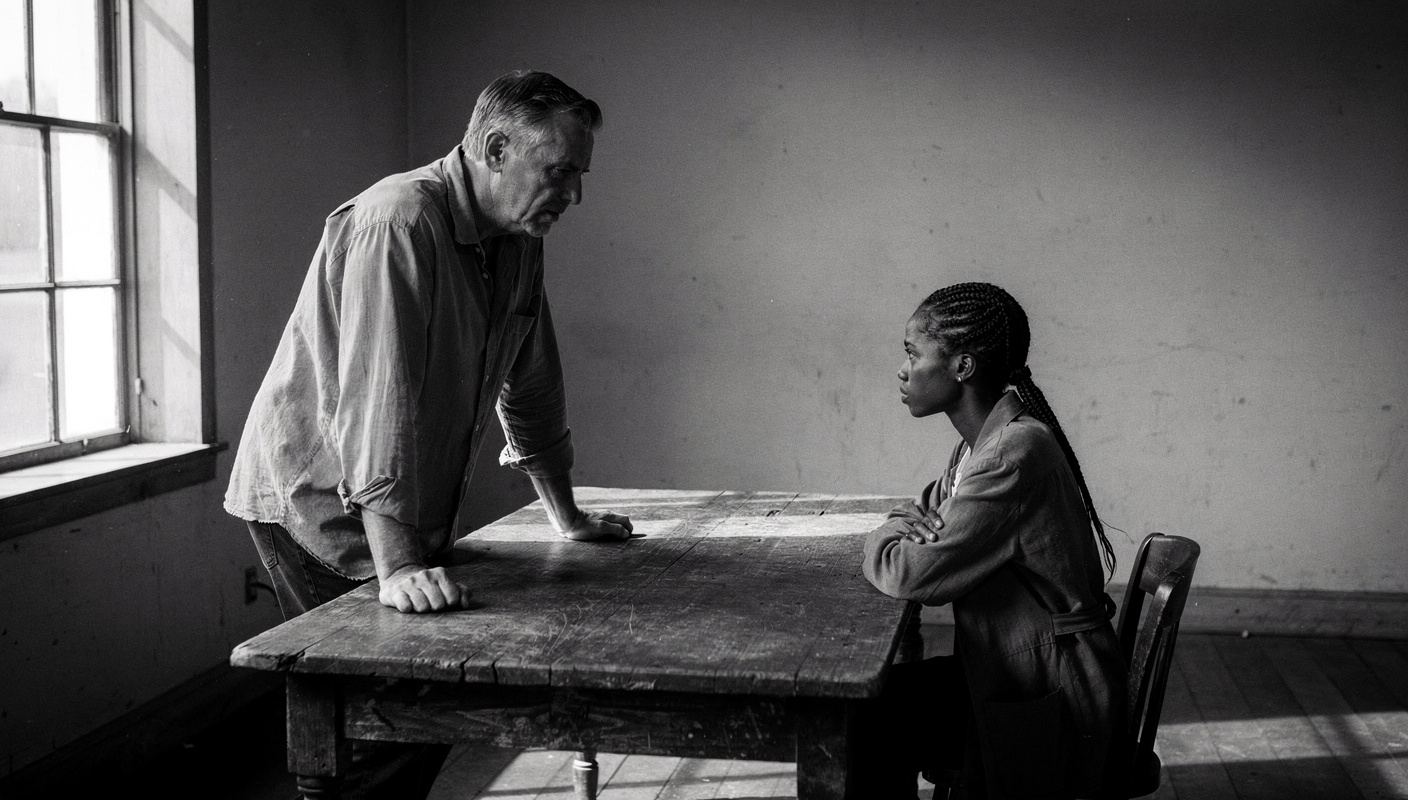
A second scenario: a team leader who struggled with feedback conversations. He understood that leaning slightly forward signals engagement, that nodding communicates listening, that a calm steady gaze holds space for the other person. In practice, he sat rigidly back in his chair the moment he delivered difficult news, as if physically creating distance. His direct reports consistently described feeling dismissed, even though his words were careful and considerate. The gap between his understanding and his physical behavior was costing him connection. You can read more about how this plays out in the dynamics of The Role of Emotional Intelligence in Team Synergy.
A third scenario: a salesperson who had memorized every principle of confident nonverbal communication. She could recite them back to you fluently. But in high-pressure client meetings, she spoke too quickly, gestured in tight circles near her chest rather than with expansive open hands, and broke eye contact at exactly the moments when holding it would have built trust. Her body had never been trained to do anything different under pressure. Her mind knew the answer. Her body had not caught up.
In each of these situations, the surface behavior was different. The root mechanism was the same.
Why Most People Miss This
If this insight is this important, why do so few people see it clearly? Because the gap is invisible right up until the moment it matters most.
We mistake information for skill. Reading an article, attending a workshop, watching a video, these feel productive. They produce a genuine sense of learning. But physical skills do not transfer from the page to the body through comprehension alone. We confuse knowing the principle with having the ability. The confusion is comfortable, and it lasts until the next high-stakes conversation exposes the truth. Building psychological safety in your team, for example, requires your body language to be consistently open and calm, not just your intentions.
We practice in our heads, not with our bodies. Mental rehearsal has real value. But imagining a confident posture and inhabiting one are not the same thing. Most people prepare for important conversations entirely in their minds, then wonder why their body reverts to old habits when the moment arrives. Physical expression practice requires physical rehearsal, including the discomfort of noticing what your body actually does.
We receive almost no useful feedback. Your colleagues are not going to tell you that your eye contact drops when you feel uncertain, or that your voice goes flat when you deliver difficult news. That kind of feedback feels too personal to offer without prompting. So you receive a great deal of feedback on what you said and very little on how your body said it. The gap remains invisible, and therefore unaddressed.
Awareness is the beginning. But awareness without application changes nothing.
What This Means for How You Communicate
Understanding this changes what you do in three specific ways.
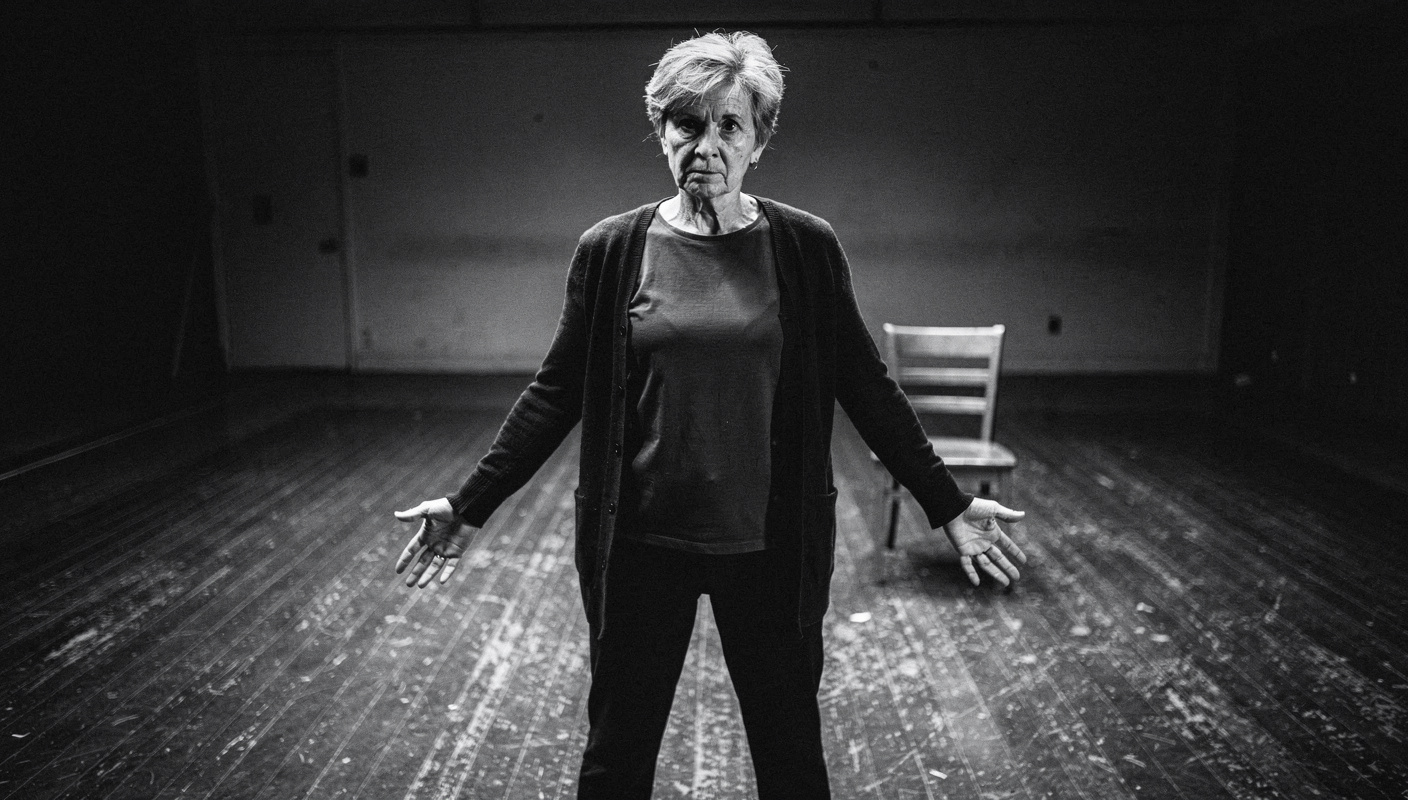
Treat physical expression as a physical skill. Stop expecting your body language to change because your understanding of it has improved. Identify one specific physical habit you want to change, whether that is your posture in meetings, your eye contact during feedback, or the speed of your speech under pressure. Then practice it deliberately, in low-stakes situations, until the new pattern begins to feel natural. This is how muscle memory is built. It is slow, and it works.
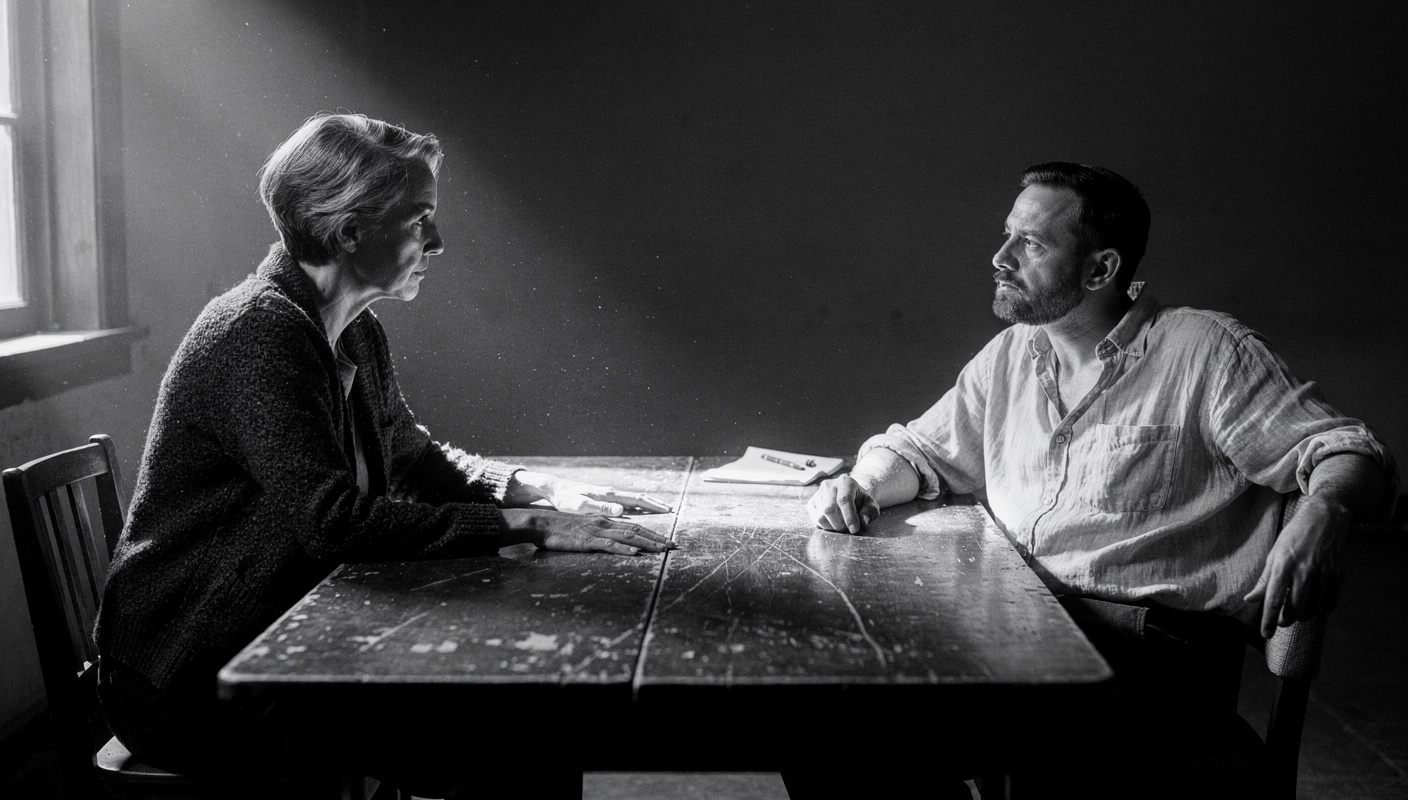
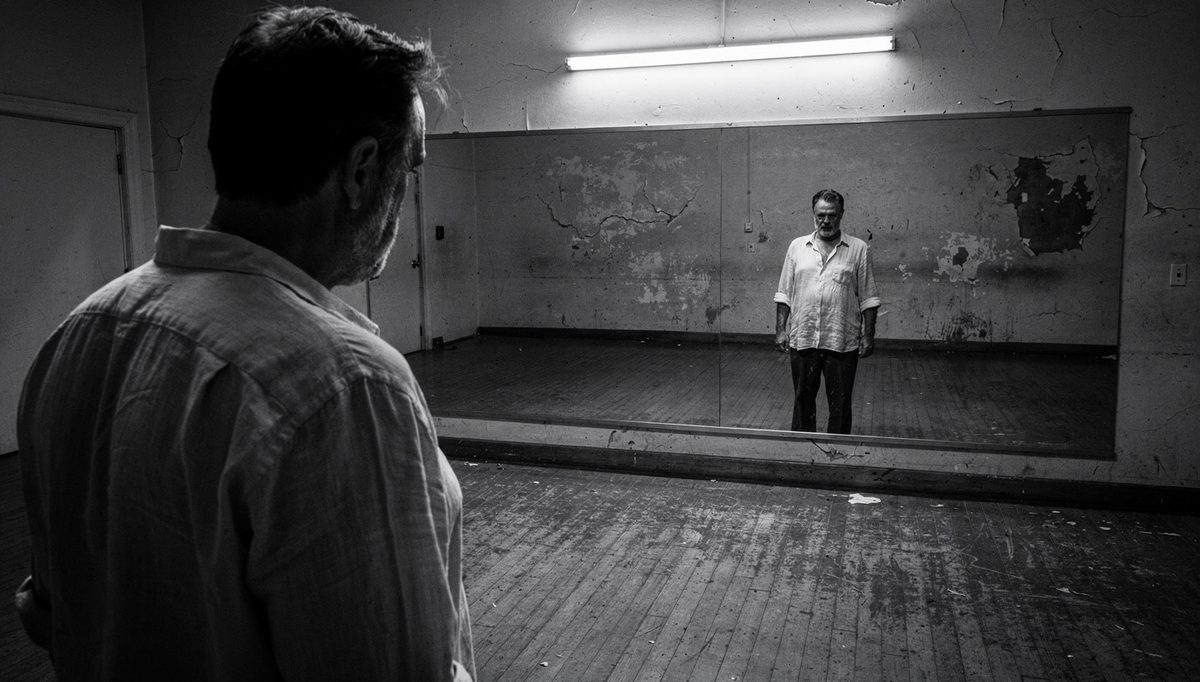
Rehearse under realistic pressure. The stress response is the enemy of everything you know about physical expression. So practice must include some version of pressure, not just calm repetition in front of a mirror. Ask a trusted colleague to challenge you during a practice conversation. Record yourself delivering difficult feedback and watch it back honestly. Your physical habits under pressure are different from your habits when relaxed, and you need to train the one that shows up when stakes are high. How to Give Feedback That Strengthens Team Synergy Instead of Breaking It and Emotional Intelligence in Feedback Conversations both address the moment when the body needs to hold steady.
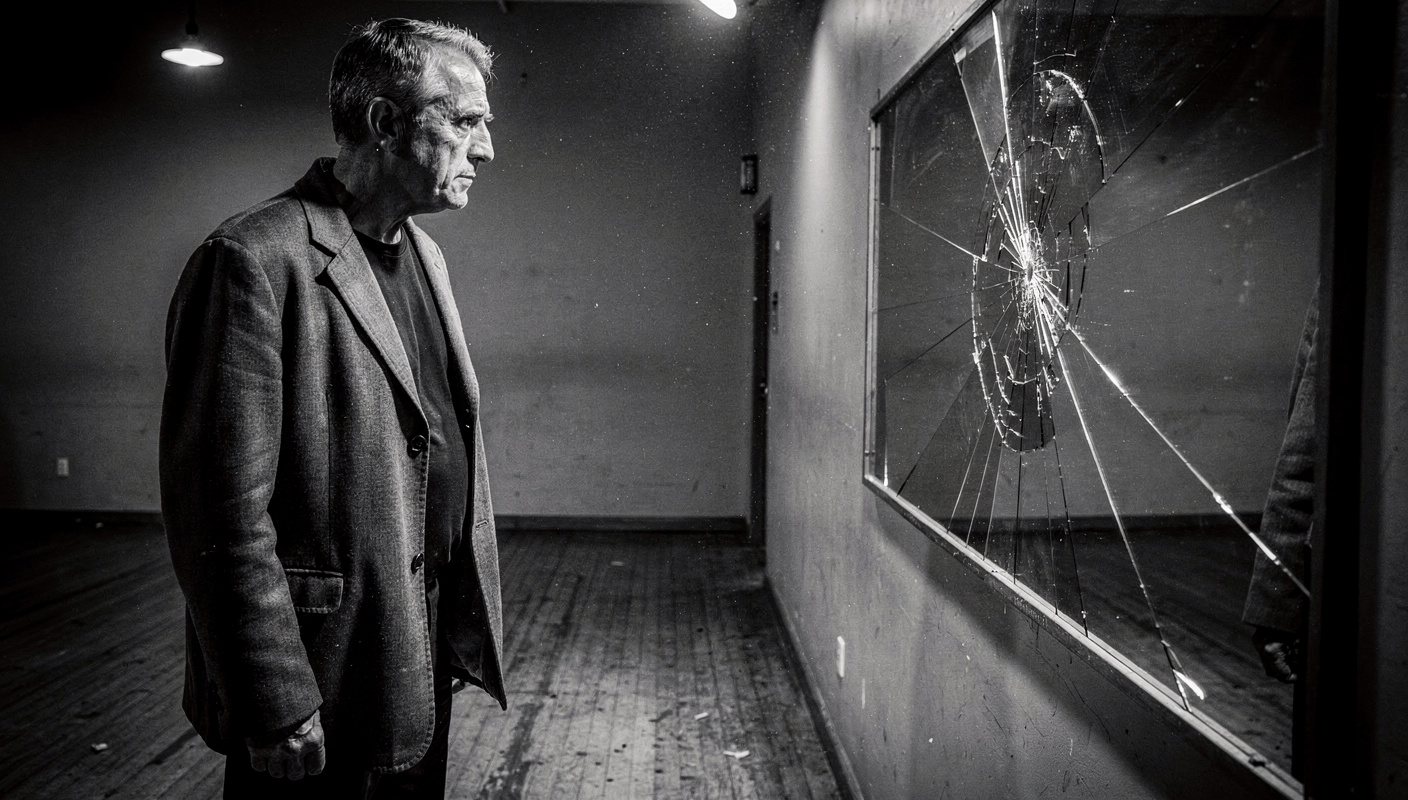
Seek specific, honest feedback on your physical presence. Ask someone you trust to observe not just what you say but how you hold yourself, where your hands go, what happens to your face when you receive pushback. Or record yourself. The first time you watch yourself on video, you will learn more about your physical expression in ten minutes than in years of self-reflection. Use what you see to build a targeted physical expression practice, not just a general intention to improve.
These are not new behaviors. They are the same behaviors, grounded in a deeper understanding of why they work.
Key Insights and Next Steps
The central truth of this article is this: knowing about physical expression and being skilled at it are separated by one thing, and that thing is deliberate, repeated practice under realistic conditions.
- Physical expression is a learned, trainable skill, not a fixed personality trait or natural gift.
- Intellectual knowledge of body language does not override habitual physical patterns when pressure arrives.
- The stress response is faster than conscious thought, which is why rehearsal under pressure is non-negotiable.
- Congruence between words and body is felt by others before it is ever analyzed, and it is built through practice, not intention.
- Honest feedback on how you physically appear to others is rare, valuable, and essential for closing the gap.
- The Say It Right Every Time framework addresses this gap directly through a structured practice plan that builds physical and verbal skills together, progressively, over time.
For the broader context of how physical expression shapes your relationships and your team's communication, the articles on How Psychological Safety Enables Honest Communication and Sustains Team Synergy, How Empathy Bridges in Team Communication Create the Conditions for Lasting Synergy, and How to Use the Empathy Bridge Before Delivering Critical Feedback are worth your time.
Your body has been communicating without your permission for years. Physical expression practice is how you take back the conversation.
Frequently Asked Questions (FAQ)
What is physical expression practice in communication?
Physical expression practice is the deliberate, repeated work of aligning your body language with your intended message. It moves beyond knowing what gestures or posture should look like and builds the muscle memory to produce them naturally, even under pressure or stress.
Why does understanding body language not improve physical expression?
Understanding body language gives you information, not skill. Your nervous system reverts to habitual patterns under pressure regardless of what you know intellectually. Only repeated physical practice, with feedback and self-awareness, rewires those habitual patterns into new, congruent behavior.
How do you close the gap between knowing and doing in body language?
You close the gap through deliberate physical expression practice: rehearsing specific gestures, postures, and eye contact in low-stakes situations before applying them in high-stakes ones. Recording yourself, seeking feedback, and slowing down to notice your physical habits all accelerate the process significantly.
What are the most common barriers to improving physical expression?
The three most common barriers are treating physical expression as purely intellectual knowledge, failing to practice under realistic pressure, and lacking feedback on how your body actually reads to others. Most people never observe themselves from the outside, so habitual tension and closed posture go unnoticed.
How long does it take to change physical expression habits?
There is no fixed timeline, but meaningful change in body language habits typically requires weeks of consistent, deliberate practice. Short bursts of daily rehearsal, combined with real-world application and honest self-review, produce faster results than occasional awareness alone.
Can physical expression be practiced without a communication coach?
Yes. Recording yourself during practice conversations, rehearsing in front of a mirror, and paying deliberate attention to your physical state before and during conversations are all effective self-directed methods. The key is honest observation, not just repeated performance.