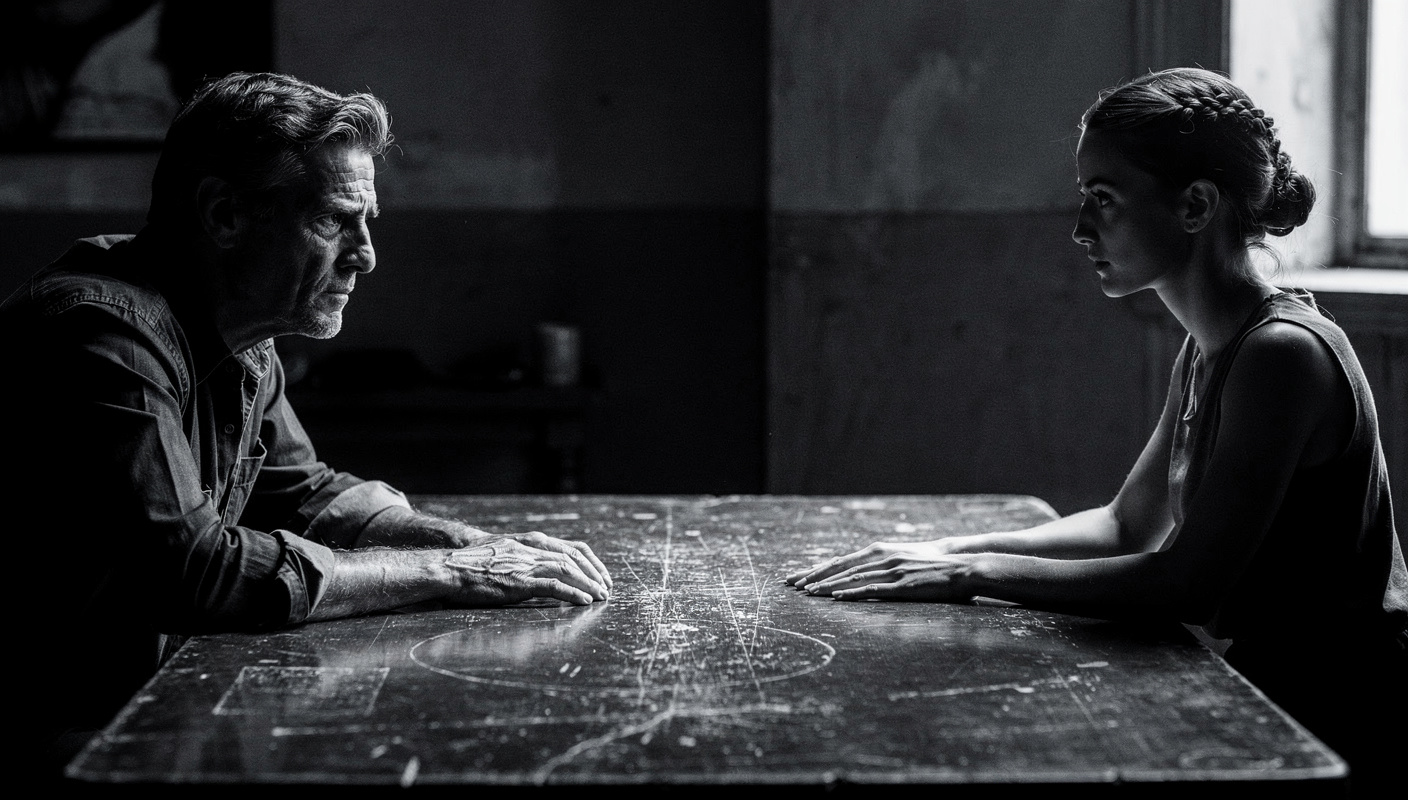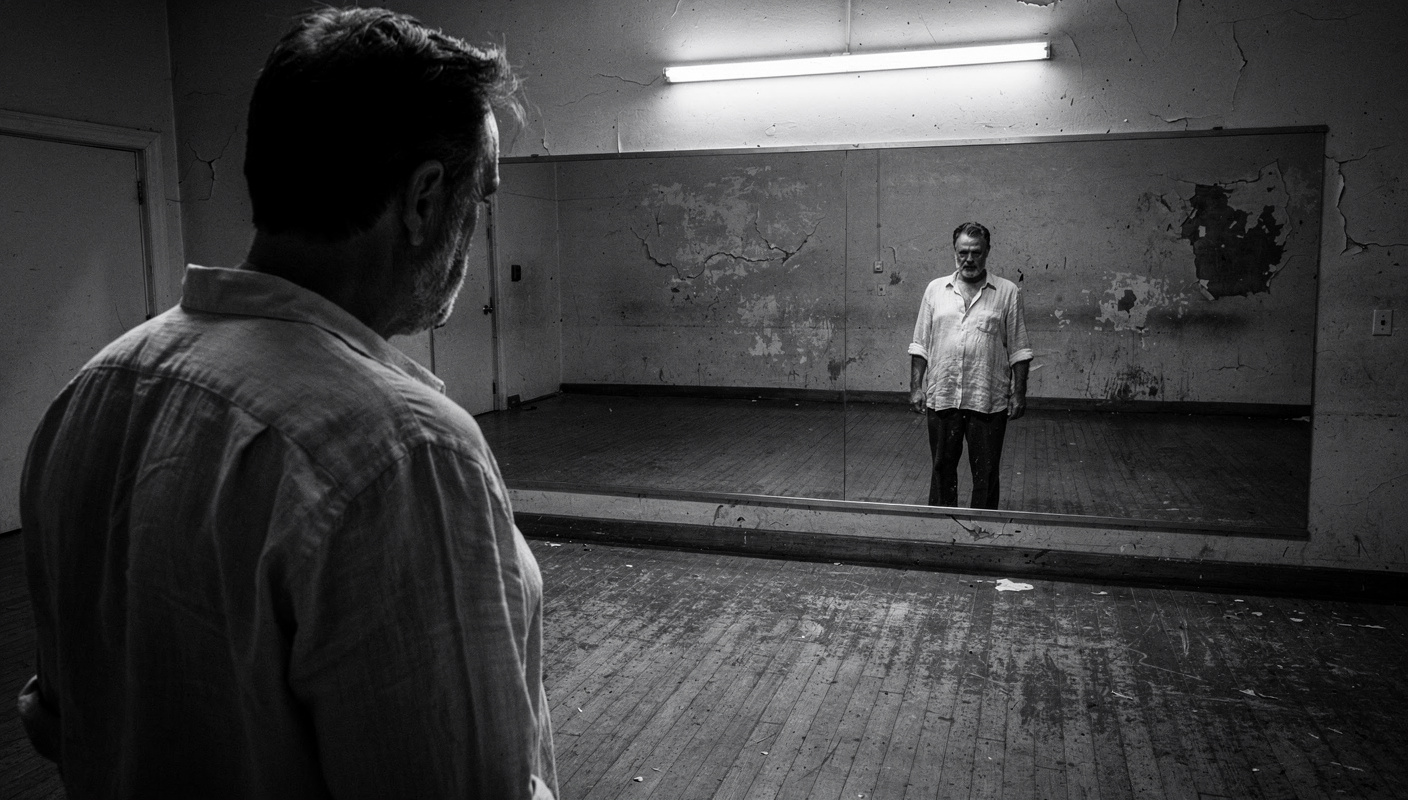

In Short
After reading this guide, you will be able to apply a clear, step-by-step process to align your physical expression with your words in any everyday conversation.
- Start with posture and stillness as your foundation before adding gesture or movement
- Practise one element at a time across real conversations, not in rehearsal alone
- Record and review yourself to close the gap between how you feel and how you appear
Physical expression skills are your capacity to use posture, gestures, eye contact, facial expressions, and movement to communicate meaning and build connection. When your body aligns with your words, people receive your message clearly and trust what you say.
You walked out of that meeting knowing something had gone wrong. Your words were right. Your preparation was solid. But the room had pulled away from you, and you could feel it. What you may not have known is that your body told a different story than your mouth did.
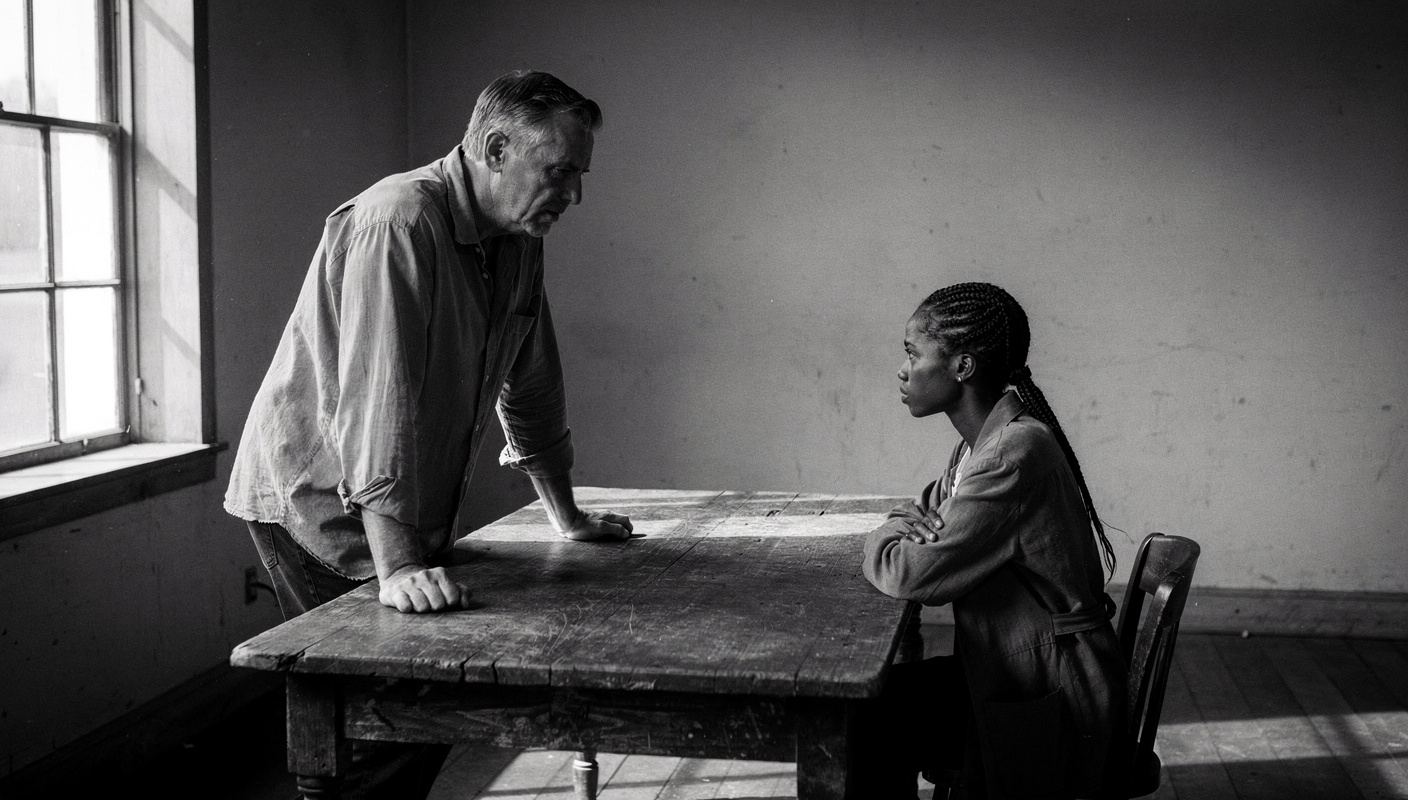
This is the specific problem with physical expression skills. Most people focus entirely on what they say and give almost no thought to how they carry themselves while saying it. The result is a mismatch: confident words delivered with a collapsed posture, an averted gaze, and hands that will not stay still. People read the body first. They always have.
The deeper reason this happens is not laziness. It is that most of us were never taught to notice our own physical presence in conversation. We feel nervous and do not realize our shoulders have crept toward our ears. We care deeply and do not realize we have crossed our arms.
In this guide, you will get a clear, practical process for building physical expression skills that you can use immediately.
Why Physical Expression in Conversations Is Harder Than It Looks
Knowing that body language matters and actually changing yours are two entirely different things. Most people have heard the advice a hundred times. Stand tall. Make eye contact. Use open gestures. And yet the next difficult conversation arrives, and the old habits return like water finding its level.
Here is why that gap is so persistent:
Your nervous system works against you. When a conversation feels high-stakes, your body tenses, your breathing shortens, and your natural physical presence collapses under the pressure. The very moments that call for strong physical expression are the moments your body defaults to self-protection.
You cannot see yourself. You experience your physical presence from the inside, and that experience is wildly inaccurate. You may feel calm and open while appearing rigid and closed to everyone in the room.
Habits are deep-rooted. The way you hold your body in conversation has been forming since childhood. A single workshop or one piece of feedback does not undo decades of patterning. Repetition across real situations is the only thing that works.
Changing one thing affects everything else. If you focus on your eye contact, your hands go strange. If you concentrate on your gestures, your posture suffers. The body is a system, and trying to manage all of it consciously at once is exhausting.
Authenticity feels threatened. Many people resist changing their physical expression because they fear it will make them seem rehearsed or false. This is a real concern, and it is worth taking seriously before you begin.
The goal is not to eliminate these difficulties. It is to build a system that works in spite of them.
"The Conversation You're Avoiding Is the One You Need to Have."
"The Conversation You're Avoiding
Is the One You Need to Have."
Stop rehearsing conversations you'll never have. Say It Right Every Time gives you 115 word-for-word scripts and 16 proven frameworks to speak with confidence in every conversation that matters.
The Foundation: What You Need Before You Start
Before you begin, there are three things that need to be clear.
Honest self-awareness first. You cannot improve what you cannot see. Before you change anything, you need an accurate picture of your current physical expression. This means watching yourself on video in a real or simulated conversation, not guessing based on how you feel inside. Most people are genuinely surprised by what they see.
One focus per conversation. Trying to overhaul your entire physical presence at once will make you self-conscious and worse, not better. Choose one element to practise during a specific conversation: just your posture, or just your eye contact. Build the system one brick at a time, and the structure will hold.
Low-stakes practice before high-stakes moments. Your daily conversations, casual catch-ups, and routine check-ins are your training ground. Do not save your practice for the boardroom. The work happens in the ordinary moments, so that the ordinary habits carry you through the critical ones.
Get these right first. The steps that follow will not work without them.
Step 1: Establish Your Physical Baseline
This step gives you the honest starting point that all real improvement depends on.
Before you can direct your physical expression, you need to know what it actually looks like right now. Most people skip this step entirely, which is why they keep making the same adjustments and seeing no lasting change. Your internal sense of how you hold yourself is an unreliable narrator.
- Record a short video of yourself in a genuine low-stakes conversation. A phone propped on a shelf during a coffee chat works perfectly.
- Watch the video once without pausing, paying attention to overall impression rather than specific details.
- Watch it a second time and note three specific observations: what your posture communicates, what your hands are doing, and where your gaze tends to land.
- Ask one trusted person to describe your physical presence in one sentence. Their answer will often surprise you.
- Write down your three observations in plain language. Not "I need to improve my body language," but "My shoulders turn slightly away from the person I am speaking with."
Here is what this looked like for me. I was in my late thirties before I watched myself present on video. I had been told I was a confident speaker. What I saw on that tape was a man who nodded constantly, like a dashboard ornament on a rough road. I had no idea. That one observation changed how I prepared for conversations for the next two decades.
This step does not judge you. It simply shows you where you are standing.
Step 2: Reset Your Posture Before Every Conversation
Posture is the foundation of all physical expression, and it is the one element you can set deliberately before any conversation begins.
The way you hold your body communicates your level of presence and respect before a word is spoken. A collapsed posture, even an unconscious one, tells the other person that you are distracted, uninterested, or uncomfortable. A grounded, upright stance does the opposite. This is not about performing confidence; it is about removing the physical signals that contradict your intentions.
- Stand or sit with your weight evenly distributed. Notice whether you are leaning heavily to one side or perching forward on the edge of your seat.
- Gently draw your shoulders back and down. Not a military brace, just enough to open your chest.
- Let your feet rest flat on the floor if you are seated, or shoulder-width apart if you are standing.
- Take one slow breath before the conversation begins. This alone will lower your shoulders by an inch and slow the nervous energy that tightens your posture.
- Check in briefly mid-conversation, especially during pauses. A single breath and a small shoulder-roll can reset your physical presence without anyone noticing.
This step also matters because posture shapes how you feel, not just how you appear. A grounded stance calms the nervous system and gives you access to a steadier, more direct voice. The body leads the mind as often as the mind leads the body.
Step 3: Use Eye Contact as a Tool for Connection
Eye contact is one of the most powerful physical expression tools you have, and most people either under-use it or turn it into a staring contest.
The goal is not to lock eyes relentlessly. It is to use your gaze to signal attention, signal that you have finished a thought, and signal that you are genuinely listening. Done well, eye contact is what makes another person feel they are the only person in the room. Done poorly, it either disappears entirely or becomes unnerving. If you want to understand how eye contact shapes the dynamic in group settings, The Role of Communication in Meeting Success is worth reading alongside this guide.
- When the other person is speaking, hold your gaze on their face for three to five seconds at a time before glancing briefly away. This is attentive without being intense.
- When you are the one speaking, make eye contact at the start of a thought to establish connection, and again at the end of a thought to land your point.
- In a group conversation, deliberately bring your eye contact to each person as you move through a key point. This distributes presence and builds broader engagement.
- Practise this specifically in low-stakes conversations, where you can focus on the habit without the pressure of the content.
- Notice the difference in the other person's response when your eye contact is steady. Most people lean in. That is the tool working.
A manager I once worked with complained that her team did not take her seriously in meetings. She was sharp, well-prepared, and clear. But she had a habit of looking down at her notes at the exact moment she delivered her most important point. The message landed in the floor. We spent two weeks on nothing but eye contact at the close of each sentence. The team's response shifted noticeably within the first week.
Strong eye contact does not just communicate confidence. It communicates respect. Use it that way.
Step 4: Open and Still Your Hands
Your hands are the most expressive part of your body after your face, and they are also the most likely to betray your nerves.
Hands that fidget, grip each other, hide in pockets, or flutter without purpose undermine the message your words are carrying. The goal is not to freeze your hands into stillness, but to make your gestures deliberate, open, and proportionate to what you are saying. Purposeful gestures reinforce meaning. Nervous habits cancel it.
- Begin from a resting position with your hands relaxed in your lap or loosely at your sides. This is your neutral position, and you should return to it between gestures.
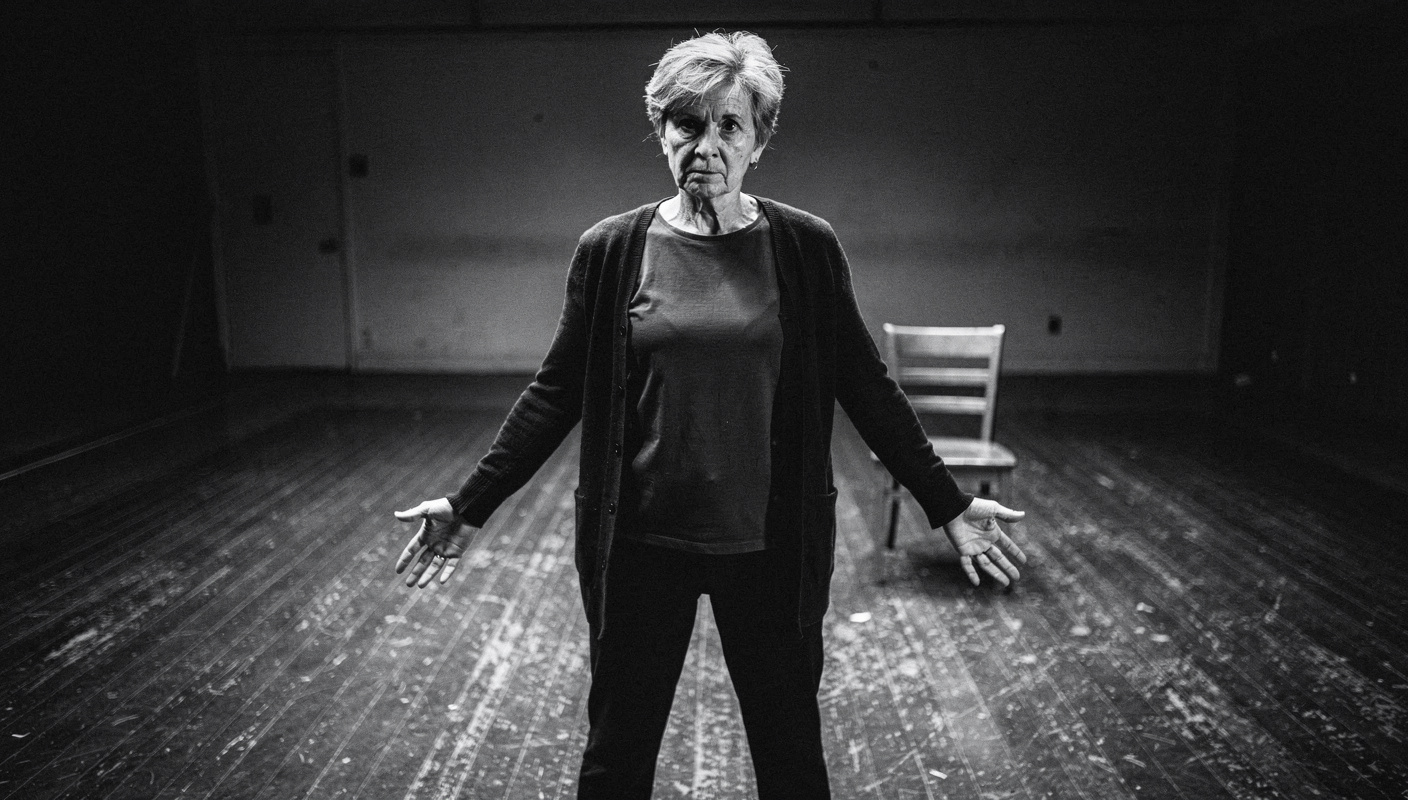
- Practise open-palm gestures: when you want to invite agreement or signal honesty, turn your palm upward as you make a point. This is one of the most naturally disarming gestures in conversation.
- When making a structured point, use your fingers to count or segment. "There are two things I want you to consider" is far more grounded when accompanied by two deliberate fingers rather than a vague wave.
- Avoid self-touching gestures: touching your face, rubbing your neck, or fidgeting with jewellery. These signal anxiety and pull attention away from your words.
- Record yourself once a week specifically to audit your hands. You will catch habits you cannot feel while they are happening.
The moment you stop fighting your hands and start directing them, they become one of your most effective tools for physical expression.
Step 5: Match Your Facial Expression to Your Message
Your face can contradict everything your words are trying to do, and most people have very little awareness of their resting expression during serious conversations.
A neutral face in a difficult moment can read as cold, dismissive, or bored, none of which you intend. A forced smile in a serious exchange erodes trust. The goal is congruence: your facial expression and your words should be telling the same story at the same time. This matters most during feedback conversations, where people are reading your face intensely. If you want to go deeper on this, Emotional Intelligence in Feedback Conversations addresses exactly this territory.
- Before difficult conversations, soften the muscles around your eyes and jaw consciously. Most people carry tension there and do not realize it.
- Practise a slight nod of acknowledgement when someone finishes a point. This signals active listening without requiring you to speak.
- Let your concern show when the topic is serious. A slight lean forward and a gentle furrowing of the brow communicates that you are engaged, not detached.
- After recording yourself, focus one complete review session only on your facial expressions. Watch what your face does during pauses, during listening, and at the close of your own points.
- Ask a trusted colleague: "When I am listening in a difficult conversation, what does my face communicate?" The answer will be informative.
Here is the truth of it: a friend once told me that I had a habit of looking stern when I was concentrating. I thought I looked focused. She told me I looked like I was preparing to fire someone. That one piece of feedback changed how I practise facial awareness to this day.
After this step, your face and your words will begin to pull in the same direction, and people will start to feel that alignment without being able to explain why they trust you more.
Step 6: Control the Space Between You and Others
Proximity is a largely unconscious element of physical expression, but it shapes the emotional tone of a conversation as directly as anything else you do.
Stand too far away and you signal detachment. Move in too close and you create discomfort. The physical distance between two people in conversation is a form of communication in itself, one that shifts with the relationship, the setting, and the sensitivity of the topic. Learning to read and adjust this distance is a mark of genuine conversational skill. This principle is especially relevant when you are working to ensure every participant gets heard in group settings.
- In one-to-one conversations, a comfortable working distance is roughly arm's length. Closer than that suggests intimacy; further signals formality or discomfort.
- When someone steps back slightly during your conversation, register that signal. It often means they need a little more space, and honouring it maintains trust.
- In group settings, be deliberate about where you position yourself. Standing slightly off-centre rather than at the head of a table changes the dynamic from performance to dialogue.
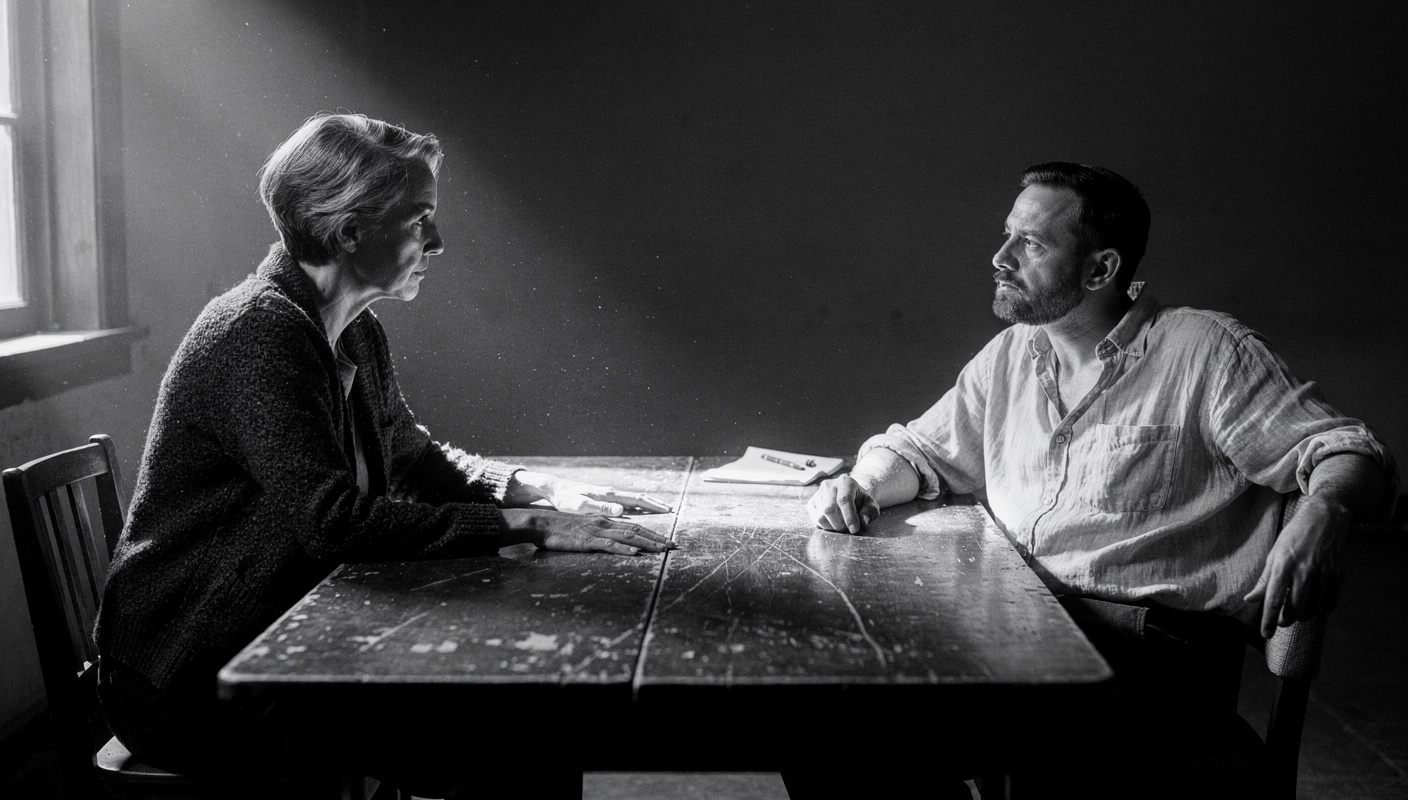
- Mirror the other person's physical orientation gently. If they turn slightly to face you more directly, match that shift. This builds unconscious rapport.
- In difficult conversations, reducing the physical distance slightly, if appropriate to the relationship, signals care rather than confrontation. Combined with an open posture, it changes the entire tone.
Managing proximity well communicates that you are aware of the other person as a full human presence, not just an audience.
Step 7: Practise Stillness Under Pressure
This is the step where physical expression skills become real mastery. Anyone can hold good posture in a calm conversation. The test is what your body does when the pressure rises.
Under pressure, the body wants to move. Feet shift. Weight rocks. Hands reach for something to hold. These micro-movements bleed out the strength of your message. Stillness under pressure is not about suppressing emotion. It is about having enough physical command that your body does not betray your thinking before you have finished it. For contexts where conversations become genuinely tense, the same principle applies directly, as explored in How to Handle Conflict During Meetings.
- Identify your personal stress habit. For some people it is a foot tap; for others it is a pen click, a shoulder-rise, or a head-duck. You need to know yours.
- In the next high-stakes conversation, plant your feet flat and consciously release the tension from your jaw before you respond to a difficult point.
- Use silence as a physical anchor. When challenged, a brief pause with a still body and direct eye contact is one of the most powerful responses available to you.
- Practise the pause deliberately in low-stakes moments. Ask yourself a slightly difficult question out loud and respond only after a full three-second beat.
- When you feel the urge to physically retreat from a conversation, lean very slightly forward instead. The gesture is small. The effect on the dynamic is not.
This much I know for certain: the person who can stay physically still when the room is difficult is the person the room turns toward. Stillness is not passivity. It is strength made visible.
Adapting This Process for Remote and Video Conversations
Video calls have changed the rules of physical expression in ways most people have not yet caught up with.
On a video call, the camera flattens depth, crops most of your body out of the frame, and compresses your physical presence into a small rectangle on someone's screen. The gestures and posture adjustments that work powerfully in a room become invisible or, worse, distracting when poorly framed.
Camera height and framing matter more than you think. If your camera is below eye level, you are communicating from a position that reads as collapsed or uncertain. Raise your camera to eye level so your gaze meets the lens directly. Frame yourself from mid-chest upward so that your upper-body gestures remain visible.
Eye contact means looking at the lens, not the screen. This is the hardest adjustment in remote physical expression. When you look at the other person's face on your screen, you appear to be looking slightly downward to them. Train yourself to look at the camera lens, especially when you are making a key point or listening closely.
Your face carries the full load. With most of your body hidden from view, your facial expression does the work that your whole body would do in person. Invest more deliberate energy in facial engagement: nods, slight expression shifts, and genuine attentiveness all land harder on camera than they do in the room. How Leaders Can Model Effective Feedback Behavior touches on this dimension of presence for those in leadership roles.
Gestures must be conscious and contained. Large gestures that would read well in a room become disruptive on screen. Keep your gestures within the frame and use them sparingly for emphasis.
The core process for building physical expression skills does not change on video. Only the execution changes.
Common Mistakes When Building Physical Expression Skills
Let me tell you about the mistakes I see most often. I have made most of them myself.
The mistake: Trying to change everything at once.
Why it happens: People attend a training session or read an article and attempt a complete physical overhaul in the next conversation.
What to do instead: Choose one element per week. Master your posture before you touch your gestures. Build the foundation before the walls.
The mistake: Practising only in high-stakes situations.
Why it happens: People save their best effort for important meetings and forget that habit is built in the ordinary moments.
What to do instead: Use every conversation, however casual, as a training ground. The habits formed in small moments are the ones that hold under pressure.
The mistake: Mistaking rigidity for strength.
Why it happens: When people focus on "strong body language," they tense up, lock their posture, and forget to breathe.
What to do instead: Strong physical expression is grounded and relaxed, not stiff. Think of a tree in light wind: rooted, not rigid.
The mistake: Never watching yourself on video.
Why it happens: It is uncomfortable. Most people avoid it because what they see does not match how they feel.
What to do instead: Record yourself once a week in a real conversation. The discomfort fades after three sessions. The learning does not.
The mistake: Ignoring the other person's physical signals while managing your own.
Why it happens: When people are self-conscious about their own expression, they stop reading the room.
What to do instead: Physical expression is a two-way system. Give equal attention to what the other person's body is telling you, and respond to it. For guidance on reading group dynamics, How to Deal with Dominant Voices in a Discussion is a useful companion piece.
The mistake: Treating physical expression as separate from the relationship.
Why it happens: People focus on technique and forget that physical presence is about connection, not performance.
What to do instead: Every adjustment you make should serve the other person's sense of being heard and respected. Keep that purpose in front of you. When physical expression serves connection, peer-to-peer relationships strengthen naturally.
These are not character flaws. They are gaps in the system. Fix the system.
Your Practical Checklist
Use this checklist before you begin and after each practice cycle.
- I have watched at least one video of myself in a real conversation this week
- I know my three specific physical expression habits that need attention
- I have chosen one single element to focus on in my next conversation
- I reset my posture deliberately before the conversation began
- My feet were flat and my weight was even throughout the exchange
- My hands rested in a neutral position between deliberate gestures
- I held eye contact at the close of each key point I made
- My facial expression matched the tone of the content I was delivering
- I noticed the other person's physical signals and adjusted my proximity accordingly
- I used stillness rather than movement when I felt pressure rising
- I identified one specific thing to practise differently in my next conversation
If you cannot check most of these, that is your starting point.
Summary and Next Steps
You now have a complete, step-by-step process for building physical expression skills that you can apply in any everyday conversation starting today. You can move from vague awareness that your body matters to deliberate, practised control of the signals your body sends.
- Establish your baseline first. You cannot improve what you cannot honestly see.
- Build on posture before anything else. It is the ground everything else stands on.
- Eye contact is a tool for connection, not a test of nerve. Use it with intention.
- Your hands reinforce or contradict your words. Direct them; do not suppress them.
- Facial congruence is the difference between being heard and being trusted.
- Stillness under pressure is a learnable skill. It is where real presence is earned.
- Practise in the small moments. That is where lasting habits are formed.
If you want to put this to work in a specific setting, start with The Role of Communication in Meeting Success, which addresses how physical presence shapes group dynamics. If you work closely with others and want to understand how your physical expression lands in feedback moments, Emotional Intelligence in Feedback Conversations is your next step. And if you are responsible for others' development, How Leaders Can Model Effective Feedback Behavior shows how physical expression sets the tone for an entire team.
Building physical expression skills is not about performing confidence. It is about removing the noise between what you mean and what people receive.
Frequently Asked Questions (FAQ)
What are physical expression skills in communication?
Physical expression skills are your ability to use posture, gestures, eye contact, and facial expressions to reinforce what you say. When your body and your words align, people trust you more quickly. When they do not align, people trust your body over your words every time.
How do you improve physical expression in everyday conversations?
You improve physical expression by practising one element at a time: start with your posture, then build toward eye contact, open gestures, and deliberate movement. Small, consistent changes made across real conversations produce lasting improvement faster than any single training session.
Why does physical expression matter in communication?
Physical expression matters because people read your body before they process your words. Posture, proximity, and facial expressions shape how credible, confident, and approachable you appear to others in any setting, often before you have spoken a single sentence.
What are common mistakes in physical expression during conversations?
The most common mistakes include crossed arms that signal defensiveness, avoiding eye contact that signals disengagement, and nervous gestures that undercut confident words. Most people are unaware of these habits until they watch themselves on video or receive direct feedback.
How does physical expression affect trust in a conversation?
Physical expression builds or erodes trust within the first few seconds of an interaction. An open stance, steady eye contact, and still, deliberate hands signal that you are present and credible. Closed or erratic body language creates distance, even when your words are warm.
Can physical expression skills be practised outside of conversations?
Yes. You can practise posture and stillness anywhere: waiting, walking, or sitting at your desk. Recording yourself on video and reviewing your gestures in low-stakes conversations gives you honest feedback that is difficult to get any other way.