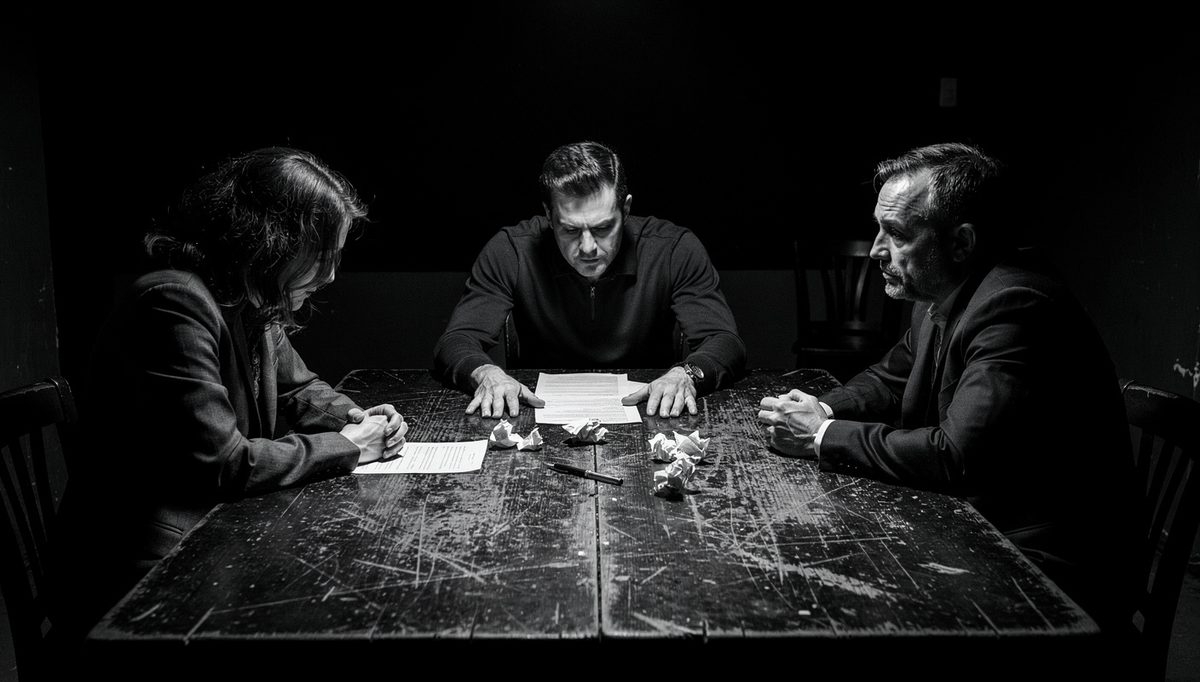

In Short
Mediation fails quietly. The mistakes that derail sessions rarely feel like mistakes in the moment.
- Beginner mediators most often fail by pushing for resolution before trust is built.
- Appearing neutral and being neutral are two very different things, and parties always sense the gap.
- Preparation and structure protect everyone in the room, including you.
Mediation mistakes beginners make are the errors in technique, neutrality, and process that cause early-stage mediators to lose control of sessions, damage trust between parties, or produce agreements that do not hold. They stem from inexperience, not bad intentions.
You thought the session went well. Both parties shook hands. The conversation stayed civil. You walked out believing you had helped. Then, three weeks later, the conflict was back, louder than before, and one of the parties told your manager that the mediation felt rigged.
That gap between what you thought happened and what actually happened is where most beginners live. Mediation mistakes are almost never obvious in the moment. They feel like good instincts. You jump in to calm things down. You push toward a solution because the tension is unbearable. You nod a little too often at one party's account because, honestly, they have a stronger case. None of that feels like an error while you are doing it.
This article names what those errors actually are, explains why they happen to even the most well-meaning people, and gives you a clear first move toward doing this better.
Why Mediation Goes Wrong Before Anyone Raises Their Voice
Let me tell you something I learned the hard way. Most mediation sessions are not lost during the difficult moments. They are lost in the ten minutes before anyone sits down, or in the first five minutes after they do. Beginners focus on managing conflict. Experienced mediators focus on building the conditions that make resolution possible. That is the entire difference.
The mistakes below are not character flaws. They are predictable errors that happen when someone has learned what mediation is supposed to look like but has not yet developed the feel for what it actually requires. Every one of them, I have made myself.
"The Conversation You're Avoiding Is the One You Need to Have."
"The Conversation You're Avoiding
Is the One You Need to Have."
Stop rehearsing conversations you'll never have. Say It Right Every Time gives you 115 word-for-word scripts and 16 proven frameworks to speak with confidence in every conversation that matters.
The Six Mediation Mistakes Beginners Make Most Often
1. Skipping Ground Rules Because the Room Feels Cooperative
- What it looks like: The mediator opens with a brief introduction and moves straight into hearing from both parties. The atmosphere seems calm, so formal ground rules feel unnecessary. Why it happens: Beginners confuse early cooperation with readiness. The parties are polite because the difficult part has not started yet. Why it matters: Without agreed ground rules, you have no framework to return to when things heat up. You end up improvising authority in the middle of an argument, which almost never works. What to do: Before anyone speaks to their grievance, establish three simple rules out loud and get verbal agreement: one person speaks at a time, no interrupting, and either party can request a break. Write them on a piece of paper and leave it visible. This gives you something concrete to point to rather than opinions to assert.
Eamon's note: Ground rules are not bureaucracy. They are the foundation. You cannot build anything lasting on ground you have not prepared.
2. Letting One Party Tell the Full Story First
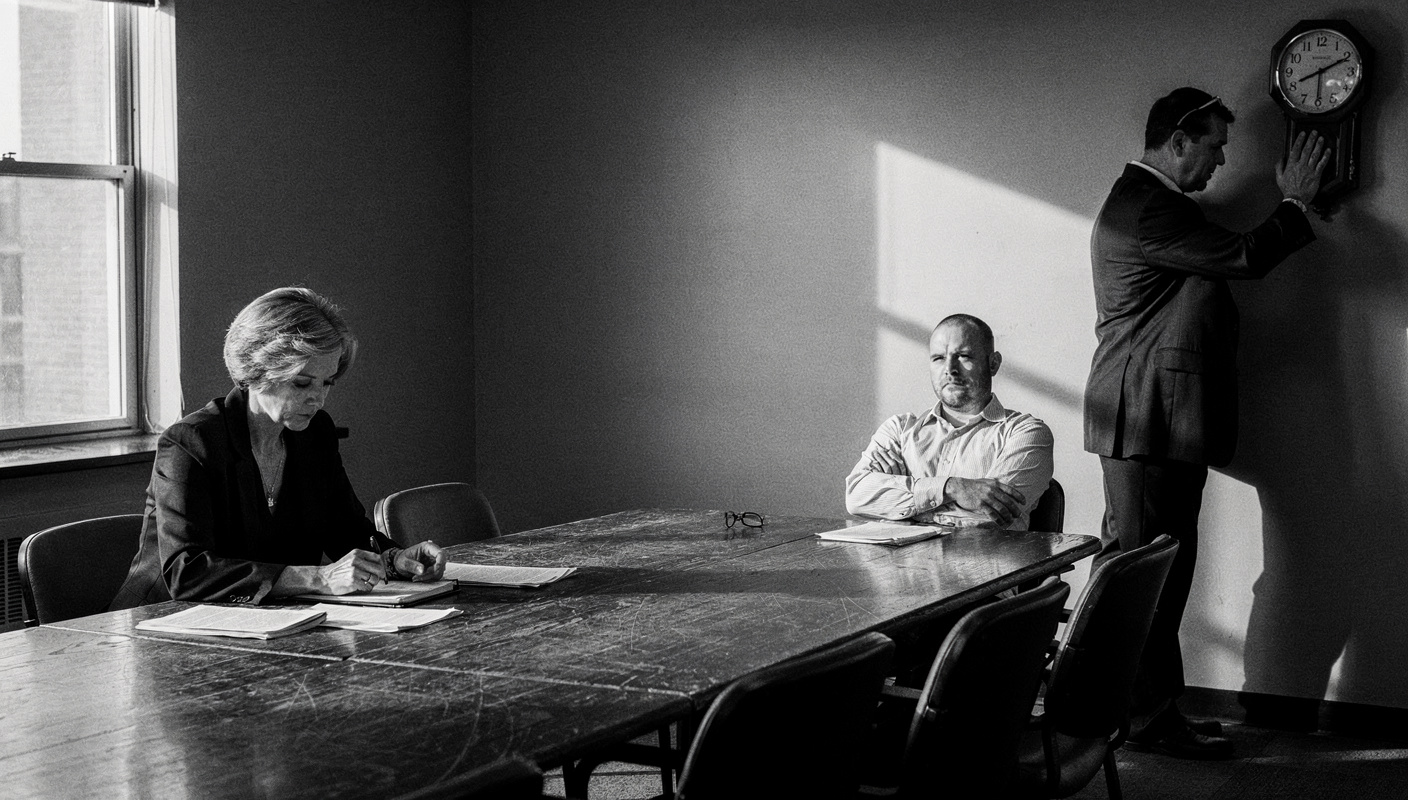
- What it looks like: The mediator invites Party A to explain their perspective completely, then invites Party B. By the time Party B speaks, Party A has framed the entire narrative, and Party B is already on the defensive. Why it happens: It feels fair to let each person finish. Linear turn-taking seems orderly. But it gives the first speaker structural power over the session. Why it matters: The second party's account now exists in reaction to the first. Their emotions are higher, their language is more combative, and the mediator has already formed an impression. The conversation is off-balance before it has properly begun. What to do: Use brief, alternating openings. Ask each party for a single sentence describing what they most need from today's session. Then circle back for fuller accounts, but interrupt the structure early so neither party owns the narrative. If you find the emotional temperature rising quickly, the strategies in this guide on defusing heated conversations are worth having ready.
Eamon's note: Whoever speaks first shapes the room. Know this before you open your mouth.
3. Confusing Sympathy With Impartiality (The Non-Obvious One)
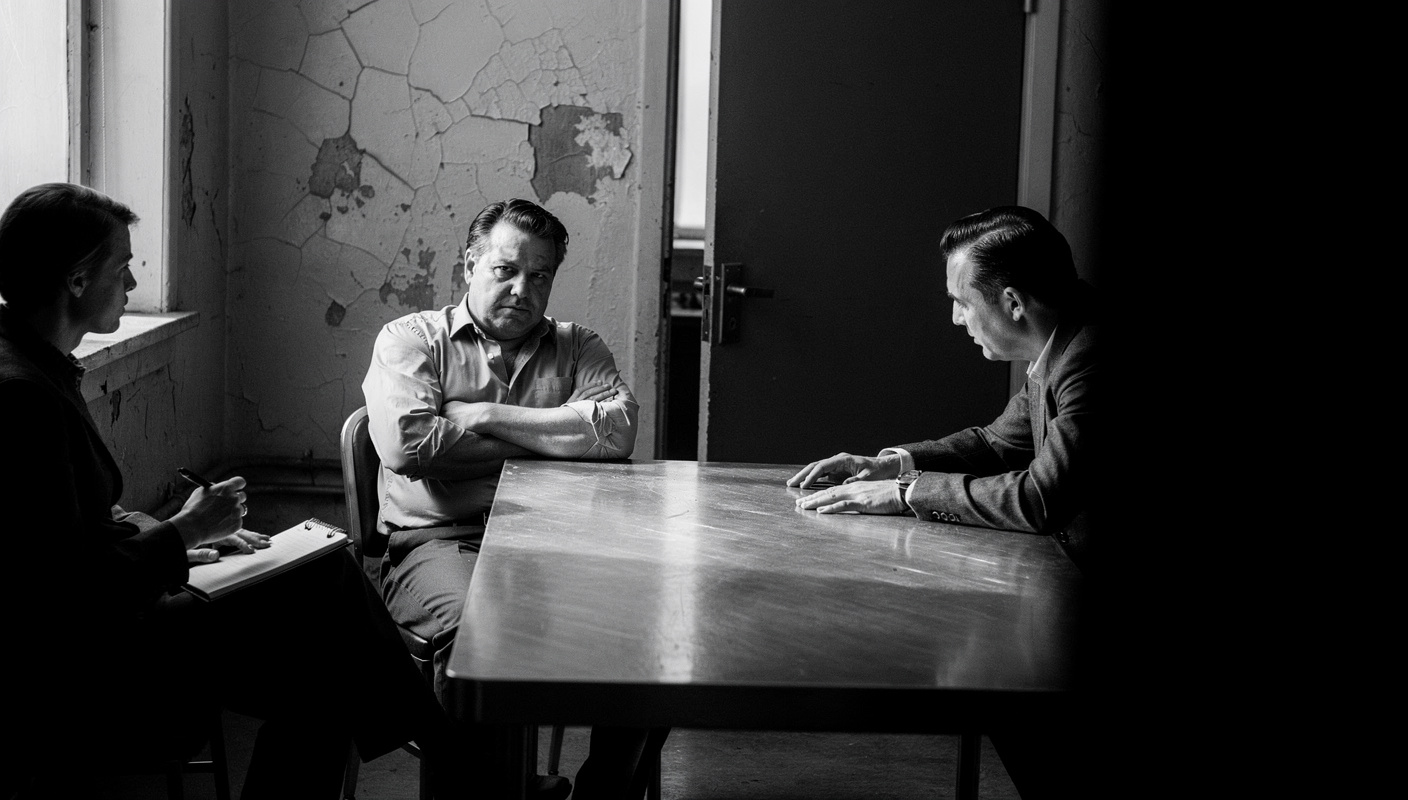
- What it looks like: The mediator listens with equal attention to both parties, reflects back what each says, and never openly agrees with either. They believe they are neutral. But their body language, their pace of questioning, and the warmth in their voice shift depending on who is speaking. Why it happens: This is the most counterintuitive mistake on this list. You may be holding your words to a strict standard of neutrality while your body broadcasts a preference. People who have been in conflict are hyperaware of signal. They notice everything. Why it matters: The moment one party senses you favour the other, the session is effectively over. They will agree to anything to leave, or they will stop cooperating entirely. Either outcome produces nothing that lasts. What to do: After each session, ask yourself: did I lean forward more for one party? Did I probe their account less? Did I soften my voice differently? Awareness is the first corrective. A trusted observer sitting in on a practice session can catch what you cannot see from inside the room.
Eamon's note: Neutrality is not a position you hold in your head. It is something the other person has to feel in their bones.
4. Pushing for Resolution Before the Parties Feel Heard
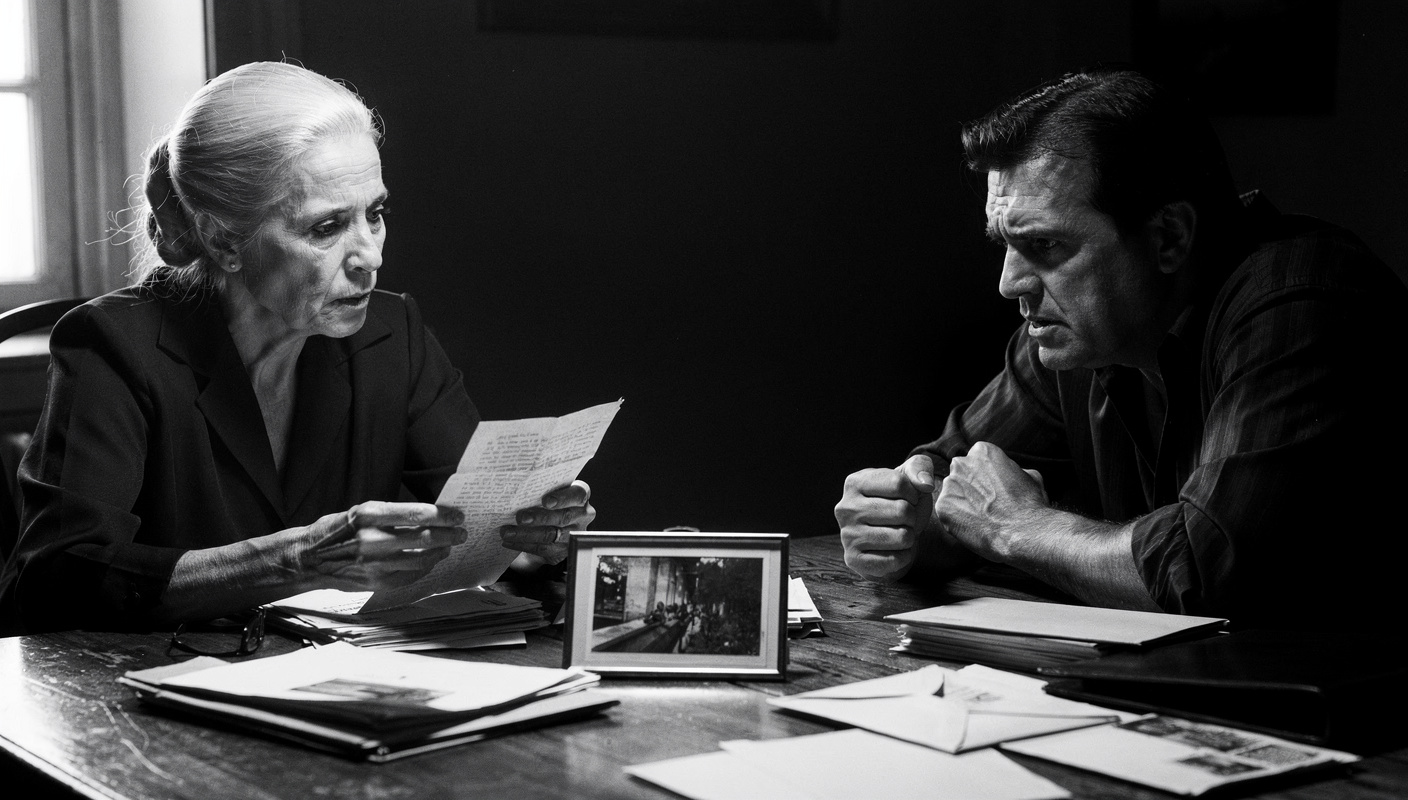
- What it looks like: Midway through the session, the mediator begins steering toward solutions. They summarise the common ground, suggest possible outcomes, and try to move the conversation forward. The parties agree, but their agreement is hollow. Why it happens: The discomfort of sustained conflict is real. Beginners want to fix things. Moving toward resolution feels like progress, and it relieves the pressure in the room. Why it matters: People do not commit to agreements they feel were managed out of them. If a party still feels unheard when the agreement is signed, they will find a way to unravel it. The agreement was just their exit from an uncomfortable room. For a practical method for working through conflict stages at the right pace, the D.E.A.L. method for resolving workplace tension gives you a sequence that does not rush the process. What to do: Before you introduce any solution-focused question, ask each party directly: "Do you feel that what matters most to you has been understood?" Wait for a genuine answer, not a polite one.
Eamon's note: A resolution nobody believes in is worse than no resolution. At least an impasse is honest.
5. Speaking Too Much
- What it looks like: The mediator summarises frequently, restates points, bridges between parties, and fills silence with facilitative language. They are working hard and it shows. But the parties are increasingly quiet and the mediator is increasingly loud. Why it happens: Silence is threatening to inexperienced mediators. It feels like failure, like something has broken. So they fill it. Why it matters: Your job is not to be the voice in the room. It is to create the conditions in which the parties find their own voice. When you speak too much, you take up space that belongs to them, and you signal, unintentionally, that you do not trust the process. What to do: Set a rough rule for yourself: speak for no more than 20 percent of the session. Ask one question, then wait. Count to ten in your head after the answer. The discomfort you feel in that silence is not a sign something is wrong. Often, it is the exact moment something true is about to be said.
Eamon's note: The best thing I ever did as a mediator was learn to shut up. It took years.
6. Failing to Meet the Parties Separately Before the Session
- What it looks like: The mediator arranges a joint session, both parties arrive, and the mediation begins. The mediator learns the core issues in real time, in front of both parties. Why it happens: Separate pre-meetings feel like extra work, and some beginners worry it appears biased to speak with one party before the other. Why it matters: Walking into a joint session without knowing each party's underlying interests, their emotional state, or whether there is a power imbalance between them is like walking into a storm without knowing which direction the wind is blowing. Understanding what drives each person, beyond their stated position, is foundational. Unmet needs are almost always the real engine of conflict, and you will not discover them in a joint room if the parties do not yet trust you. What to do: Schedule a short, individual conversation with each party before any joint session. Keep it structured: what do you most need from this process, and what would a good outcome look like for you? Meet them in the same room, for roughly the same amount of time. Document what you learn, and use it to prepare reframing language for the joint session.
Eamon's note: Pre-meetings are not a courtesy. They are where you build the trust that makes everything else possible.
7. Accepting Surface Agreement Without Testing It
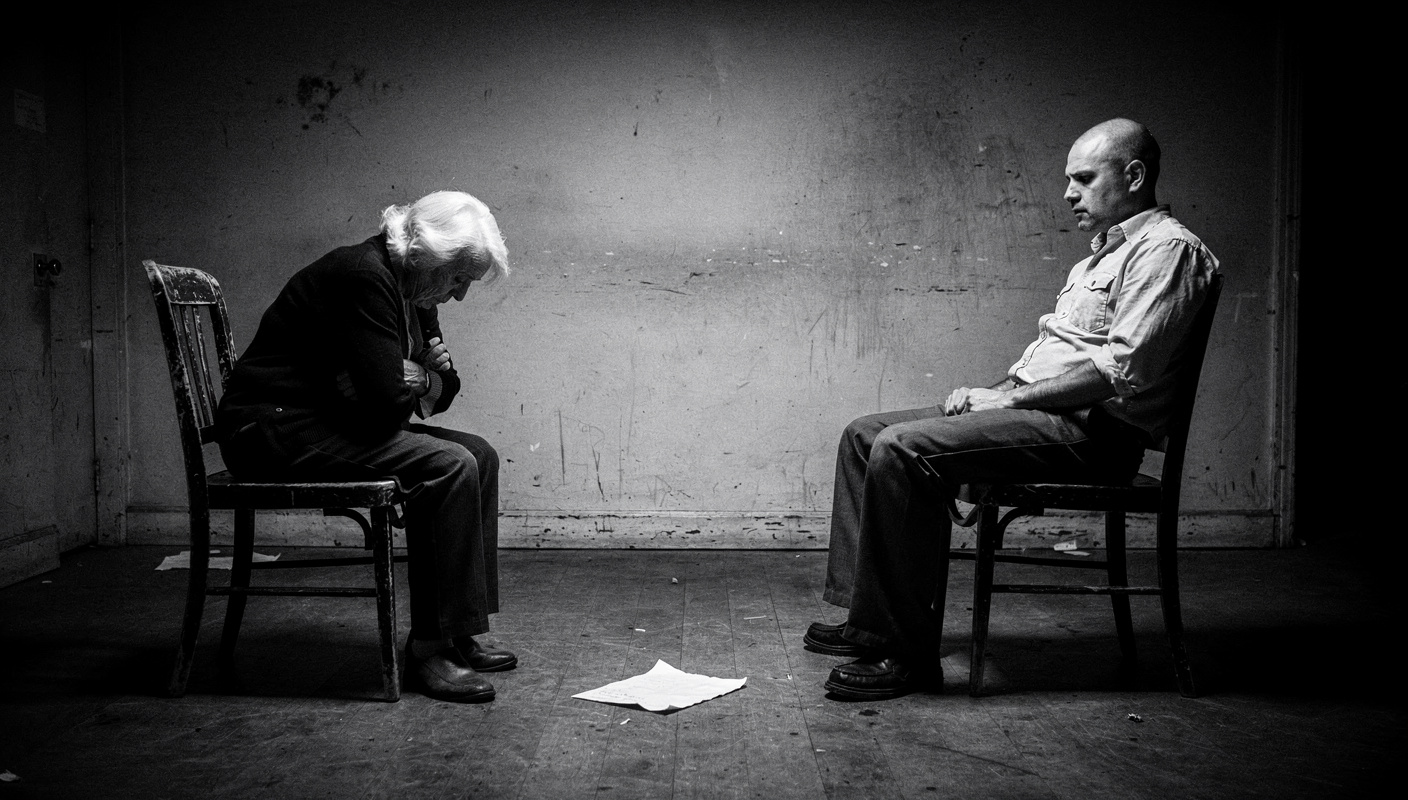
- What it looks like: Both parties agree to a resolution. The mediator thanks them, documents the outcome, and closes the session. Nobody mentions that one party nodded mostly to end the meeting. Why it happens: Agreement feels like success. After a tense session, the mediator is relieved and does not want to disturb what appears to be a positive conclusion. Why it matters: An agreement that was not genuinely reached will not hold. The conflict resurfaces, often escalated, and the mediation process loses credibility as a result. What to do: Before closing, ask each party to state, in their own words, what they have agreed to and what they will do differently. If their accounts do not match, you have not finished. This small step is the difference between an agreement and a genuine resolution. For de-escalation language that helps in exactly these closing moments, the word-for-word scripts for de-escalating tension with a colleague give you specific phrases you can adapt.
Eamon's note: The measure of a mediation is not what was agreed in the room. It is what actually changed afterward.
The Common Root Underneath All of These Errors
Here is the truth of it. Every mistake above shares the same root cause: the beginner is managing their own discomfort rather than serving the process. They rush toward resolution because tension is painful. They speak too much because silence frightens them. They skip pre-meetings because the extra step feels awkward. They accept surface agreement because the alternative means staying in a hard room a little longer.
This is not a character flaw. It is what inexperience feels like from the inside. Good mediation requires you to stay comfortable with discomfort, on behalf of the people in front of you. That is a skill. It is built through practice, honest reflection, and the courage to look at what went wrong rather than what felt right.
Understanding how to use the C.O.R.E. framework to stay grounded during tense conversations can help you build exactly that kind of internal steadiness, so the room's pressure does not pull you off course.
A Quick Diagnostic: How Are Your Sessions Actually Going?
Read each statement. Answer honestly with yes or no.
- I always conduct individual pre-meetings before joint sessions.
- I establish and get agreement on ground rules before the session begins.
- I can sit in silence for at least ten seconds without jumping in.
- After each session, I ask myself whether both parties felt genuinely heard.
- I can describe the difference between what each party wants and what they actually need.
- I test agreements by asking each party to restate what they have committed to.
- I have received feedback from an observer about my body language during sessions.
Scoring:
- 6 or 7 yes: Your foundations are strong. Focus on refining your reframing language and managing power imbalances.
- 4 or 5 yes: You have solid instincts but clear gaps. Pick the one "no" that most surprised you and make it your focus for the next three sessions.
- 3 or fewer yes: Start with the pre-meeting and the ground rules. These two changes will improve every other aspect of your practice immediately.
Where to Start If You Recognise These Mistakes
Do not try to fix everything at once. Pick the one mistake that most accurately describes your last session, and apply its repair before your next one.
If you pushed for resolution too quickly, spend your preparation time this week learning the D.E.A.L. method for resolving conflicts that fracture team relationships. It gives you a structured sequence to follow when the pressure to resolve is strongest.
If you struggled with a heated exchange, the strategies for de-escalating arguments during meetings will help you hold the room steady when things escalate.
Progress in mediation is not made in leaps. It is made in small, honest corrections, one session at a time. The mediators who get genuinely good at this are not the ones with the most natural talent. They are the ones who review what went wrong and return to the room anyway. That is the only path. The mediation mistakes beginners make are not a reason to stop. They are exactly where the real learning begins.
Frequently Asked Questions (FAQ)
What are the most common mediation mistakes beginners make?
The most common mediation mistakes beginners make include taking sides without realising it, pushing for resolution too quickly, failing to set ground rules, and speaking more than they listen. Each of these erodes trust and can collapse a session before real dialogue begins.
Why do beginner mediators lose control of a session?
Beginner mediators lose control when they skip ground rules, allow one party to dominate, or react emotionally to what is said. Without a clear structure to return to, the session drifts into argument rather than dialogue, and the mediator becomes another voice in the room.
How do mediation mistakes beginners make affect the outcome?
Mediation mistakes beginners make often produce false agreements, where parties say what is needed to leave the room rather than what they genuinely mean. These agreements rarely hold, and the underlying conflict resurfaces, usually worse than before.
What should a beginner mediator do before the session starts?
Before the session, a beginner mediator should meet each party separately to understand their core concerns, set clear ground rules in writing, and prepare reframing language for emotionally charged moments. Preparation is where most sessions are won or lost.
Is it a mediation mistake to share your own opinion during the session?
Yes. Sharing your opinion as a mediator, even gently, signals to both parties that you have already taken a position. It destroys the perception of impartiality that makes mediation work. Your role is to guide the conversation, not to judge its content.
How long does it take to get good at mediation skills?
Mediation skills improve through deliberate practice over months and years, not a single course or session. The fastest progress comes from reviewing what went wrong after each session, identifying the one mistake you will correct next time, and practising specific reframing phrases beforehand.