
In Short
Mediation session structure is the difference between a conversation that resolves conflict and one that deepens it. The C.O.R.E. Framework gives you a four-stage system you can apply from the moment parties enter the room to the moment they leave with a clear agreement.
- Clarity sets the foundation before anyone speaks about the conflict itself.
- Openness creates the space for both parties to be heard without interruption.
- Respect governs how the conversation proceeds when tension rises.
- Empathy bridges the emotional distance so agreement becomes possible.
Mediation session structure refers to the planned sequence of stages a mediator uses to guide a conflict resolution session from opening to close. It replaces improvisation with a repeatable process that creates psychological safety, manages emotion, and moves toward agreement.
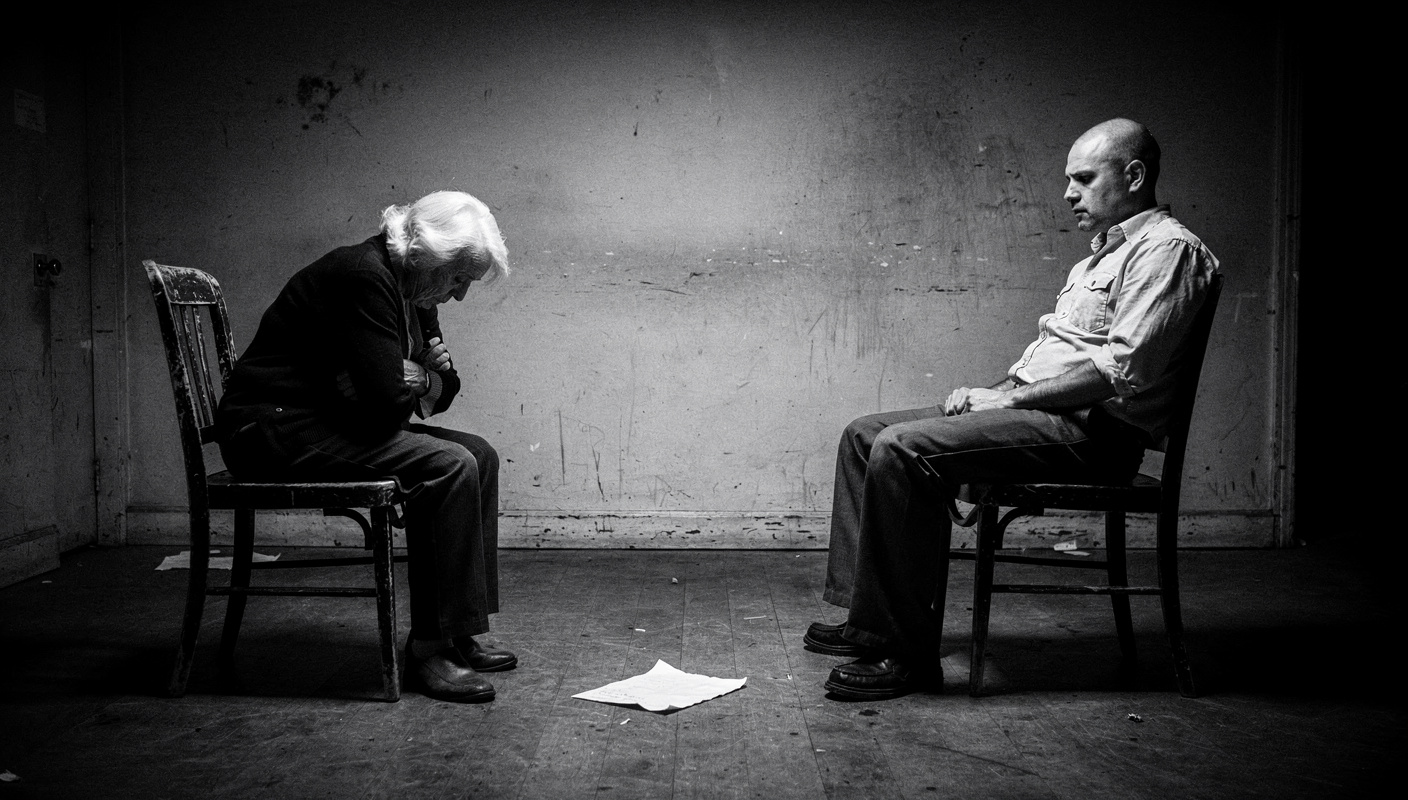
I have sat in rooms where two people refused to look at each other, where a week of festering silence had turned a manageable disagreement into something that felt permanent. The mediator in those rooms had good intentions. What they lacked was structure. They opened with a vague invitation to "share how you are feeling," and within four minutes, one party was raising their voice and the other had shut down completely. Good intentions, no framework, and the conflict came out worse than it went in.
Mediation session structure is not bureaucracy. It is the scaffolding that holds a difficult conversation upright when the weight of emotion threatens to collapse it. In Say It Right Every Time, I introduce the C.O.R.E. Framework as a four-pillar master system built on Clarity, Openness, Respect, and Empathy, applied in sequence. Chapter 2 of Say It Right Every Time lays out this framework in full. What follows is a practical guide to applying it inside a mediation session, from the first words you speak to the final handshake.
Why Mediators Without a Structure Default to Their Worst Instincts
Under pressure, people revert. Without a clear system, a mediator becomes a referee, a therapist, or a judge, none of which is the job. I have watched well-meaning managers jump straight to problem-solving before either party felt heard. I have seen HR professionals so anxious to reach agreement that they skipped the Openness stage entirely, which meant the agreement lasted about three days before the conflict resurfaced with more intensity.
As I write in Say It Right Every Time: "Relying on instinct is like trying to navigate a storm without a compass. You are tossed about by the winds of emotion, and you are likely to end up shipwrecked." That is precisely what happens in an unstructured mediation. The mediator reacts instead of leads. One party dominates. The other withdraws. And the root of the conflict goes untouched.
A framework does not make mediation mechanical. It makes it safe. When both parties can see a clear process in front of them, they trust the room more. They speak more honestly. And honest speech is where resolution actually begins.
"The Conversation You're Avoiding Is the One You Need to Have."
"The Conversation You're Avoiding
Is the One You Need to Have."
Stop rehearsing conversations you'll never have. Say It Right Every Time gives you 115 word-for-word scripts and 16 proven frameworks to speak with confidence in every conversation that matters.
The Four Stages of the C.O.R.E. Framework Applied to Mediation
The C.O.R.E. Framework is a four-element model built around Clarity, Openness, Respect, and Empathy. In a mediation context, each element maps directly to a stage of the session. You apply them in sequence. You do not skip stages, and you do not rush. Here is how each one works in practice.
Stage 1: Clarity. Establishing the Foundation Before the Conflict Is Discussed
What it is: Clarity is the opening stage. Its purpose is to prepare the room, not address the conflict. You are setting ground rules, stating your role, and giving both parties a shared understanding of what is about to happen and why.
How it works:
- Open with your role, not the problem. State clearly that you are a neutral mediator. You are not there to judge or take sides. Say it plainly: "My role today is to help both of you have a productive conversation. I am not here to decide who is right."
- Use the Clarity Checklist. This five-item preparation tool from Chapter 2 of Say It Right Every Time covers your core message, desired outcome, supporting points, personal motivation, and listening readiness. Apply it before you open the session, not during it.
- State the purpose of the session in one sentence. "We are here to understand each other's perspective on [specific issue] and to agree on a path forward."
- Establish ground rules. One person speaks at a time. No interrupting. Each party will have equal time. What is said in this room stays in this room.
- Ask for consent. "Are both of you willing to work within these ground rules today?"
Script (formal opening): "Thank you both for being here. I want to start by explaining how this session will work. My role is neutral. I am here to help you both be heard and to help us find a solution together. We will each have uninterrupted time to speak. What is said here stays here. Does that work for both of you?"
When to use it: Always. Every session, without exception. Clarity is not optional. When to skip it: Never. Jumping past Clarity is the single most common reason mediation sessions collapse in the first ten minutes.
Eamon's note: I used to think the opening was just formality. I was wrong. The opening is where trust is either built or broken. If you rush it, both parties spend the entire session waiting for you to be unfair.
Stage 2: Openness. Creating the Space for Both Parties to Be Heard
What it is: Openness is the core of the session. Each party speaks without interruption about their experience of the conflict. Your job as mediator is to listen, summarise, and reflect, not to judge, advise, or solve.
How it works:
- Invite the first party to speak. "I would like to start with [Name]. Can you tell us, in your own words, what has been happening from your perspective?"
- Listen without interjecting. This is harder than it sounds. Let them finish. If they drift into attacking the other party, gently redirect: "Can you tell me how that made you feel, rather than what you think they intended?"
- Summarise and check. Use the script from Say It Right Every Time: "Okay, I hear you. So what you're saying is [summarise their point of view]. Do I have that right?"
- Invite the second party. Repeat the same process. Give equal time. Do not allow interruptions.
- Identify the core interests beneath the positions. People state positions. What you are listening for is the underlying interest. "What matters most to you in how this gets resolved?" is often more useful than anything either party has said so far.
If you want to handle conflict during meetings with the same skill you use in a formal mediation, the Openness stage is the one to practise first. It is the hardest to do under pressure and the most powerful when you do it well.
When to use it: In every joint session where parties need to feel heard before they can collaborate. When to slow it down: When one party becomes highly emotional. Use the 3-Second Pause technique: stop, breathe, and say, "This is clearly a sensitive topic. Let us take a breath before we continue."
Eamon's note: Most mediators are too impatient here. They hear enough to understand the conflict and then start steering toward a solution. Do not. Wait until both parties have said everything. The thing they say last is usually the thing that matters most.
Stage 3: Respect. Governing the Conversation When Tension Rises
What it is: Respect is not a feeling. It is a set of behaviours. This stage is active throughout the session but becomes critical when emotions spike. It is the guardrail that keeps the conversation productive when one or both parties start moving toward attack or withdrawal.
How it works:
- Enforce the ground rules calmly. If one party interrupts: "I hear that you want to respond. I will give you that space in a moment. Let us let [Name] finish first."
- Use the Empathy Bridge. This technique from Chapter 2 involves acknowledging the other person's feelings before delivering a difficult message. As mediator, you model it: "I can hear that this has been genuinely painful. And I also want to make sure [Name] has the chance to share their experience."
- Reframe attacks as interests. When a party says, "They never listen to anything I say," reframe it: "It sounds like feeling heard is really important to you. Let us make sure that happens here."
- Separate behaviour from character. If a party begins making character judgements about the other, redirect toward specific behaviour: "Can you tell me about a specific moment when that happened, rather than what you think of them generally?"
- Use the postpone option if needed. If the session reaches an impasse and emotions are too high to continue productively, use this script: "I think we are both too emotional to move forward right now. Can we agree to take a ten-minute break and come back?"
When interpersonal tension needs to be resolved through empathy, the Respect stage gives you the tools to hold the space while emotions are high without letting the conversation become destructive.
When to use it: Throughout the session, but most actively during the Openness stage and when parties begin direct dialogue with each other. When it is most tested: When one party feels the mediator is favouring the other. Stay visibly neutral. Use equal air time as your clearest signal of fairness.
Eamon's note: Respect is not about avoiding the hard truth. It is about delivering that truth, and holding space for it, with care. As I put it in Say It Right Every Time: "Respect is not about avoiding the hard truth. It is about delivering that truth with care and compassion."
Stage 4: Empathy. Bridging the Emotional Distance Before Agreement
What it is: Empathy is the final active stage before you move toward resolution. It is the moment where you help each party genuinely understand the other's experience, not agree with it, but understand it. Without this stage, any agreement you reach will be fragile.
How it works:
- Summarise both perspectives side by side. "So [Name A], what I am hearing is that you felt excluded from decisions that affected your work directly. And [Name B], what I am hearing is that you felt the pace of the project left no time for the consultation you would normally have included. Is that fair?"
- Ask each party to reflect the other's experience. "[Name A], can you tell me what you now understand about how [Name B] experienced this situation?" This is the most powerful move in mediation. It almost always shifts the dynamic.
- Name the emotion to de-escalate. As I describe in Chapter 2 of Say It Right Every Time, naming an emotion reduces its intensity. "It sounds like there is genuine frustration here, on both sides, about feeling unheard. That is something you actually share."
- Connect before you correct. This is a principle I return to throughout my work. Before you push toward agreement, make sure both parties feel that their experience has been acknowledged. Agreement reached before this happens will not last.
- Open the path to resolution. "Now that we both understand where each other has been coming from, I would like to talk about what a good outcome would look like for both of you."
For situations where arguments need to be de-escalated during meetings, the Empathy stage offers the specific tools to lower temperature before it becomes irreversible.
When to use it: After the Openness stage, once both parties have been fully heard. When to slow it down: If one party is not ready to acknowledge the other's experience, return briefly to the Openness stage. Forcing empathy before someone feels heard backfires.
Eamon's note: I have watched the Empathy stage transform rooms. Two people who came in not making eye contact, leaving together, not as friends, but as people who now understood each other. That is worth every minute you invest in getting here.
Closing the Session: Agreement, Summary, and Next Steps
The close of a mediation session is where the work becomes real. A session without a clear close is like a conversation that trails off. Nothing is locked in. Nothing changes.
For a session that reaches agreement: Use this formal close script: "Thank you for this discussion. To summarise, we have agreed that [summarise the agreement and next steps]. I appreciate your willingness to work through this with me." Write it down. Confirm both parties agree with the written summary before they leave the room.
For a session that does not reach full agreement: Not every session ends with resolution, and forcing a false one is worse than leaving with honest incompleteness. Use this script: "It is clear we are not going to solve everything today. Can we agree on one concrete step each of us will take before we meet again? And can we agree to meet on [specific date]?"
Always confirm next steps before closing. Who does what, by when, and how will you know it has happened? A session that ends without a follow-up plan has a high chance of the conflict resurfacing within two weeks.
The D.E.A.L. Method for resolving workplace tension can be a strong complement to the C.O.R.E. close, particularly when you need a tighter structure for locking in specific agreements and behavioural commitments.
Choosing How to Apply Each Stage: A Quick Decision Guide
Not every mediation is the same. Here is a practical reference for adjusting your approach based on what you are facing in the room.
| Situation | Stage to Prioritise | Key Tool |
|---|---|---|
| Parties arrive hostile and guarded | Clarity | Ground rules, role statement, consent |
| One party dominates, the other withdraws | Openness | Equal time, active summarising |
| Emotions spike mid-session | Respect | 3-Second Pause, Empathy Bridge, reframing |
| Parties understand each other but cannot agree | Empathy | Shared reflection, naming shared frustration |
| Agreement reached but feels unstable | Close | Written summary, confirmed next steps |
| Session reaches impasse | All stages | Short break, return to Openness |
Narrative guidance: If you are stepping into a session and you are not sure where to focus your energy, apply Clarity fully and trust that the other stages will tell you what they need. The Clarity stage almost always reveals where the session will be most tested. If parties are visibly guarded during the opening, invest more time in the Openness stage before moving forward. If they are willing to speak but cannot hear each other, the Empathy stage is where you will do your most important work.
When you are supporting teams where conflict is fracturing working relationships, the D.E.A.L. Method for team synergy conflicts works alongside the C.O.R.E. Framework as a more focused tool for the resolution stage when teams, rather than pairs, are involved.
Where Structured Mediation Sessions Break Down
Even with a strong framework, there are predictable points where sessions go wrong. Here are the ones I have seen most often, and what to do instead.
The mistake: Skipping the Clarity stage because "everyone already knows why we are here."
Why it happens: Mediators underestimate the anxiety both parties bring into the room.
What to do instead: Run the full Clarity stage every time. It takes five minutes and saves the session.
The mistake: Summarising too quickly during the Openness stage, before a party has finished.
Why it happens: The mediator wants to show they are listening, but cuts the party off mid-thought.
What to do instead: Wait for a natural pause. Then summarise. Then ask: "Is there anything else you want me to understand?"
The mistake: Moving to solutions before both parties feel heard.
Why it happens: The mediator is anxious to reach agreement and mistakes surface-level calm for genuine readiness.
What to do instead: Stay in the Openness and Empathy stages longer than feels comfortable. The discomfort is usually a sign that the work is not finished.
The mistake: Closing without written confirmation.
Why it happens: The session ends on a good note and a written summary feels unnecessary.
What to do instead: Always write it down, even informally. Read it back. Get a verbal or written confirmation from both parties before the room empties.
For the specific challenge of word-for-word scripts to de-escalate tension with a colleague, you will find language that fits directly into the Respect stage of a mediation session.
Building Fluency: How to Practise Mediation Structure Until It Becomes Instinct
Chapter 12 of Say It Right Every Time outlines a 60-day transformation plan built on one principle: consistent daily practice over intensity. The same principle applies here. You do not become a skilled mediator by reading about frameworks. You become one by running sessions.
Start in low-stakes environments. Volunteer to facilitate disagreements between colleagues before they escalate. Use the Clarity stage even in informal conversations. Practise the summarising technique from the Openness stage in every meeting you attend this week. Then, when a genuine mediation lands on your desk, the structure will already be part of how you think.
The C.O.R.E. Framework is also the foundation of the C.O.R.E. Framework for staying grounded during tense workplace conversations. Practise it there, in individual conversations, and you will build the muscle memory you need before you step into a full mediation session.
You can read the full 60-day practice sequence in Say It Right Every Time. For mediation skills specifically, I recommend focusing the first two weeks entirely on the Clarity and Openness stages before adding the Respect and Empathy tools. Build the foundation before you add the walls.
The Thing That Separates Mediators Who Resolve Conflict From Those Who Just Contain It
Structure alone does not make you a skilled mediator. But structure gives you somewhere to stand when the pressure is highest. A good session does not require you to be brilliant. It requires you to be consistent, patient, and clear.
Here is what I know after six decades of getting this wrong before I got it right: the moment both parties feel genuinely heard, the room changes. The tension does not disappear, but the direction shifts. From that point, agreement is possible. Without that point, even the cleverest solution will not hold.
Apply the C.O.R.E. Framework to your mediation session structure, stage by stage, and trust the process. The compass works. You just have to follow it.
Frequently Asked Questions (FAQ)
What is mediation session structure?
Mediation session structure is a planned sequence of stages that a mediator follows from opening to close. It creates psychological safety, keeps the conversation focused, and gives both parties a clear process to trust. Without it, sessions drift and conflict escalates rather than resolves.
How do you open a mediation session effectively?
Open by establishing ground rules, stating your neutral role, and clarifying the purpose of the session. The Clarity stage of the C.O.R.E. Framework gives you a script for this. A strong opening sets the tone and creates the psychological safety both parties need to speak honestly.
What does C.O.R.E. stand for in the C.O.R.E. Framework?
C.O.R.E. stands for Clarity, Openness, Respect, and Empathy. Each stage guides a specific phase of the mediation session. Clarity sets the foundation, Openness invites honest sharing, Respect governs how parties interact, and Empathy bridges the emotional distance between them.
When should you use the C.O.R.E. Framework in mediation?
Use the C.O.R.E. Framework when mediating workplace conflicts between two or more parties who need a neutral structure to reach agreement. It works best in sessions where emotions are elevated, trust is damaged, or previous attempts to resolve the conflict have failed without a clear process.
How long should a structured mediation session take?
Most structured mediation sessions run between 60 and 90 minutes. The Clarity and Openness stages typically take the most time. If a session exceeds 90 minutes without reaching the Resolution stage, a short break or a second session is usually more productive than pushing through emotional fatigue.
What are the most common mistakes mediators make during a session?
The most common mistakes are skipping the opening structure, allowing one party to dominate the Openness stage, and rushing toward agreement before both parties feel heard. Mediators also frequently neglect the close, leaving the session without a clear summary, written agreement, or confirmed next steps.