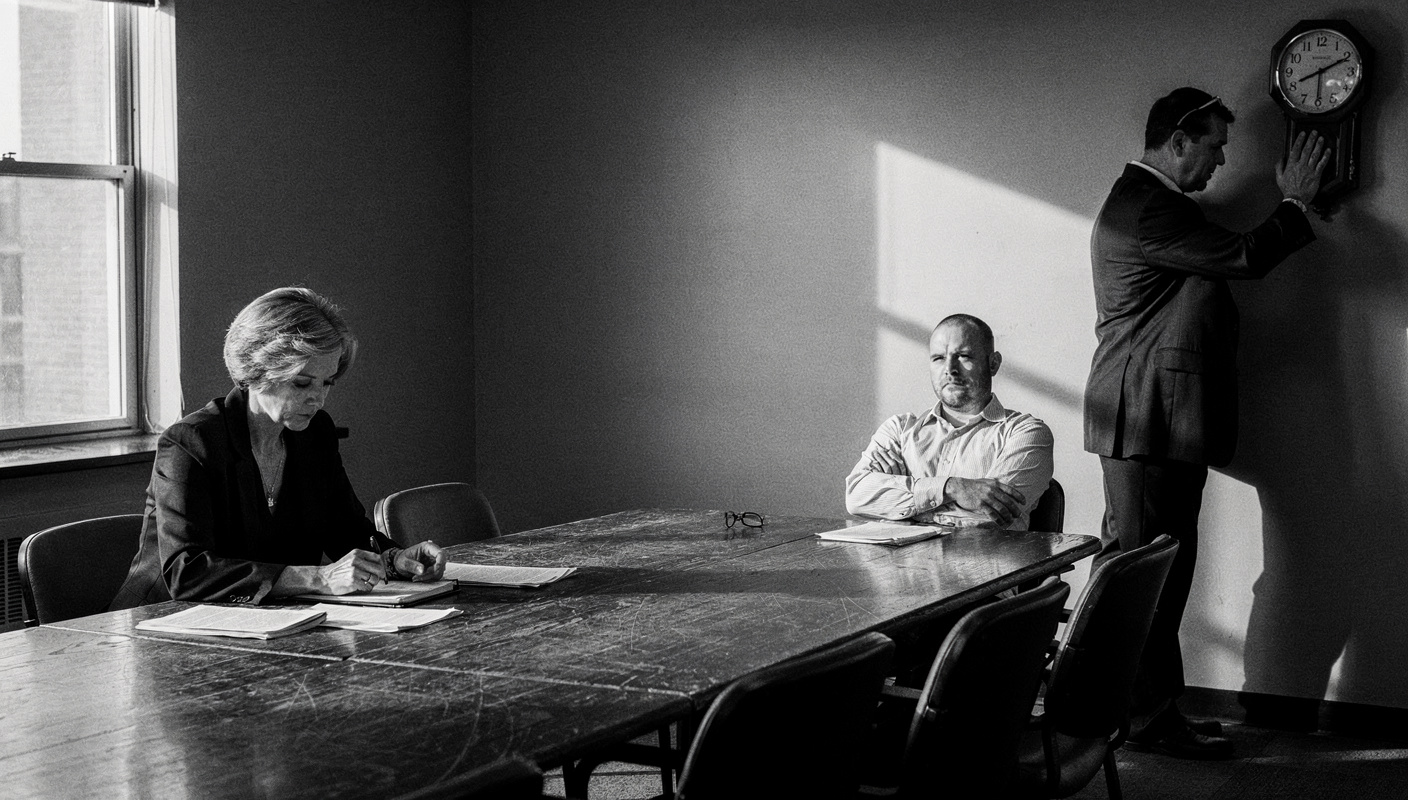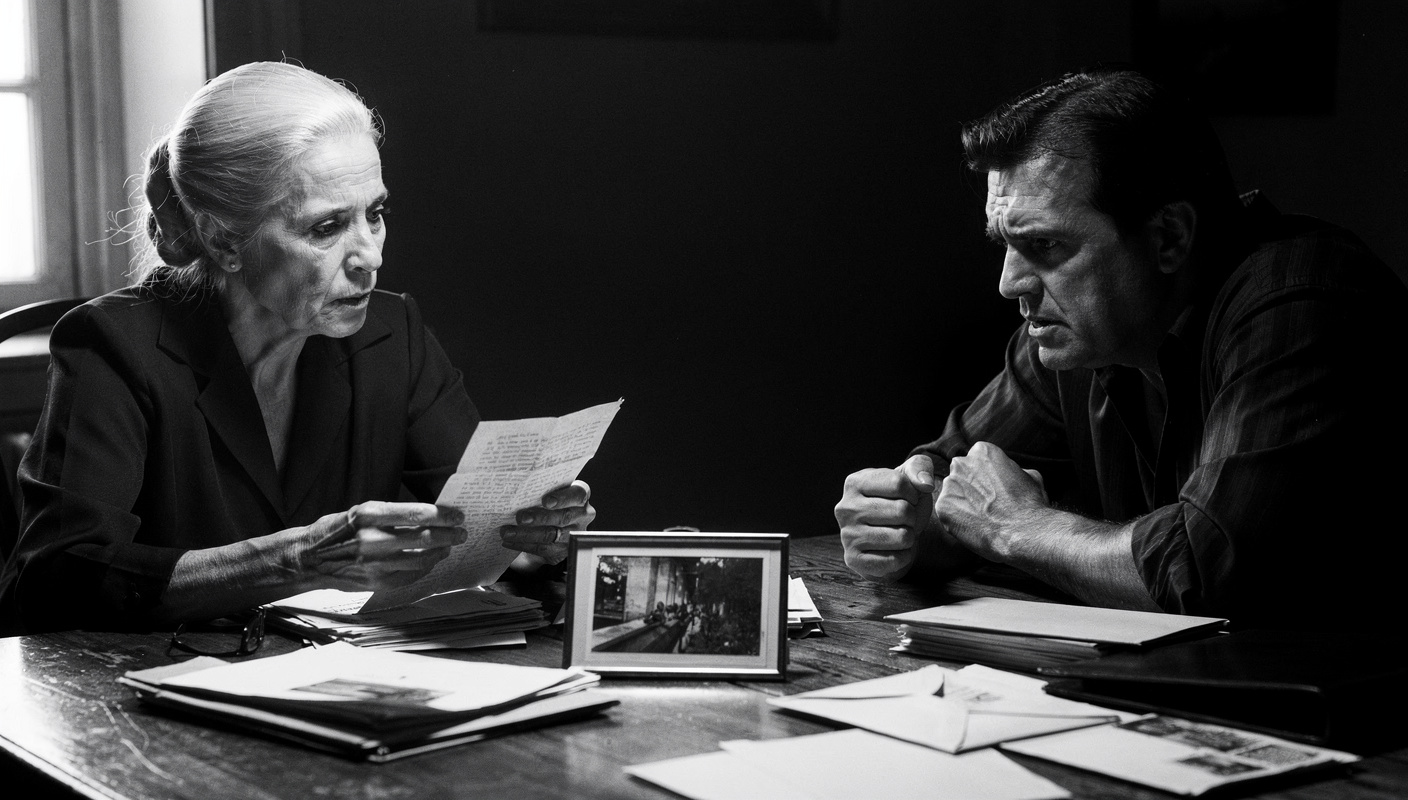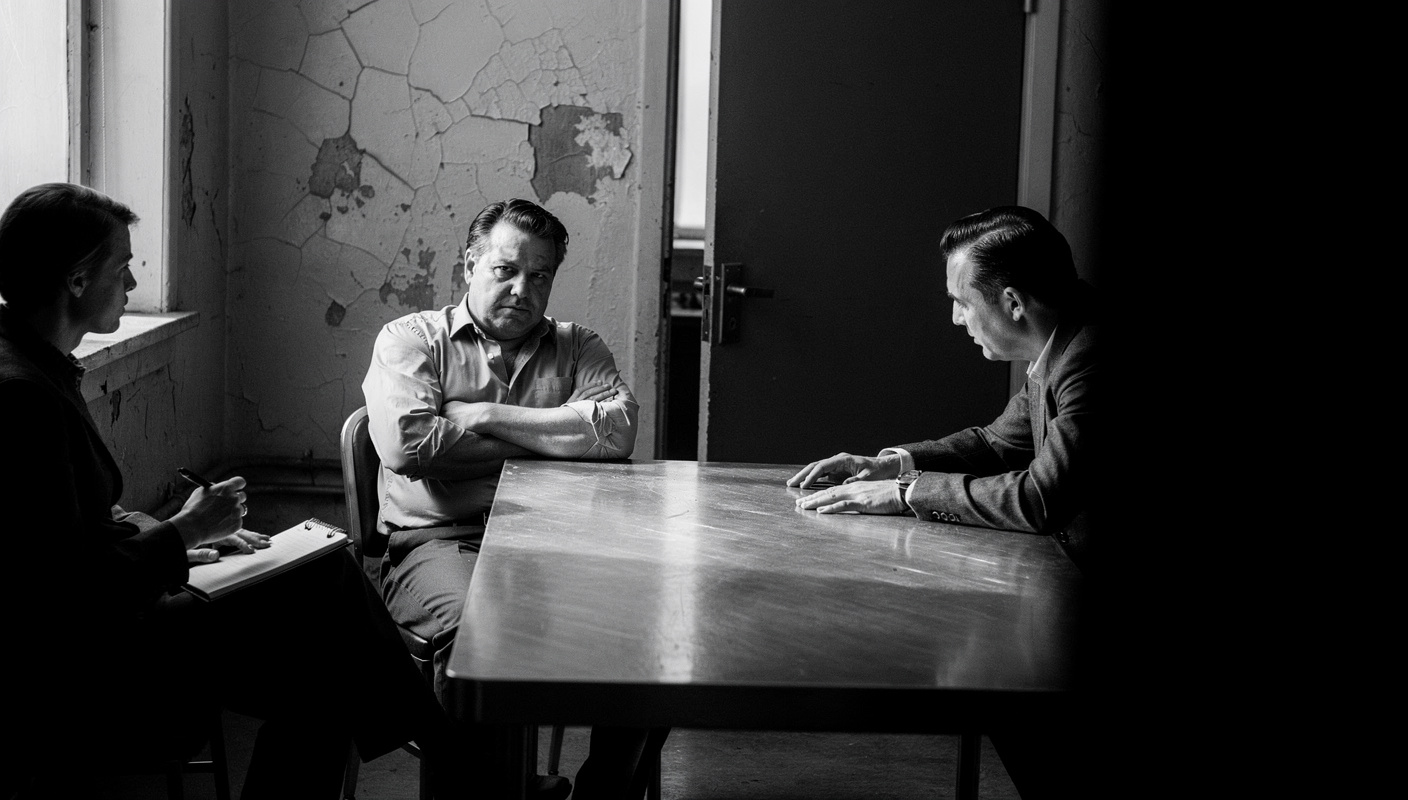

In Short
Directive mediation skills and non-directive approaches are not opposites, they are two gears in the same engine. Knowing when to step in and when to step back is what separates a mediator who manages conflict from one who resolves it.
- Directive techniques structure the session; non-directive techniques give parties ownership of the outcome.
- Shifting styles mid-session is a skill, not a sign of inconsistency.
- Reading the room, moment by moment, tells you which gear you need.
Directive mediation skills are the techniques a mediator uses to actively guide the structure and pace of a session. Rather than simply facilitating open dialogue, the mediator applies purposeful pressure, sets limits, and introduces options when parties cannot move forward on their own.
I watched a good mediator lose a session once. Not because he lacked skill. He had spent years practicing conflict resolution and knew the theory cold. He lost it because he stayed non-directive for too long. Both parties had talked themselves into a corner, and he kept asking open questions, reflecting their feelings back, waiting for them to find the way through. They never did. By the hour mark, the quieter party had shut down completely, and the louder one was repeating himself in circles. The session collapsed. Afterwards, he said to me: "I thought stepping in would compromise my neutrality." He had confused neutrality of outcome with neutrality of process. They are not the same thing.
Balancing directive mediation skills with a non-directive approach inside a single session is genuinely difficult. You have to read the room in real time, make judgment calls with incomplete information, and shift your style without losing the trust of either party. This guide gives you a working process for exactly that.
Why This Balance Is Harder Than It Sounds
The difficulty is not conceptual. Most mediators understand, in theory, that different moments need different approaches. The difficulty is in the execution: knowing when to shift, how to do it without destabilising the session, and how to return to a lighter touch once structure has done its work.
There is also a real psychological pull toward one style or the other. Mediators who came up through counselling or coaching tend to stay non-directive long past the point of usefulness, because stepping in feels like overreach. Mediators with a legal or management background often default to directive control too early, because open dialogue feels inefficient. Neither instinct is wrong. Both become problems when they override what the session actually needs.
The other complication is trust. When you shift from a warm, listening presence to a structured, directive one, parties can feel the change and sometimes misread it as you taking a side. Knowing how to signal the shift cleanly, and why you are making it, is as important as the shift itself.
"The Conversation You're Avoiding Is the One You Need to Have."
"The Conversation You're Avoiding
Is the One You Need to Have."
Stop rehearsing conversations you'll never have. Say It Right Every Time gives you 115 word-for-word scripts and 16 proven frameworks to speak with confidence in every conversation that matters.
What You Need Before the Session Begins
Before you can balance anything, two preconditions must be in place. Without these, no technique will hold.
First, you need a clear agreement about your role. Both parties must understand, before the session opens, that you will guide the process but not decide the outcome. When you later use directive techniques, they will not misread it as bias if this distinction was made explicit at the start.
Second, you need enough background to recognise imbalance when you see it. A pre-mediation conversation with each party separately gives you a map of the power dynamics, the emotional temperature, and the real interests beneath the stated positions. Without this, you are flying blind when you try to decide whether to step in or hold back.
If you are working in a high-conflict setting, also read how unmet needs drive team conflict and what to say to restore synergy before you walk in. Understanding the emotional layer below the surface argument will make your judgment calls sharper.
The Six-Step Process for Shifting Styles Mid-Session
This sequence gives you a working framework for managing both styles across the full arc of a session. The steps are ordered. Do not skip the early ones, even when they feel slow.
Step 1: Open Directive to Establish Safety
Begin every session with clear structure. State the ground rules yourself. Explain the process, the time available, and what will happen if the conversation breaks down. Do not open with an invitation to "just talk." That may feel collaborative, but it gives anxious or dominant parties too much freedom before trust is built.
A usable opening sounds like this: "Before we begin, I want to set out how we will work today. Each of you will have uninterrupted time to speak. I will sometimes ask clarifying questions. If the conversation becomes unproductive, I will pause it. My job is to help this conversation happen safely, not to decide anything for you."
This opening is directive. It is also necessary. It signals that you are in command of the space, which is what both parties need to feel safe enough to be honest.
Step 2: Move to Non-Directive as Parties Begin to Talk
Once the ground rules are in place and both parties have made their opening statements, ease back. Ask open questions. Reflect what you hear. Let them drive the conversation.
Your job in this phase is to keep the dialogue open and moving: "Can you say more about that?" or "It sounds like what matters most to you is... Is that right?" You are not solving anything yet. You are building the shared understanding that makes resolution possible. Resist the urge to propose solutions. The parties need to feel heard before they can hear each other.
For support on how empathy shapes this phase of the work, see how to resolve interpersonal tension through empathy.
Step 3: Watch for the Four Signals That Call You Back to Directive
Non-directive facilitation has limits. Four specific signals tell you it is time to shift back to a more directive approach.
- Circular repetition. One or both parties are saying the same thing multiple times with increasing frustration. The conversation is stuck.
- Domination. One party consistently speaks over or shuts down the other.
- Emotional flooding. The emotional temperature has risen to the point where neither party can think clearly.
- Impasse on a specific point. They have been circling a single issue without movement for more than a few exchanges.
Any one of these signals is enough. Do not wait for all four.
Step 4: Shift Directive Without Breaking the Thread
When you see a signal, step in cleanly and name what is happening without assigning blame. This is the moment most mediators handle poorly, either by hesitating too long or by coming in too hard.
Try: "I want to pause us here for a moment. I am noticing we have been circling the same point for a while. I am going to suggest we approach it differently."
Then apply the directive technique the moment needs. If someone is dominating, give the quieter party explicit space: "I want to make sure we hear from you fully on this. What is your experience of what has been described?" If they are at impasse, introduce a reframe: "You both seem to agree that the project outcome matters. What would a good outcome actually need to include, from each of your perspectives?"
The D.E.A.L. method for resolving conflicts that are fracturing team synergy gives you a reliable structure for this kind of purposeful intervention when a team relationship is seriously strained.
Step 5: Use a Caucus When the Room Cannot Hold the Tension
Sometimes neither style is enough when both parties are in the same space. A private caucus, a brief meeting with each party separately, is one of the most directive tools available to you and one of the most underused.
Call a caucus when you see emotional flooding that is not settling, or when you suspect one party is holding back something important because the other is present. Say: "I would like to take fifteen minutes to speak with each of you separately. This is a normal part of the process." Do not treat it as a failure. It is a tool.
Use the private time to help each party clarify their own interests, not to broker a deal behind closed doors. When you bring them back together, you return to a more non-directive approach with each party better prepared to participate.
Step 6: Return to Non-Directive as Movement Appears
When progress begins, ease back again. If the parties start generating their own options or acknowledging each other's perspective, your job is to protect that momentum, not to drive it.
Reflect what you hear: "It sounds like you are both saying that the process needs to change, even if you see the details differently. Is that fair?" Let them confirm it, build on it, and own it. Agreement that parties reach themselves will hold. Agreement that you engineered will not.
If you are working through a conflict that arose during a structured meeting, how to handle conflict during meetings offers additional support for this final phase.
When the Session Happens Remotely
Remote mediation strips away a significant amount of the information you normally rely on. You cannot read body language accurately through a screen. You cannot feel the temperature of the room. You lose the natural pauses that signal someone is struggling.
In remote sessions, shift your directive techniques earlier and apply them more explicitly. You cannot wait for the subtle signals you would catch in person. Name what you observe: "I notice you have been quiet for a few minutes. I want to make sure you have space here." Check in directly rather than relying on cues. Use the chat function to send each party a private message during breaks if a formal caucus feels too disruptive.
The structure you establish at the opening matters even more in remote settings because you have fewer tools to restore order once it breaks down. Be more directive in the first fifteen minutes than you think you need to be, then ease back once both parties have found their footing.
For a grounding framework to use before tense remote conversations, how to use the C.O.R.E. framework to stay grounded during a tense workplace conversation is worth having in front of you.
Where Mediators Go Wrong With Style-Shifting
These are the mistakes I have seen most often, and made myself, in sessions that could have gone better.
The mistake: Staying non-directive through an obvious impasse because stepping in feels like taking a side.
Why it happens: Many mediators equate neutrality with passivity.
What to do instead: Remind yourself that you are responsible for the process, not the outcome. Intervening to move the process forward is not bias. Failing to intervene is a form of negligence.
The mistake: Shifting to directive style with a sudden change in tone, startling both parties.
Why it happens: The mediator waits too long, then overcorrects.
What to do instead: Shift with a naming statement: "I am going to change how we approach this for a moment." Signal the shift before you make it.
The mistake: Using directive techniques to push toward a particular resolution.
Why it happens: The mediator can see the obvious answer and wants to save time.
What to do instead: Step back. Your job is not to reach the solution fastest. It is to help the parties reach a solution they will both commit to. That requires self-determination. Read how to use the D.E.A.L. method to resolve workplace tension before it escalates for a structured approach that keeps both parties in the driver's seat.
The mistake: Never returning to a non-directive style after stepping in.
Why it happens: Once in directive mode, it feels safer to stay there.
What to do instead: Watch for signs of renewed engagement and ease back deliberately. Use phrases like: "You two seem to have found some common ground here. Where do you want to take it?"
Your Pre-Session Style-Balance Checklist
Use this before every mediation session. It takes five minutes and will sharpen your judgment for the session ahead.
- Have I had a pre-mediation conversation with each party? Do I understand their real interests beneath their stated positions?
- Have I prepared a clear opening statement that establishes ground rules without lecturing?
- Do I know the four signals that will tell me to shift to a directive approach?
- Have I prepared at least two reframing statements I can use if we hit impasse?
- Have I planned a caucus protocol so I can call one without it feeling like a punishment?
- Do I know what a good outcome looks like for each party? Not so I can push toward it, but so I can recognise when we are close and protect that momentum.
- Have I prepared word-for-word phrases to signal a style shift cleanly?
For additional scripted language to use in tense moments, word-for-word scripts for de-escalating tension with a colleague before it becomes a conflict is a practical companion resource.
The Skill That Holds Everything Together
Here is the truth of it. The ability to shift between directive mediation styles and open, non-directive facilitation is not about technique. It is about attention. You have to be genuinely, continuously present in the room. The moment you start thinking about what comes next instead of what is happening now, you will miss the signal that tells you to shift.
Practise the transitions until they feel natural. Script your opening moves. Know your caucus protocol cold. Then let all of that preparation sit quietly in the background and simply watch the two people in front of you. The room will tell you what it needs, if you are paying close enough attention to hear it.
The strongest directive mediation skills are the ones you use precisely and briefly, before stepping back and letting the people in the room find their own way through.
Frequently Asked Questions (FAQ)
What are directive mediation skills?
Directive mediation skills are techniques a mediator uses to actively guide a session toward resolution. They include setting ground rules, proposing options, redirecting off-topic conversations, and applying structured pressure when parties are stuck. They contrast with non-directive approaches, which prioritise party-led dialogue.
When should a mediator switch from non-directive to directive style?
Switch to a directive style when the conversation stalls, when one party dominates unfairly, or when emotions escalate beyond productive dialogue. If parties cannot generate their own options after sufficient time, a mediator must step in with structure. Waiting too long to shift can collapse the session entirely.
How do you balance directive and non-directive mediation in one session?
Balance comes from reading the room continuously and shifting your approach based on what each moment needs. Begin with a structured, directive opening to establish safety. Move to non-directive facilitation once parties are talking. Return to directive techniques when impasse or imbalance appears.
What is the difference between directive and non-directive mediation?
Non-directive mediation keeps the mediator in a neutral, facilitative role: asking questions, reflecting feelings, and letting parties lead. Directive mediation has the mediator actively shaping the process, proposing options, setting limits, and applying structured guidance. Most effective sessions require both approaches used at the right moments.
Can directive mediation skills damage neutrality?
They can, if used carelessly. Using directive techniques to push a particular outcome crosses the line. Using them to manage process, restore balance, or break an impasse preserves neutrality. The distinction is between controlling the conversation and controlling the outcome. One is your job; the other is not.
How do you handle a power imbalance during mediation?
Acknowledge it internally first, then act on it structurally. Use directive techniques to give the quieter party more speaking time. Use private caucus sessions to build their confidence. Reframe dominant language without taking sides. Your goal is not to equalise opinions but to equalise each person's ability to participate fully.